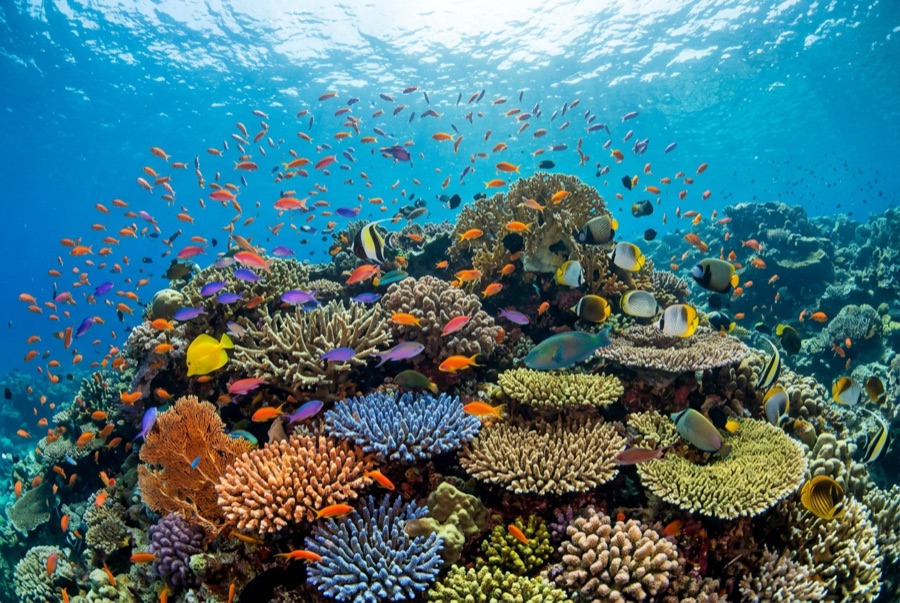
Yonehara W Reef
Depth is the range from the top of the site to its usual maximum; "recommended cert" is the mainstream-agency level operators usually ask for, not a legal rule. Currents and visibility change daily, so treat everything here as planning ranges.
The W Reef, called Pukapi in the Okinawan language, is a large reef off the Yonehara campground, and boats use several of its sides. The south side is shallow and calm enough for introductory dives: scissortail sergeants meet divers at the entry and anthias hover over thickets of branching coral. On the east face, square-spot anthias live unusually shallow at around 14 m, and broadclub cuttlefish arrive to lay eggs from about March. The west side has reef faults where whitetip reef sharks often rest under overhangs. Many kinds of anemonefish share the reef, the southeast corner is a flat rubble area for slow macro hunting, and the shallows suit snorkelers too.
The moment you come for: Several faces of one big reef; square-spot anthias at 14 m; spring cuttlefish spawning; whitetips under overhangs
Topography: Large reef of branching and small table corals with rubble flats, reef faults and overhangs, from 3 to 30 m
Current: Nearly none on the west side; the south side has no current.
Entry: Boat dive on the large reef off the Yonehara campground, about 15 minutes from the Kabira area; guides choose the south, east, southeast, southwest or west side.
Know before you splash
Hazards: Gentle on the south side, but parts of the reef reach about 30 m; watch depth on the deeper faces and keep fins off the shallow coral where snorkelers and introductory groups gather.
Conservation: Yonehara and Yonehara Pukapi are marine park zones of Iriomote-Ishigaki National Park, designated in 2007 and 2012.
Who you'll meet
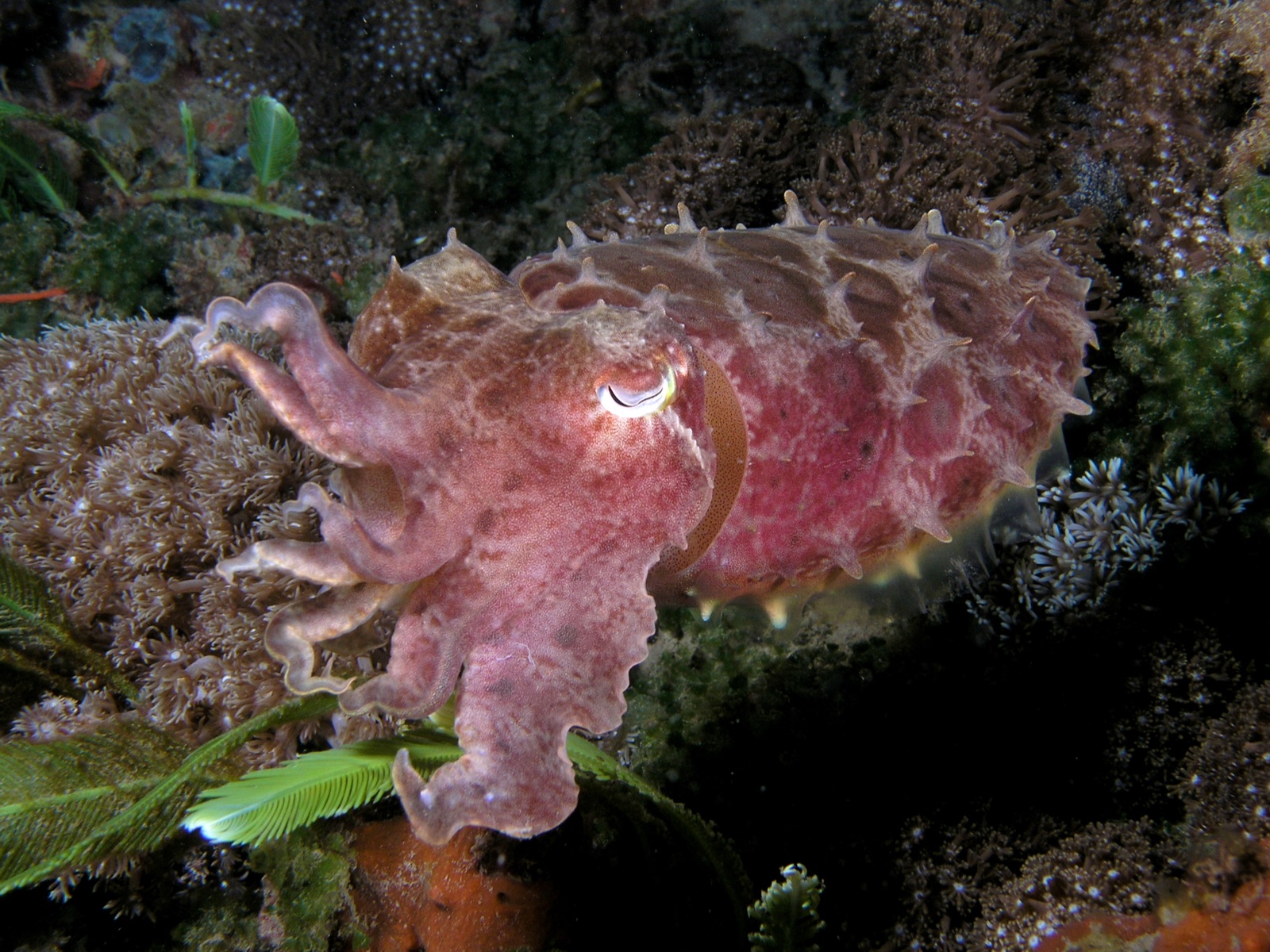
Broadclub Cuttlefish
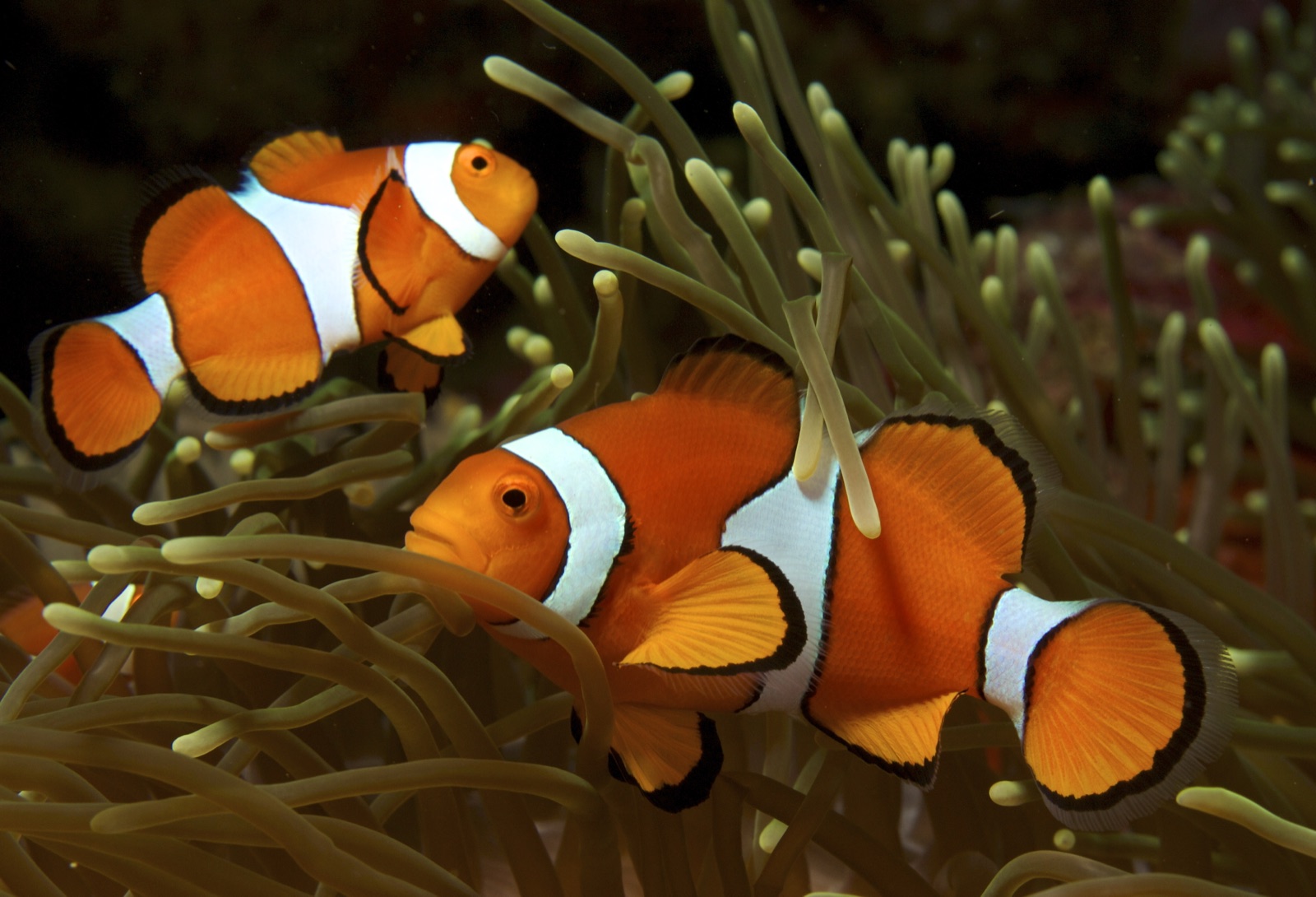
Clownfish & Anemonefish
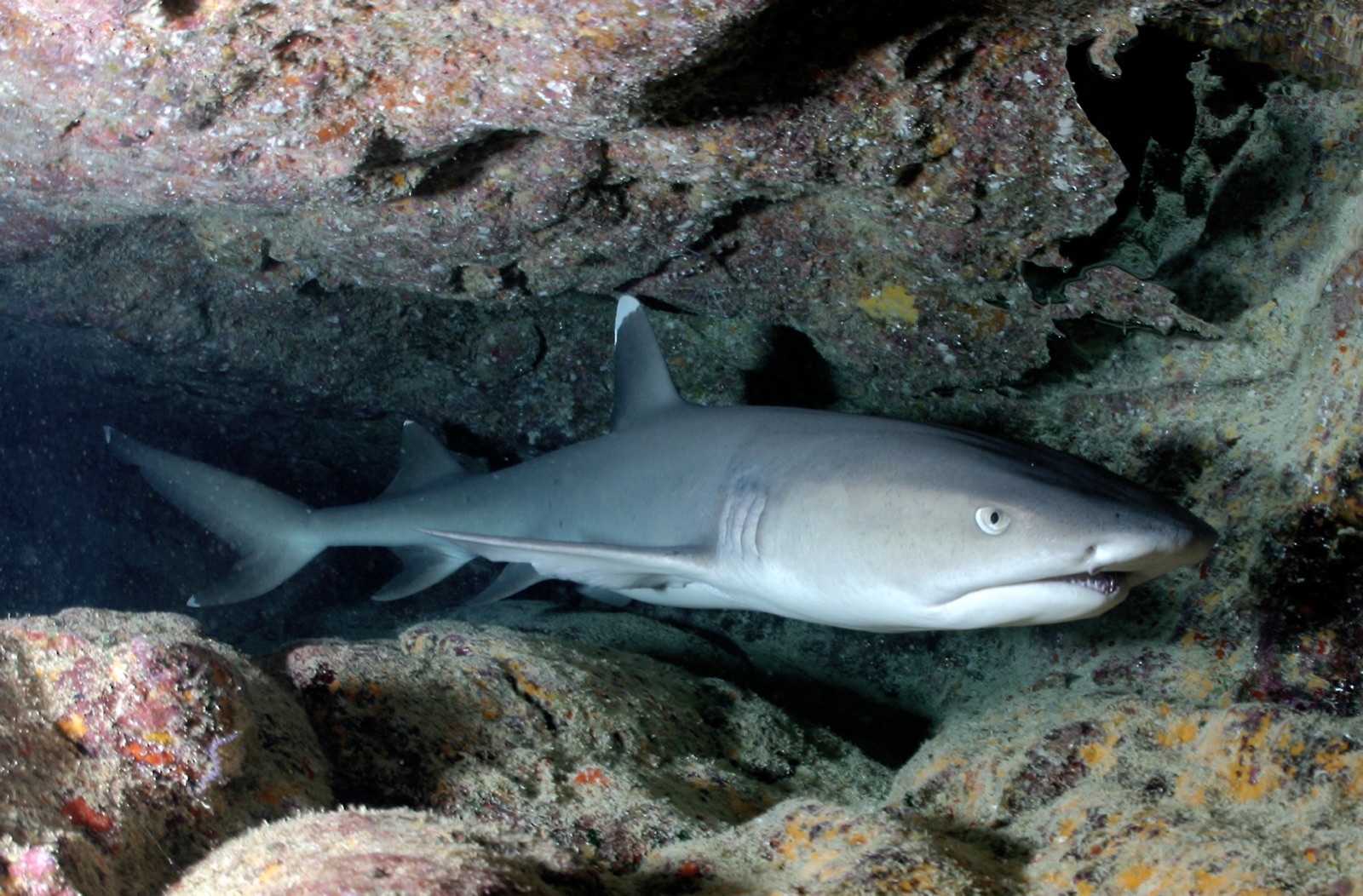
Whitetip Reef Shark
"Charted here" species were listed by our editors from the sources on this page. Counts are GBIF occurrence records: observations logged within about 5 km of the charted position since 1990, matched only against the species in our catalogue. They show what has been seen there, not a promise of what you will see.