Isla Mujeres & Cancún
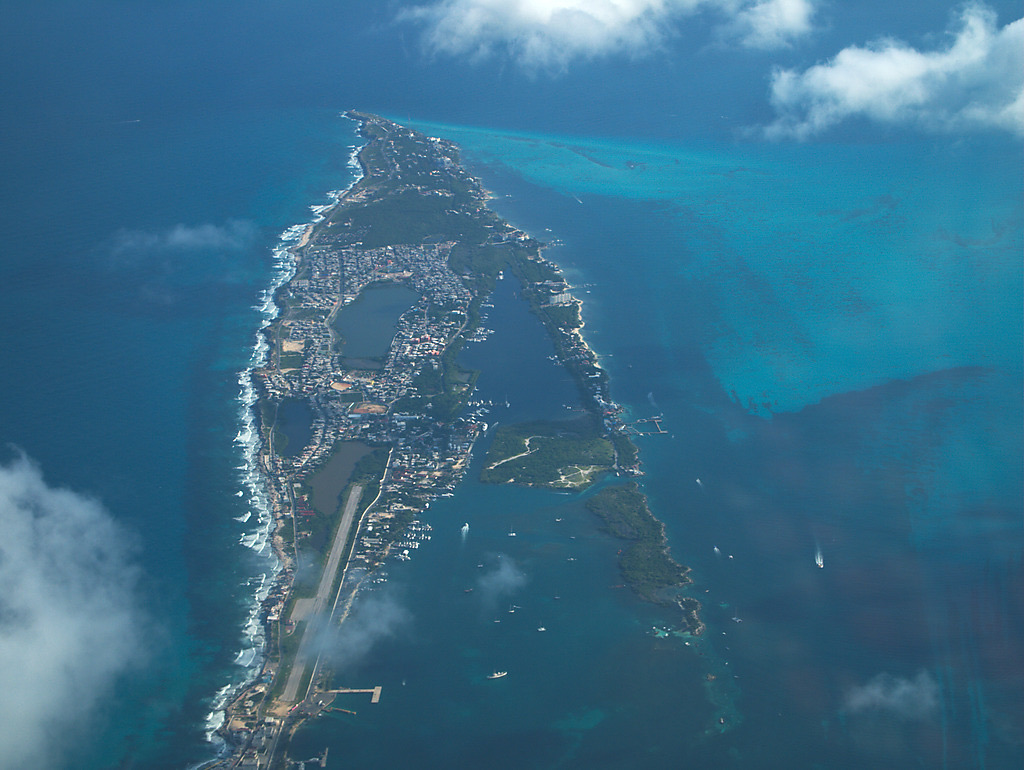
Isla Mujeres pairs easygoing Caribbean reef diving with one of the ocean's great seasonal events: each summer, whale sharks gather by the dozen (on the best days by the hundred) in plankton-rich water north of the island. Add the MUSA underwater sculpture museum, a broken navy wreck swept by eagle rays, and the cave that made sleeping sharks famous, and this small ferry island outgrows its day-trip reputation.
Why dive here
From June into September, licensed pangas run north to the Afuera, where whale sharks skim fish spawn off the surface in numbers no other site reliably matches: a published aerial survey once counted around 420 animals in a single day. The rules are strict: snorkel only, a couple of guests in the water at a time, no touching. The diving proper stays relaxed and shallow. At Manchones, MUSA's cast human figures have grown coral coats since installation began in 2009, while the current-swept C-58 wreck to the north collects spotted eagle rays in winter. Historians can drop into the Cave of the Sleeping Sharks, where Ramon Bravo and Eugenie Clark documented reef sharks resting in upwelling water in the 1970s. Sightings are no longer dependable, and honest operators say so. Sailfish herding baitballs offshore give winter its own headline act.
Month by month
Whale shark season runs June to mid-September, peaking July–August. December through March brings sailfish offshore and the driest reef diving; September and October carry the highest hurricane risk.
| Month | Water | Visibility | What it's like |
|---|---|---|---|
| January●●●●○ | 25–27 °C / 77–81 °F | 15–30 m | Dry season; sailfish trips offshore. |
| February●●●●○ | 25–27 °C / 77–81 °F | 15–30 m | Settled seas, good visibility. |
| March●●●●○ | 25–27 °C / 77–81 °F | 15–30 m | Warm, dry, quiet reefs. |
| April●●●●○ | 26–28 °C / 79–82 °F | 15–30 m | Seas flatten; water warming. |
| May●●●●○ | 27–29 °C / 81–84 °F | 15–30 m | Hot; aggregation season approaches. |
| June●●●●● | 27–29 °C / 81–84 °F | 15–30 m | Whale sharks arrive in force. |
| July●●●●● | 28–30 °C / 82–86 °F | 15–30 m | Peak aggregation weeks. |
| August●●●●● | 28–30 °C / 82–86 °F | 15–30 m | Peak whale sharks; hot and humid. |
| September●●●○○ | 28–30 °C / 82–86 °F | 10–25 m | Sharks disperse; storm risk peaks. |
| October●●●○○ | 27–29 °C / 81–84 °F | 10–25 m | Hurricane tail; rainier weeks. |
| November●●●●○ | 26–28 °C / 79–82 °F | 15–30 m | Drying; first nortes blow. |
| December●●●●○ | 25–27 °C / 77–81 °F | 15–30 m | Holiday season; fresh north winds. |
Monthly figures confidence: Documented. Months without a row have no verified data. We would rather show a gap than invent one.
The dive sites (6)
| Site | Type | Depth | Level | Access | |
|---|---|---|---|---|---|
| C-58 General Anaya Winter eagle-ray squadrons, broken-hull swim-bys, big morays, honest… | Wreck | 18–26 m | Advanced | Boat | |
| Cave of the Sleeping Sharks A landmark of shark-behavior history, cavern ledges, possible resting nurse… | Reef | 15–21 m | Advanced | Boat | |
| El Frio (Ultrafreeze) Big groupers on an old freezer ship, cool offshore atmosphere, uncrowded… | Wreck | 25–30 m | Advanced | Boat | |
| MUSA, Manchones The coral-crusted crowd of statues, easy depth, turtles in the seagrass… | Artificial reef | 6–10 m | Beginner | Boat | |
| MUSA, Punta Nizuc Snorkel-depth sculptures, family-friendly museum visit, fish shelters… | Artificial reef | 2–4 m | Beginner | Boat | |
| The Afuera The world's largest documented whale-shark aggregation, surface feeding… | Blue water | — | Beginner | Boat |
Marine life you can plan around
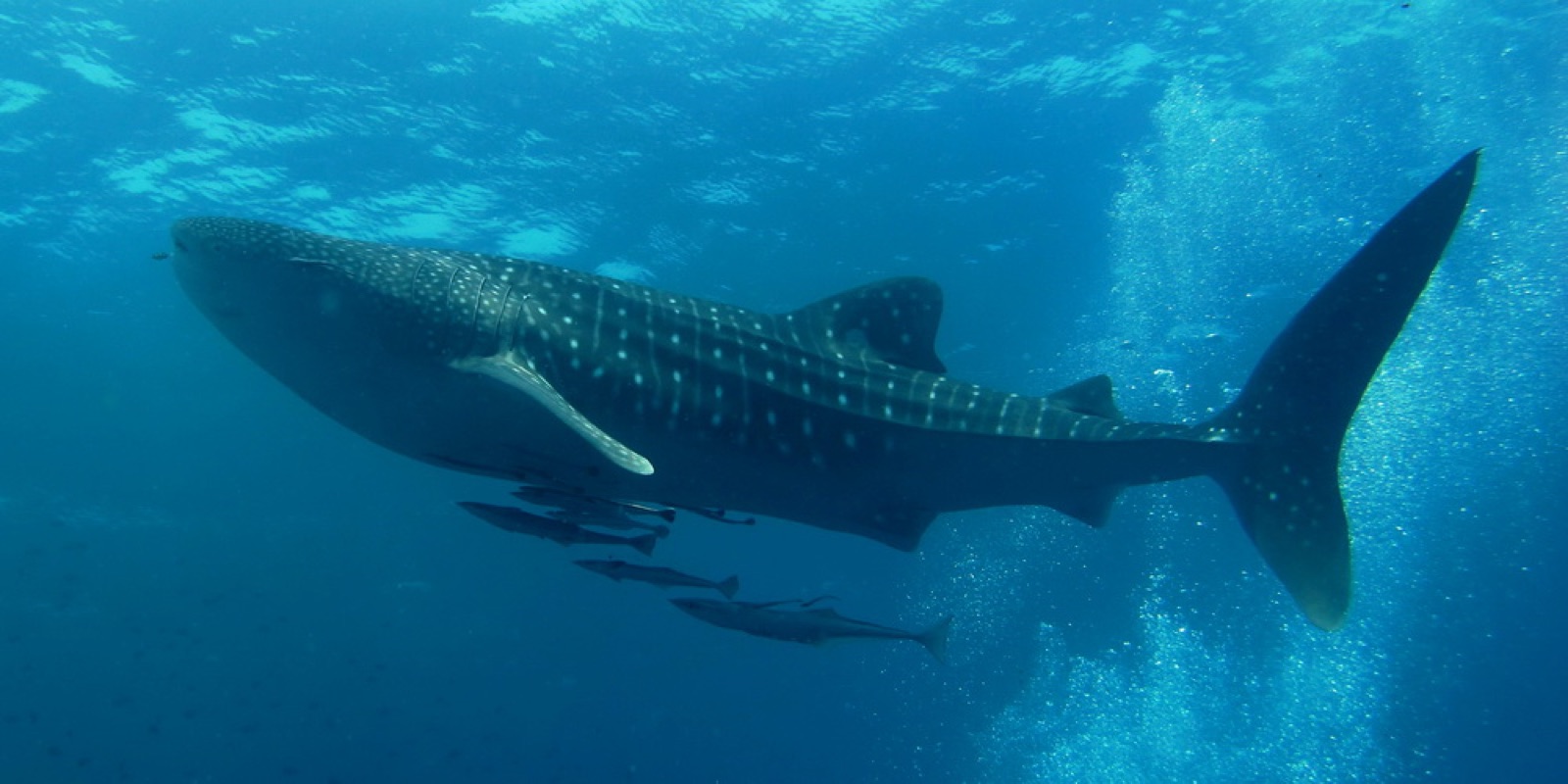
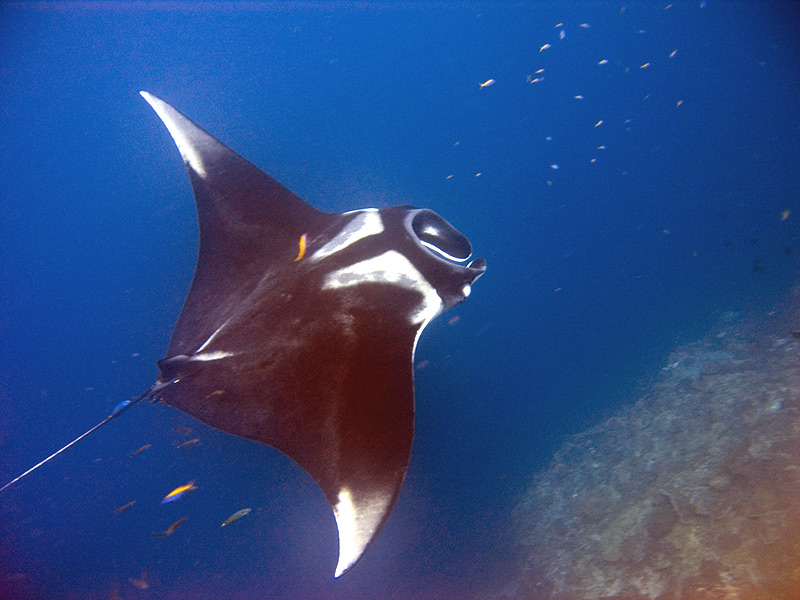
Summer belongs to whale sharks and the oceanic mantas that crash the same plankton buffet. Winter reefs hold spotted eagle rays, nurse sharks, green turtles, and barracuda, while sailfish work sardine balls in open water.
Getting there & staying
Getting there: Fly to Cancun, taxi to Puerto Juarez, and ride the 20-minute passenger ferry. Dive shops cluster in the walkable grid at the island's north end.
Where to stay: Base near Playa Norte for walk-everywhere ease; a Cancun hotel-zone night works before early whale-shark departures.
Costs: Reef two-tanks are moderately priced; the regulated whale-shark snorkel trip is a separate ticket, typically US$125–200 including the park bracelet.
Between dives: Punta Sur's cliff walk and Ixchel temple ruin, golf-cart laps of the island, Playa Norte's shallows, and boat tours to the Isla Contoy bird sanctuary.
Safety & practicalities
Hazards: Current over the C-58 can run hard, and summer boat traffic above the whale-shark aggregation is heavy: propellers are the real open-water hazard there.
Book whale-shark trips only with licensed operators and follow the in-water rules; they protect the animals and you. Save the C-58 for divers comfortable in current.
Nearest recompression: Hyperbaric facilities operate in the Cancun area; confirm current access through your operator and DAN.