Arctic Norway
Arctic Norway sells two different adventures honestly labeled: winter expeditions to snorkel, not scuba, beside orcas and humpbacks hunting herring inside the polar night, and cold-water scuba the rest of the year on kelp walls, WWII wrecks off Narvik and the roaring tidal gate of Saltstraumen. Everything is drysuit work in 3–14 °C water, run expedition-style from small boats in serious weather.
Why dive here
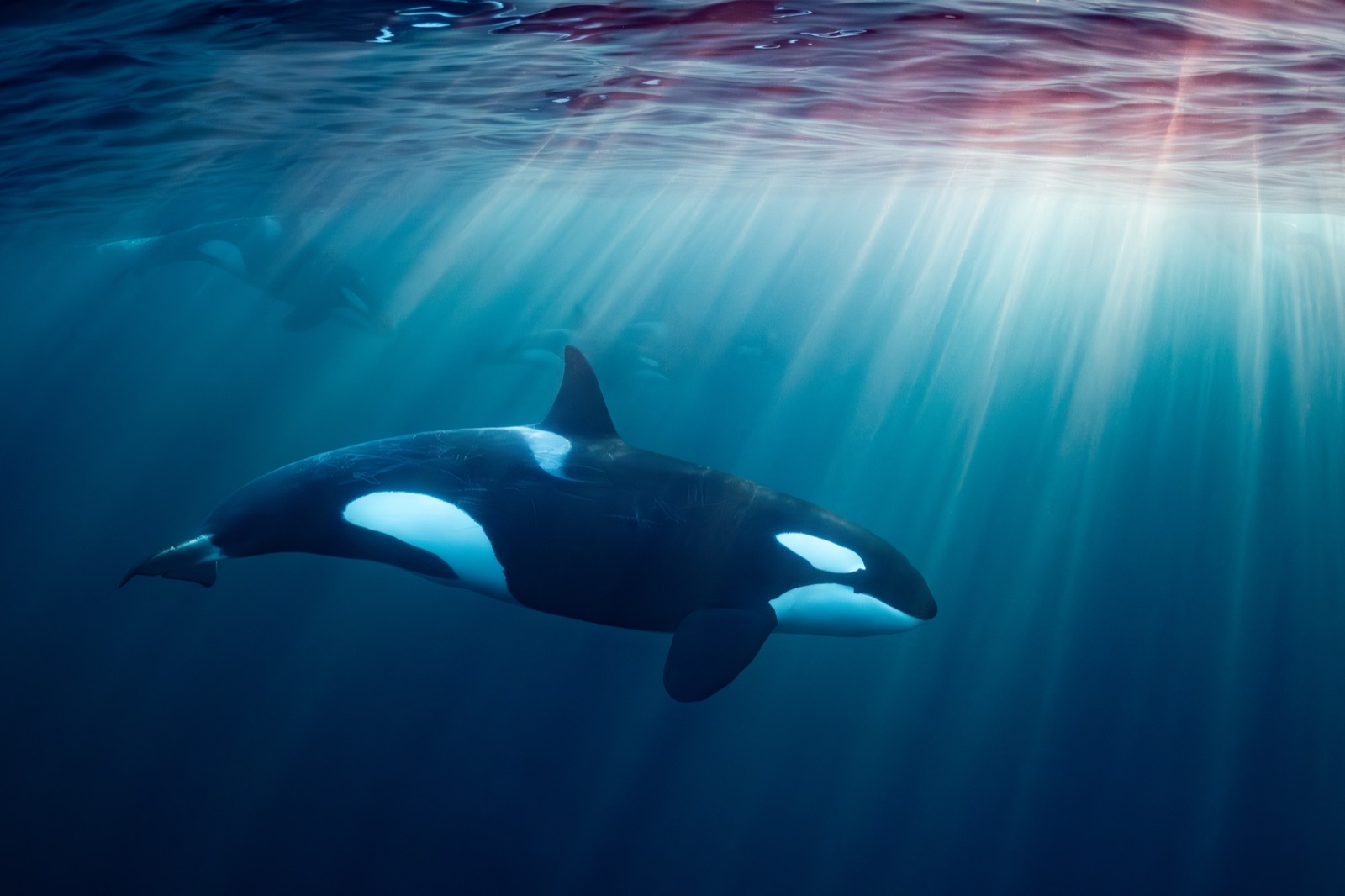
From roughly November to January, Norwegian herring overwinter in the fjords of the far north (in recent years around Skjervoy and the Kvaenangen fjord system), and orcas and humpbacks follow them in numbers nowhere else in Europe approaches. Encounters are surface-based: guided drysuit snorkelers slip quietly from RIBs into near-freezing water and watch carousel-feeding orcas work bait balls in twilight, since scuba bubbles and chase tactics are counterproductive and operators do not use them. It is expedition wildlife-watching in hard conditions, with sightings likely but never owed, and the whales' location shifting season to season with the fish. Scuba divers get their own headline acts: Saltstraumen near Bodo, where one of the world's strongest tidal currents feeds walls of anemones and fish on slack-window drift dives, and the Narvik fjords, where destroyers from the April 1940 battles rest in cold, dark water. Add kelp forests, wolffish and king crab in the north, and Norway rewards divers who treat cold as a price worth paying.
Month by month
Orca and humpback expeditions run roughly November–January while the herring hold in the fjords; the exact area moves between seasons. General cold-water diving is best in the drier, brighter months from about May to September, with winter offering the darkest water but the big-animal show.
| Month | Water | Visibility | What it's like |
|---|---|---|---|
| January●●●●○ | 3–6 °C / 37–43 °F | 10–25 m | Late orca season in near-darkness; hard weather, strong sightings some years. |
| February●●○○○ | 2–5 °C / 36–41 °F | 10–30 m | Whales usually dispersing; cold clear water for hardy divers. |
| March●●○○○ | 2–5 °C / 36–41 °F | 10–30 m | |
| April●●○○○ | 3–6 °C / 37–43 °F | 8–20 m | |
| May●●●○○ | 5–8 °C / 41–46 °F | 8–20 m | |
| June●●●○○ | 7–10 °C / 45–50 °F | 5–15 m | Midnight sun; plankton can soften visibility. |
| July●●●○○ | 9–13 °C / 48–55 °F | 5–15 m | |
| August●●●○○ | 10–14 °C / 50–57 °F | 5–15 m | |
| September●●●○○ | 9–12 °C / 48–54 °F | 8–20 m | |
| October●●●○○ | 7–10 °C / 45–50 °F | 10–25 m | Water clears as it cools; whales not yet reliable. |
| November●●●●● | 5–8 °C / 41–46 °F | 10–25 m | Orca and humpback season typically opens in the northern fjords. |
| December●●●●● | 4–6 °C / 39–43 °F | 10–25 m | Peak whale weeks around the polar night; expect twilight sessions. |
Monthly figures confidence: Editorial estimate. Months without a row have no verified data. We would rather show a gap than invent one.
The dive sites (3)
| Site | Type | Depth | Level | Access | |
|---|---|---|---|---|---|
| Georg Thiele April 1940 battle history, wreckage on a dramatic fjord slope, uncrowded… | Wreck | — | Advanced | Boat | |
| Saltstraumen World-class current-fed walls, wolffish encounters, winter visibility in an… | Channel | 5–30 m | Advanced | Shore | |
| Skjervoy Orca Grounds Carousel-feeding orcas, lunge-feeding humpbacks, polar-night light: from… | Blue water | 0–5 m | Advanced | Boat |
Marine life you can plan around
Humpback Whale
Orca (Killer Whale)
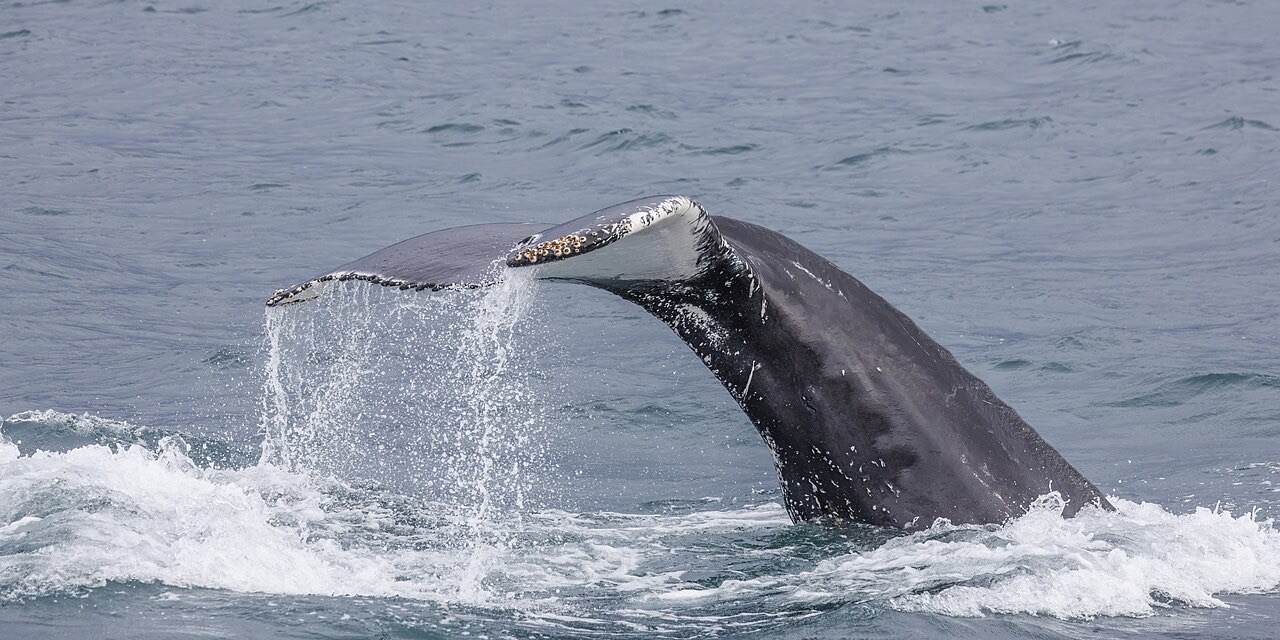
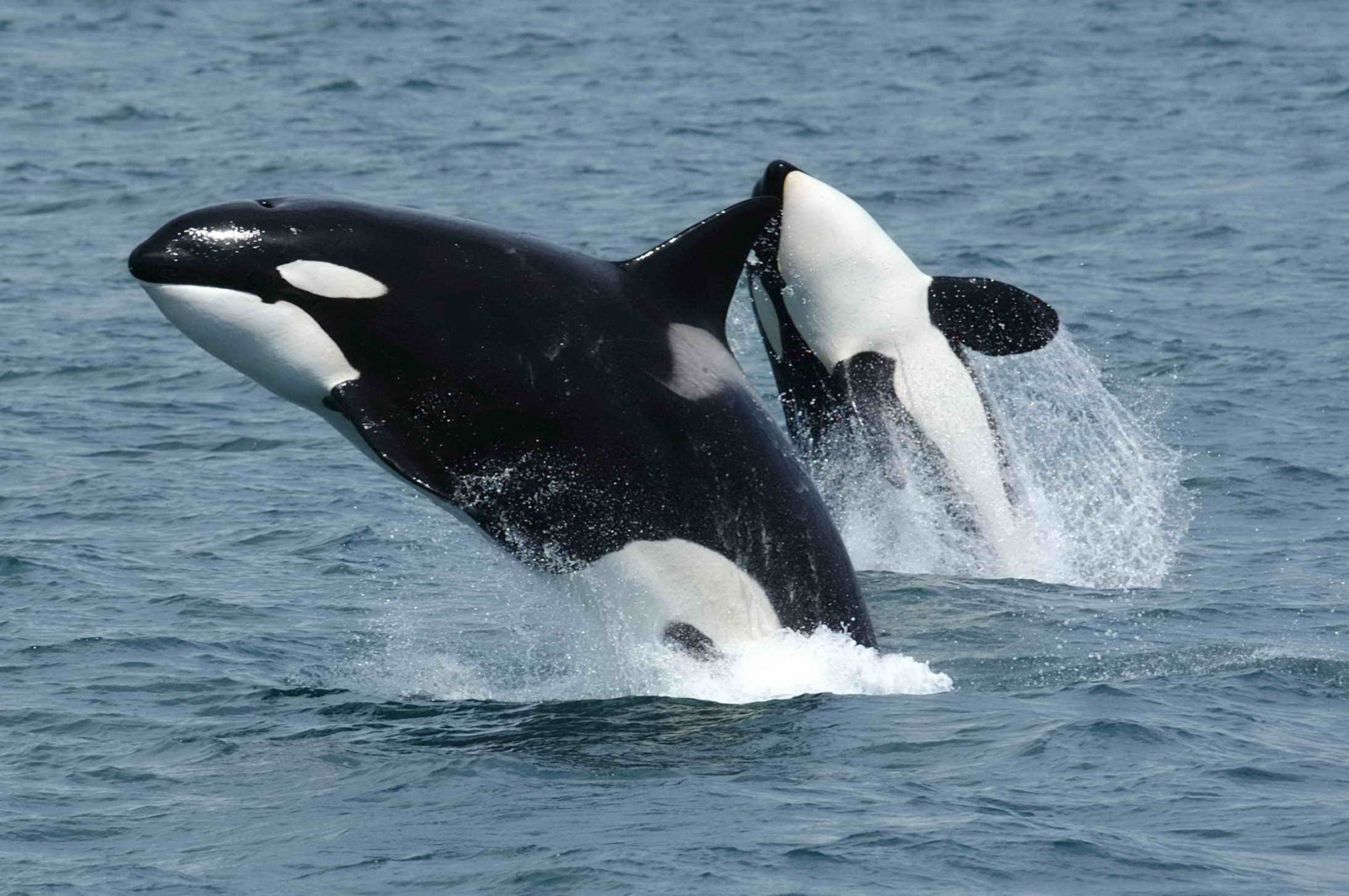
Orcas and humpback whales on the winter herring, with fin whales possible; year-round cold-water life includes Atlantic wolffish, giant kelp forests, dense anemone walls, cod and coalfish schools, king crab in the far north, and seals around the skerries.
Getting there & staying
Getting there: Fly to northern Norway via Oslo. Whale operators stage from Tromso, Skjervoy or liveaboards positioned with the herring; Saltstraumen is a short drive from Bodo; Narvik diving is organized through specialist cold-water operators.
Where to stay: Book whale trips as packages (lodge-plus-RIB or liveaboard), since independent logistics inside the polar night are impractical. For Saltstraumen, Bodo or the camp at the strait itself.
Costs: Whale expeditions are sold as multi-day liveaboard or lodge packages rather than per-dive; scuba day rates in the north vary widely. No reliable standard two-tank price to quote.
Between dives: Aurora borealis on clear winter nights, dog sledding, the Lofoten and Senja landscapes, Narvik's war museum, and midnight-sun hiking in summer.
Safety & practicalities
Hazards: Near-freezing water, polar-night darkness, fast-changing Arctic weather and sea state, powerful tidal currents at Saltstraumen, and long distances from support. Whale encounters involve large wild predators on their own terms.
Whale snorkeling is guided, surface-based and strictly no-touch, no-chase; follow spotter and guide instructions absolutely. Scuba here demands cold-water regulators, drysuit competence and conservative planning; Saltstraumen is dived only on slack with local guides who know the tide tables cold.
Nearest recompression: Hyperbaric and dive-medicine capability in northern Norway is organized through the university-hospital system; availability changes, so confirm arrangements with your operator. Emergencies go through 113 and DAN Europe.