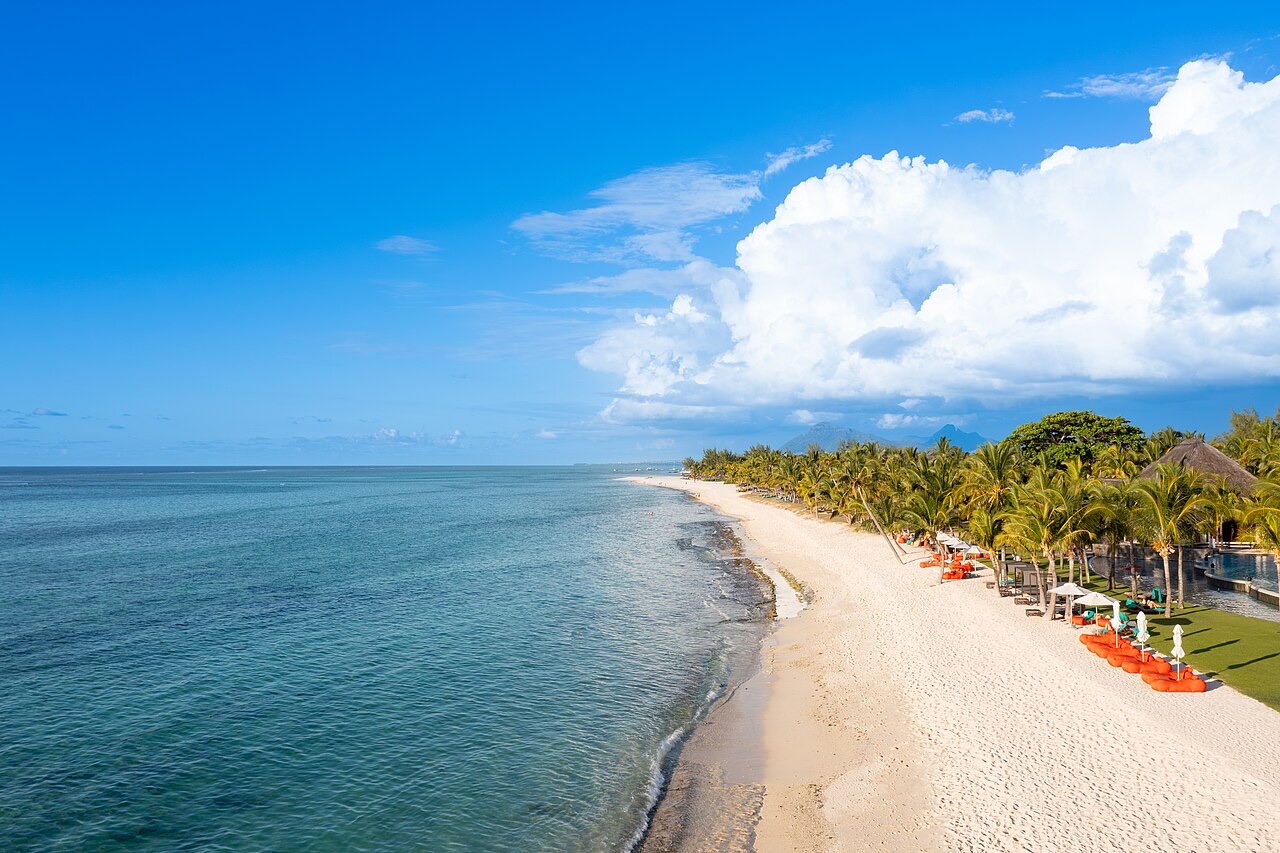
Mauritius
Mauritius rings a volcanic interior with lagoon after lagoon, and the diving happens where those lagoons drain: passes, outer slopes, and a set of deliberately sunk wrecks. Flic en Flac's Cathedral cavern, the scorpionfish-carpeted Rempart Serpent, and the trawler wrecks off Trou aux Biches anchor the west and north coasts. It is a comfortable, family-friendly dive destination rather than a big-animal one, with humpbacks passing in austral winter.
Why dive here
The west coast between Flic en Flac and Le Morne holds the marquee terrain: the Cathedral, a cavern and arch cut into the fringing slope where shafts of light drop onto soldierfish and lobster, and Rempart Serpent, a low rubble ridge with one of the densest concentrations of scorpionfish, stonefish, and morays you will find anywhere, a macro dive that rewards slow, careful eyes. The north adds structure by scuttling: the Stella Maru off Trou aux Biches and the Djabeda near the dramatic islet of Coin de Mire both sit upright at recreational-to-deep-recreational depths, well colonized and easy to circle. Lagoon shallows suit training and snorkeling, while passes such as St Jacques in the south run proper drift dives when the tide moves. Mauritius pairs all of it with direct long-haul flights, good-value resorts, and enough topside (Chamarel, Black River Gorges, street food in Port Louis) to fill a two-week trip where diving is the anchor, not the whole itinerary.
Month by month
October-December and March-May bracket the best mix of calm seas and warm water. January-February carry cyclone risk; June-September is cooler and windier, favoring the sheltered west coast, with humpback whales offshore.
| Month | Water | Visibility | What it's like |
|---|---|---|---|
| January●●●●○ | 27–29 °C / 81–84 °F | 15–30 m | Hot and humid; cyclone watch between glassy spells. |
| February●●●○○ | 27–29 °C / 81–84 °F | 15–30 m | Peak cyclone-risk month; operators work around systems. |
| March●●●●○ | 27–29 °C / 81–84 °F | 15–30 m | Late summer; weather settles. |
| April●●●●● | 26–28 °C / 79–82 °F | 15–30 m | Calm, warm, clear: a favorite month. |
| May●●●●○ | 24–27 °C / 75–81 °F | 15–25 m | Cooling; still consistently pleasant. |
| June●●●○○ | 23–25 °C / 73–77 °F | 10–20 m | Winter trades; south and east coasts exposed. |
| July●●●○○ | 22–25 °C / 72–77 °F | 10–20 m | Coolest water; the west coast keeps diving. |
| August●●●○○ | 22–25 °C / 72–77 °F | 10–20 m | Windy; humpbacks offshore. |
| September●●●●○ | 23–26 °C / 73–79 °F | 10–25 m | Trades ease; whales still passing. |
| October●●●●● | 24–27 °C / 75–81 °F | 15–30 m | Spring calm; excellent all-around conditions. |
| November●●●●● | 25–28 °C / 77–82 °F | 15–30 m | Warm and clear before summer heat. |
| December●●●●○ | 26–29 °C / 79–84 °F | 15–30 m | Early summer; building warmth and humidity. |
Monthly figures confidence: Documented. Months without a row have no verified data. We would rather show a gap than invent one.
The dive sites (5)
| Site | Type | Depth | Level | Access | |
|---|---|---|---|---|---|
| Djabeda Whole-ship silhouette in clear water; eagle rays and barracuda overhead | Wreck | 22–34 m | Advanced | Boat | |
| Passe St Jacques Fast incoming-tide drift; eagle rays and jack schools riding the pass | Channel | 12–30 m | Advanced | Boat | |
| Rempart Serpent Extraordinary density of scorpionfish, stonefish, and morays on one small… | Muck | 18–26 m | Intermediate | Boat | |
| Stella Maru Intact, easy-to-read trawler; resident morays at every opening | Wreck | 18–26 m | Intermediate | Boat | |
| The Cathedral Light beams inside the cavern; lobster-packed crevices; sculpted wall… | Wall | 15–30 m | Advanced | Boat |
Marine life you can plan around
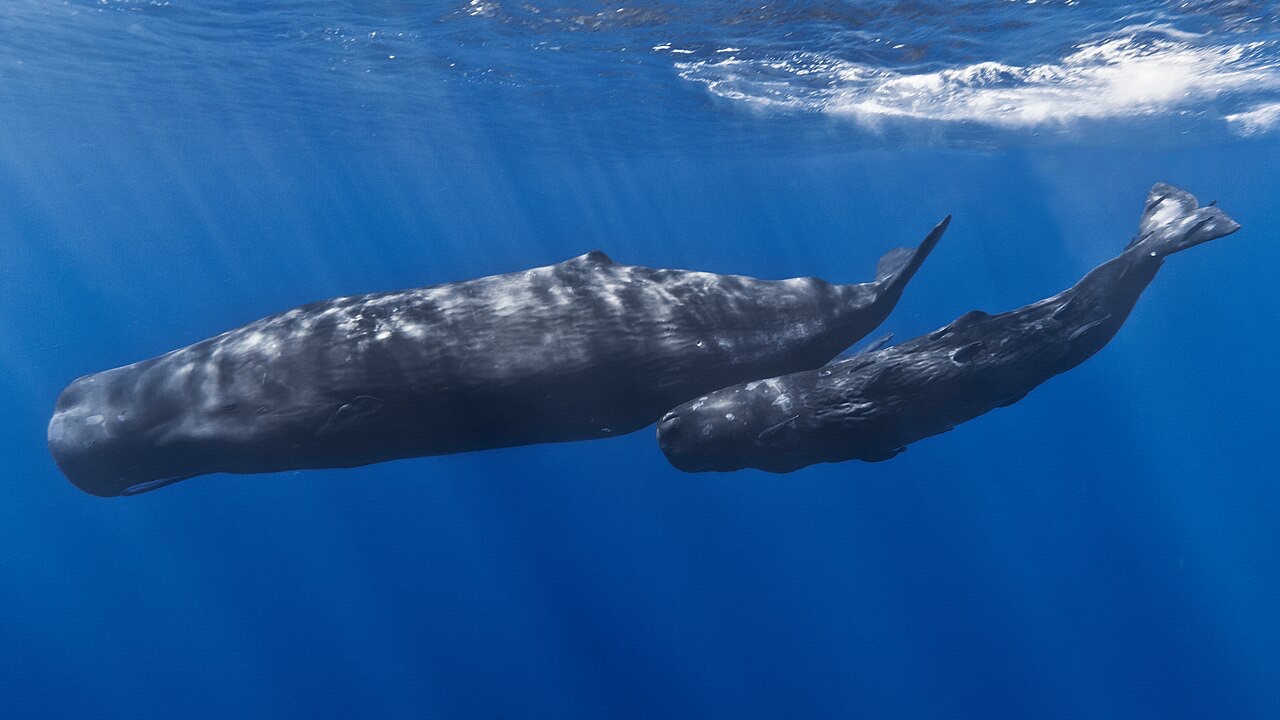
Scorpionfish and stonefish in unusual density, morays, octopus, lionfish, spotted eagle rays and barracuda at the passes, turtles on the outer slopes, and humpback whales passing June-October.
Getting there & staying
Getting there: Direct flights arrive from Europe, Africa, Asia, and Australia; drive times from the airport run about an hour to Flic en Flac and 1.5 hours to the north-coast dive hubs.
Where to stay: Flic en Flac and Tamarin serve the west-coast sites; Trou aux Biches, Pereybère, and Grand Baie serve the north. Apartments and aparthotels are plentiful alongside the resorts.
Costs: Diving is mid-priced for the Indian Ocean; hotel dive centers charge more than independent operators in Flic en Flac and Trou aux Biches.
Between dives: Black River Gorges hiking, the Chamarel coffee and rum region, Port Louis markets, kitesurfing at Le Morne, and whale-watching in season.
Snorkeling: Lagoons at Blue Bay, Trou aux Biches, and Le Morne offer easy, shallow snorkeling in mostly calm water.
Safety & practicalities
Hazards: Cyclone swells in late summer, surge in caverns and on shallow ridges, boat traffic inside busy lagoon passes, and abundant well-camouflaged stonefish. Control your buoyancy and your hands.
Wear full exposure protection and watch where you settle; stonefish envenomation is a real local risk. Deeper wrecks such as the Djabeda warrant advanced certification and a conservative profile.
Nearest recompression: Hyperbaric provision on the island has varied over the years. Confirm current arrangements with your operator; emergencies go through local EMS and DAN.