Scapa Flow
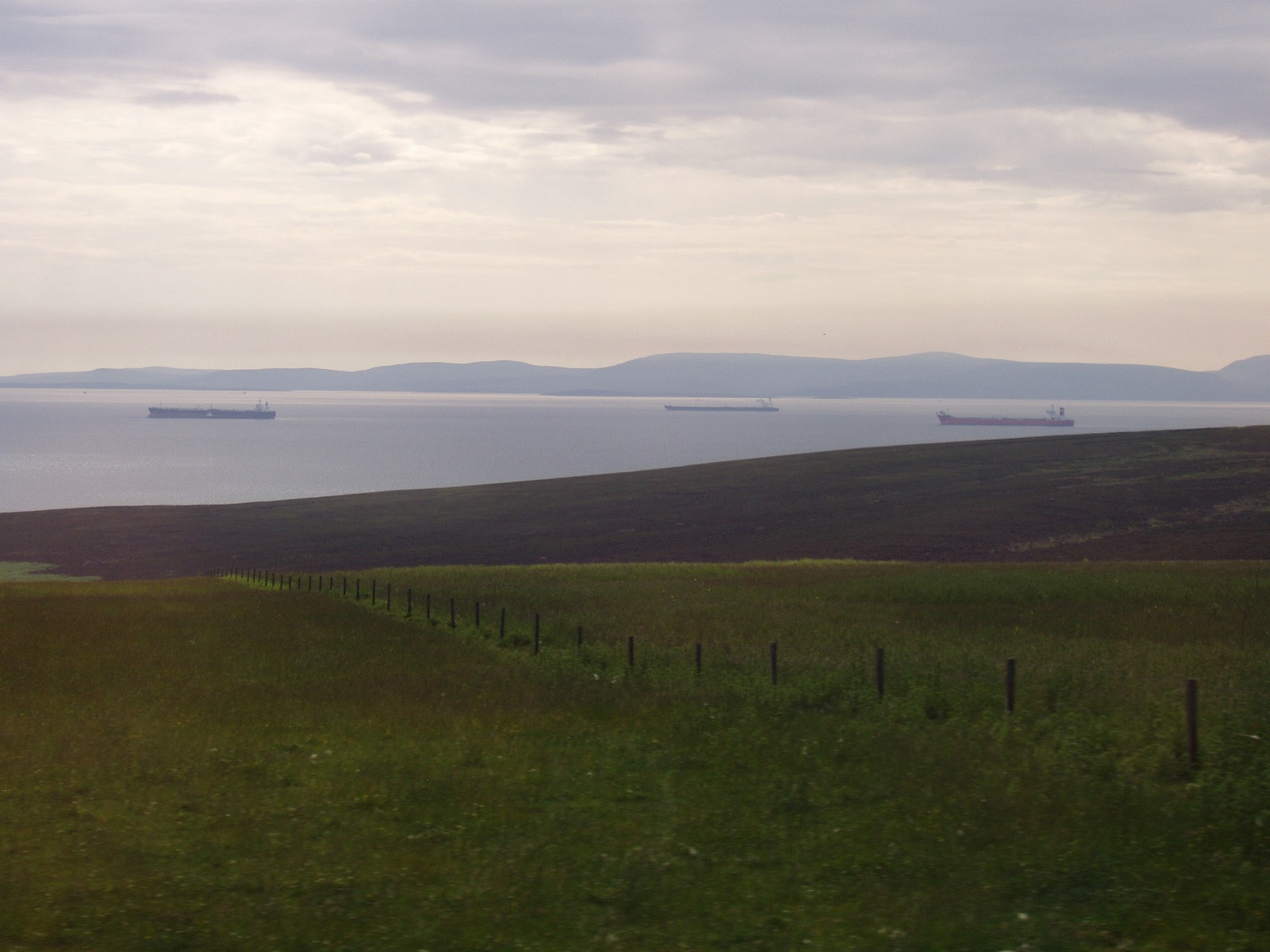
Scapa Flow, the great natural anchorage in Scotland's Orkney Islands, holds the remains of the German High Seas Fleet, scuttled by its own crews on 21 June 1919. Three battleships and four light cruisers still lie in 25–45 m of cold green water, making this the finest concentration of big-ship wreck diving in Europe. Day boats and liveaboards work out of Stromness roughly April through October.
Why dive here
Nowhere else can a diver descend onto a dreadnought battleship. After the Armistice, 74 interned German warships swung at anchor in Scapa Flow until Rear Admiral von Reuter ordered them scuttled to keep them from Allied hands; most were salvaged between the wars, but the battleships Konig, Kronprinz Wilhelm and Markgraf and the cruisers Brummer, Dresden, Coln and Karlsruhe were left to the sea. A century on they are reefs of armor plate and gun turrets, patrolled by pollack, wrasse and seals, their scale still legible in the gloom: a 25,000-tonne hull emerging from green water is something no artificial reef reproduces. The wrecks are scheduled monuments dived on a look-don't-touch basis, and the story runs deeper than 1919: HMS Royal Oak, torpedoed in 1939 with the loss of 835 men, rests here as a designated war grave closed to divers. Add blockships in the tidal sounds, a dive-savvy harbor town, and Orkney's Neolithic sites for surface intervals, and Scapa justifies its pilgrimage status.
Month by month
Charter season runs roughly April–October; May–June and September are favorites for the balance of light, sea state and visibility. Winter diving happens but schedules thin out and weather rules.
| Month | Water | Visibility | What it's like |
|---|---|---|---|
| January●●○○○ | 6–8 °C / 43–46 °F | 8–15 m | Cold and often clear, but weather cancels freely and few boats run. |
| February●●○○○ | 6–7 °C / 43–45 °F | 8–15 m | |
| March●●○○○ | 6–8 °C / 43–46 °F | 8–15 m | |
| April●●●●○ | 7–9 °C / 45–48 °F | 6–12 m | Season opens; good clarity before the plankton bloom peaks. |
| May●●●●● | 8–10 °C / 46–50 °F | 5–12 m | |
| June●●●●○ | 10–12 °C / 50–54 °F | 5–10 m | Long daylight; bloom can soften visibility. |
| July●●●●○ | 12–13 °C / 54–55 °F | 5–10 m | |
| August●●●●○ | 12–14 °C / 54–57 °F | 5–12 m | |
| September●●●●● | 12–14 °C / 54–57 °F | 6–12 m | Warmest water of the year and settled spells; a favorite month. |
| October●●●○○ | 10–12 °C / 50–54 °F | 6–12 m | |
| November●●○○○ | 9–11 °C / 48–52 °F | 8–15 m | |
| December●●○○○ | 7–9 °C / 45–48 °F | 8–15 m |
Monthly figures confidence: Editorial estimate. Months without a row have no verified data. We would rather show a gap than invent one.
The dive sites (6)
| Site | Type | Depth | Level | Access | |
|---|---|---|---|---|---|
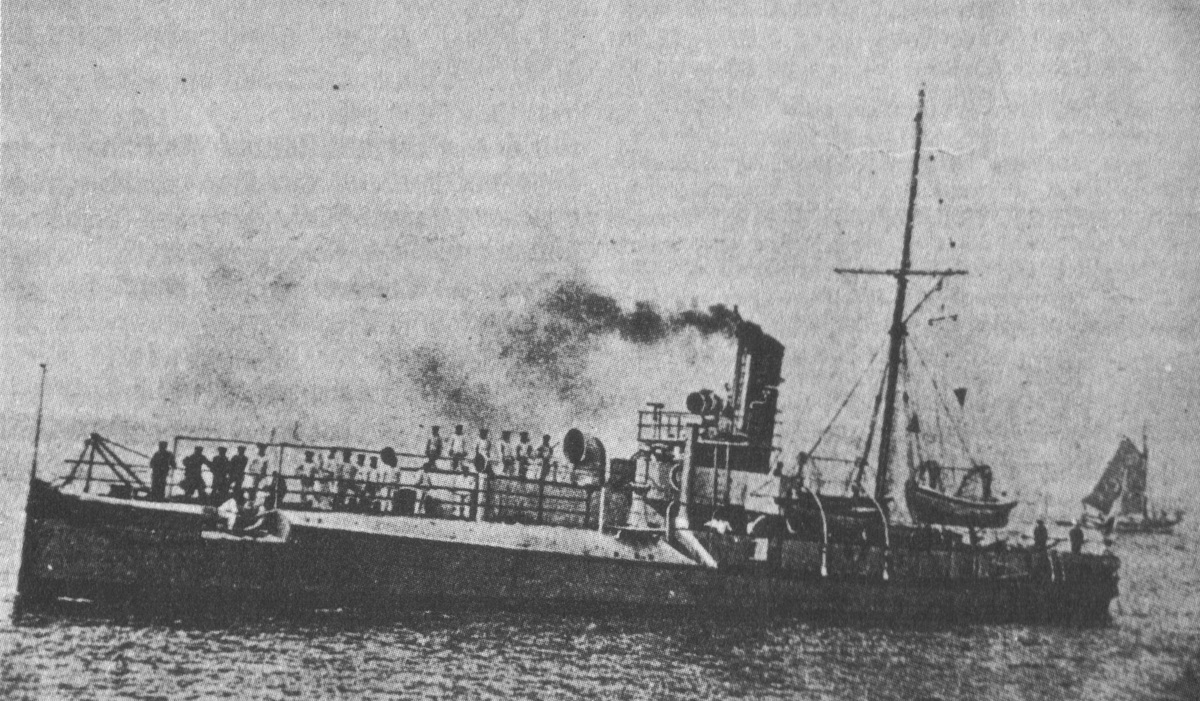
| SMS Brummer Raider history, elegant cruiser bow, a visible lesson in how wrecks age | Wreck | 20–36 m | Advanced | Boat | |
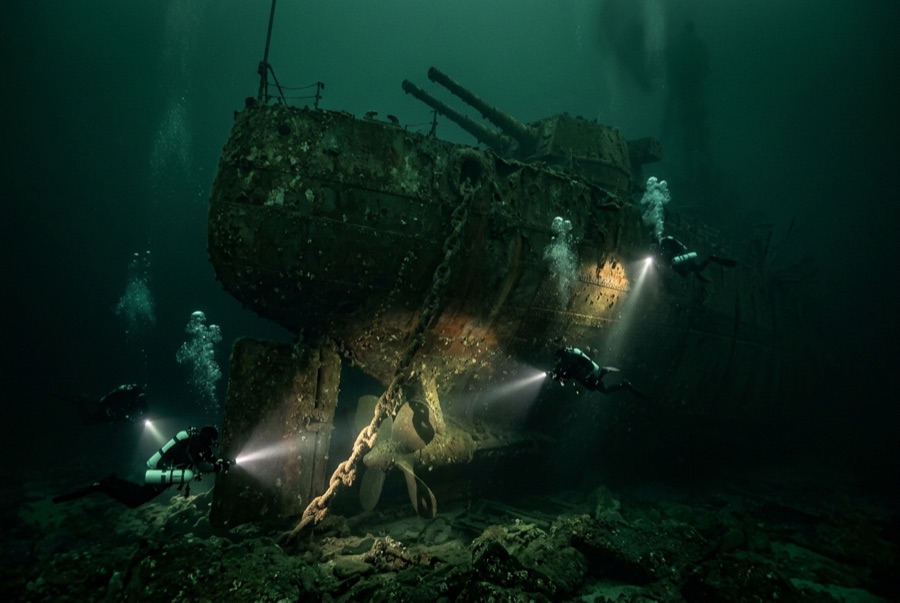
| SMS Coln Near-complete WWI cruiser, bow-to-stern swim, deck fittings still in place | Wreck | 20–36 m | Advanced | Boat | |
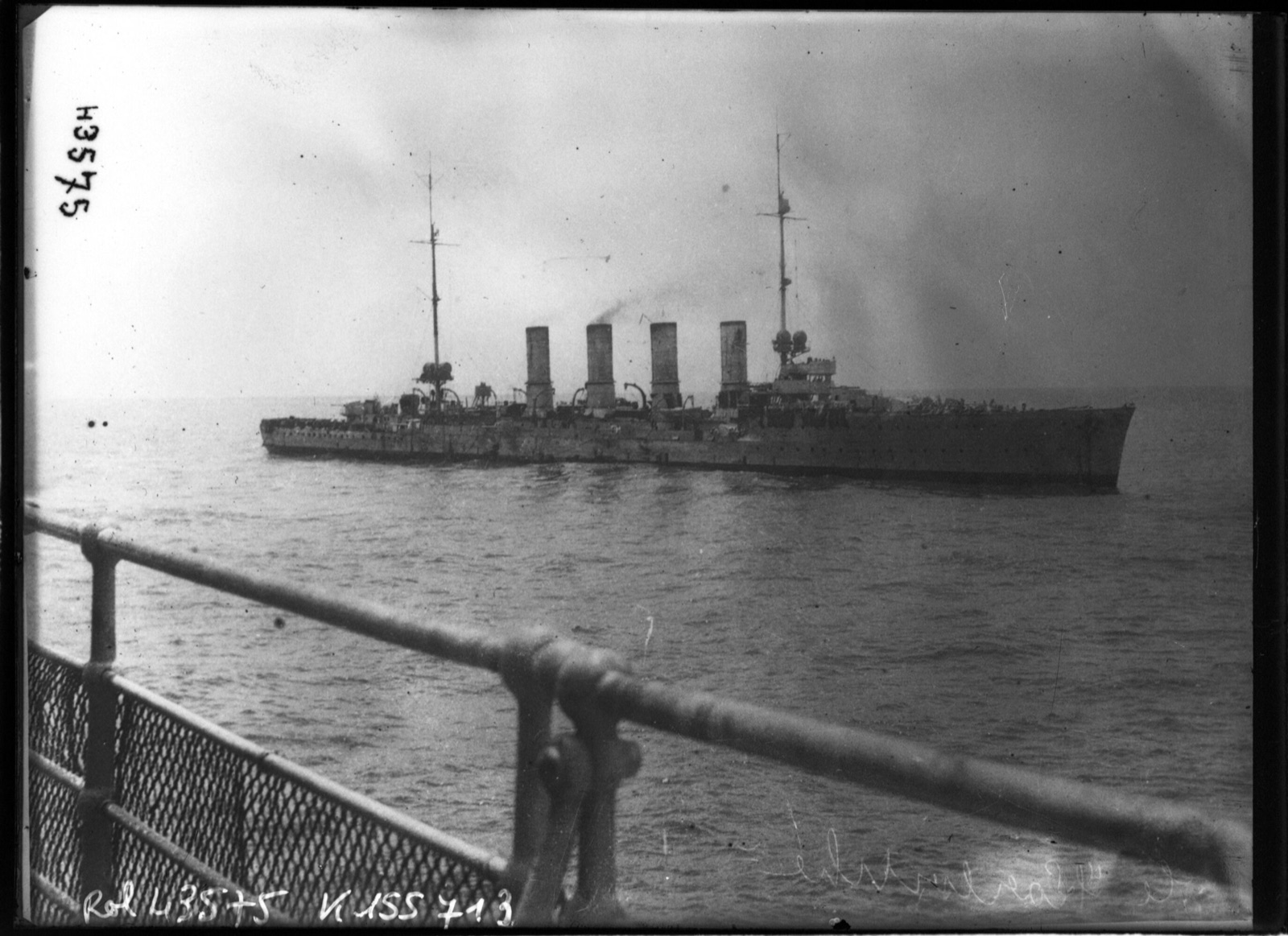
| SMS Karlsruhe Readable cruiser layout, best light of the German wrecks, gentle depths for… | Wreck | 14–27 m | Intermediate | Boat | |
| SMS Kronprinz Wilhelm Main-battery turrets visible at the seabed, manageable battleship depths… | Wreck | 20–38 m | Advanced | Boat | |
| SMS Markgraf Dreadnought scale in the gloom, casemate guns along the hull side, the… | Wreck | 24–45 m | Technical | Boat | |
| Tabarka Light shafts inside an upturned hull, anemone-carpeted steel, seal cameos… | Wreck | 10–18 m | Intermediate | Boat |
Wrecks here
SMS Brummer
SMS Cöln
SMS Karlsruhe
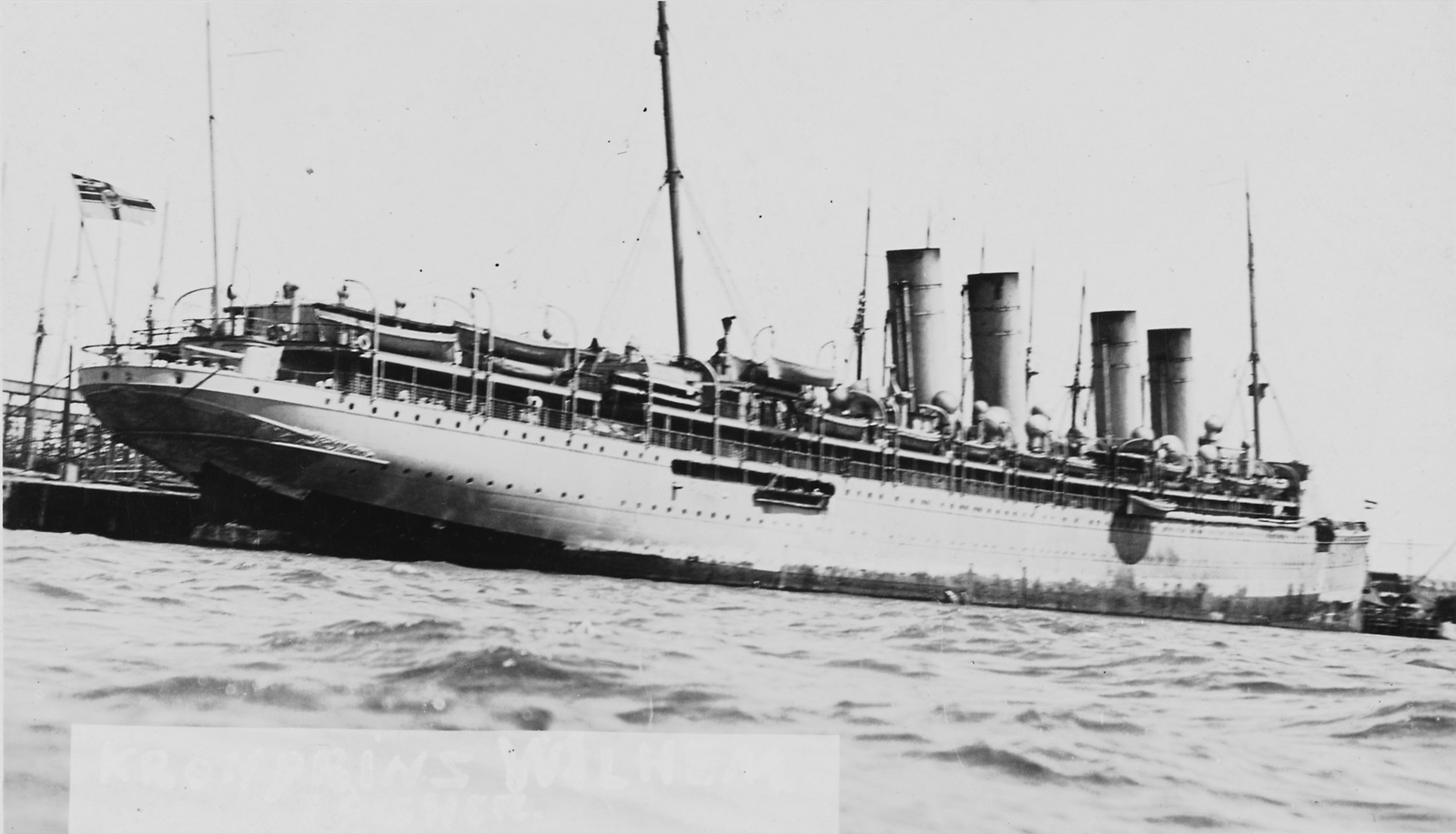
SMS Kronprinz Wilhelm
SMS Markgraf
Getting there & staying
Getting there: Fly or ferry to Orkney, then base in Stromness, where the dive fleet moors a few minutes' walk from accommodation. Most boats load once for the week and dive two tanks a day around the Flow.
Where to stay: Stromness is the diving hub, with guesthouses and pubs used to divers and drying rooms as standard; Kirkwall offers more choice at the cost of a short drive.
Costs: Editorial estimate; most divers book week-long charters (day boat or liveaboard) priced per week rather than per dive, plus gas fills: nitrox and trimix are widely available.
Between dives: Skara Brae, the Ring of Brodgar and Maeshowe (a UNESCO Neolithic ensemble), the Italian Chapel, the Scapa Flow Museum at Lyness, distilleries, and sea cliffs full of birdlife.
Safety & practicalities
Hazards: Depth, cold, dark interiors and low ambient light; tides run hard in the sounds even though the central Flow is sheltered. The battleships lie inverted with confusing orientation.
This is drysuit, torch and redundancy territory. Dive the deeper battleships on appropriate gas and training; penetration of century-old collapsing steel is for suitably trained teams only. HMS Royal Oak and HMS Vanguard are protected war graves; diving them is prohibited.
Nearest recompression: Orkney has long maintained hyperbaric provision at Stromness; availability changes, so confirm current status with your skipper. Emergencies go through 999/112, the Coastguard and DAN.