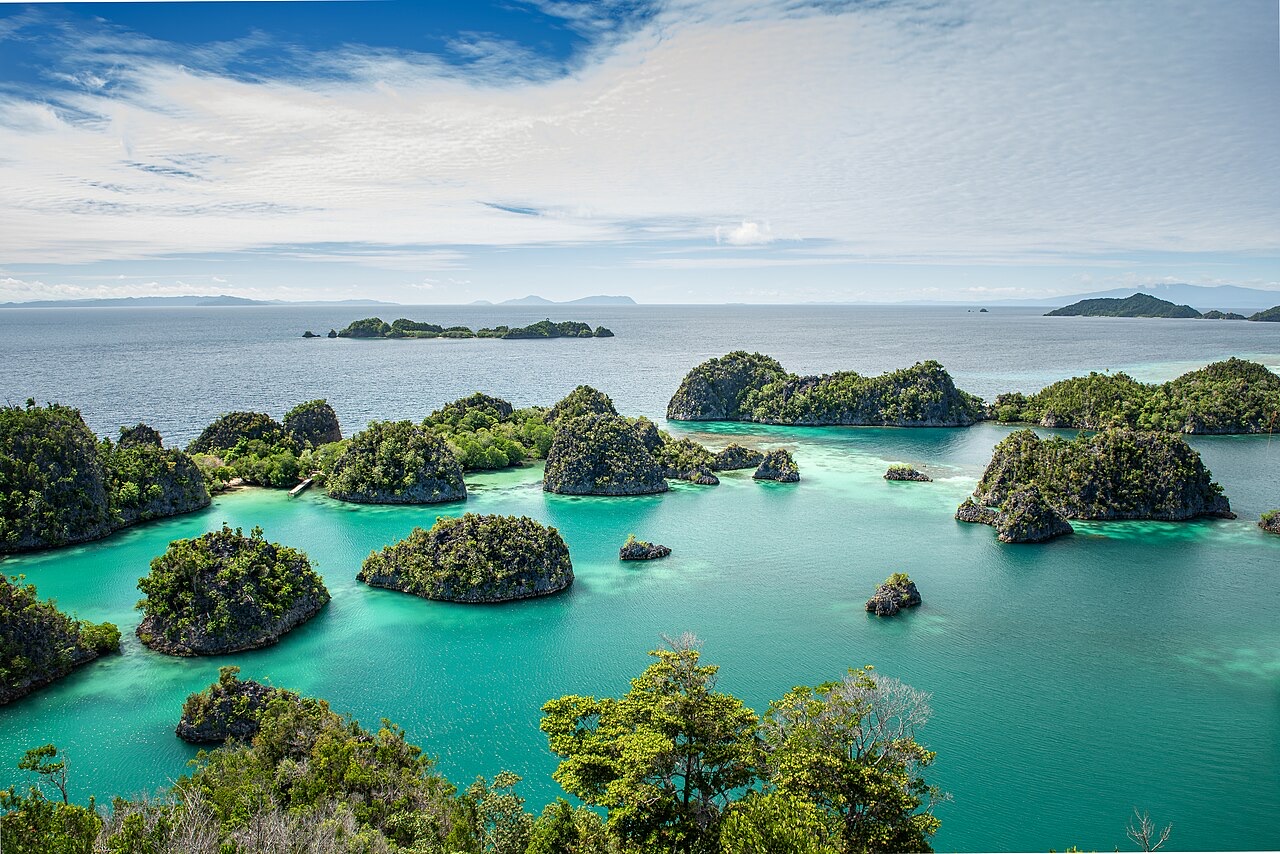
Raja Ampat
Raja Ampat, off the Bird's Head Peninsula of West Papua, sits at the statistical center of marine biodiversity: surveys here have logged more reef fish and hard coral species than anywhere else on the planet. Four big islands and hundreds of karst islets shelter current-swept passes, manta cleaning stations, and reefs so thick with fish that the water itself seems to move. It is remote, mostly reached by liveaboard, homestay, or a handful of resorts.
Why dive here
The Dampier Strait funnels Pacific water between Waigeo and Batanta, and every reef in its path carries the payload: sweetlips stacked under table corals, barracuda and trevally in rotating towers, wobbegongs folded under ledges, and reef fish in densities that made Cape Kri famous when a survey there recorded hundreds of species on a single tank. Mantas, both reef and oceanic, queue at cleaning stations from Manta Sandy to Misool's Magic Mountain. South in Misool, soft corals and sea fans upholster ridge after ridge inside a no-take zone patrolled by local rangers. Between dives you drift past mushroom-shaped karst islets, watch birds-of-paradise display at dawn on Gam, or climb the Piaynemo lookout. Village-owned homestays put the reefs within reach of modest budgets, while liveaboards cover the spread from Wayag to Misool. The diving asks some current competence, and the payoff is the richest reef scenery in the world.
Month by month
The calm northwest-monsoon window from about October through April is the classic season, and most liveaboards schedule Raja Ampat then. From roughly June to September the southeast trades bring wind, chop, and swell; many boats reposition elsewhere, and exposed areas such as Misool become hit-or-miss, though Dampier Strait resorts and homestays keep diving in sheltered lee sites year-round. Water stays warm in every month.
| Month | Water | Visibility | What it's like |
|---|---|---|---|
| January●●●●● | 27–30 °C / 81–86 °F | 10–25 m | Prime season; calm seas across the archipelago and busy manta cleaning stations. |
| February●●●●● | 27–30 °C / 81–86 °F | 10–25 m | Calm and reliable; peak liveaboard traffic from Dampier to Misool. |
| March●●●●● | 27–30 °C / 81–86 °F | 10–25 m | Season continues; occasional rain squalls do little to the diving. |
| April●●●●○ | 27–30 °C / 81–86 °F | 10–25 m | Tail of the calm season; conditions usually still very good. |
| May●●●○○ | 27–30 °C / 81–86 °F | 10–20 m | Transition month; winds begin to build and some boats reposition. |
| June●●●○○ | 27–30 °C / 81–86 °F | 10–20 m | Southeast trades arrive; exposed crossings get lumpy, lee sites still dive well. |
| July●●○○○ | 26–29 °C / 79–84 °F | 10–20 m | Windiest stretch; Misool often impractical, Dampier Strait resorts carry on. |
| August●●○○○ | 26–29 °C / 79–84 °F | 10–20 m | Wind and swell persist; fewest boats in the region. |
| September●●●○○ | 26–29 °C / 79–84 °F | 10–20 m | Trades ease late in the month; operators begin returning. |
| October●●●●○ | 27–30 °C / 81–86 °F | 10–25 m | Season reopens; seas settle and manta activity picks up. |
| November●●●●● | 27–30 °C / 81–86 °F | 10–25 m | Excellent month; calm water and full liveaboard schedules. |
| December●●●●● | 27–30 °C / 81–86 °F | 10–25 m | High season; book boats and homestays well ahead. |
Monthly figures confidence: Documented. Months without a row have no verified data. We would rather show a gap than invent one.
The dive sites (8)
| Site | Type | Depth | Level | Access | |
|---|---|---|---|---|---|
| Blue Magic Oceanic mantas at cleaning stations; wobbegongs on the summit; predator… | Pinnacle | 7–30 m | Advanced | Boat | |
| Boo Windows The window swim-throughs; soft-coral walls; pygmy seahorses and turtles… | Reef | 3–30 m | Intermediate | Liveaboard | |
| Cape Kri Extreme fish density at the point; sweetlips aggregations; sharks and big… | Reef | 5–40 m | Intermediate | Boat | |
| Magic Mountain Reef and oceanic mantas sharing cleaning stations; sharks and tuna on the… | Seamount | 6–30 m | Advanced | Liveaboard | |
| Manta Sandy Reliable reef mantas at close range; ranger-managed viewing that keeps… | Reef | 8–18 m | Beginner | Boat | |
| Melissa's Garden Pristine hard-coral cover; blacktips over the plateau; pygmy seahorses on… | Reef | 3–25 m | Beginner | Boat | |
| Sardine Reef Blackout-dense fish schools; hunting trevally; wobbegongs and sweetlips… | Reef | 5–30 m | Intermediate | Boat | |
| The Passage River-style drift beneath jungle walls; mangrove-and-soft-coral shallows… | Channel | 3–18 m | Advanced | Boat |
Marine life you can plan around
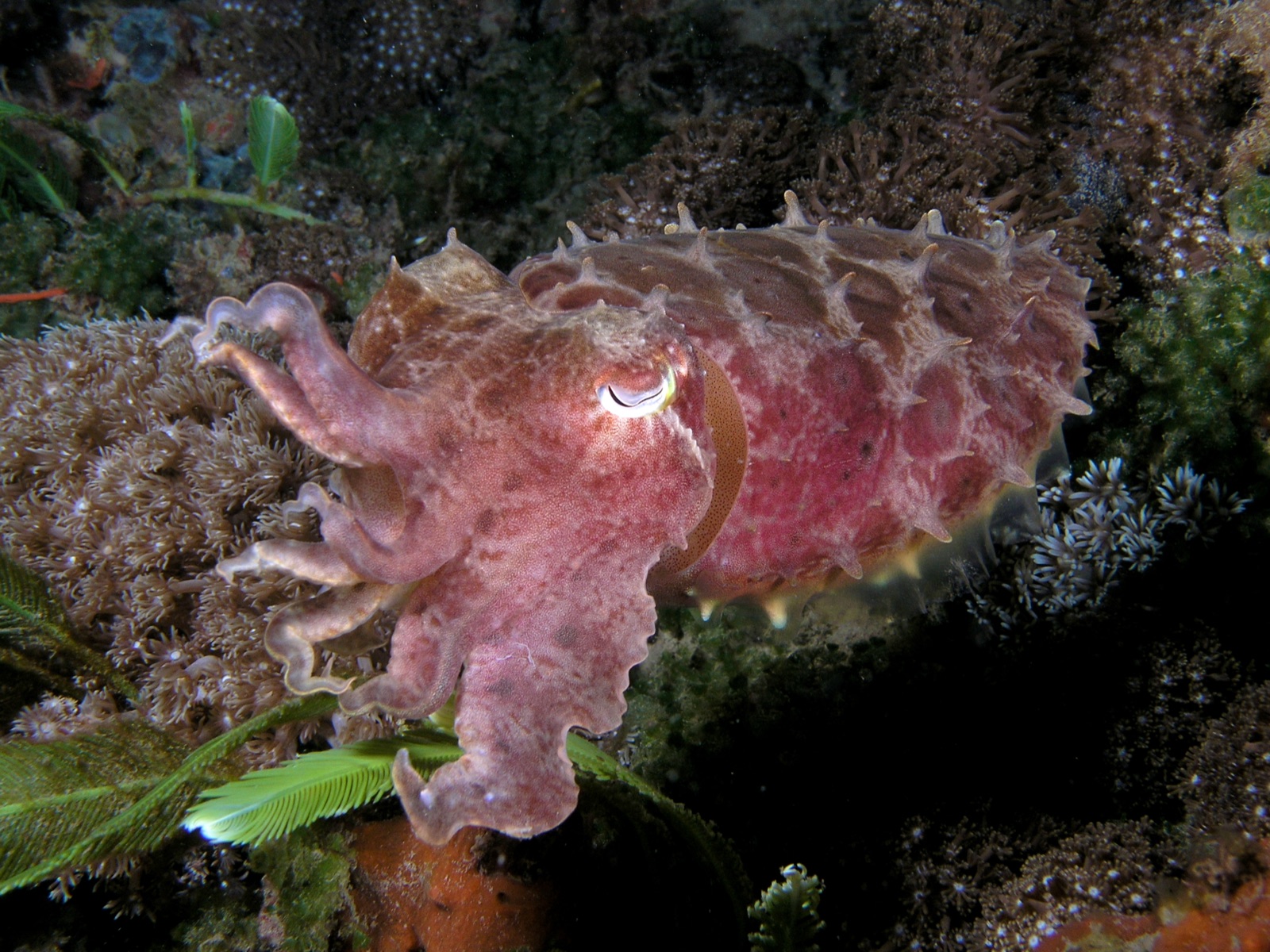
Broadclub Cuttlefish
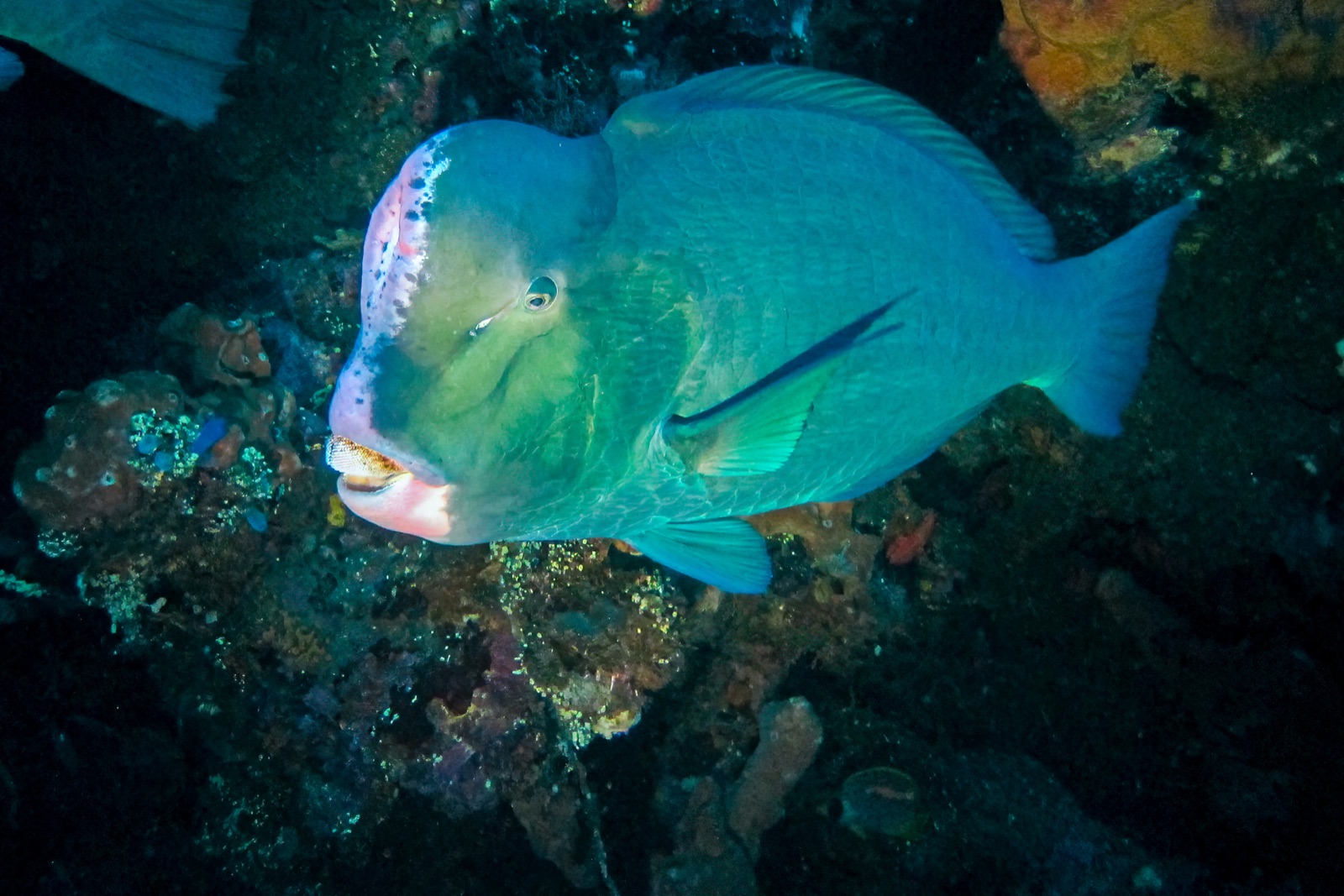
Bumphead Parrotfish
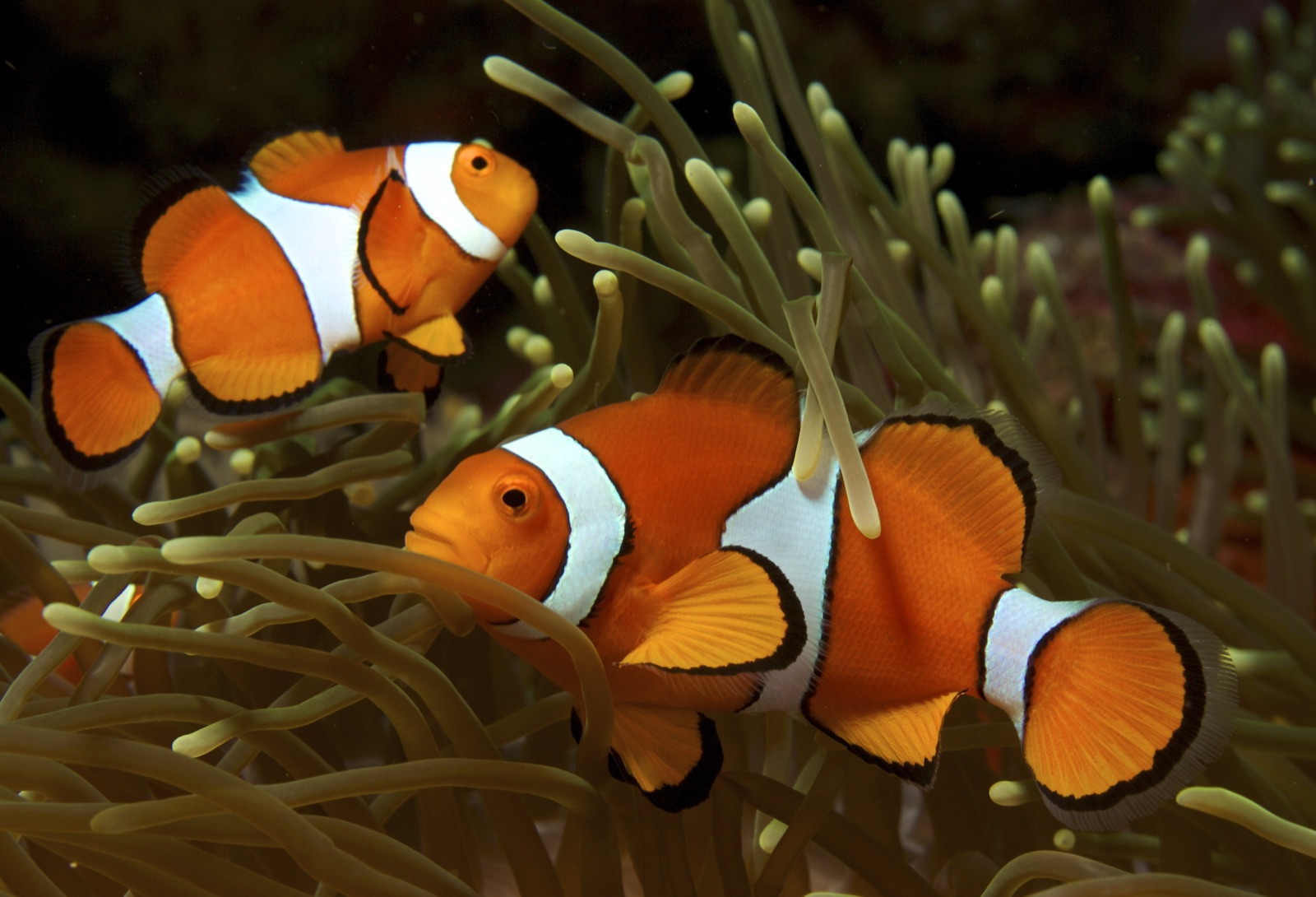
Clownfish & Anemonefish
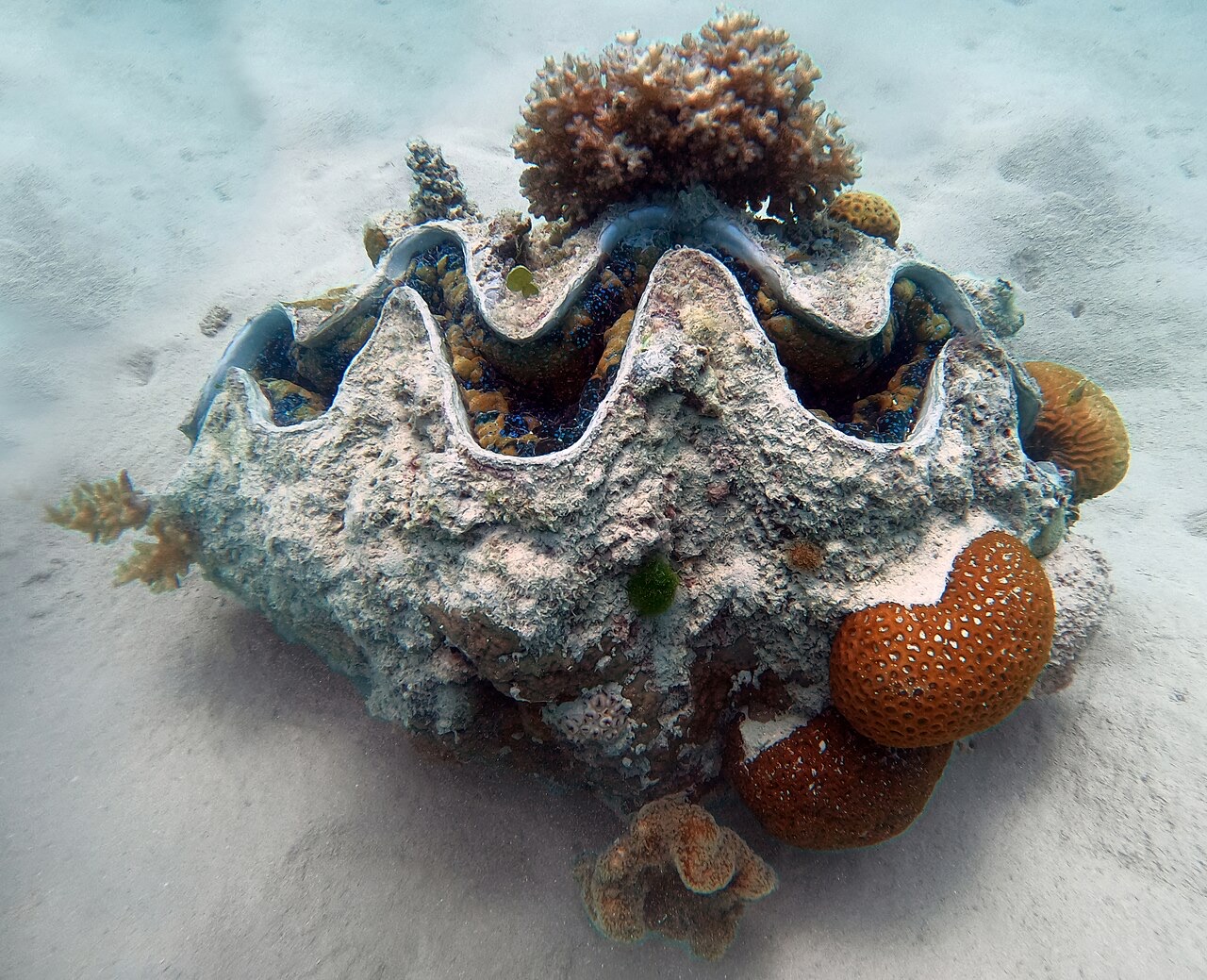
Giant Clam
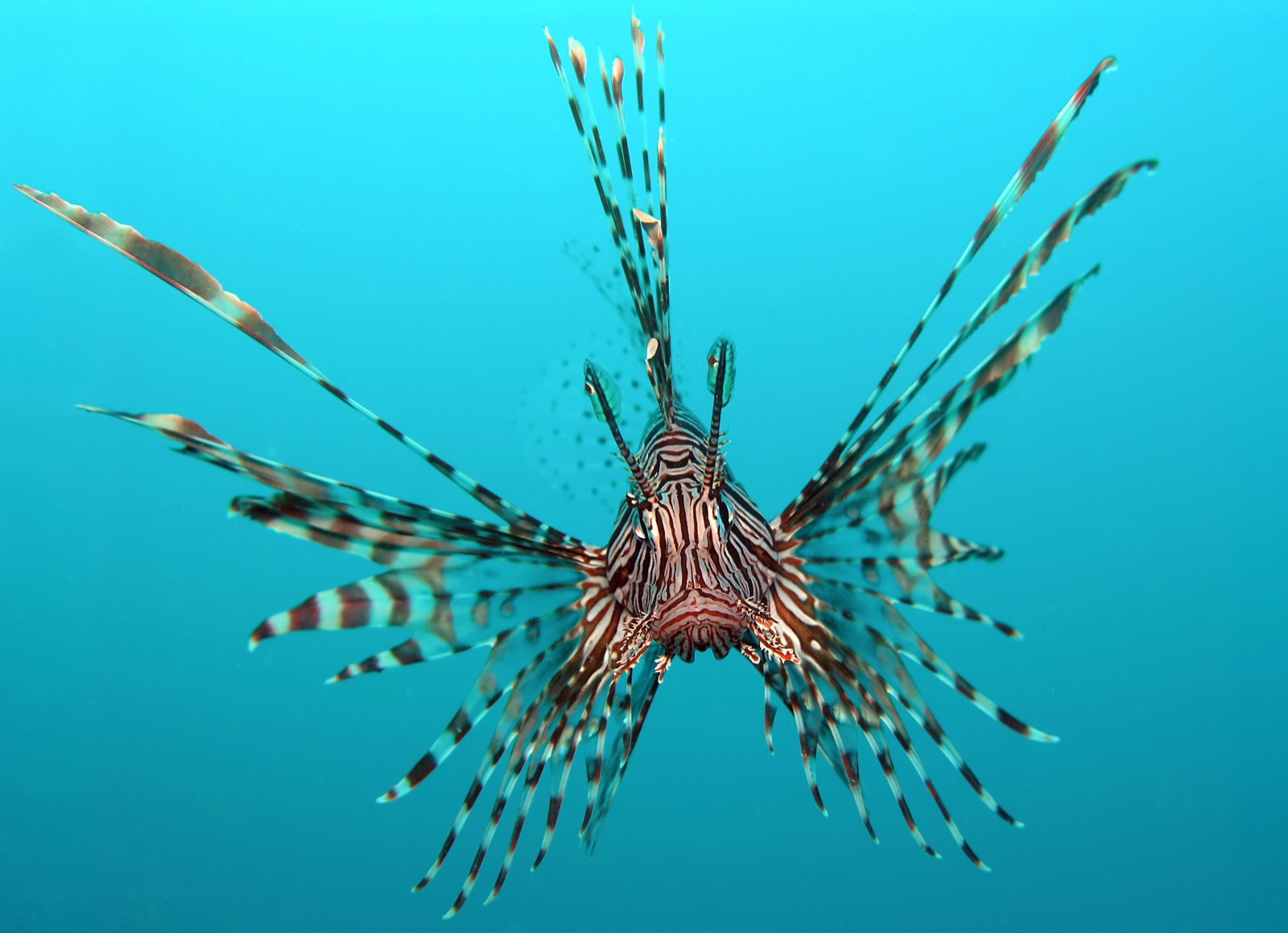
Lionfish
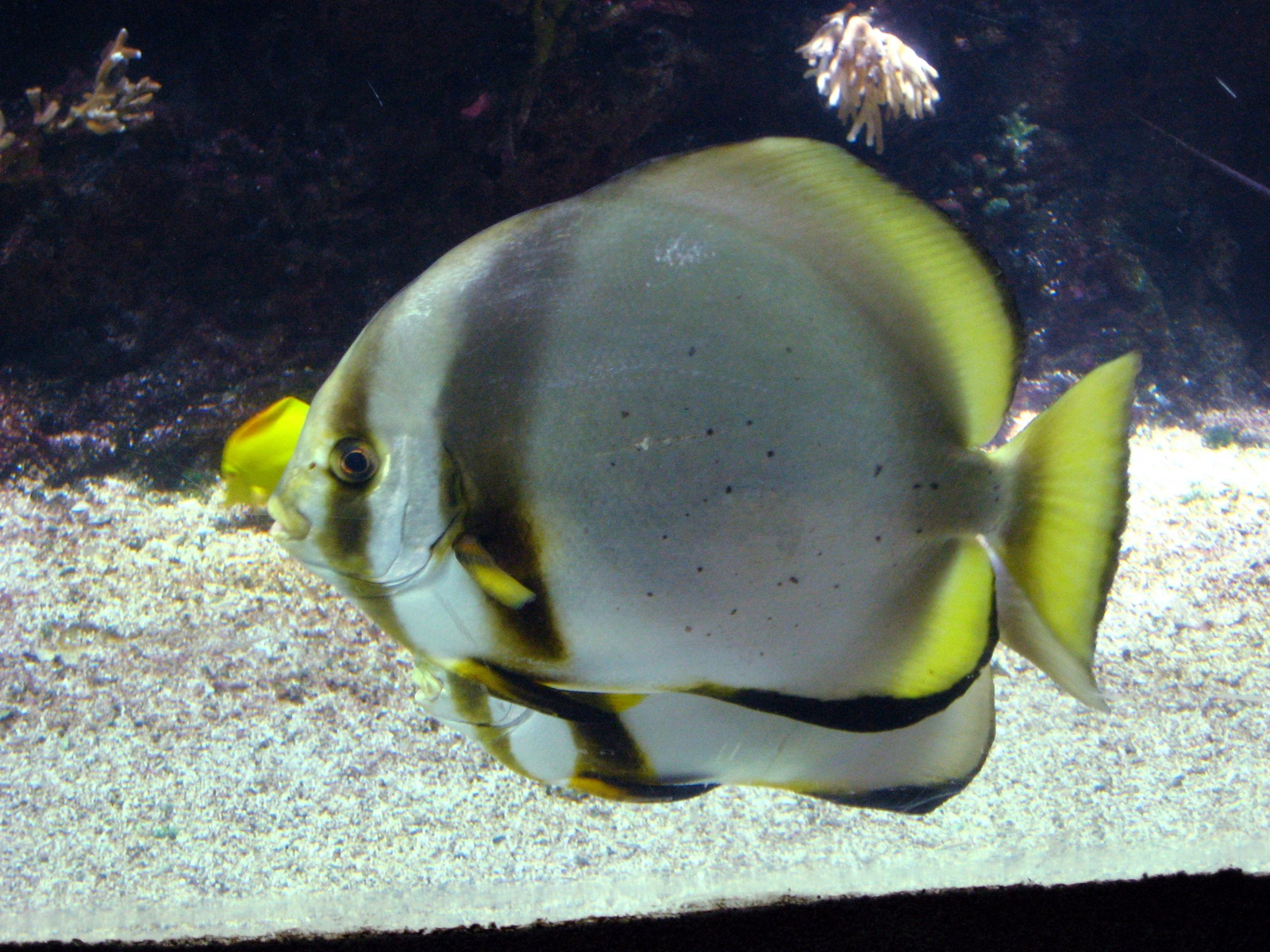
Pinnate Batfish
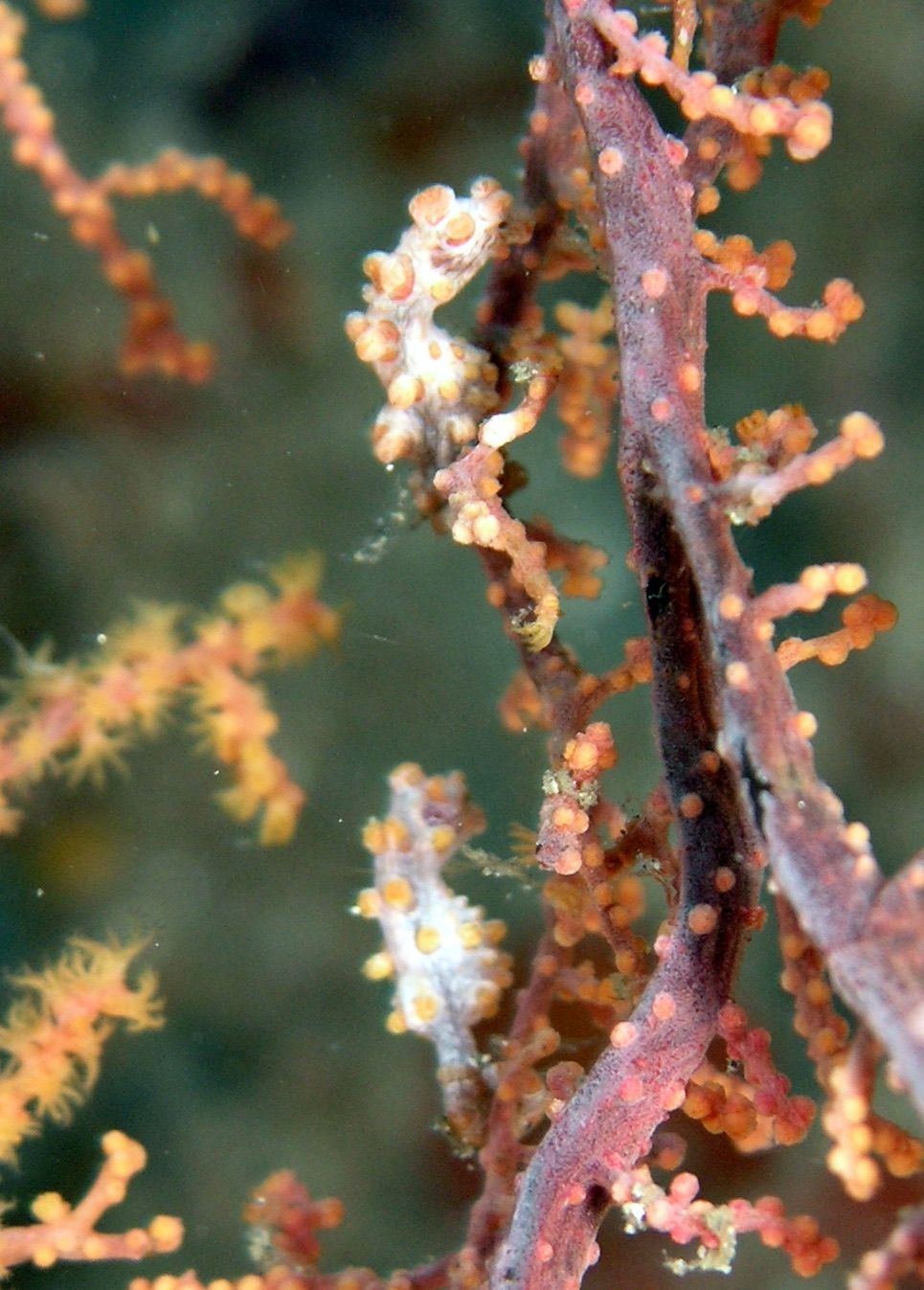
Pygmy Seahorse
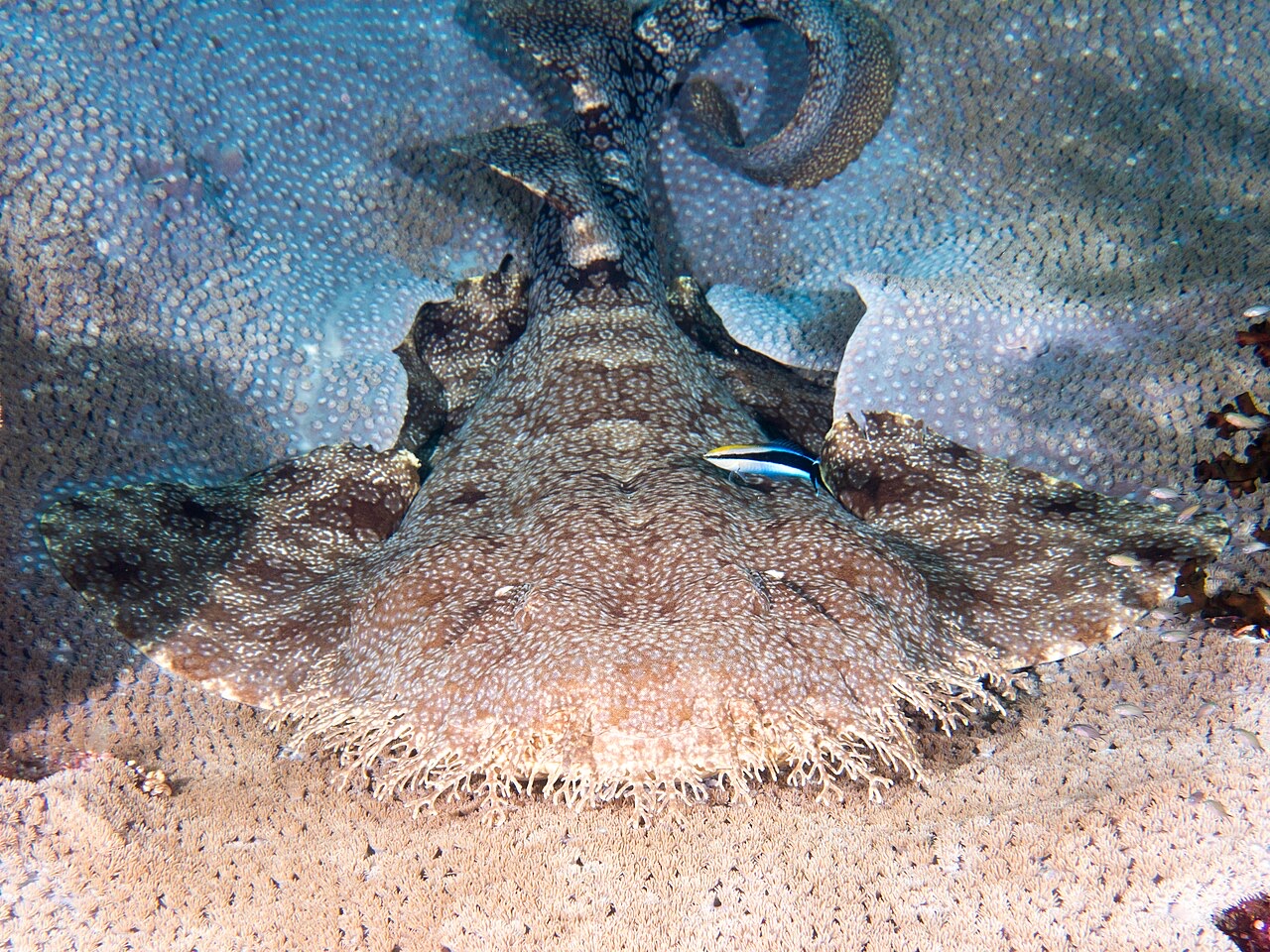
Tasselled Wobbegong
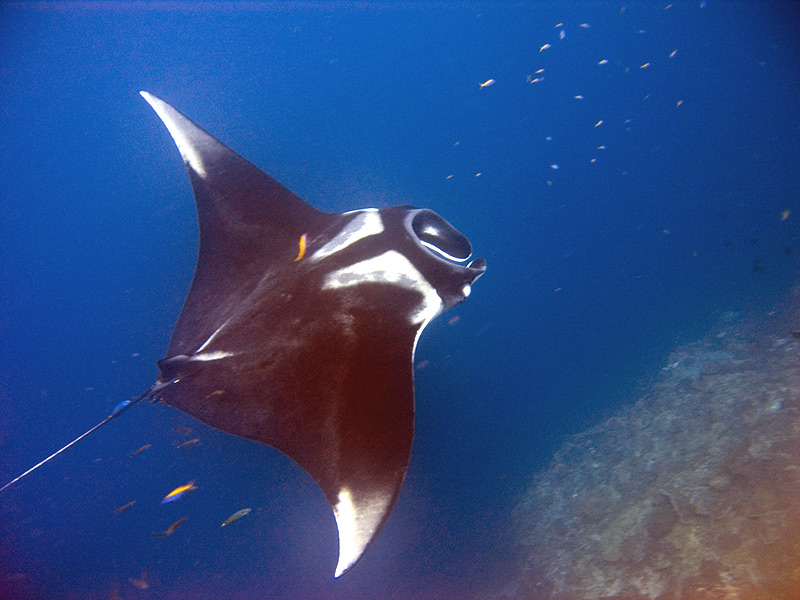
Oceanic Manta Ray
Reef and oceanic mantas, tasselled wobbegongs, walking (epaulette) sharks on night dives, blacktip and whitetip reef sharks, huge schools of fusiliers, sweetlips, and jacks, pygmy seahorses on sea fans, and dense hard and soft coral cover almost everywhere.
Getting there & staying
Getting there: Fly to Sorong via Jakarta or Makassar, then take the roughly two-hour public ferry to Waisai on Waigeo or a resort speedboat transfer. Liveaboards board in Sorong or Waisai. There are no international flights; build in a buffer day for domestic connections.
Where to stay: Options split three ways: liveaboards covering the whole archipelago, mid-to-high-end dive resorts on Kri, Gam, Mansuar, and in Misool, and the local homestay association's stilt bungalows, which are simple, village-owned, and often steps from house reefs.
Liveaboards: Liveaboards concentrate from October to April, typically 7 to 12 nights from Sorong; longer itineraries reach Misool and Wayag. Homestay-plus-day-boat diving covers the Dampier Strait well if a liveaboard is out of budget.
Costs: Most diving is sold in resort or liveaboard packages rather than by the boat trip; homestay-based operators around the Dampier Strait are the budget route. Factor in the marine-park entry tag, domestic flights to Sorong, and the Waisai ferry.
Between dives: Climb the Piaynemo karst viewpoint, kayak the lagoons around Gam and Kabui Bay, snorkel jetties thick with fish, and rise before dawn for red bird-of-paradise display trees on Waigeo or Gam. Wayag's famous lagoon panorama lies far north and is usually a liveaboard stop.
Snorkeling: Jetties and homestay house reefs offer exceptional snorkeling in calm, shallow water, though currents make guided judgment essential at the famous dive sites.
Safety & practicalities
Hazards: Strong, reversing tidal currents in the passes and on seamounts; down-currents on exposed corners. The region is far from advanced medical care. Saltwater crocodiles inhabit some mangrove and estuary areas away from the main dive sites; follow local guidance about where to swim.
Carry a surface marker buoy and reef hook, dive with computers, and keep buffer time before the long trip home. Evacuation from Raja Ampat is slow and expensive, so comprehensive dive insurance such as DAN cover is strongly advised; emergencies go through EMS and DAN, not directly to a chamber.
Nearest recompression: A recompression chamber has operated at the Waisai hospital, but availability changes and serious cases may still mean evacuation to Makassar or beyond. Always route emergencies through EMS and DAN first.