Socorro & the Revillagigedos
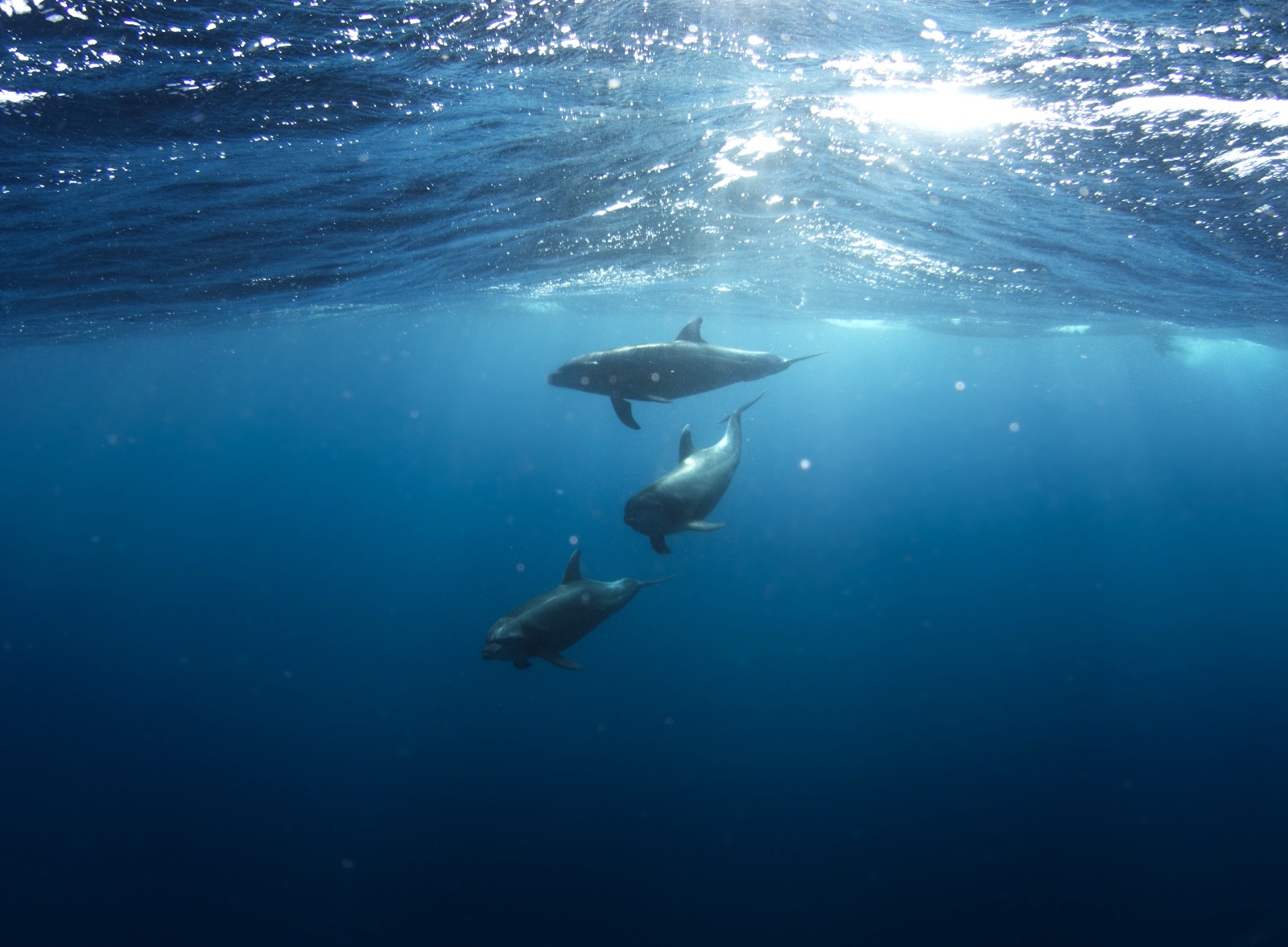
The Revillagigedo Archipelago - Socorro, San Benedicto, Roca Partida, and Clarion - lies about 400 km south of Mexico's Baja Peninsula, and its volcanic seamounts host the friendliest giant oceanic mantas in diving. Liveaboards run from Cabo San Lucas on a November-to-early-June season, crossing roughly 24-30 hours to reach a national park where mantas seek out divers, dolphins linger, humpbacks sing through the water in late winter, and ten or so shark species patrol the blue.
Why dive here
Socorro's mantas changed how many divers think about big animals. At The Boiler and Cabo Pearce, oceanic mantas with 5 m wingspans bank repeatedly over bubble streams, apparently by choice, sometimes for an entire dive. Around them the archipelago behaves like a pelagic crossroads: schooling hammerheads over the ridges, silky and Galapagos sharks in the blue, whitetips stacked on every ledge at Roca Partida, bottlenose dolphins that approach and hold eye contact, and tiger sharks appearing more years than not. From roughly late January into March, humpback whales calve around the islands and their song is the soundtrack of every dive; lucky boats get passes in open water. Whale sharks bracket the season at its warm ends. The diving is honest blue-water work - negative entries, current, swell against bare rock - and the crossings are long. Since 2017 the whole archipelago has been a vast no-take national park and UNESCO site, and the animal behavior shows what that protection buys.
Month by month
The fleet runs November through May into early June; boats do not operate during the July-October hurricane season. January-March is coolest, with humpbacks present and big animal density at its peak; November and May are warmest, with the best whale shark odds.
| Month | Water | Visibility | What it's like |
|---|---|---|---|
| January●●●●● | 22–25 °C / 72–77 °F | 15–30 m | Humpbacks arrive; big-animal density climbs. |
| February●●●●● | 21–24 °C / 70–75 °F | 15–30 m | Coolest water; whales singing on most dives. |
| March●●●●● | 21–25 °C / 70–77 °F | 15–30 m | |
| April●●●●● | 22–26 °C / 72–79 °F | 20–30 m | |
| May●●●●○ | 24–27 °C / 75–81 °F | 20–30 m | Warming late season; whale sharks possible. |
| November●●●●○ | 26–28 °C / 79–82 °F | 20–30 m | Season opens warm; whale shark chances. |
| December●●●●○ | 24–27 °C / 75–81 °F | 20–30 m |
Monthly figures confidence: Documented. Months without a row have no verified data. We would rather show a gap than invent one.
The dive sites (5)
| Site | Type | Depth | Level | Access | |
|---|---|---|---|---|---|
| Cabo Pearce Manta stack-ups over the ridge, engaged dolphins, whale song in season | Reef | 10–40 m | Advanced | Liveaboard | |
| El Canon (The Canyon) Hammerhead schools over the cut, layered shark traffic, occasional tigers… | Reef | 15–40 m | Advanced | Liveaboard | |
| Punta Tosca Tiger and dolphin wildcards, mantas rounding the point, humpback encounters… | Reef | 10–35 m | Advanced | Liveaboard | |
| Roca Partida Whitetips shelved in the ledges, everything-at-once pelagic traffic, the… | Pinnacle | 5–40 m | Advanced | Liveaboard | |
| The Boiler Giant mantas at point-blank range, dolphin visits, whale song through the… | Pinnacle | 5–40 m | Advanced | Liveaboard |
Marine life you can plan around
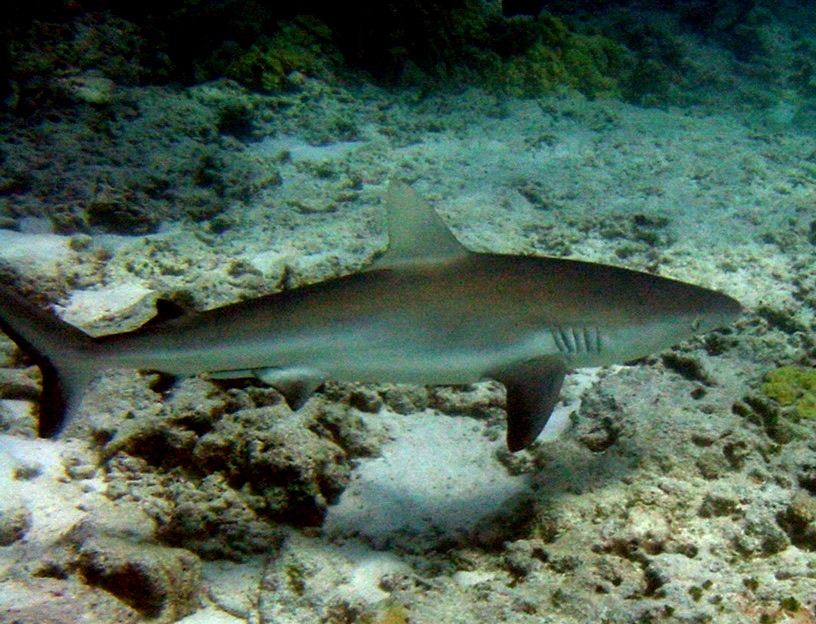
Galápagos Shark
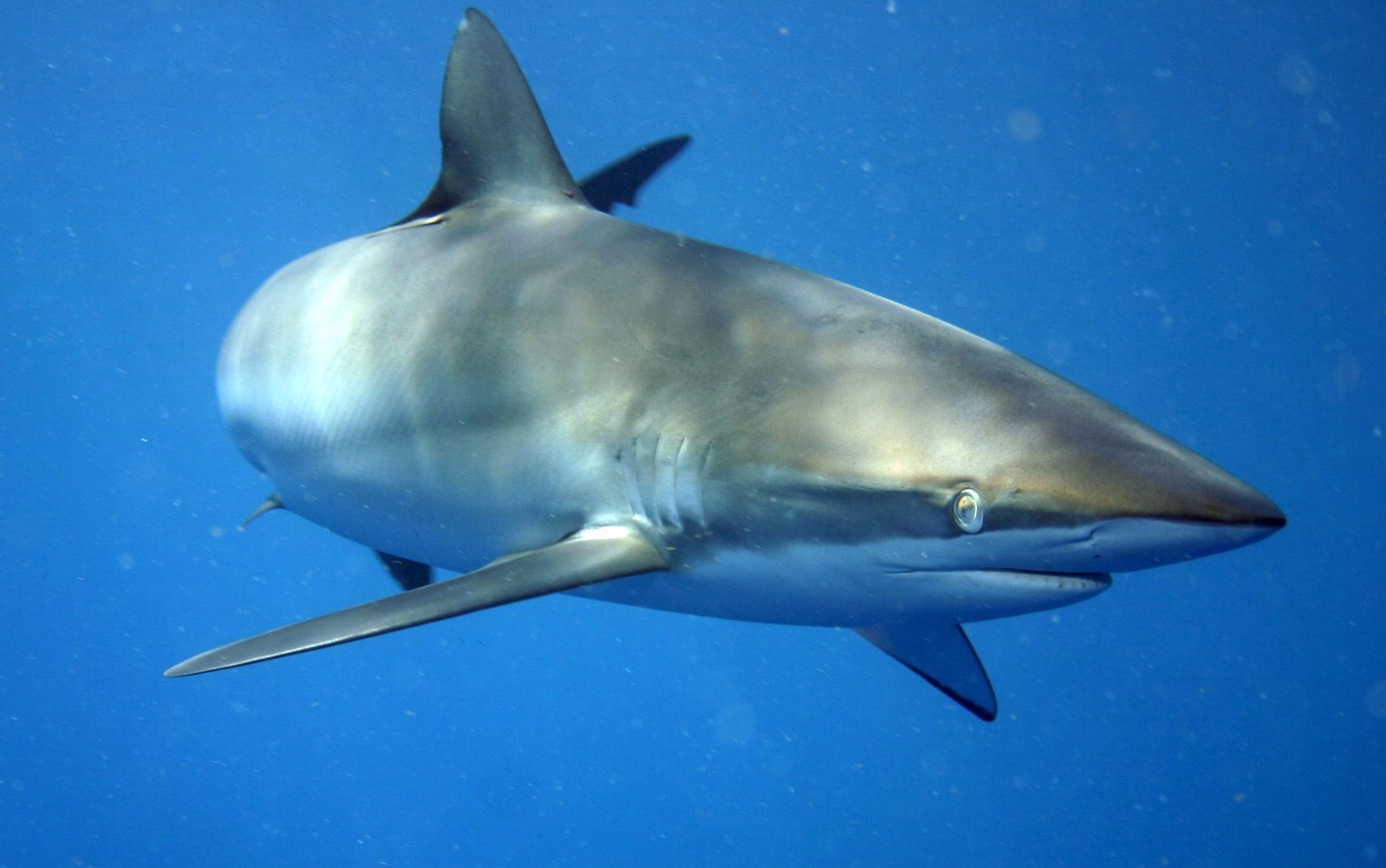
Silky Shark
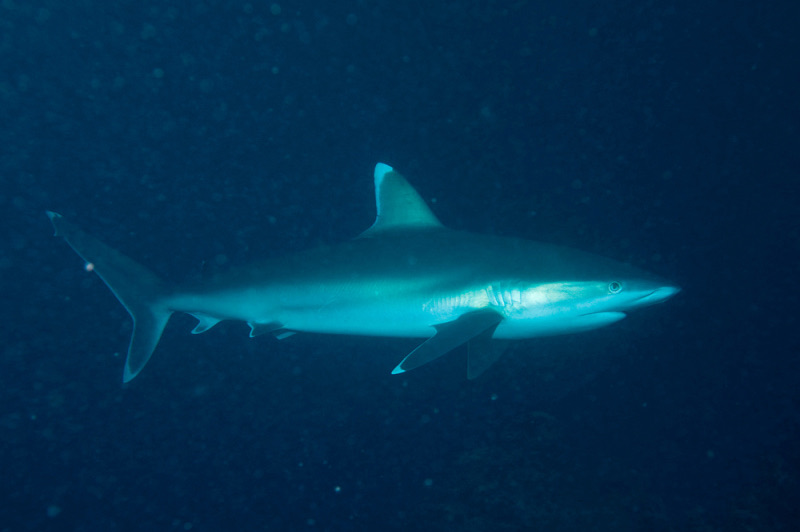
Silvertip Shark
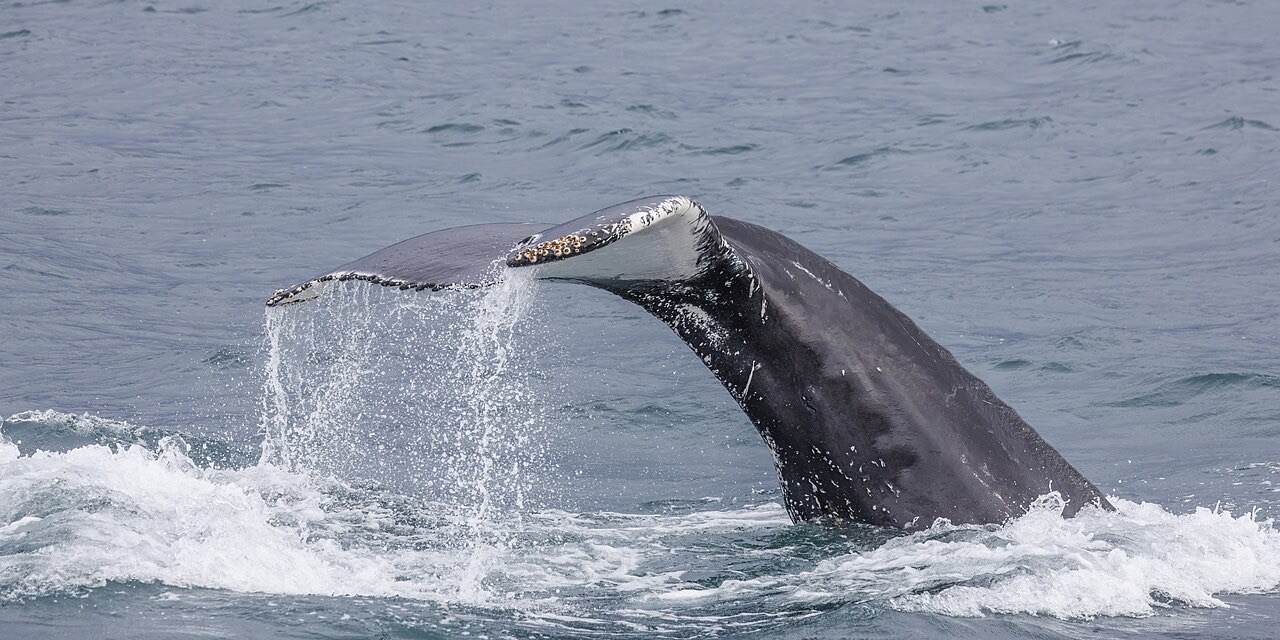
Humpback Whale
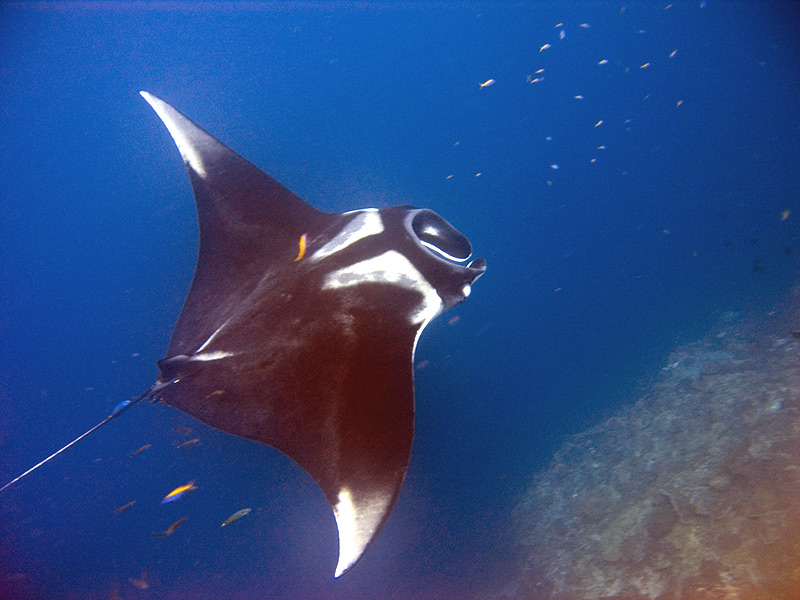
Oceanic Manta Ray
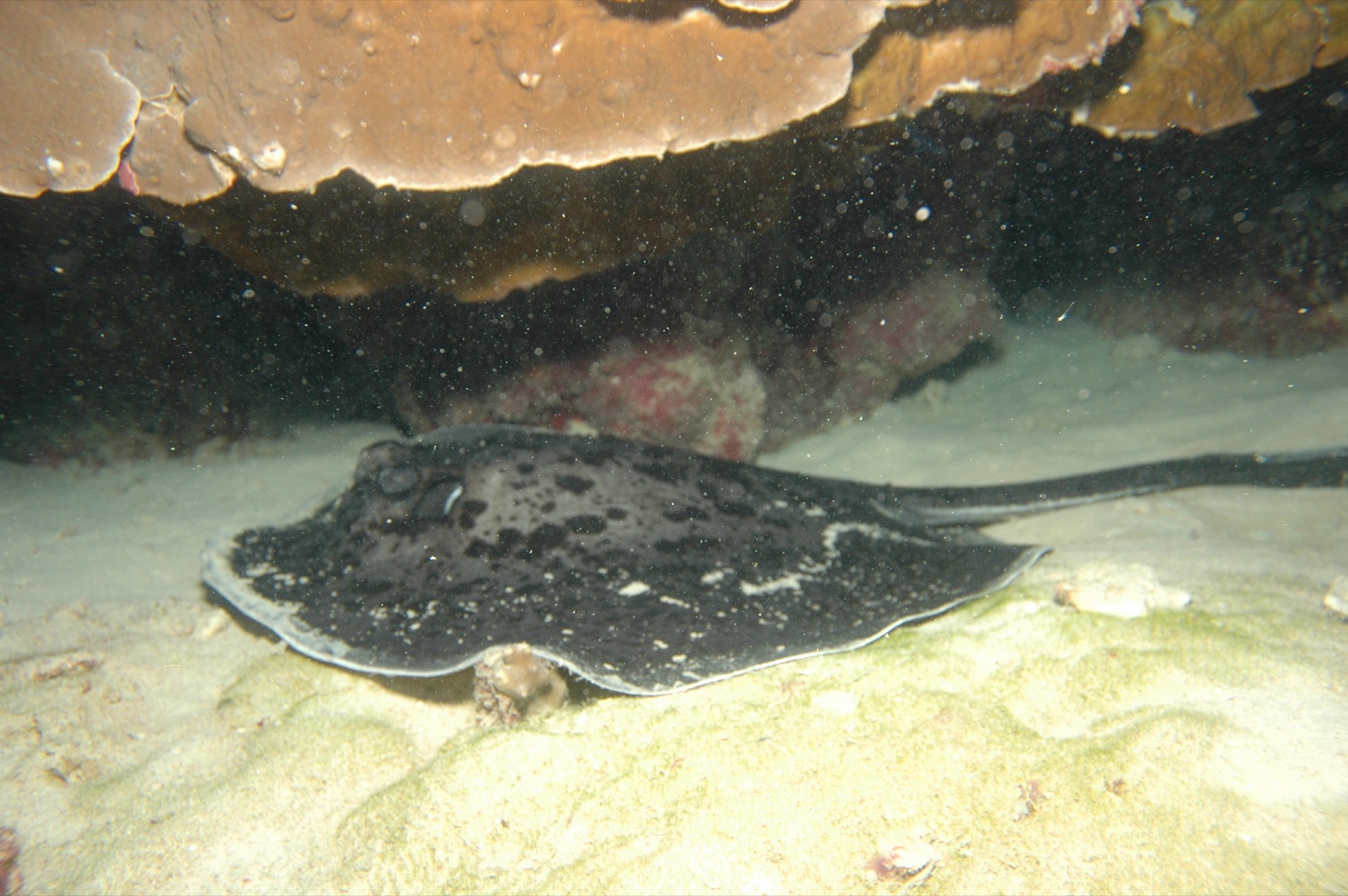
Marbled Ray
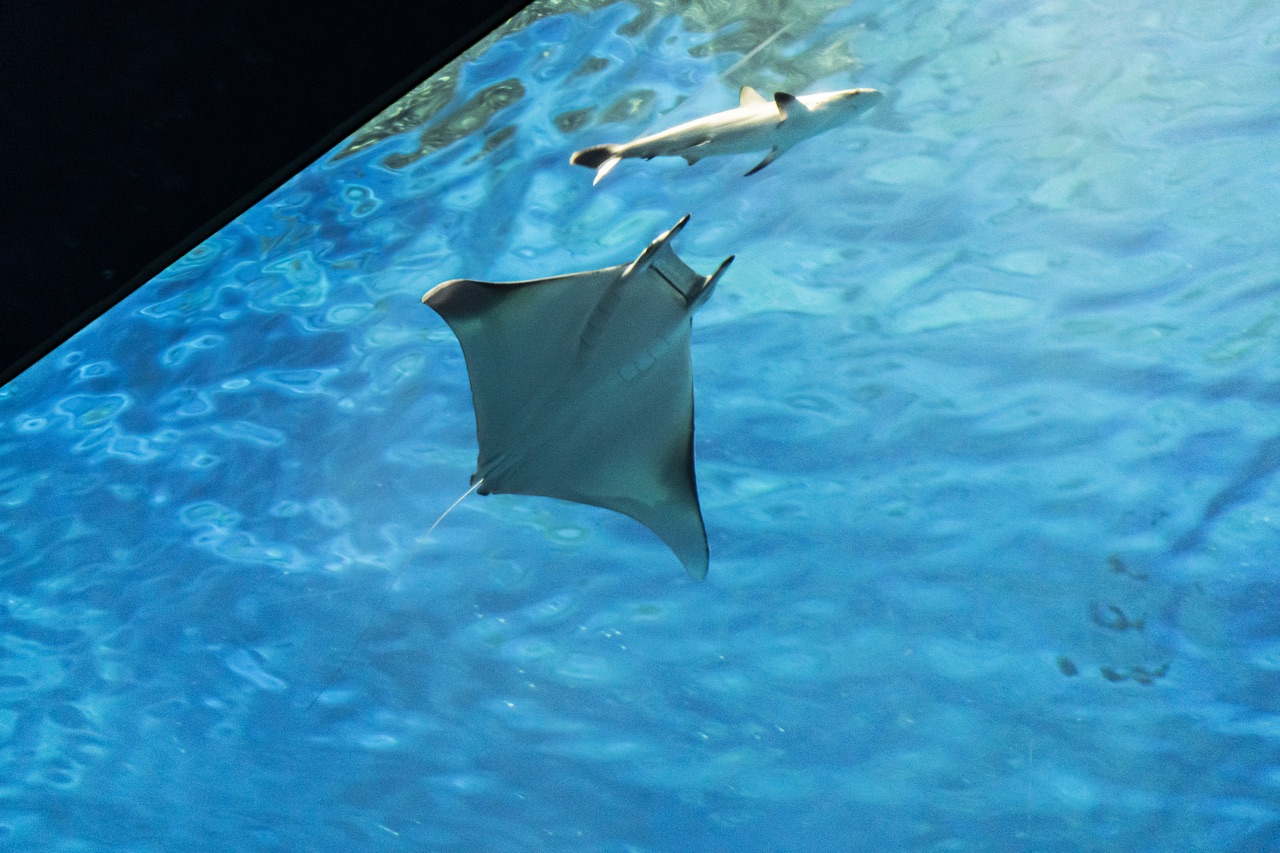
Mobula (Devil) Ray
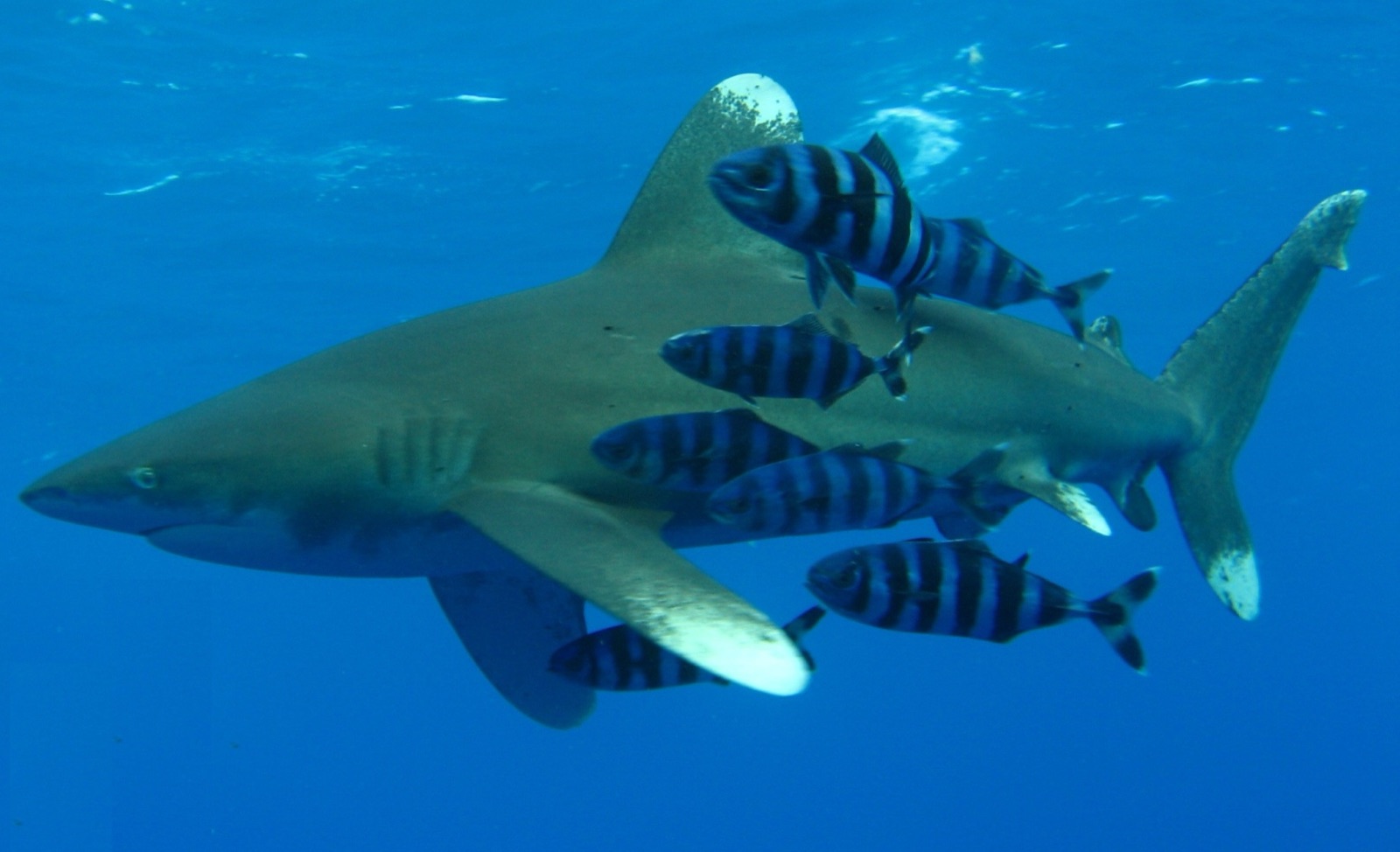
Oceanic Whitetip Shark
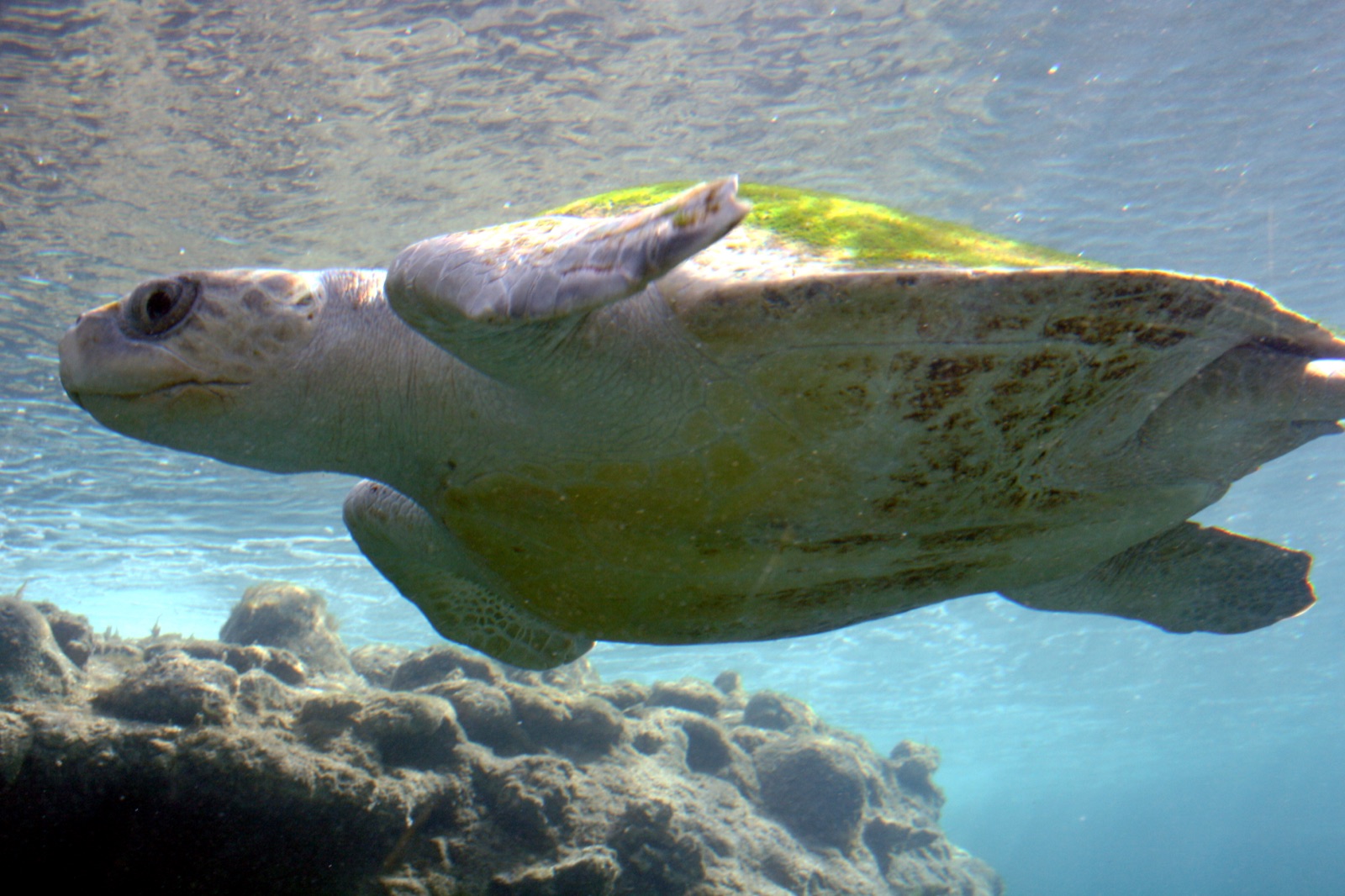
Olive Ridley Turtle
Giant oceanic mantas, bottlenose dolphins, humpback whales in late winter, scalloped hammerheads, silky, Galapagos, silvertip and whitetip reef sharks, tiger sharks on many trips, wahoo and tuna, and whale sharks in the shoulder months.
Getting there & staying
Getting there: Fly to Los Cabos, transfer to the Cabo San Lucas marina, and cross roughly 24-30 hours to San Benedicto or Socorro. Itineraries shuffle islands with weather; Roca Partida is the long outer leg.
Where to stay: No tourist facilities exist in the archipelago; Socorro island itself hosts only a Mexican naval base. All accommodation is aboard.
Liveaboards: Roughly a dozen boats work the season from Cabo San Lucas. The January-March humpback window sells out furthest ahead.
Costs: Liveaboard-only, typically about US$3,800-6,500 for 8-9 night itineraries from Cabo San Lucas, plus park fees, port fees, and nitrox.
Between dives: A day or two in Cabo San Lucas on either end; at sea, whale watching from the deck in season is genuinely good.
Safety & practicalities
Hazards: Open-ocean conditions against bare volcanic rock: current, surge, swell, and blue-water entries and ascents. Roca Partida in particular has no lee and no easy version. Long crossings can be rough.
Operators expect advanced-level comfort, and dives are run as negative-entry, group-up-at-depth affairs when current demands. Carry a DSMB and electronic signaling device; drifting off the pinnacles happens and pickups rely on being seen. Leave gas margins - help is a day away.
Nearest recompression: There is no chamber in the archipelago; evacuation runs back to Cabo San Lucas, where hyperbaric facilities have operated. Availability changes - emergencies go through the vessel, EMS, and DAN.