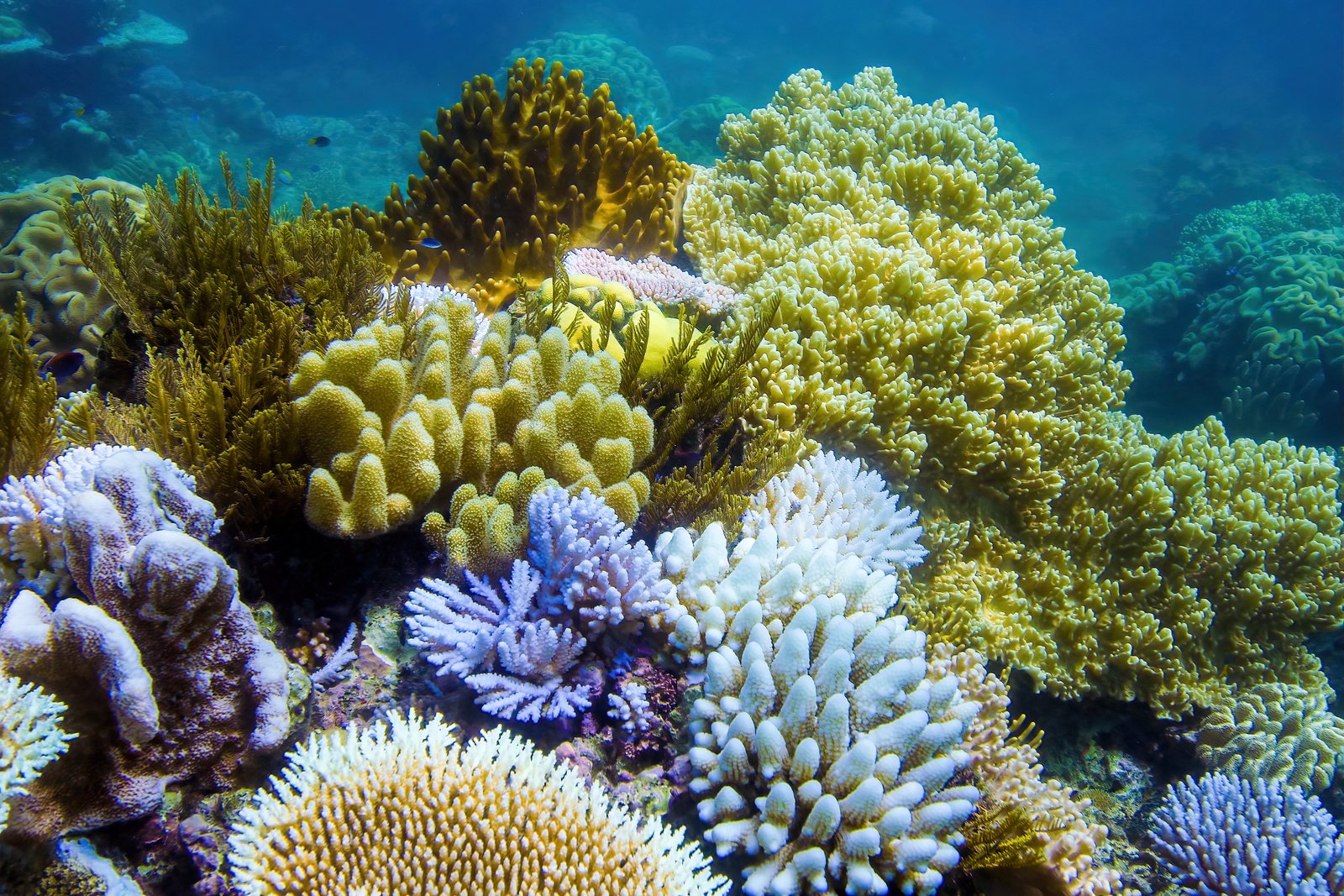
Cairns & the Ribbon Reefs
The Ribbon Reefs are ten narrow coral ramparts strung along the edge of the continental shelf north of Cairns and Port Douglas, reached mainly by liveaboard and famous for the potato cod of Cod Hole and for winter visits from dwarf minke whales. Day boats work outer reefs closer to town, so the same gateway serves first-time divers and expedition itineraries alike. This is the busiest and best-organized entry point to the Great Barrier Reef.
Why dive here
The ribbon system is where the Great Barrier Reef meets open ocean, and the diving shows it: clearer water than the inshore reefs, walls and pinnacles swept by tide, and a cast of large, confident animals. At Cod Hole, potato cod the size of coffee tables rise to meet each group, a ritual that has run for five decades under strict rules. Steve's Bommie funnels snapper, barracuda, and batfish into a slow tornado around a single tower. In June and July, dwarf minke whales seek out moored liveaboards on the northern ribbons and circle swimmers for hours, the only place on earth where that encounter is managed as a licensed activity. Night dives at Challenger Bay put hunting trevally in your torch beam, and in November the corals spawn after the full moon. Beginners get their share too: Flynn and the Agincourt complex offer easy gardens twenty minutes from a pontoon lunch. Most ribbon itineraries run three to four nights and finish with a low-level flight back from Lizard Island over the entire chain, which is worth the trip on its own.
Month by month
Diveable all year. The dry season, roughly June through November, brings calmer seas and the best visibility; dwarf minke whales appear in June and July. The wet season from December to April is hot and rainy with a real cyclone risk, and stinger precautions apply in the warmer months.
| Month | Water | Visibility | What it's like |
|---|---|---|---|
| January●●●○○ | 28–30 °C / 82–86 °F | 12–25 m | Wet season rain and cyclone watch; the outer reefs still dive |
| February●●○○○ | 28–30 °C / 82–86 °F | 12–25 m | Peak wet; trips run between weather systems |
| March●●●○○ | 27–29 °C / 81–84 °F | 12–25 m | Wet season eases late in the month |
| April●●●○○ | 26–28 °C / 79–82 °F | 15–30 m | Trade winds return; seas can be lumpy |
| May●●●●○ | 25–27 °C / 77–81 °F | 15–30 m | Cooling water and improving clarity |
| June●●●●● | 24–26 °C / 75–79 °F | 15–30 m | Dwarf minke season opens on the ribbons |
| July●●●●● | 23–25 °C / 73–77 °F | 15–30 m | Minke encounters peak; coolest water |
| August●●●●○ | 23–25 °C / 73–77 °F | 15–30 m | Reliable visibility; strongest trade winds |
| September●●●●● | 23–26 °C / 73–79 °F | 20–35 m | Winds ease; some of the best visibility of the year |
| October●●●●● | 24–27 °C / 75–81 °F | 20–35 m | Glassy spells and long calm days |
| November●●●●○ | 26–28 °C / 79–82 °F | 15–30 m | Coral spawning after the full moon |
| December●●●○○ | 27–29 °C / 81–84 °F | 12–25 m | Heat builds and the first monsoon rain arrives |
Monthly figures confidence: Documented. Months without a row have no verified data. We would rather show a gap than invent one.
The dive sites (7)
| Site | Type | Depth | Level | Access | |
|---|---|---|---|---|---|
| Agincourt Reefs Shelf-edge clarity on a day trip, Maori wrasse, varied moorings from walls… | Reef | 5–25 m | Beginner | Boat | |
| Challenger Bay Trevally hunting in torch beams at night, garden eel flats, relaxed… | Reef | 5–18 m | Beginner | Liveaboard | |
| Cod Hole Face-to-face potato cod, regulated feeding ritual, Maori wrasse, clear pass… | Reef | 10–28 m | Beginner | Liveaboard | |
| Flynn Reef Reliable day-trip coral gardens, giant clams, turtles, easy navigation for… | Reef | 5–25 m | Beginner | Boat | |
| Lighthouse Bommie Dwarf minke whale encounters in June-July, olive sea snakes, resident… | Pinnacle | 6–30 m | Intermediate | Liveaboard | |
| Pixie Pinnacle Glassfish clouds with hunting lionfish, gorgonian-covered flanks, superb… | Pinnacle | 5–30 m | Intermediate | Liveaboard | |
| Steve's Bommie Spiraling fish schools, stonefish and leaf scorpionfish hunting, memorial… | Pinnacle | 5–30 m | Intermediate | Liveaboard |
Marine life you can plan around
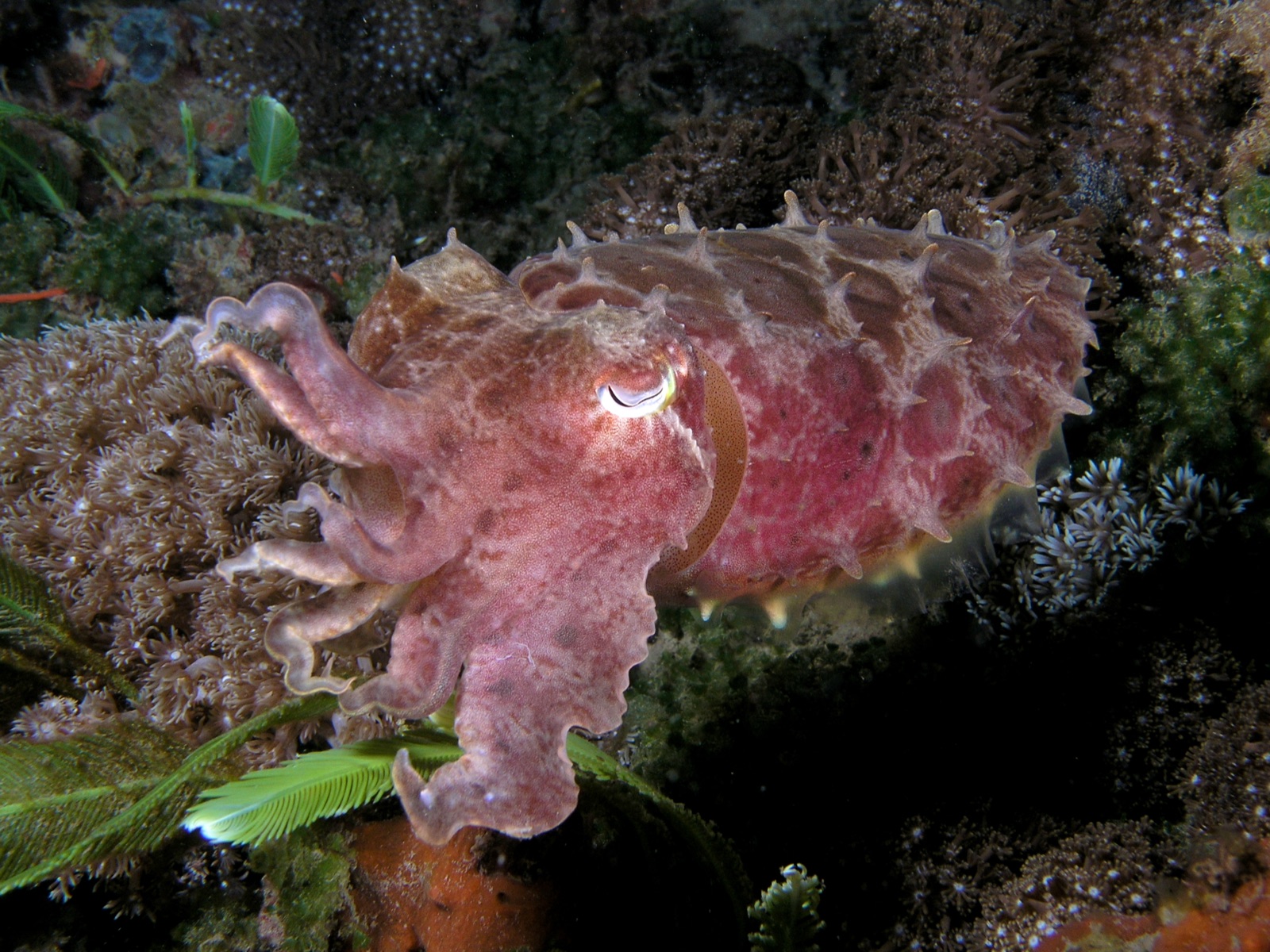
Broadclub Cuttlefish
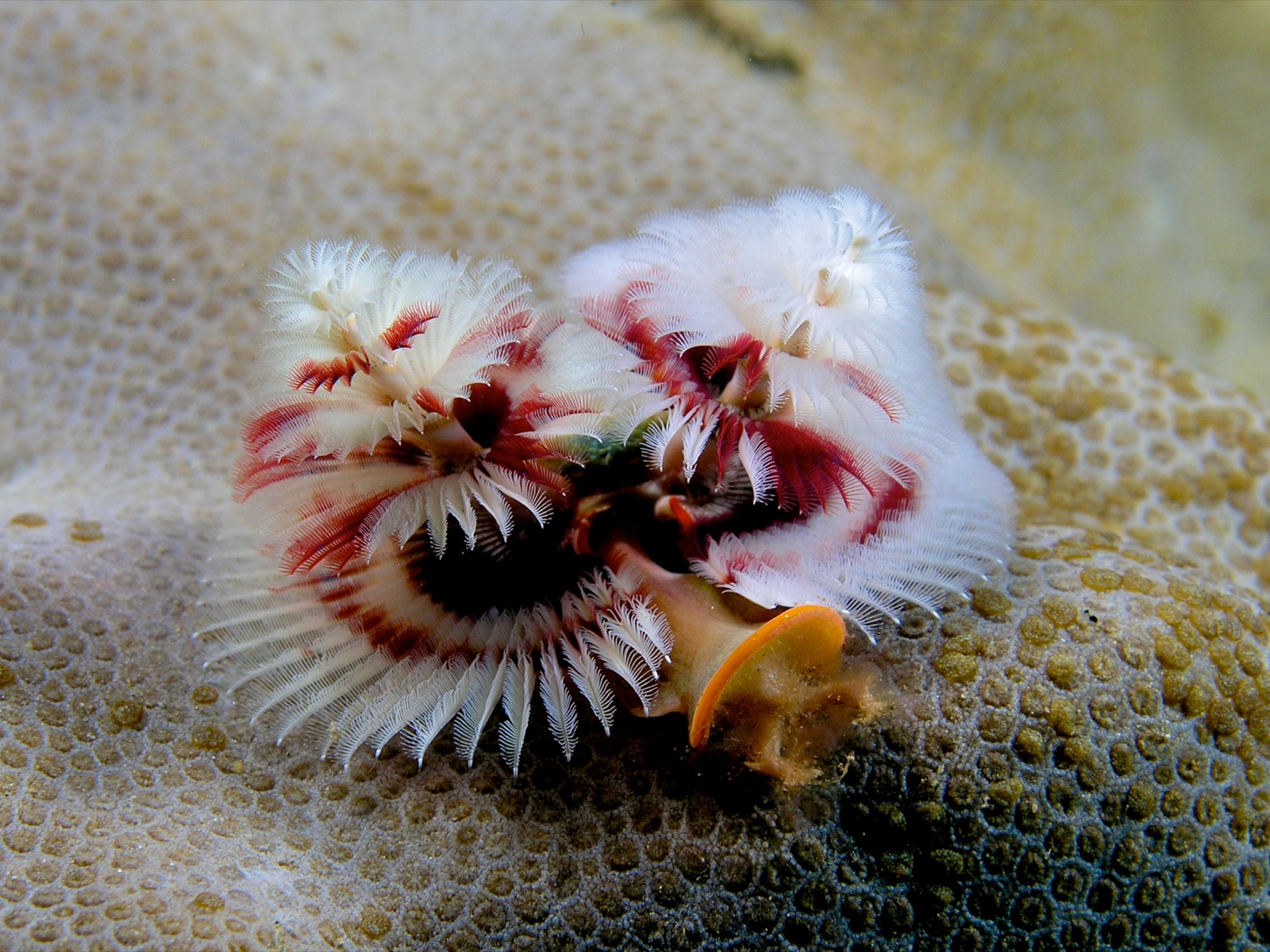
Christmas Tree Worm
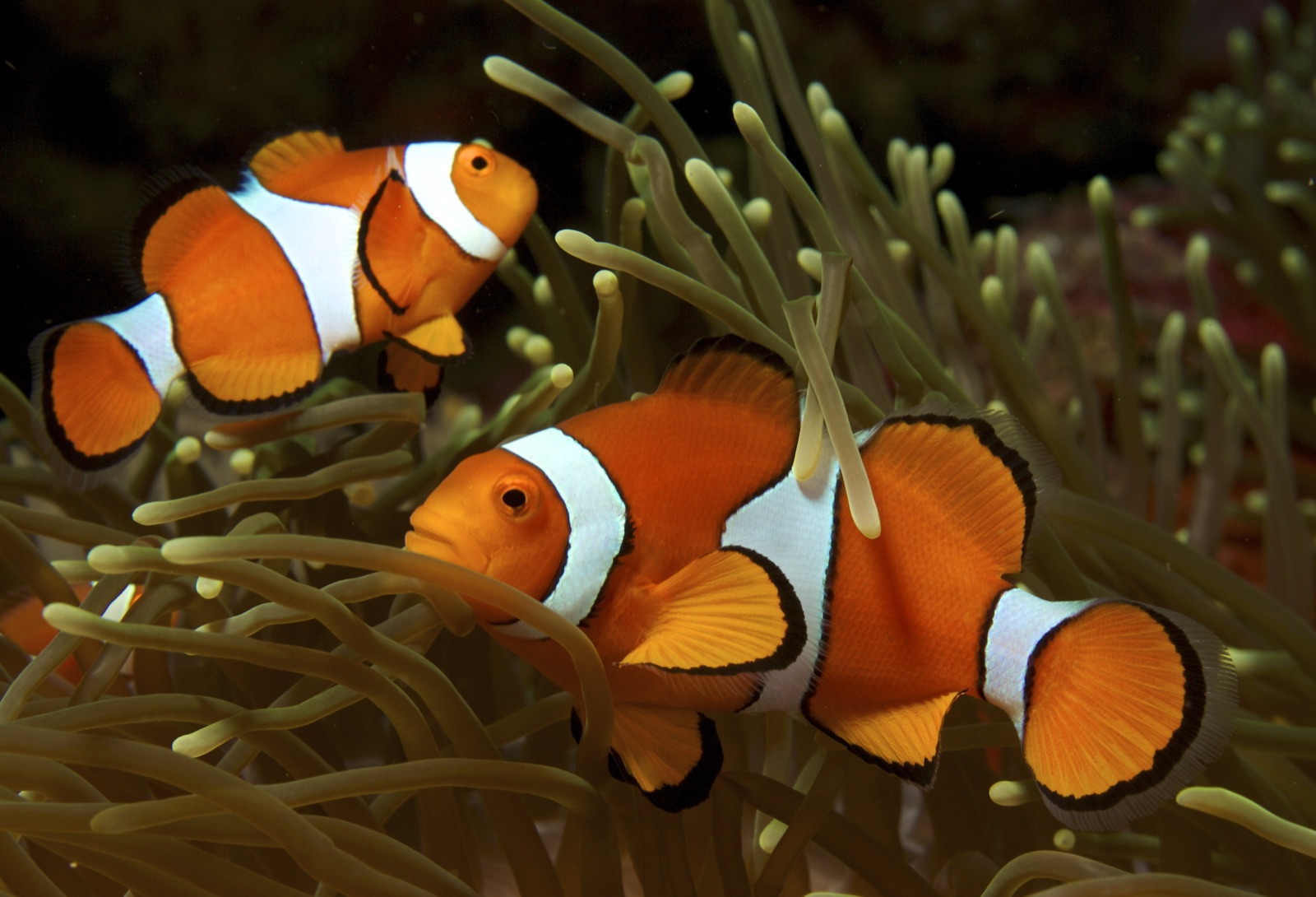
Clownfish & Anemonefish
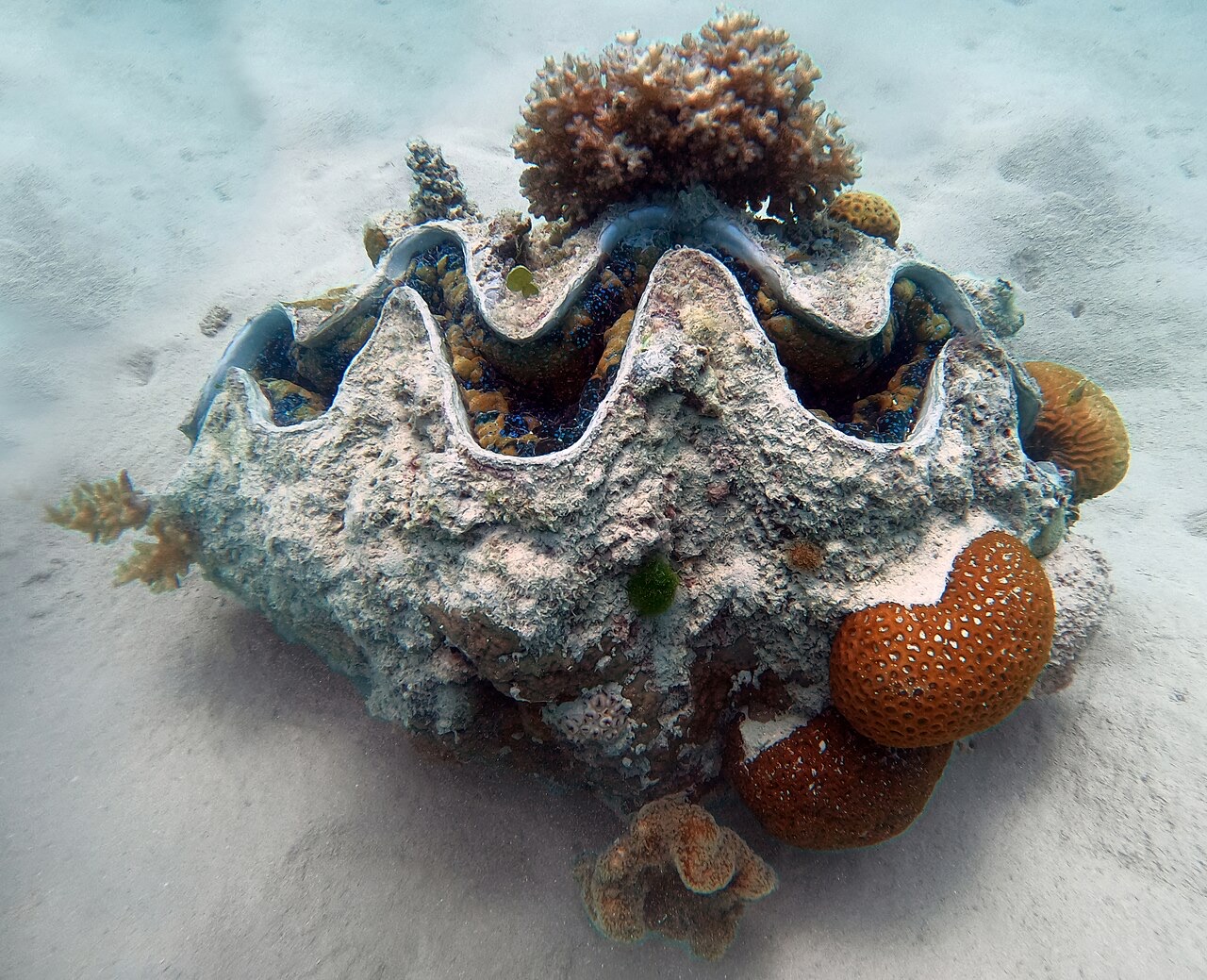
Giant Clam
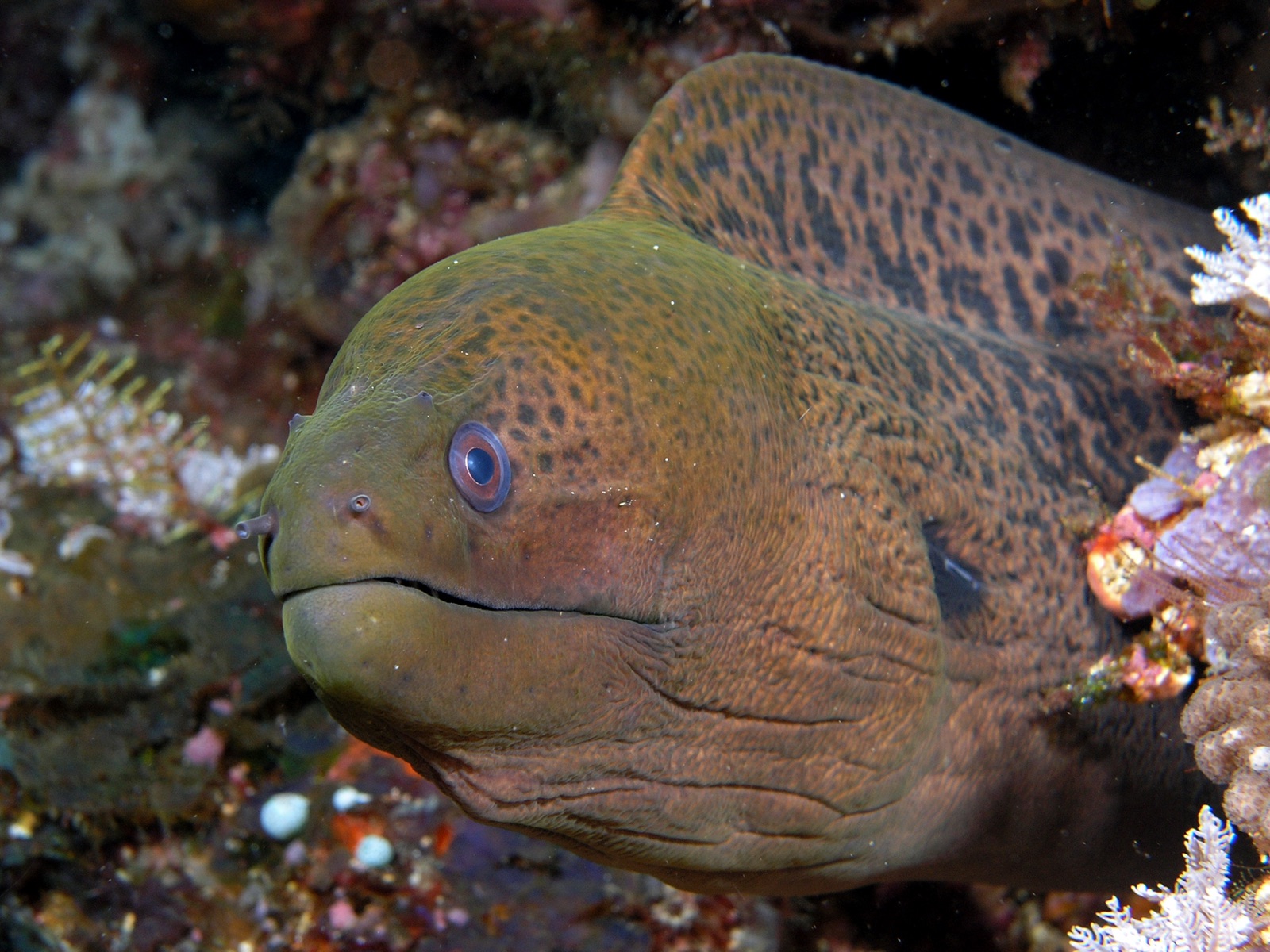
Giant Moray Eel
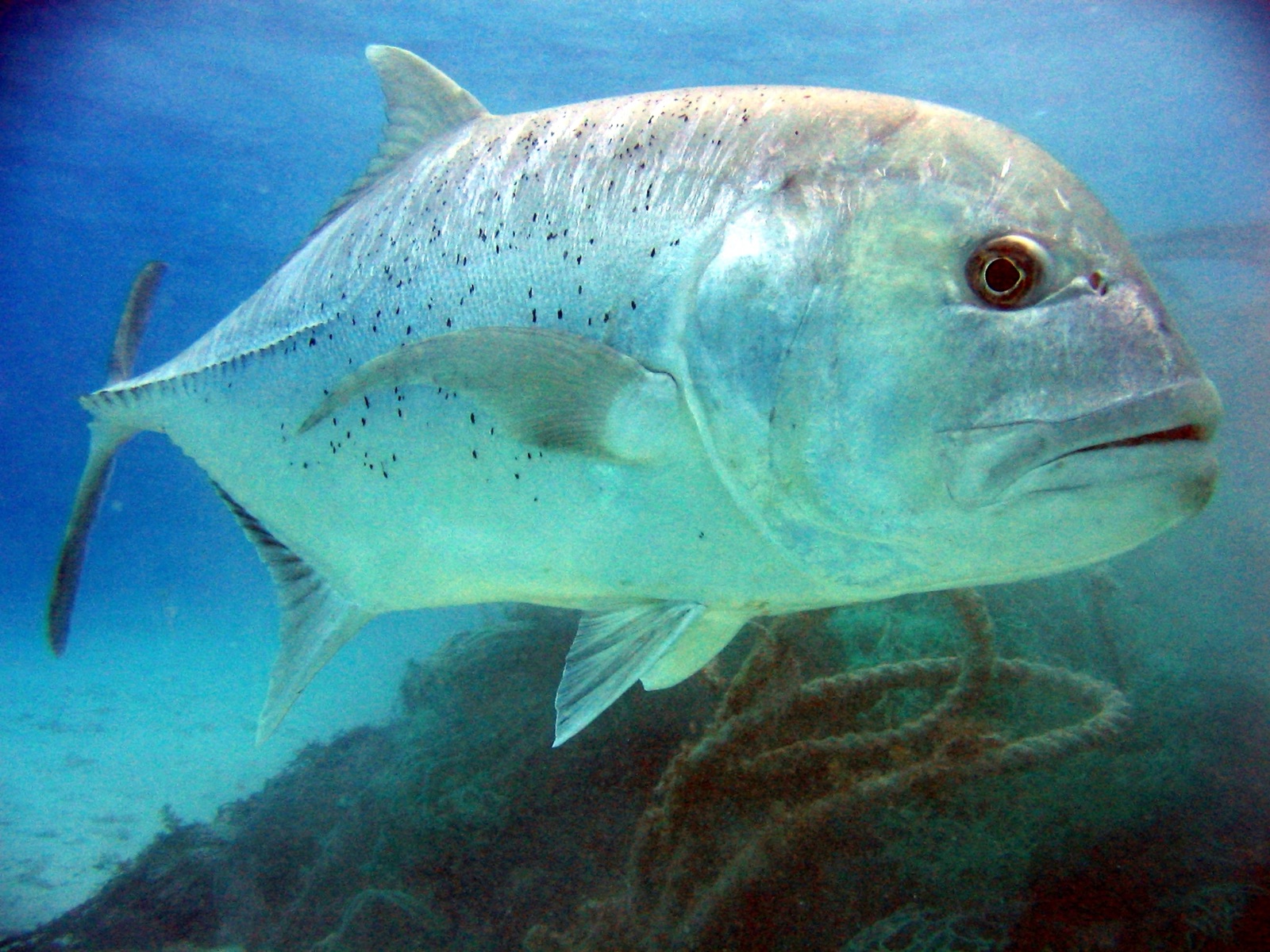
Giant Trevally
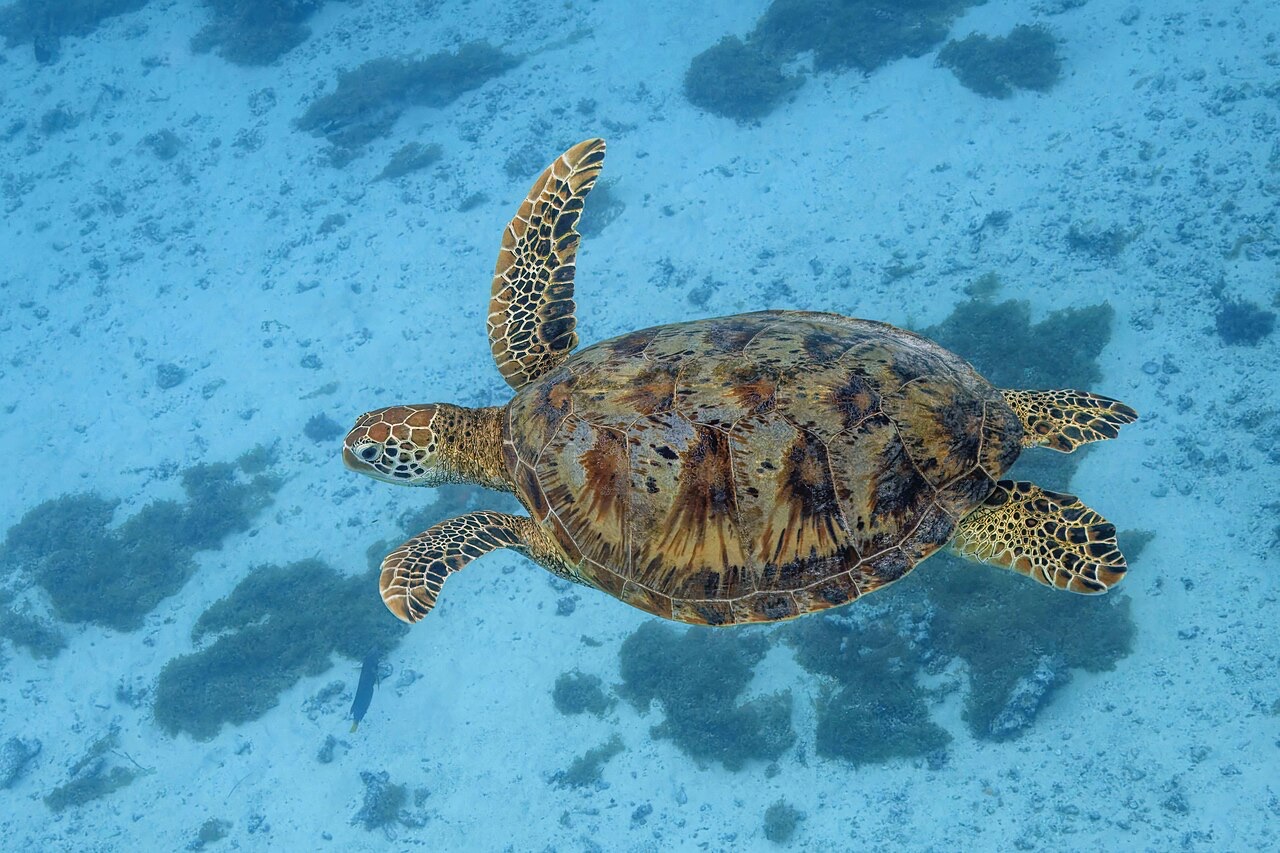
Green Sea Turtle
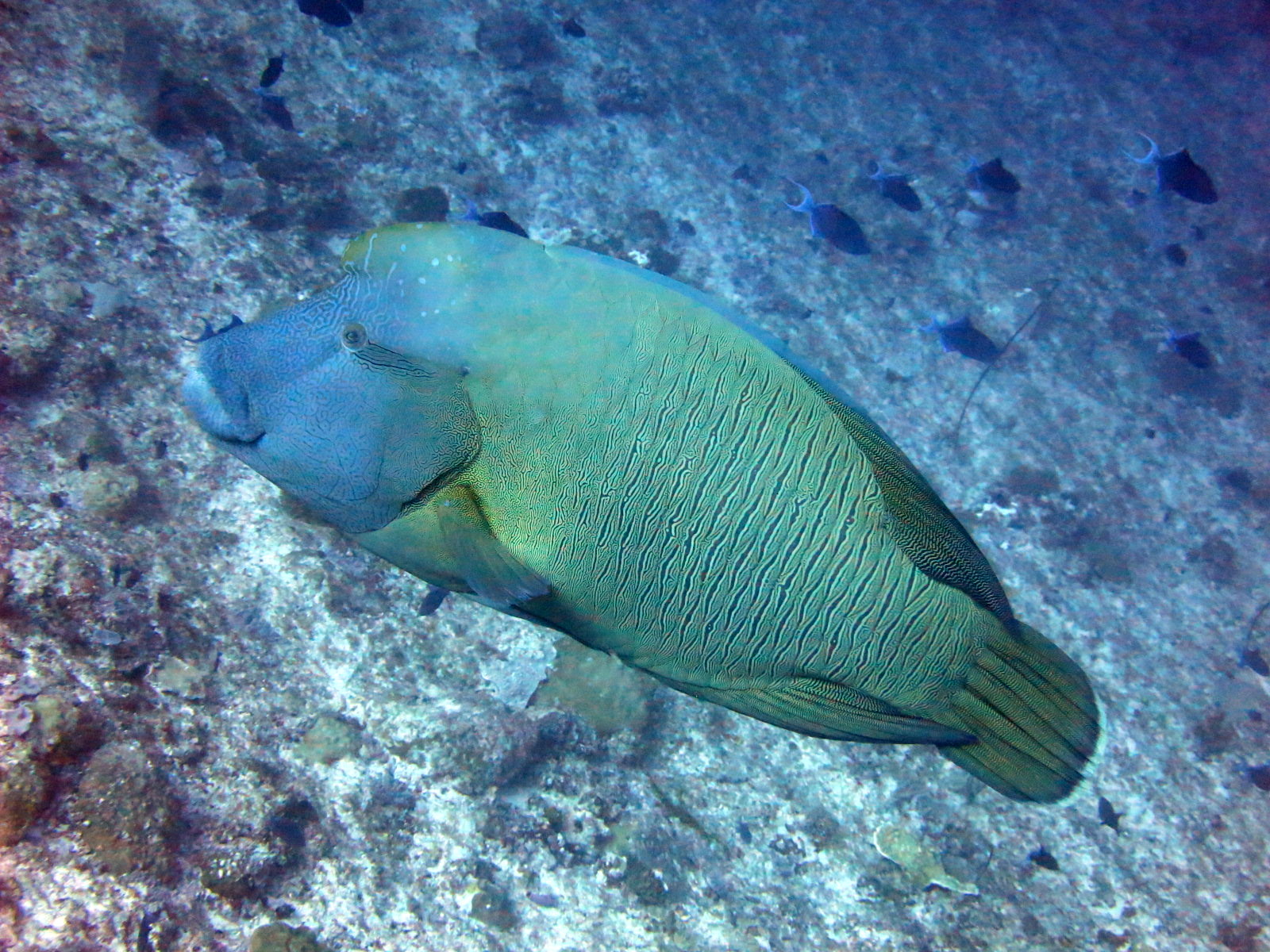
Napoleon (Humphead) Wrasse
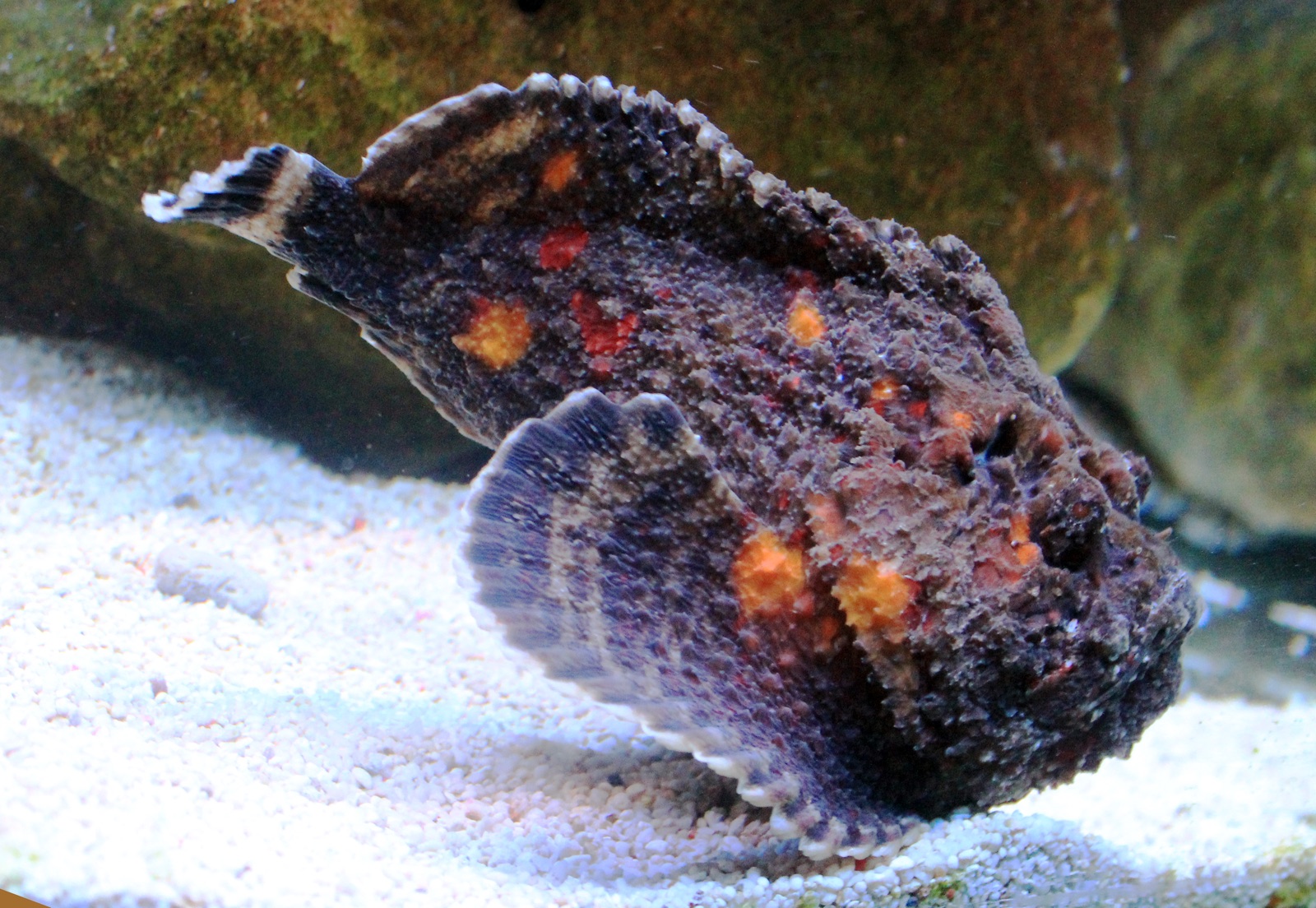
Reef Stonefish
Potato cod, Maori wrasse, whitetip and gray reef sharks, green and hawksbill turtles, giant trevally, olive sea snakes, garden eels, and dense schooling fish on the pinnacles. Dwarf minke whales visit the northern ribbons in June and July, and corals spawn en masse after the November full moon.
Getting there & staying
Getting there: Cairns has direct international and domestic connections. Day boats leave the Marlin Marina each morning; Port Douglas departures are about an hour north. Ribbon Reef liveaboards board in Cairns or Port Douglas, and many itineraries end with a light-aircraft transfer from Lizard Island back to Cairns.
Where to stay: Cairns concentrates hotels along the Esplanade near the marina; Port Douglas trades city convenience for a resort-town feel closer to the Agincourt reefs.
Liveaboards: Three- to four-night expeditions between Cairns and Lizard Island are the standard way to dive Cod Hole and the northern ribbons; day boats cannot reach them.
Costs: Converted from Australian dollars and approximate. Outer-reef day trips from Cairns or Port Douglas usually include two certified dives, gear, and lunch; ribbon-reef liveaboards are priced per night and cost considerably more.
Between dives: The Daintree rainforest, the Kuranda scenic railway and Skyrail, the Atherton Tablelands waterfalls, and Great Barrier Reef scenic flights fill surface intervals and no-fly days.
Snorkeling: Outer-reef pontoons and shallow coral gardens make this one of the easiest places on the reef for non-divers to join the trip.
Safety & practicalities
Hazards: Tidal currents in the passes between ribbons, marine stingers in the warmer months (protective suits are standard November to May), long distances from shore on liveaboard itineraries, and cyclone disruption December to April.
Dive well within limits this far from help, carry a surface marker on any drift, and build in the recommended no-fly interval before the Lizard Island flight or your trip home.
Nearest recompression: The nearest public hyperbaric unit is in Townsville. Emergencies are coordinated through Australian EMS and DAN; availability changes, so always call emergency services first.