Okinawa & the Kerama Islands
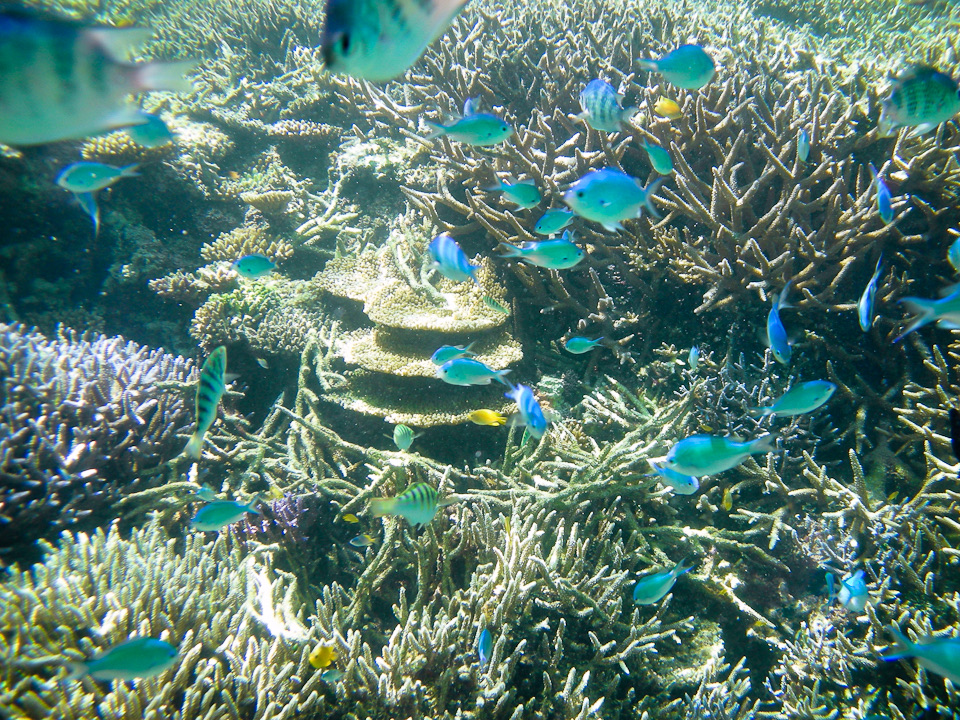
Okinawa pairs an easygoing subtropical main island with the Kerama Islands, a national park whose channels and white-sand lagoons hold some of Japan's clearest water. Turtles are close to guaranteed, the famous Blue Cave draws crowds to Cape Maeda, shore divers work the Sunabe seawall, and humpback whales winter around the Keramas. It is Japan's biggest, most accessible dive scene.
Why dive here
The Keramas are the heart of it: a scatter of islands 40 minutes west of Naha where sand channels run between coral heads in water so clear the boats seem to hover. Green and hawksbill turtles graze the lagoons, sea kraits hunt the rubble, garden eels sway over the channels, and from about January to March humpback whales breed among the islands, their song audible on many dives. On the main island, Cape Maeda's Blue Cave glows like stained glass and is busy for good reason, while the Sunabe seawall gives shore divers hundreds of relaxed meters of macro hunting: nudibranchs, frogfish, and anemone gardens a giant stride from the steps. Advanced divers add the deeper holes and cuts of the Onna coast, such as the chimney at Manza. Logistics are painless by dive-travel standards: city hotels, rental cars, ferries, and operators who run tight, punctual boats. Typhoon season asks for flexible plans, but there is almost always a lee shore somewhere.
Month by month
April to early July and October-November combine warm water with stable weather. Typhoons are most likely July to September and can shut ports for days. Winter is cool but clear, with humpback whales around the Keramas from roughly late December to March.
| Month | Water | Visibility | What it's like |
|---|---|---|---|
| January●●●○○ | 21–23 °C / 70–73 °F | 20–35 m | Humpbacks sing off the Keramas |
| February●●●○○ | 20–22 °C / 68–72 °F | 20–35 m | Whale season peak; cool water |
| March●●●○○ | 21–23 °C / 70–73 °F | 20–35 m | Whales linger; spring winds |
| April●●●●○ | 22–24 °C / 72–75 °F | 20–35 m | Warming water and pre-rain calm |
| May●●●●○ | 24–26 °C / 75–79 °F | 15–30 m | Rainy season begins mid-month |
| June●●●●○ | 26–28 °C / 79–82 °F | 15–30 m | Rains clear into summer |
| July●●●●○ | 28–30 °C / 82–86 °F | 15–35 m | Hot and glassy between typhoons |
| August●●●○○ | 28–30 °C / 82–86 °F | 15–35 m | Typhoon season peak |
| September●●●○○ | 27–29 °C / 81–84 °F | 15–35 m | Swell from passing storms |
| October●●●●○ | 25–27 °C / 77–81 °F | 20–35 m | Stable autumn diving |
| November●●●●○ | 24–26 °C / 75–79 °F | 20–35 m | Warm water lingers; thin crowds |
| December●●●○○ | 22–24 °C / 72–75 °F | 20–35 m | First whales arrive |
Monthly figures confidence: Documented. Months without a row have no verified data. We would rather show a gap than invent one.
The dive sites (4)
| Site | Type | Depth | Level | Access | |
|---|---|---|---|---|---|
| Blue Cave The blue glow itself, glassy sweeper swarms, easy cape reef outside the… | Cave | 2–25 m | Beginner | Shore | |
| Manza Dream Hole Chimney descent through sweeper curtains, blue exit window, clean Onna… | Cave | 5–26 m | Advanced | Boat | |
| Nishibama Kerama-blue visibility, near-guaranteed turtles, garden-eel meadows off a… | Reef | 5–25 m | Beginner | Boat | |
| Sunabe Seawall Car-to-water shore diving, deep nudibranch catalog, easy productive night… | Reef | 3–15 m | Beginner | Shore |
Marine life you can plan around
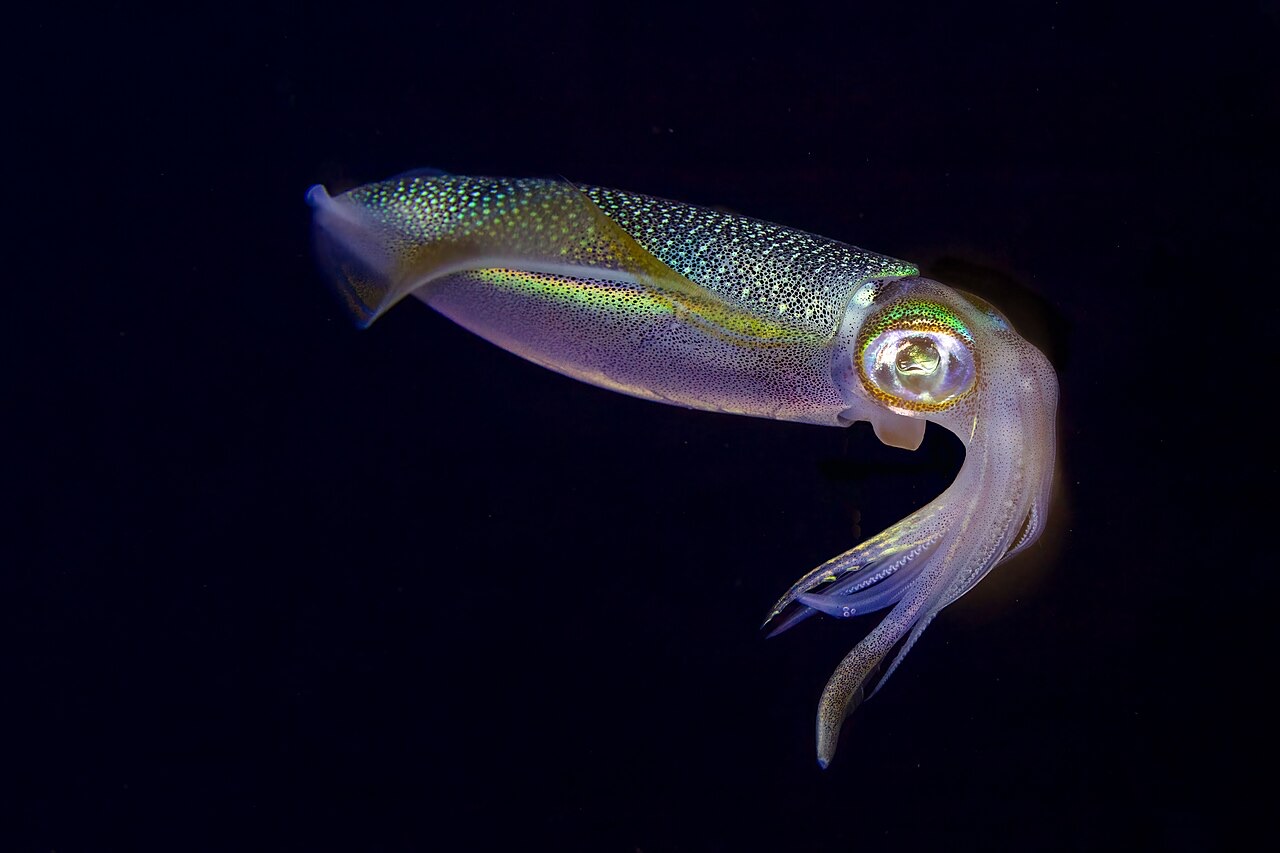
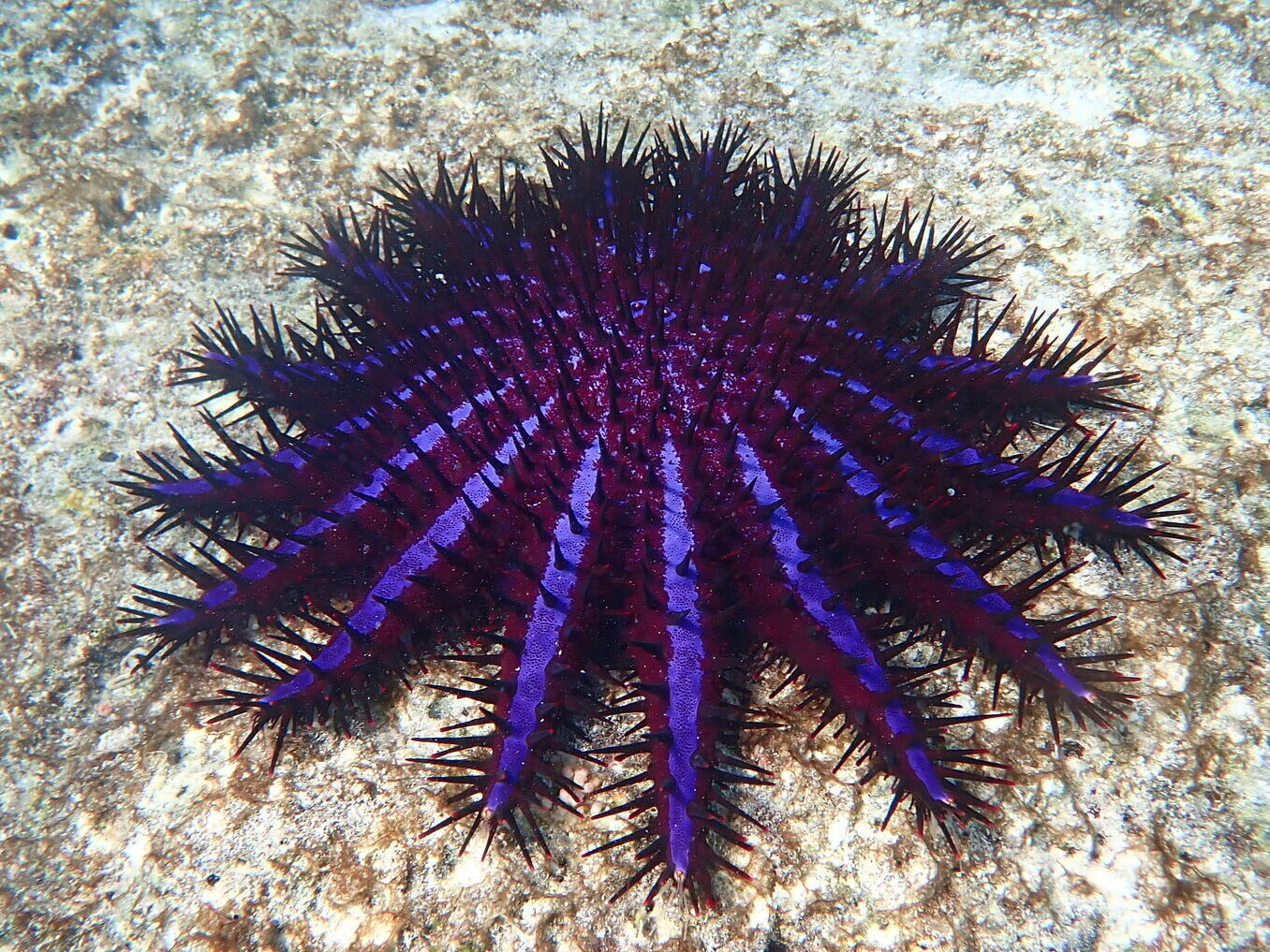
Green and hawksbill turtles in unusual densities, humpback whales in winter, sea kraits, garden eels, anemonefish of several species, cuttlefish, abundant nudibranchs, and reef fish over recovering hard coral. Manta and whale shark encounters are possible in the wider Ryukyus but are not reliable here.
Getting there & staying
Getting there: Naha has direct flights from mainland Japan and much of East Asia. Kerama day boats leave Naha's marinas, high-speed ferries serve Zamami and Tokashiki, and the Blue Cave and Sunabe are an easy rental-car drive up the west coast.
Where to stay: Stay in Naha for ferries and nightlife, in Chatan or Onna for shore diving and the cave coast, or on Zamami or Aka islands to wake up inside the national park.
Costs: Approximate conversion from yen for a standard two-boat-dive morning with tanks and weights; full rental and Kerama day trips from Naha cost more.
Between dives: Shuri Castle and Okinawan history, island-hopping ferries, whale watching in winter, beaches, and a food culture worth planning around.
Snorkeling: The Blue Cave, Kerama lagoons, and many west-coast beaches are first-rate snorkel territory; winter whale watching runs as surface tours.
Safety & practicalities
Hazards: Typhoon swell and port closures in late summer, current in the island channels, crowds and boat traffic at the Blue Cave, and venomous residents including lionfish, stonefish, and sea kraits: give everything space.
Confirm typhoon forecasts before committing to ferries, and treat the seawall and cave entries with respect in swell. Sea kraits are placid but highly venomous; never handle them.
Nearest recompression: Hyperbaric treatment is available on Okinawa main island. Emergencies go through 119 and DAN; facilities and availability change, so call emergency services first.