Cozumel
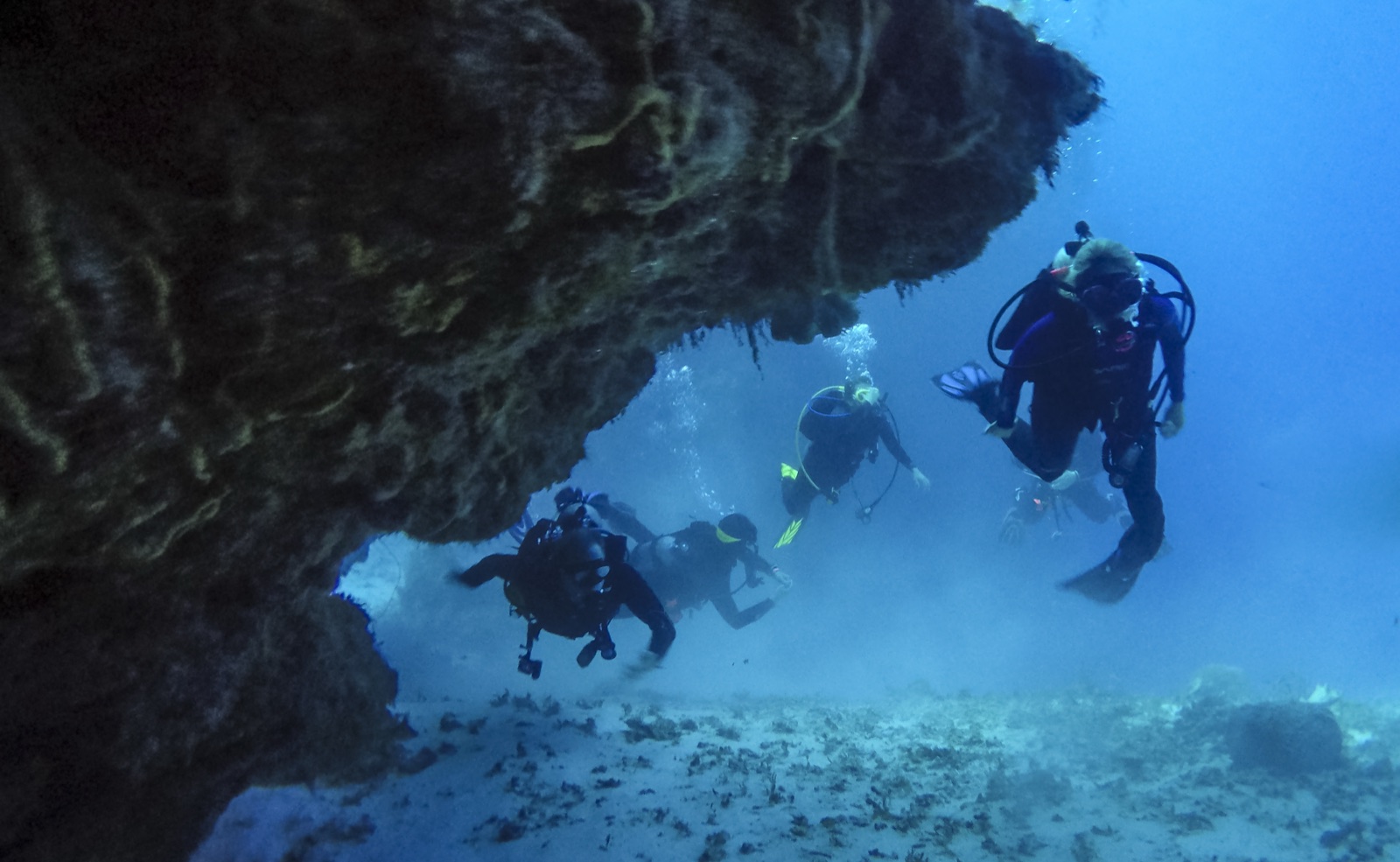
Cozumel is drift diving distilled: step off the boat and the current carries you along coral buttresses that rise from white sand like castle ramparts. Most of the famous sites sit inside the Arrecifes de Cozumel marine park on the island's sheltered leeward side, where visibility routinely stretches past 30 m. Short flights, simple logistics, and a large day-boat fleet make this the Caribbean's most dependable big-name dive destination.
Why dive here
The Yucatan Current does the work here. It sweeps north along Cozumel's western shore, feeding the sponges and gorgonians that give reefs like Palancar and Colombia their improbable bulk, and it turns most dives into effortless one-way flights. The southern marine park holds the marquee terrain: coral pinnacles split by sand channels, swim-throughs stacked three deep, and walls that tilt from slope to sheer as you move south toward Punta Sur. Winter brings spotted eagle rays gliding along the drop-offs; year-round you can hunt for the splendid toadfish, a frilled, striped oddity found nowhere else on Earth. Between dives the island stays easy: moorings sit minutes apart, surface intervals happen on flat leeward water, and San Miguel's waterfront is a short taxi from the piers. Beginners log their first drift here, and veterans still queue for Devil's Throat.
Month by month
Diveable all year. December through May is dry and settled; June through November is hurricane season, with the highest risk in September and October. Winter cold fronts (nortes) occasionally close the harbor for a day or two.
| Month | Water | Visibility | What it's like |
|---|---|---|---|
| January●●●●● | 25–27 °C / 77–81 °F | 20–40 m | Dry and settled; eagle rays on the walls. |
| February●●●●● | 25–27 °C / 77–81 °F | 20–40 m | Peak conditions; the odd norte blows through. |
| March●●●●● | 25–27 °C / 77–81 °F | 20–40 m | Calm and dry; eagle ray numbers taper. |
| April●●●●● | 26–28 °C / 79–82 °F | 20–40 m | Warm, flat seas and long sightlines. |
| May●●●●○ | 27–29 °C / 81–84 °F | 20–40 m | Hotter; first rains late in the month. |
| June●●●●○ | 27–29 °C / 81–84 °F | 20–40 m | Hurricane season opens; usually still fine. |
| July●●●●○ | 28–30 °C / 82–86 °F | 20–40 m | Warm water, busy boats, afternoon storms. |
| August●●●●○ | 28–30 °C / 82–86 °F | 20–40 m | Hot and humid; watch the tropics. |
| September●●●○○ | 28–30 °C / 82–86 °F | 15–35 m | Peak hurricane risk; quietest season. |
| October●●●○○ | 27–29 °C / 81–84 °F | 15–35 m | Storm risk lingers; rainier weeks. |
| November●●●●○ | 26–28 °C / 79–82 °F | 20–40 m | Drying out; first nortes arrive. |
| December●●●●● | 25–27 °C / 77–81 °F | 20–40 m | Dry season returns; holiday crowds build. |
Monthly figures confidence: Documented. Months without a row have no verified data. We would rather show a gap than invent one.
The dive sites (7)
| Site | Type | Depth | Level | Access | |
|---|---|---|---|---|---|
| C-53 Felipe Xicotencatl Upright intact hull, guided interior corridors, glassy sweepers, easy depth… | Wreck | 15–25 m | Intermediate | Boat | |
| Colombia Wall Skyscraper pinnacles, ravine swim-throughs, turtles and eagle rays… | Wall | 12–40 m | Intermediate | Boat | |
| Palancar Gardens Ten-meter coral towers, easy warm-up drift, turtles and angelfish, sunlit… | Reef | 6–25 m | Beginner | Boat | |
| Paradise Reef Splendid toadfish sightings, night diving minutes from town, octopus and… | Reef | 5–14 m | Beginner | Boat | |
| Paso del Cedral Dense snapper and grunt schools, nurse sharks under ledges, lively shallow… | Reef | 10–20 m | Intermediate | Boat | |
| Punta Sur, Devil's Throat The tunnel exit at 40 m, cathedral-like passages, black coral, big-animal… | Wall | 15–40 m | Advanced | Boat | |
| Santa Rosa Wall Sweeping wall drift, swim-through tunnels, barrel sponges, winter eagle… | Wall | 12–40 m | Intermediate | Boat |
Marine life you can plan around
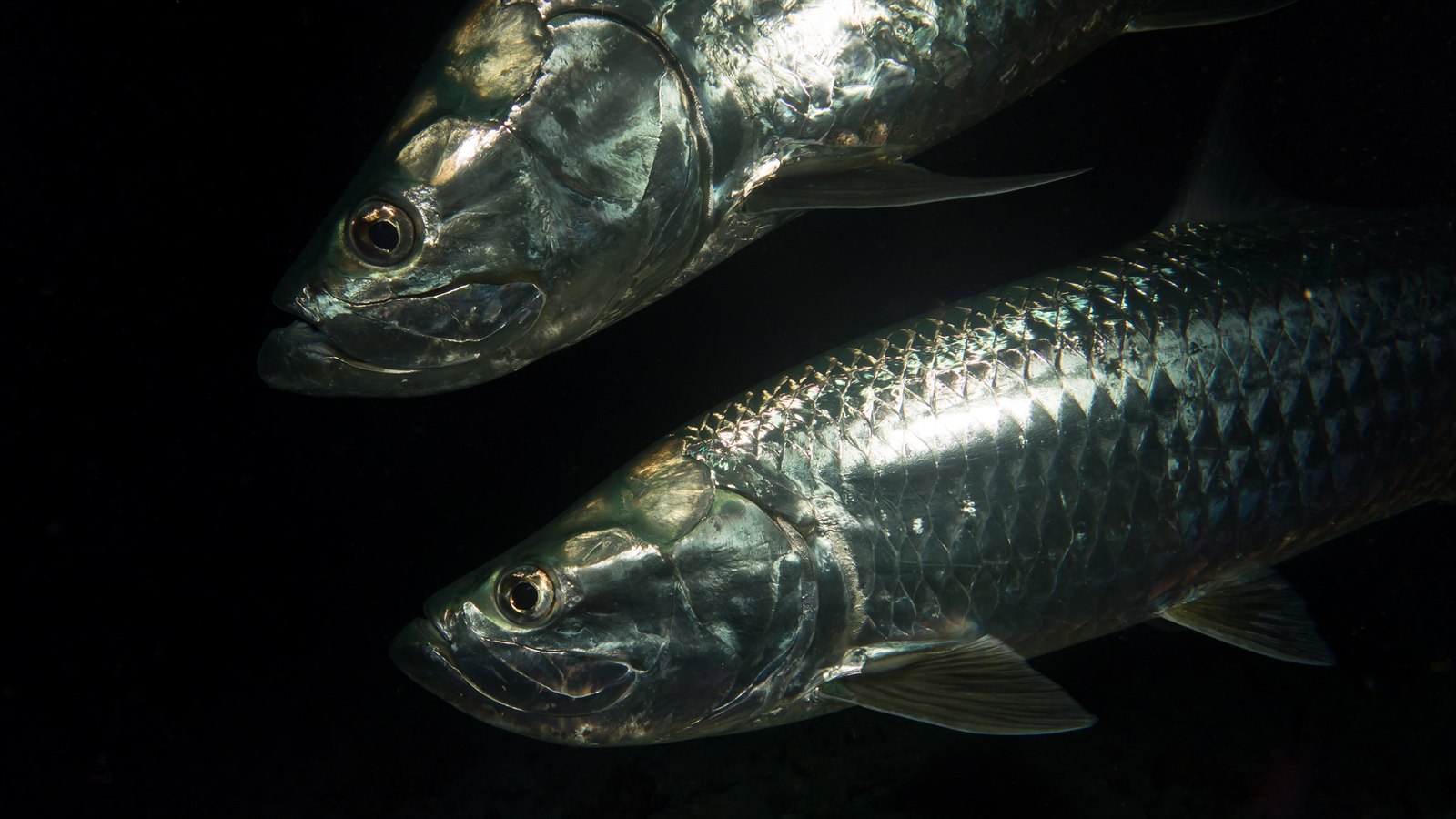
Atlantic Tarpon
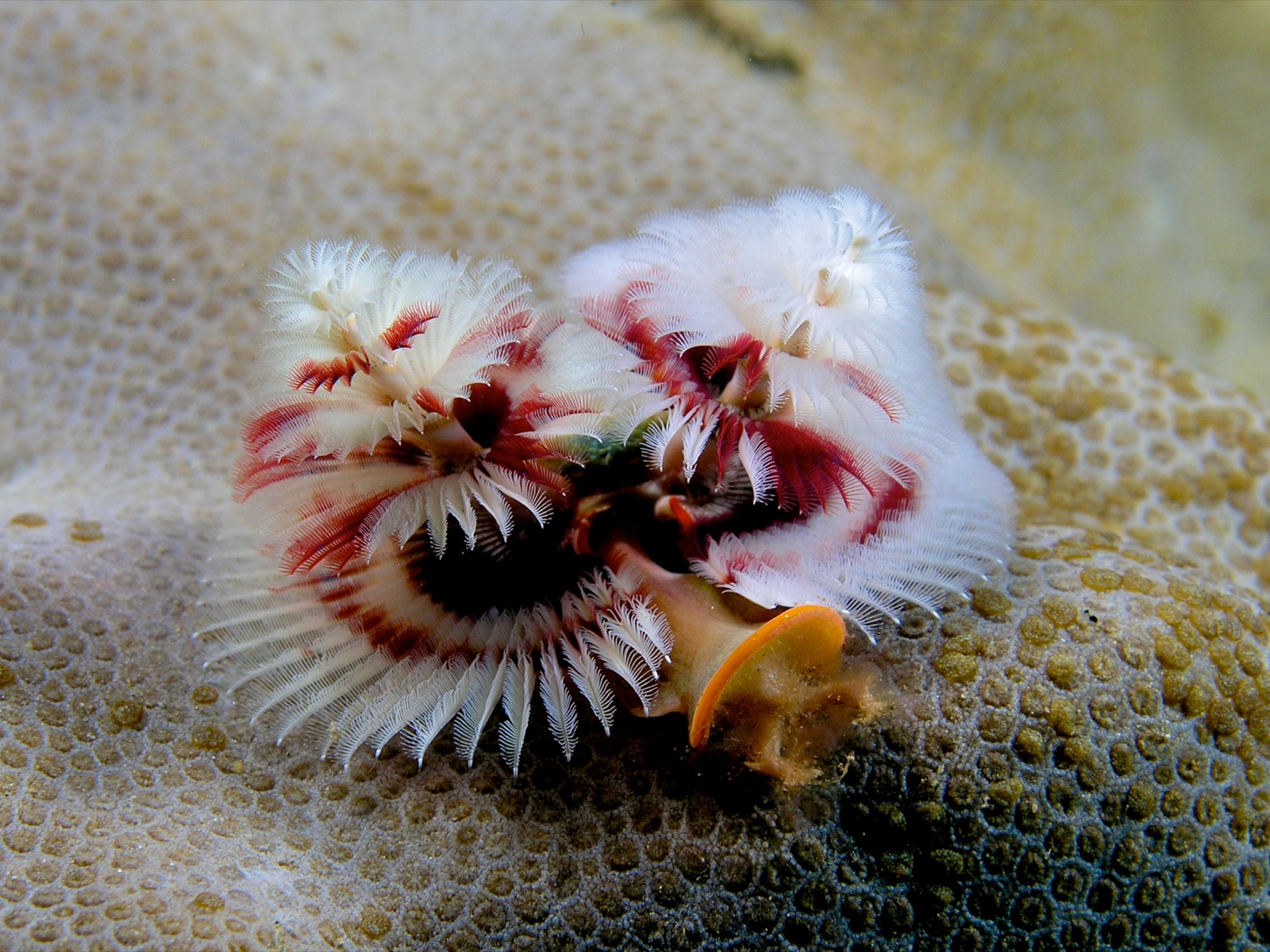
Christmas Tree Worm
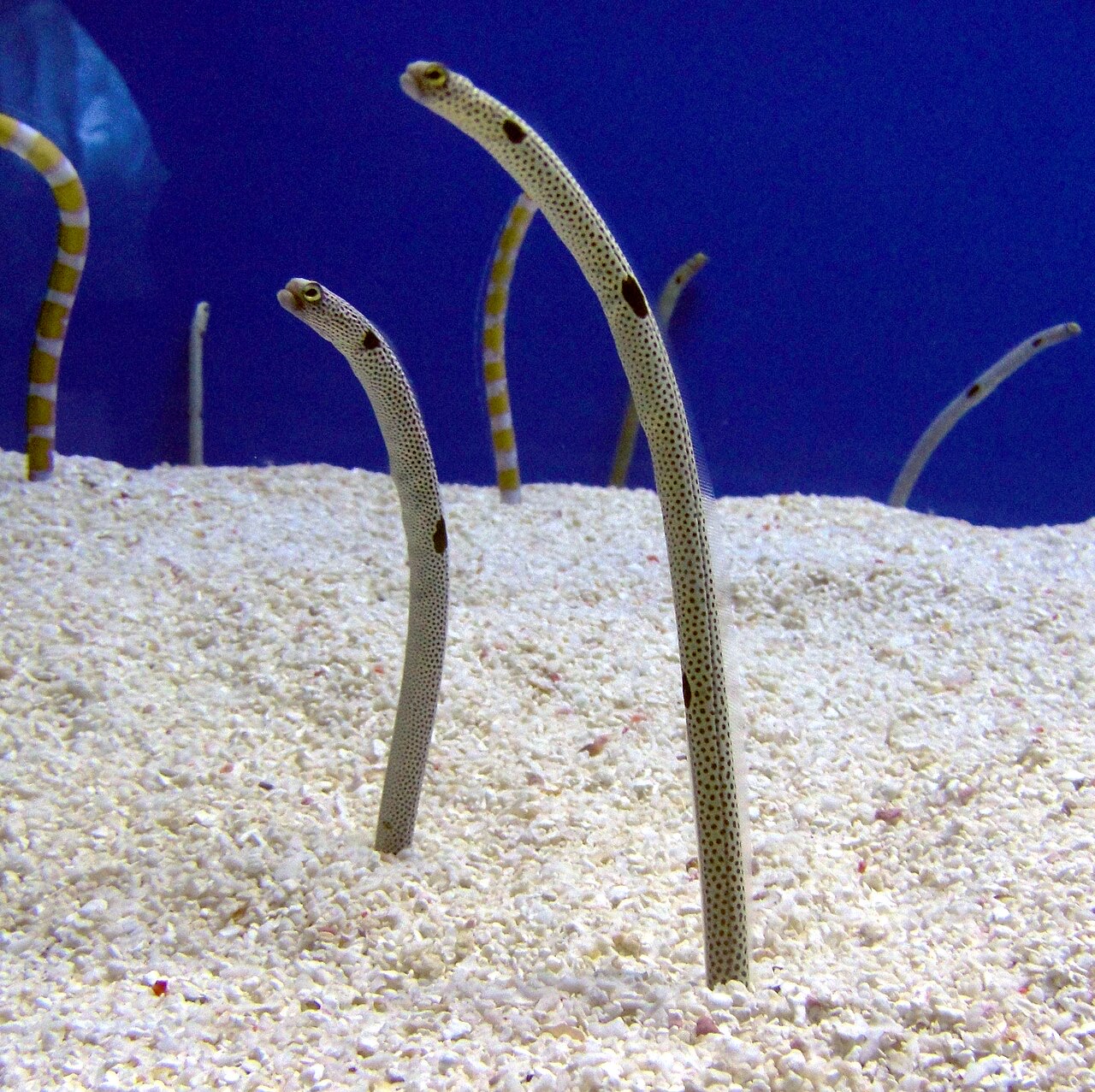
Garden Eel
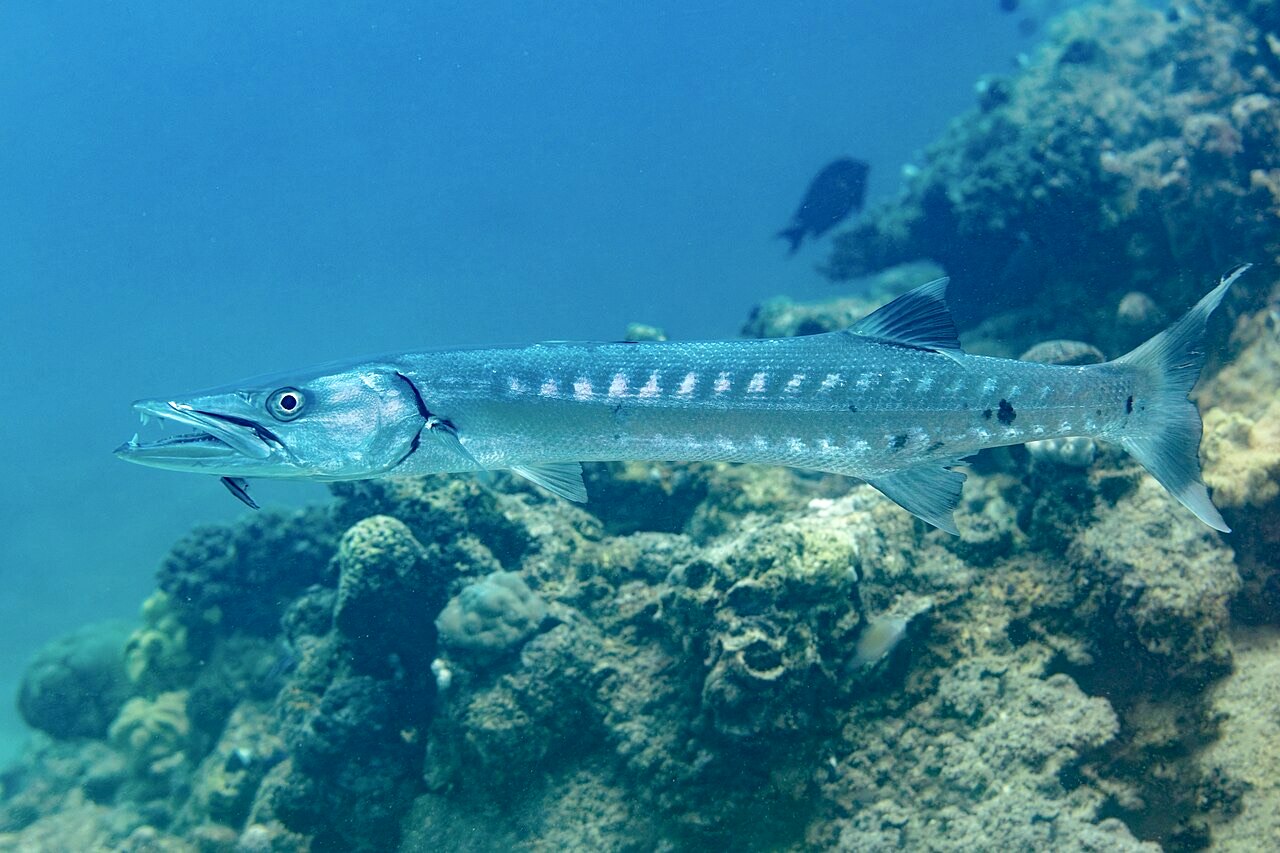
Great Barracuda
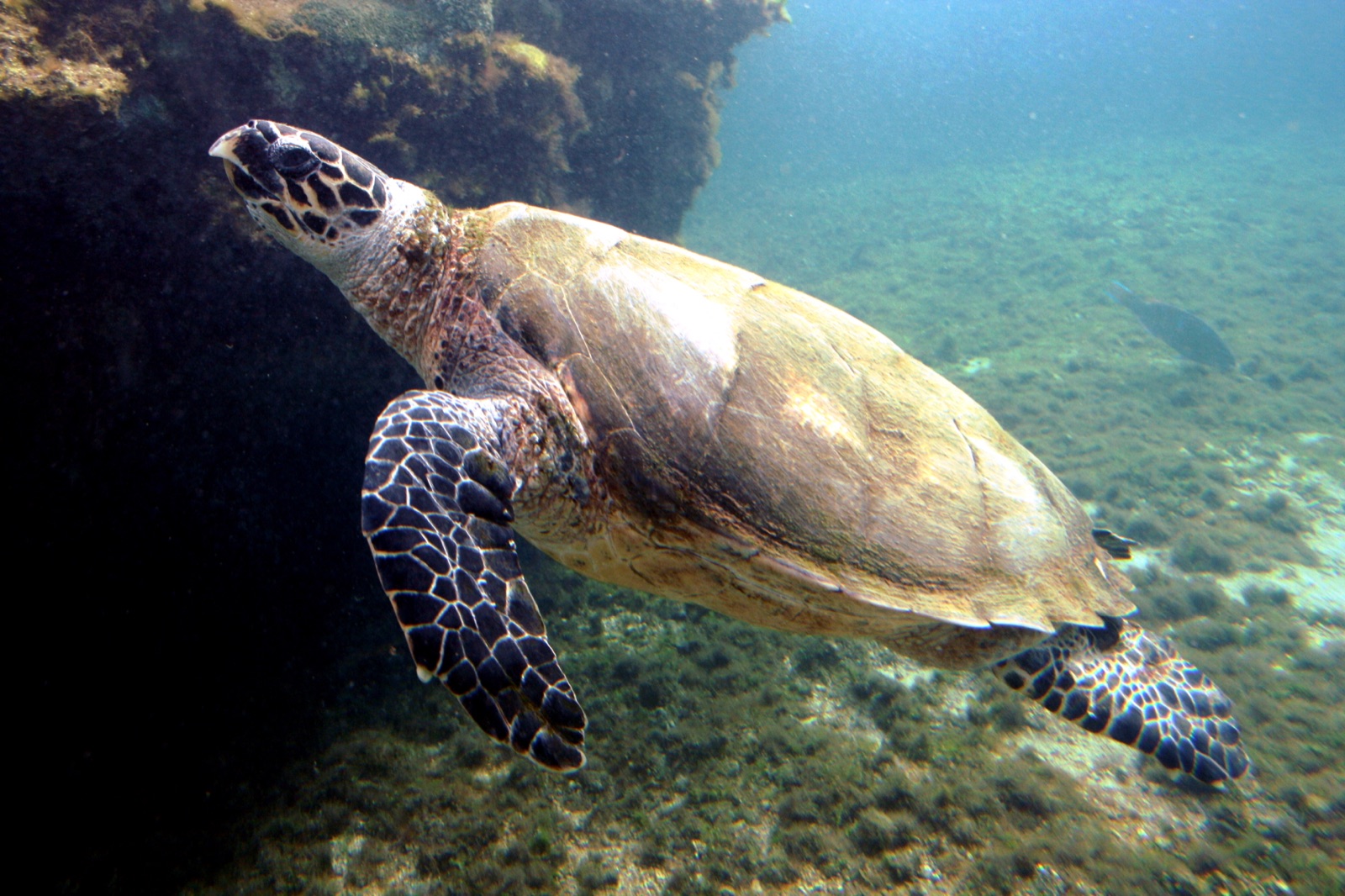
Hawksbill Turtle
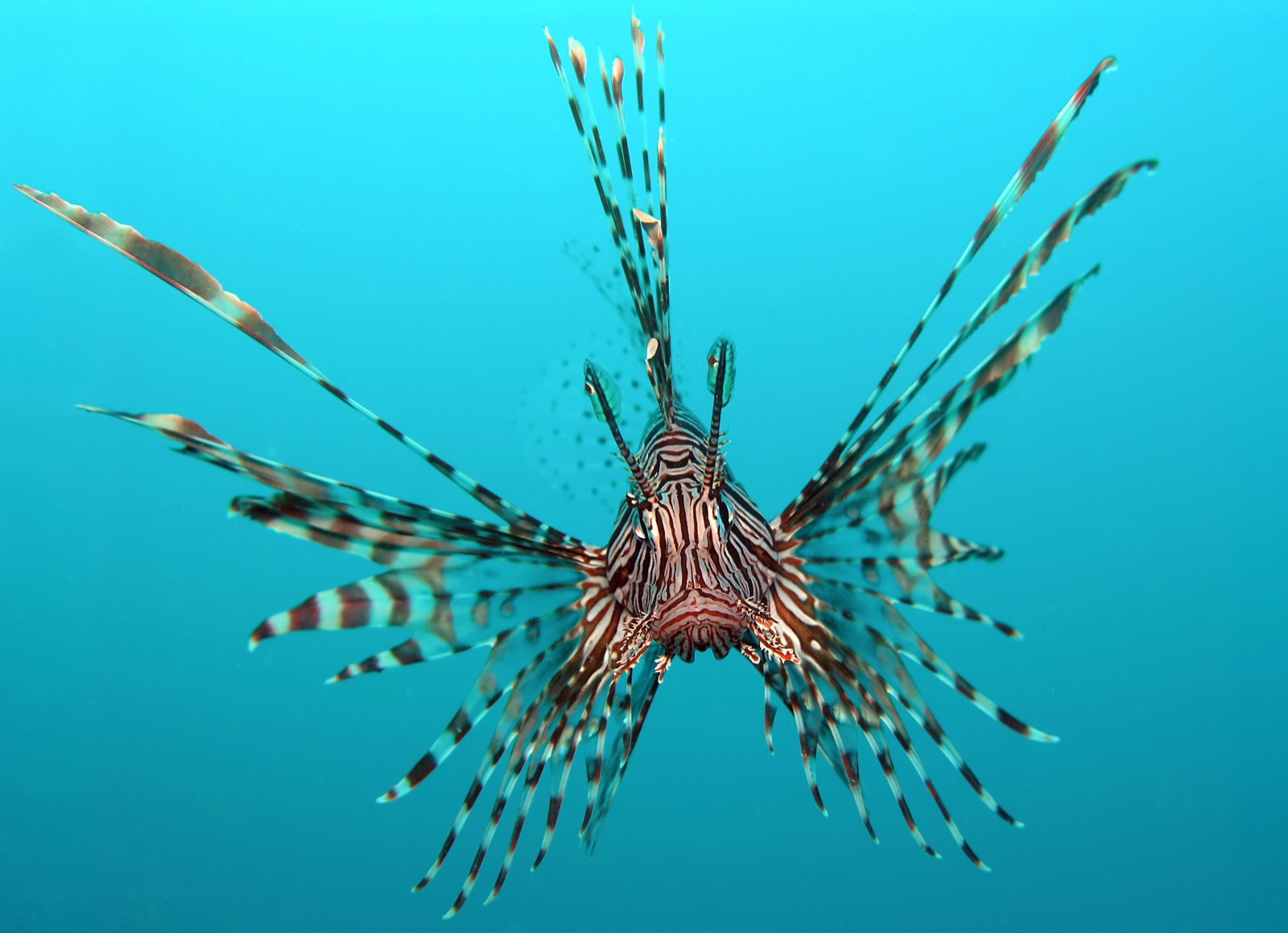
Lionfish
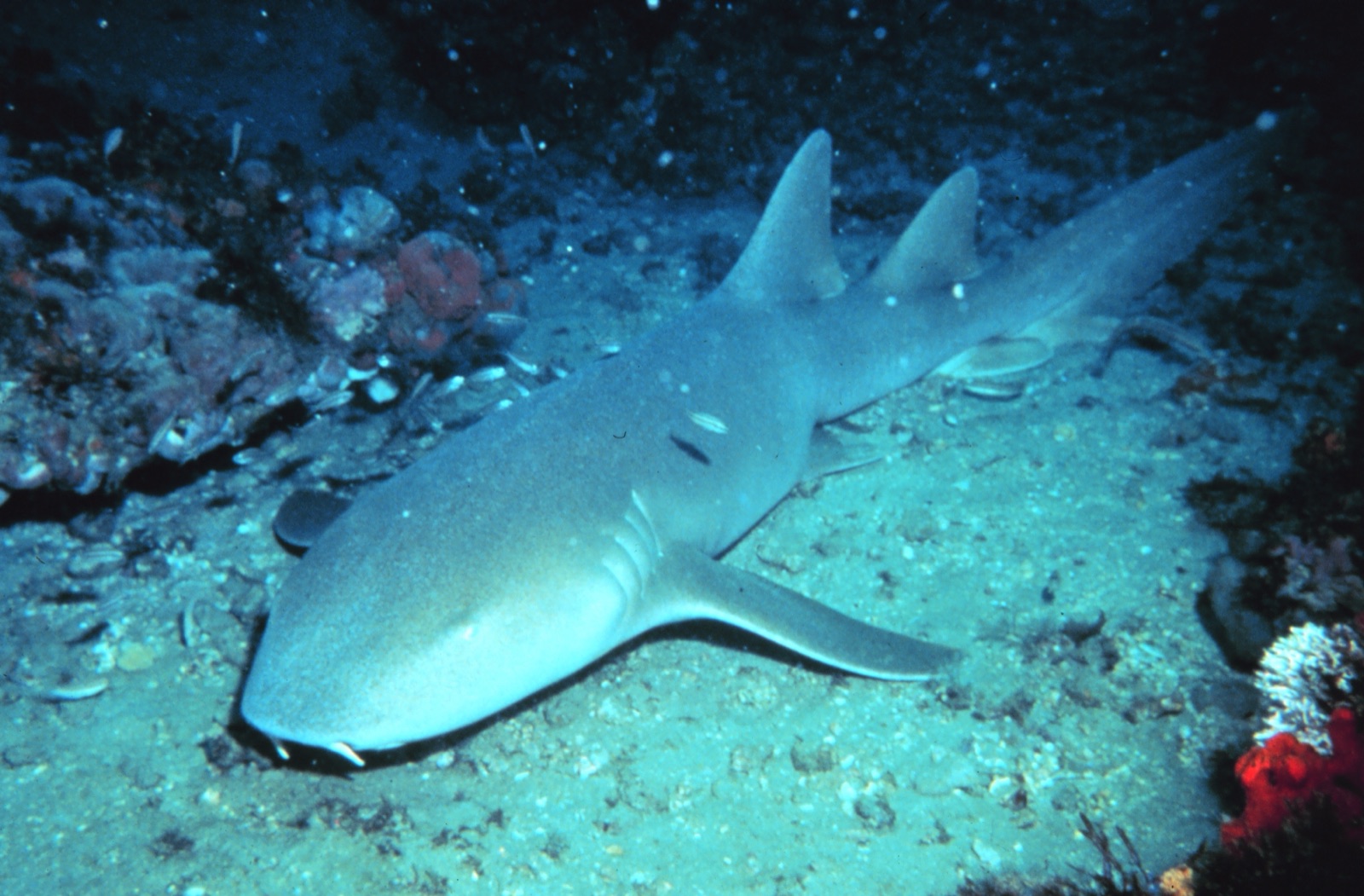
Nurse Shark
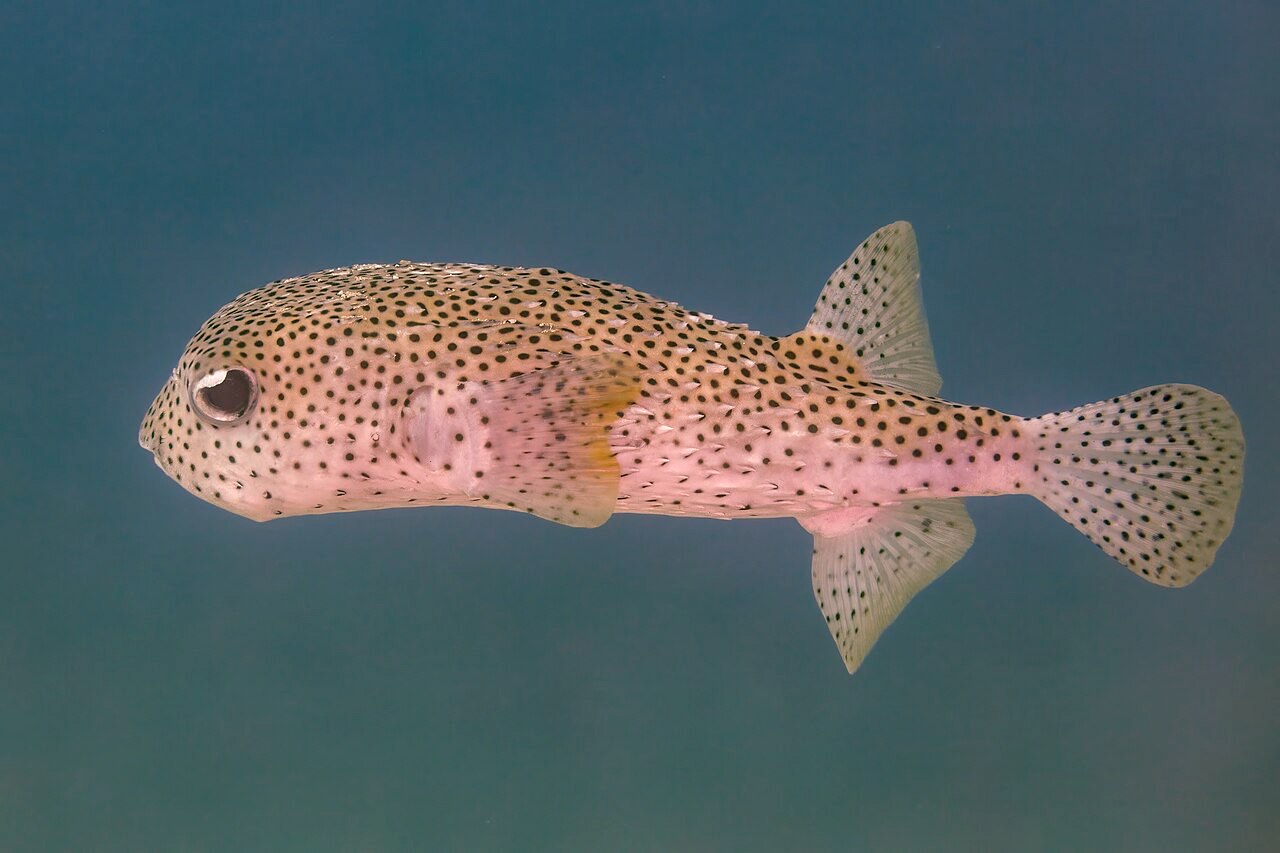
Porcupinefish
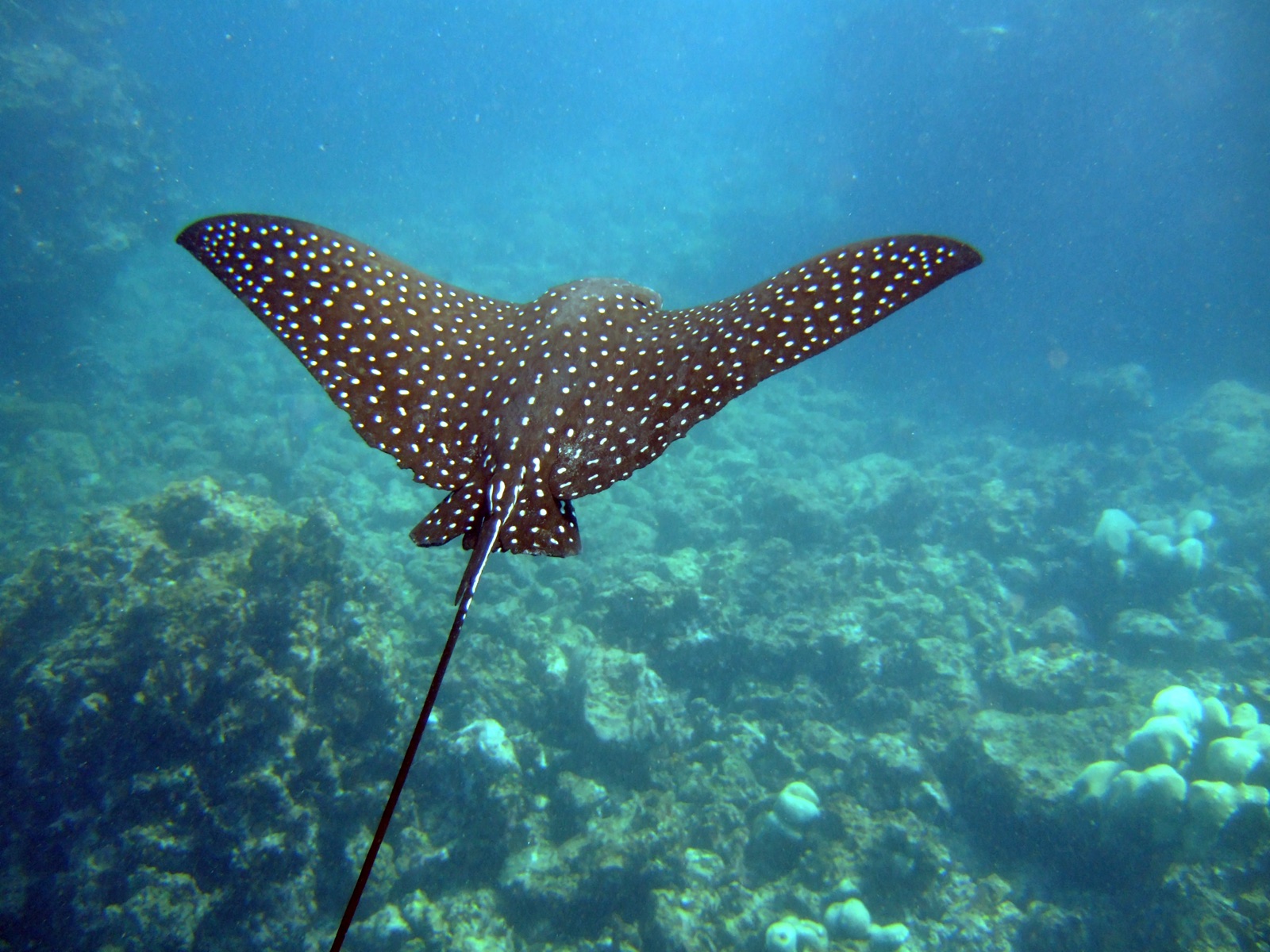
Spotted Eagle Ray
Splendid toadfish peering from ledges, spotted eagle rays December through March, hawksbill and green turtles, nurse sharks resting under coral heads, big barracuda, and dense schools of grunts and snappers over the buttresses.
Wrecks here
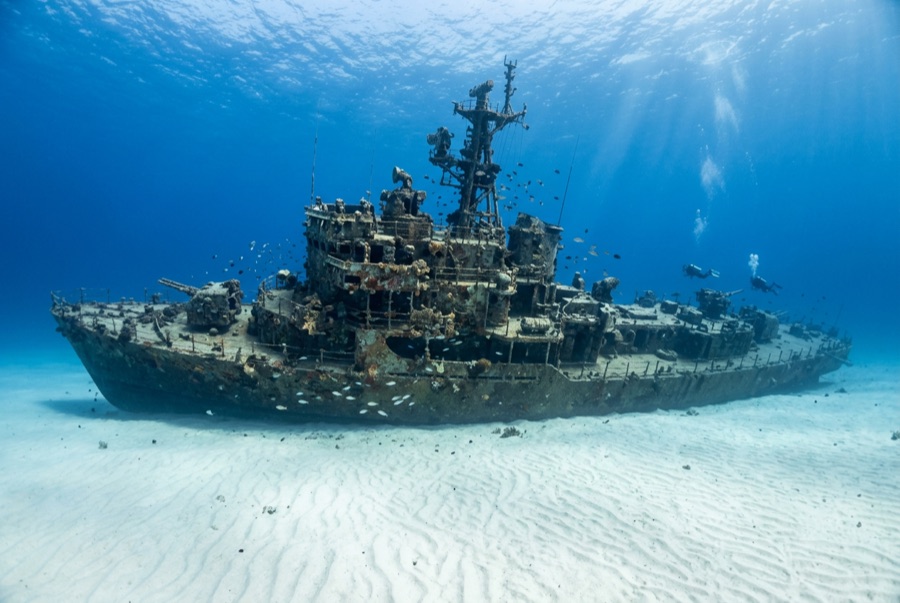
C-53 Felipe Xicoténcatl
Getting there & staying
Getting there: Direct flights reach CZM from several US hubs; the budget route is flying to Cancun, bus to Playa del Carmen, then the 45-minute passenger ferry. Dive boats load at piers along the west coast.
Where to stay: San Miguel town puts restaurants and the ferry at your door; hotels strung south along the coastal road sit closer to the marine-park boat runs.
Costs: Two-tank boat dives; the daily marine-park bracelet and gear rental cost extra. Many operators discount multi-day packages.
Between dives: San Gervasio Maya ruins, the wild windward beaches, Punta Sur eco park, and easy mainland day trips to Tulum and Playa del Carmen.
Safety & practicalities
Hazards: Currents can accelerate without warning, especially at the southern sites, and buddy-team separations happen. Boat traffic is constant near the piers and over the shallow reefs.
Carry a surface marker buoy and know how to deploy it mid-water. Follow the drift briefing closely, and treat Devil's Throat and the deeper walls as advanced dives with firm depth plans.
Nearest recompression: Hyperbaric chambers operate on the island; emergencies route through your operator's plan, local EMS, and DAN, and availability changes.