Fakarava
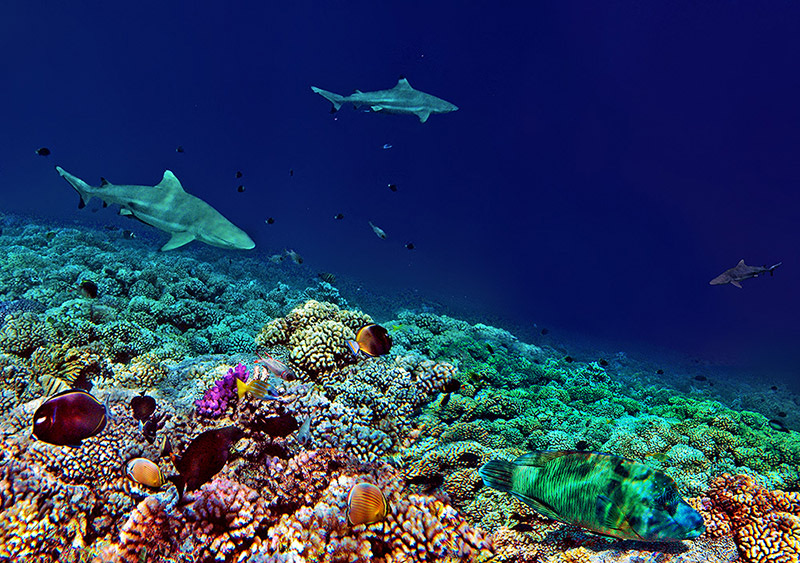
Fakarava, a UNESCO Biosphere Reserve in the Tuamotus, is defined by two passes at opposite ends of a 60-kilometer lagoon. In the south, Tumakohua Pass holds the wall of sharks: hundreds of gray reef sharks stacked in the current off the tiny village of Tetamanu. In the north, Garuae is French Polynesia's widest pass, a big-water drift over shark-covered terraces. Around the full moons of June and July, thousands of camouflage groupers gather here to spawn.
Why dive here
The south pass earns its legend honestly. On most days several hundred gray reef sharks hold formation in the incoming flow, layered from the coral shelf down the drop-off; divers settle in the lee, watch the wall breathe, then ride the current over pink-sand channels to the village jetty. Researchers filming the mid-year grouper aggregation counted sharks in the several hundreds and groupers in the thousands, a spectacle that happens on a schedule set by the moon. Night dives here, among packs of hunting sharks, are run carefully by local guides and rank among diving's most intense experiences. The north is a different instrument: Garuae's sheer volume of water builds drift dives across terraces of reef sharks, snapper schools, and dogtooth tuna, finishing along Ohotu's wall. Fakarava is quieter and more rustic than Rangiroa (pensions, bicycles, one road), and its biosphere status reflects genuine local stewardship. Divers plan around tides, moons, and the little planes from Papeete, and are repaid in shark density that almost nowhere else can match.
Month by month
Sharks crowd the south pass all year. The famous camouflage-grouper spawning aggregations peak around the June and July full moons, inside the settled trade-wind season; the austral summer is warmer and damper with rare cyclone risk. Currents follow the tide table, not the calendar.
| Month | Water | Visibility | What it's like |
|---|---|---|---|
| January●●●●○ | 27–29 °C / 81–84 °F | 25–45 m | Warm, humid; sharks as always. |
| February●●●●○ | 27–30 °C / 81–86 °F | 25–45 m | Austral summer; showers pass quickly. |
| March●●●●○ | 27–30 °C / 81–86 °F | 25–45 m | Settled diving continues. |
| April●●●●○ | 27–29 °C / 81–84 °F | 25–45 m | Transition month. |
| May●●●●● | 26–28 °C / 79–82 °F | 25–45 m | Trade season; groupers beginning to gather. |
| June●●●●● | 26–28 °C / 79–82 °F | 25–45 m | Spawning aggregation around the full moon. |
| July●●●●● | 25–27 °C / 77–81 °F | 25–45 m | Second spawning window; peak shark theater. |
| August●●●●○ | 25–27 °C / 77–81 °F | 25–40 m | Cool, clear, breezy. |
| September●●●●○ | 25–27 °C / 77–81 °F | 25–40 m | Reliable trades. |
| October●●●●○ | 26–28 °C / 79–82 °F | 25–45 m | Winds easing, water warming. |
| November●●●●○ | 26–28 °C / 79–82 °F | 25–45 m | Quiet shoulder season. |
| December●●●●○ | 27–29 °C / 81–84 °F | 25–45 m | Warm-season pattern returns. |
Monthly figures confidence: Documented. Months without a row have no verified data. We would rather show a gap than invent one.
The dive sites (4)
| Site | Type | Depth | Level | Access | |
|---|---|---|---|---|---|
| Garuae Pass Shark-covered terraces on a huge tide; big pelagics in the entry blue; the… | Channel | 15–40 m | Advanced | Boat | |
| Ohotu Wall Ocean-clear water on an easy wall; steady shark and turtle traffic… | Wall | 8–35 m | Intermediate | Boat | |
| Tetamanu Jetty Blacktips beneath your fins from the first minute; pink-sand shallows at… | Reef | 1–10 m | Beginner | Shore | |
| Tumakohua Pass The gray reef shark wall; the grouper aggregation and night hunts around… | Channel | 5–35 m | Intermediate | Boat |
Marine life you can plan around
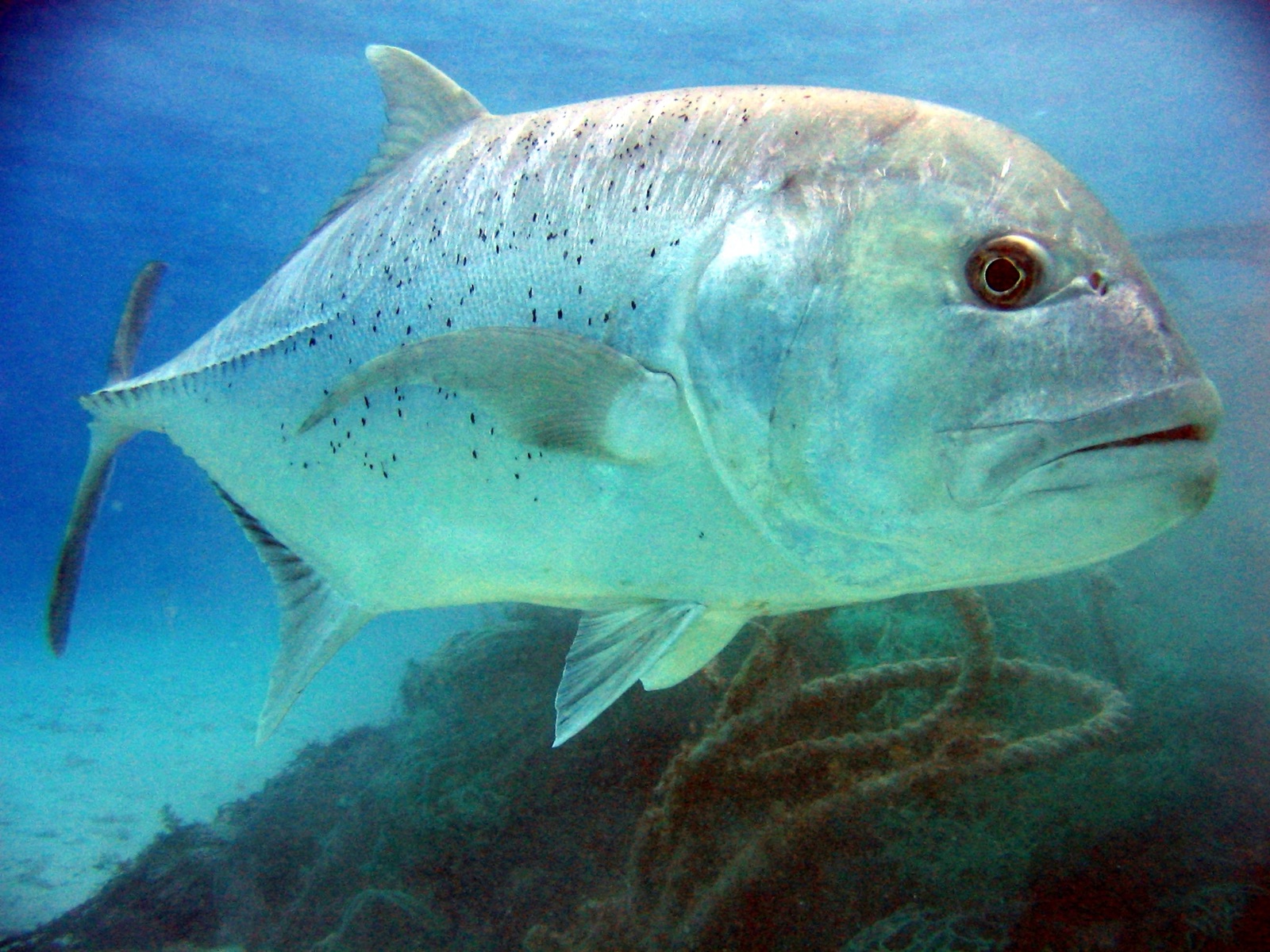
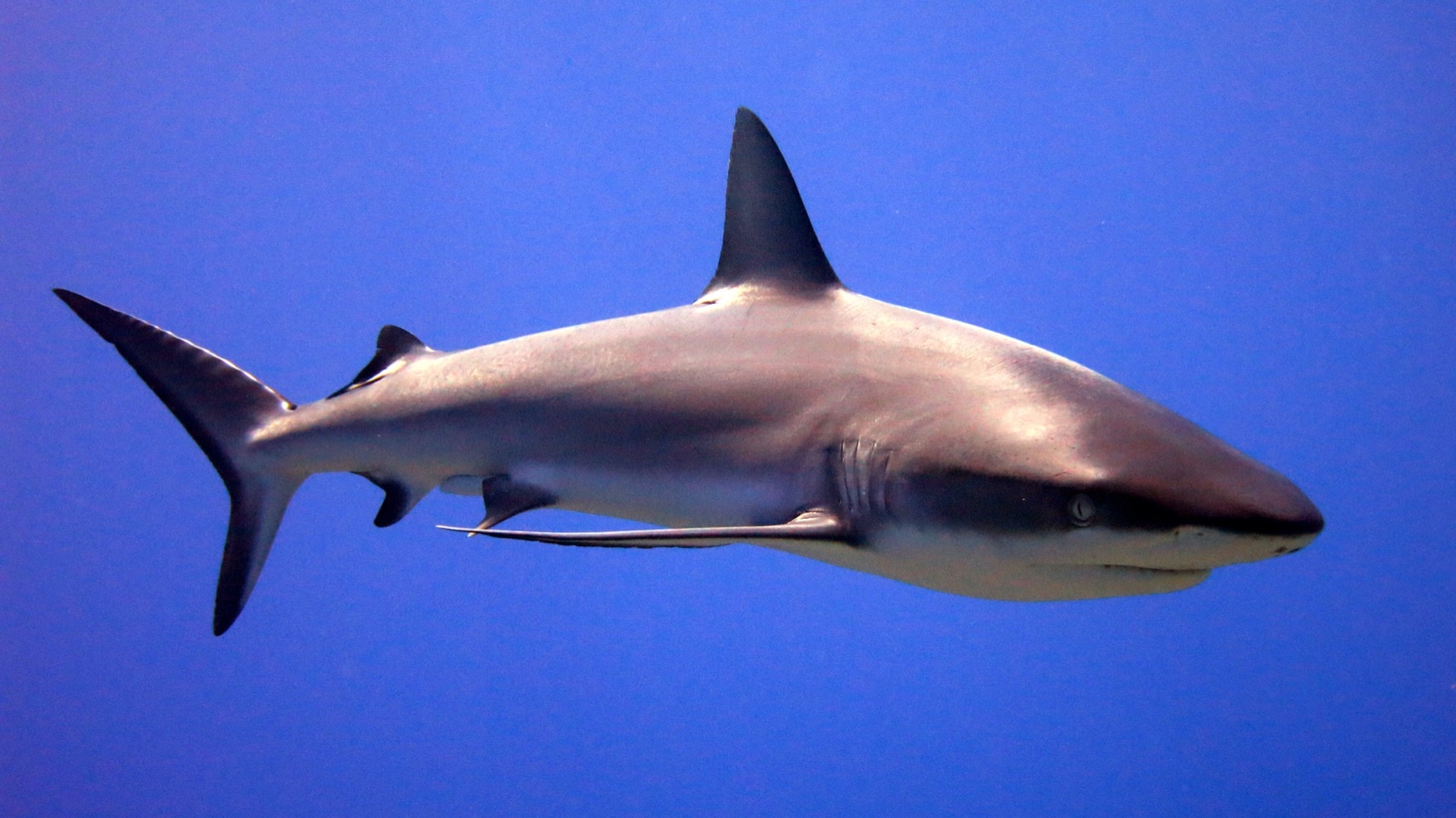
Gray reef sharks in the hundreds, blacktip and whitetip reef sharks, camouflage grouper aggregations in season, Napoleon wrasse, green turtles, eagle rays, dogtooth tuna, and paving-stone hard corals in the passes.
Getting there & staying
Getting there: Air Tahiti links Papeete to Fakarava's northern airstrip; Tetamanu in the south is then a long lagoon transfer by boat. Some liveaboards include Fakarava on Tuamotu circuits.
Where to stay: Rotoava in the north has most pensions and dive centers; a handful of tiny lodges sit by the south pass for divers who want the wall of sharks at their doorstep. Book the south early: beds are few.
Costs: Editorial estimate for 2026; south-pass day trips from the north cost more because of the lagoon crossing, and many divers split their stay between the two ends instead.
Between dives: Cycling the north islet's single road, pearl farms, the pink sands near the south pass, birding on the reserve's motu, and a level of quiet that becomes the attraction itself.
Snorkeling: The south pass shallows and village jetty offer exceptional snorkeling on gentle tides, with blacktips and turtles over pink sand.
Safety & practicalities
Hazards: Strong tidal currents in both passes; the south pass shallows can drain fast on the outgoing tide; night dives among feeding sharks demand tight group discipline; long distances between the atoll's ends.
Dive the incoming tide with local guides, keep hands off the reef in current, and treat the night hunt as an advanced, guided-only event. Papeete is the nearest real medical care.
Nearest recompression: The territory's hyperbaric facility is in Papeete; availability changes. Any suspected decompression case is an evacuation. Plan profiles accordingly and carry DAN cover.