British Columbia
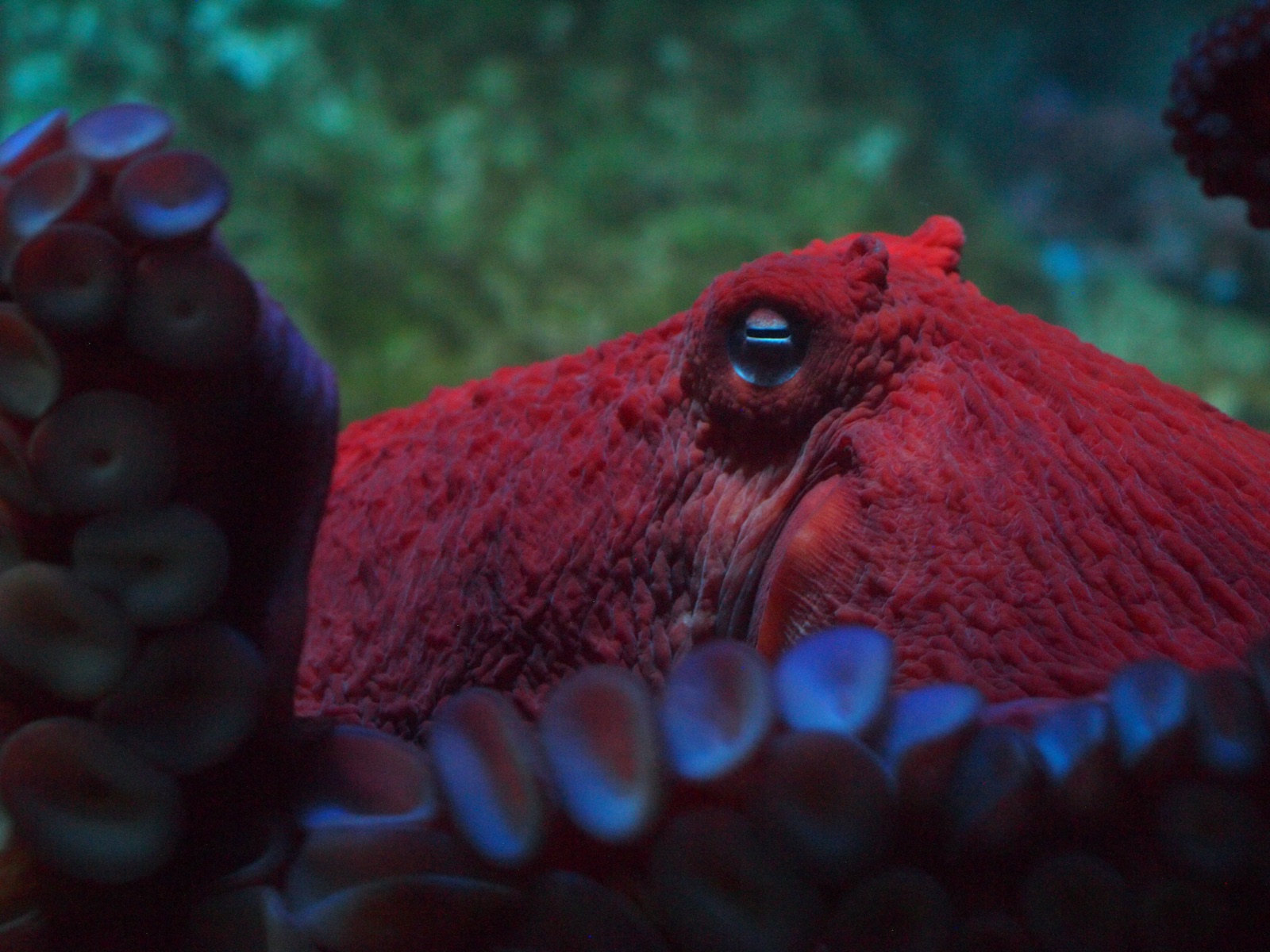
British Columbia's cold, current-scoured channels hold what many traveled divers rate as the best temperate diving on earth: walls sheeted in white plumose anemones, giant Pacific octopuses, wolf eels that greet divers like old dogs, and invertebrate color that out-paints most coral reefs. The hubs are Vancouver's Howe Sound shore sites, Nanaimo and Victoria on Vancouver Island, and the remote God's Pocket area off Port Hardy. Winter, counterintuitively, is prime time - the plankton dies back and visibility opens to 30 m.
Why dive here
Emerald water changes what abundance means. The nutrient engine that keeps BC's water green all summer builds animal biomass that tropical reefs cannot match: anemone walls so dense the rock disappears, basket stars, Puget Sound king crabs, rockfish hanging like ornaments, and the two icons - giant Pacific octopus, the largest octopus species on earth, and wolf eels, which pair for life in dens and emerge to inspect divers. Current is the price and the reason; sites like Browning Wall and the ferocious Skookumchuck Narrows are dived on slack tide by the clock, and the life thins the moment the flow does. From October through March the plankton crashes, water clears to 15-30 m, and drysuited divers get the famous winter visibility with 7-9 C water. God's Pocket, reached by boat from Port Hardy, concentrates the best of it. Add curious Steller and California sea lions in season, and BC makes its argument: diving is not warm-water sport with a cold-water consolation bracket. It may be the other way around.
Month by month
Diveable year-round in drysuits. October-March brings the celebrated winter visibility (often 15-30 m) with 7-10 C water; summer runs 10-16 C near the surface with plankton blooms that cut visibility but feed everything. Current-swept sites are dived strictly on slack tide in any month.
| Month | Water | Visibility | What it's like |
|---|---|---|---|
| January●●●●● | 7–9 °C / 45–48 °F | 15–30 m | Peak winter clarity; drysuit weather above and below. |
| February●●●●● | 7–9 °C / 45–48 °F | 15–30 m | |
| March●●●●○ | 7–10 °C / 45–50 °F | 12–25 m | |
| April●●●○○ | 8–11 °C / 46–52 °F | 8–18 m | Spring bloom begins to green the water. |
| May●●●○○ | 9–13 °C / 48–55 °F | 5–12 m | |
| June●●●○○ | 10–14 °C / 50–57 °F | 5–12 m | |
| July●●●○○ | 11–15 °C / 52–59 °F | 5–15 m | |
| August●●●○○ | 12–16 °C / 54–61 °F | 6–15 m | Warmest surface water; life at maximum density. |
| September●●●●○ | 11–15 °C / 52–59 °F | 8–18 m | |
| October●●●●● | 10–13 °C / 50–55 °F | 12–25 m | Bloom dies back; visibility opens. |
| November●●●●● | 8–11 °C / 46–52 °F | 15–30 m | |
| December●●●●● | 7–10 °C / 45–50 °F | 15–30 m |
Monthly figures confidence: Documented. Months without a row have no verified data. We would rather show a gap than invent one.
The dive sites (5)
| Site | Type | Depth | Level | Access | |
|---|---|---|---|---|---|
| Browning Wall Total invertebrate cover, winter 20 m-plus visibility, dens of octopus and… | Wall | 5–30 m | Intermediate | Boat | |
| Dillon Rock Multiple octopus and wolf eel dens on one small rock, long shallow bottom… | Pinnacle | 5–21 m | Intermediate | Boat | |
| Seven Tree Island Boulder-garden dens, king crabs in parade colors, a kinder introduction to… | Wall | 6–26 m | Intermediate | Boat | |
| Skookumchuck Narrows (Sechelt Rapids) The densest anemone carpet in the province, current-window precision… | Channel | 10–25 m | Advanced | Boat | |
| Whytecliff Park City-side access, harbor seal escorts, a serious wall a short swim from a… | Shore | 5–35 m | Beginner | Shore |
Marine life you can plan around
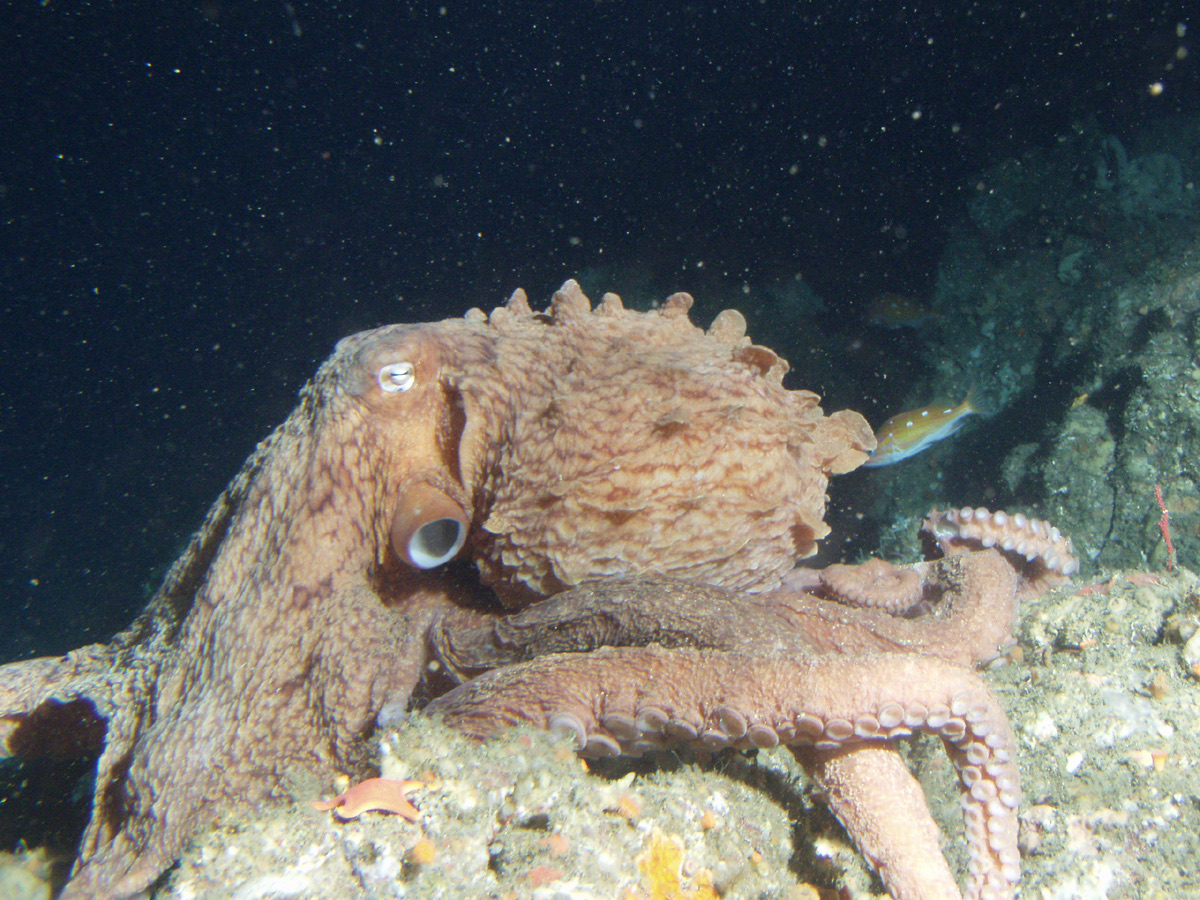
Giant Pacific Octopus
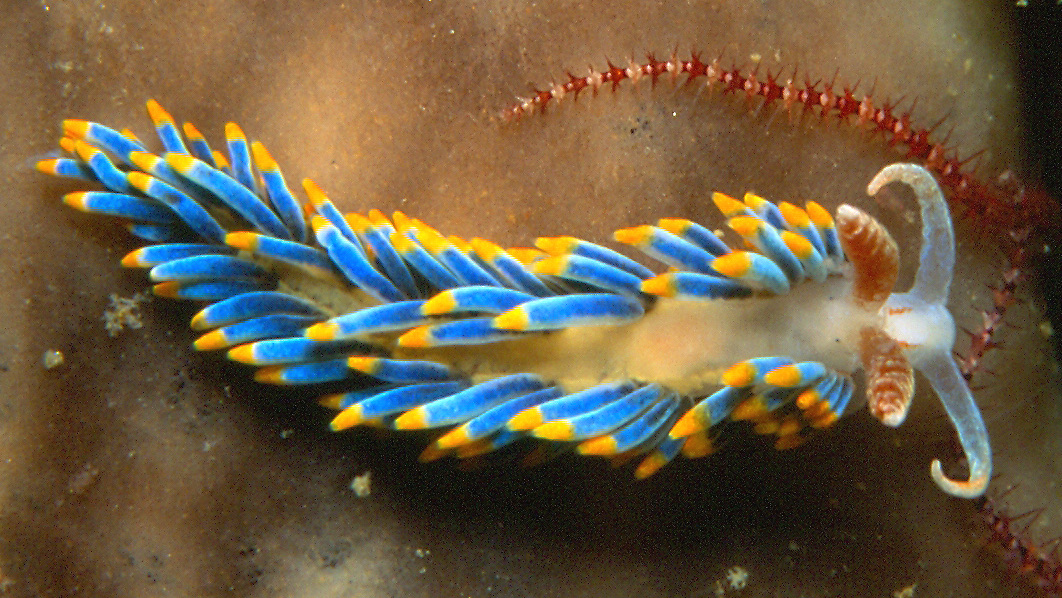
Nudibranchs
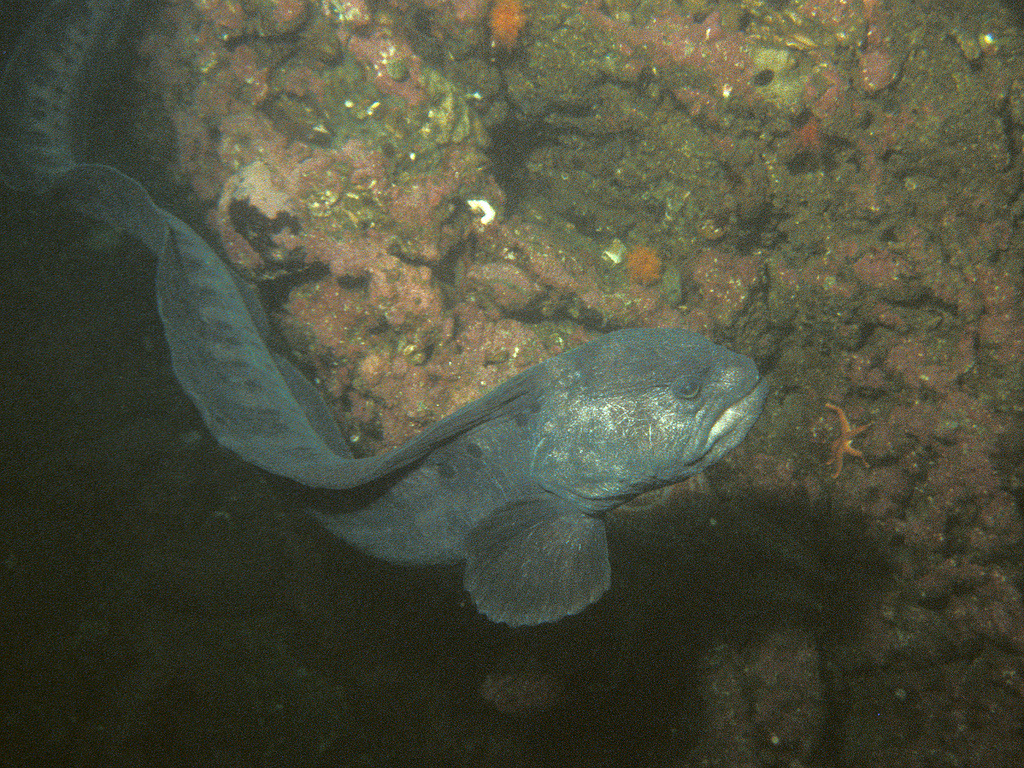
Wolf Eel
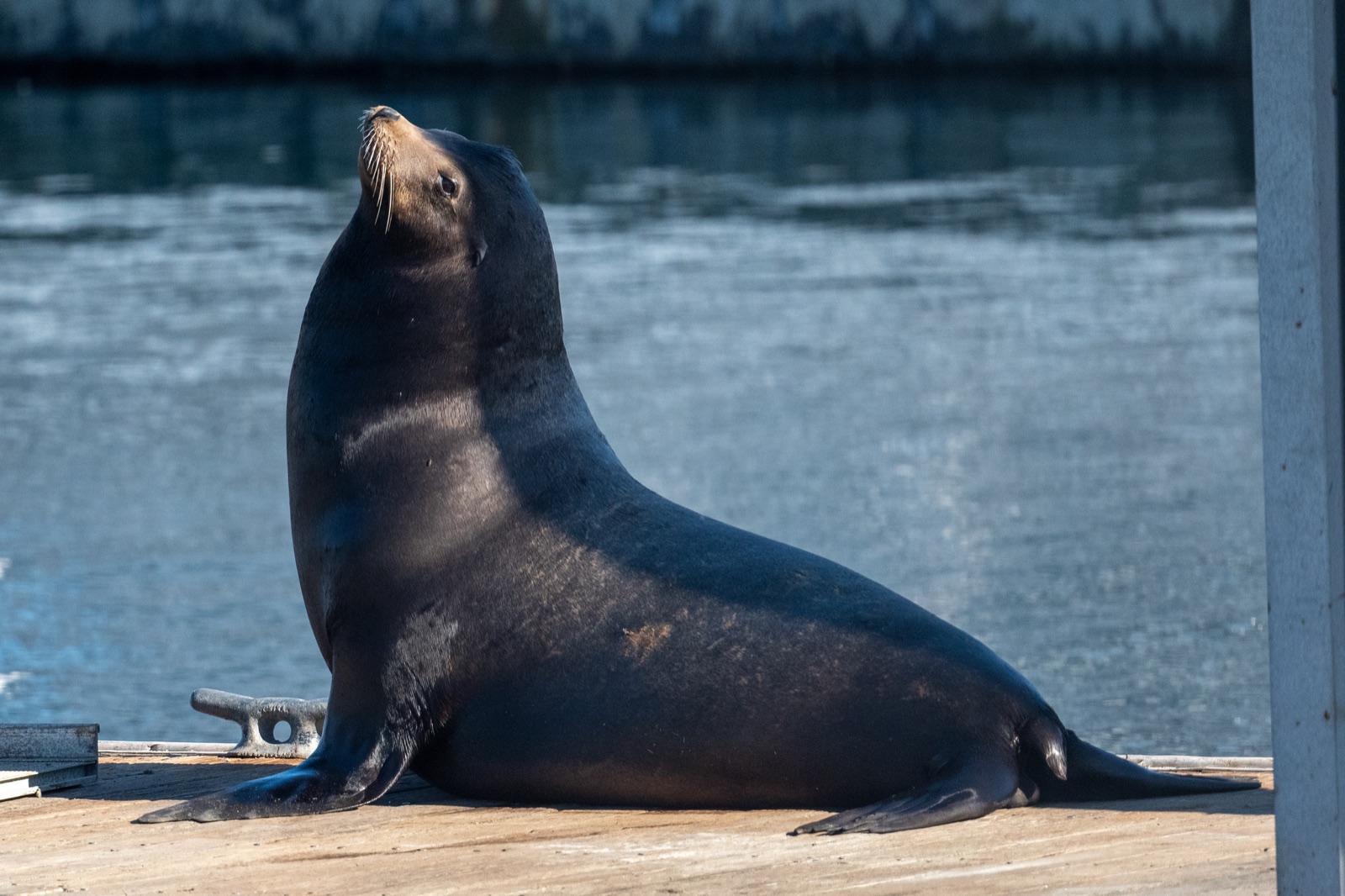
California Sea Lion
Giant Pacific octopus, wolf eels, dense plumose anemone walls, nudibranchs in remarkable variety, rockfish and lingcod, Puget Sound king crab, sea lions in season, and passing orcas and humpbacks seen from the boat.
Getting there & staying
Getting there: Vancouver serves the Howe Sound shore sites within an hour's drive. Ferries or short flights reach Vancouver Island for Nanaimo and Victoria charters. For Browning Pass and God's Pocket, fly or drive to Port Hardy at the island's north end, then transfer by boat.
Where to stay: City comforts in Vancouver and Victoria; in the Port Hardy area, dive lodges package rooms, meals, and boats - the practical way to dive Browning Pass.
Costs: Two-tank charters typically run about US$120-180 (CAD pricing varies); Howe Sound shore sites cost only fills. God's Pocket operates as a small boat-and-lodge operation booked by the multi-day trip.
Between dives: Whale watching (orcas and humpbacks), bear viewing, hiking, kayaking the Broken Group, and Vancouver's food scene on either end of the trip.
Safety & practicalities
Hazards: Serious tidal currents - several signature sites are safe only at slack water and dangerous otherwise - plus cold, entanglement in bull kelp, boat traffic in the channels, and rapid weather changes on open crossings.
Drysuit skills and tide-table literacy are the local currency. Dive current sites with operators who time slack professionally, carry a DSMB and cutting tool, and plan gas for delayed pickups. Cold-water regulators and redundancy are standard. Emergencies go through 911, the Coast Guard, and DAN.
Nearest recompression: Vancouver General Hospital has long operated British Columbia's hyperbaric unit; availability changes, so emergencies route through 911, EMS, and DAN.