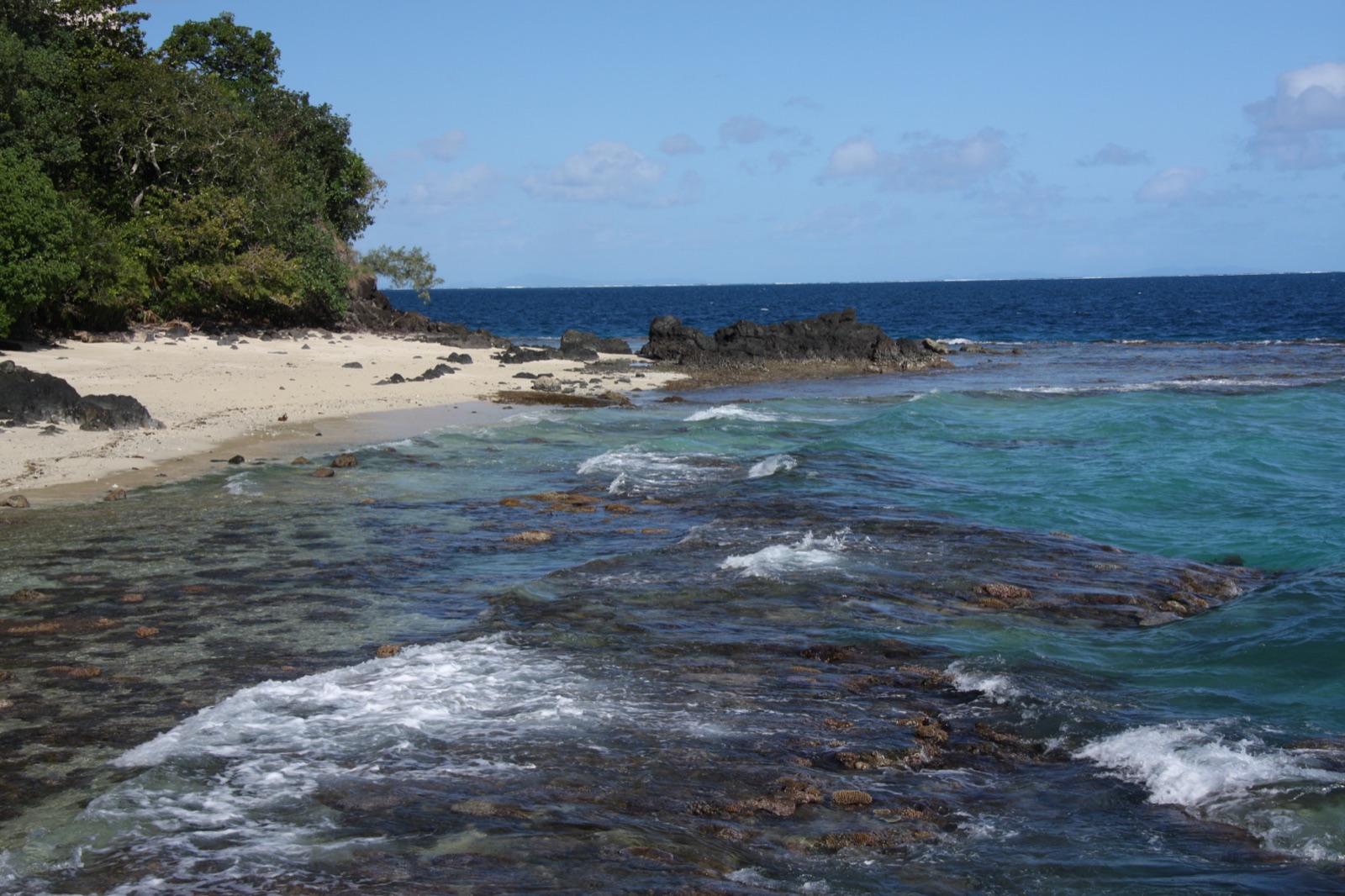
Beqa Lagoon & Pacific Harbour
Beqa Lagoon and the Pacific Harbour coast pair two different Fijis: inside the barrier reef, soft-coral bommies riddled with tunnels; outside the resort docks, one of the world's most famous shark dives, where bull sharks (with tigers as occasional guests) arrive in numbers at a provisioned site run as a marine reserve that pays the reef's traditional owners. It is big-animal diving with an unusually clear conservation story.
Why dive here
The Shark Reef Marine Reserve made Pacific Harbour a pilgrimage. On a baited dive along a coral arena, divers kneel behind a low rubble wall while bull sharks of impressive size cruise the feed line; tawny nurse and sicklefin lemon sharks work the edges, reef sharks swarm the shallows, and tiger sharks appear often enough to keep everyone's head on a swivel. The model matters as much as the adrenaline: village fishing rights were retired in exchange for a per-diver levy, turning live sharks into long-term village income, and the site became Fiji's first National Marine Park in 2014. Away from the feed, Beqa Lagoon's interior seamounts (E.T., Caesar's Rocks, Carpet Cove) are classic Fijian soft-coral heads with swim-throughs, anemone fields, and resident turtles, well suited to relaxed second days. River runoff after heavy rain can soften visibility on this coast; the payoff is a shark encounter as reliable and as professionally managed as this kind of diving gets. Feed dives are not for everyone; the operators here at least make the case thoughtfully.
Month by month
The May–October dry season brings the clearest water on a coast that carries river influence; big rain drops visibility near Pacific Harbour. Bull shark numbers dip for a stretch in the austral summer, when many females depart to pup: roughly November into January, and Fiji's cyclone season runs November through April.
| Month | Water | Visibility | What it's like |
|---|---|---|---|
| January●●●○○ | 28–30 °C / 82–86 °F | 8–20 m | Wet season; some bulls still absent pupping. |
| February●●●○○ | 28–30 °C / 82–86 °F | 8–20 m | Warm, rainy; shark numbers rebuilding. |
| March●●●●○ | 28–30 °C / 82–86 °F | 8–22 m | Bulls largely back on the reef. |
| April●●●●○ | 27–29 °C / 81–84 °F | 10–25 m | Improving weather and clarity. |
| May●●●●● | 26–28 °C / 79–82 °F | 12–28 m | Dry season; strong shark attendance. |
| June●●●●● | 25–27 °C / 77–81 °F | 12–30 m | Clearer water, big animal counts. |
| July●●●●● | 24–26 °C / 75–79 °F | 12–30 m | Coolest water of the year. |
| August●●●●● | 24–26 °C / 75–79 °F | 12–30 m | Prime conditions continue. |
| September●●●●● | 25–27 °C / 77–81 °F | 12–28 m | Late dry season, reliable feeds. |
| October●●●●○ | 26–28 °C / 79–82 °F | 10–25 m | Some females begin to leave. |
| November●●●○○ | 27–29 °C / 81–84 °F | 8–22 m | Pupping absence; wet season starts. |
| December●●●○○ | 28–30 °C / 82–86 °F | 8–20 m | Fewer bulls; tigers still possible. |
Monthly figures confidence: Editorial estimate. Months without a row have no verified data. We would rather show a gap than invent one.
The dive sites (4)
| Site | Type | Depth | Level | Access | |
|---|---|---|---|---|---|
| Caesar's Rocks A maze of arches and tunnels; soft-coral doorways in torchlight; unhurried… | Pinnacle | 5–22 m | Beginner | Boat | |
| Carpet Cove A completely coral-claimed small wreck; glassfish clouds in the holds… | Reef | 8–26 m | Beginner | Boat | |
| E.T. Coral-lined tunnels and arches; anemone fields with clownfish; easy… | Pinnacle | 6–24 m | Beginner | Boat | |
| Shark Reef Marine Reserve Bull sharks in close formation; the occasional tiger shark; a conservation… | Reef | 8–30 m | Intermediate | Boat |
Marine life you can plan around
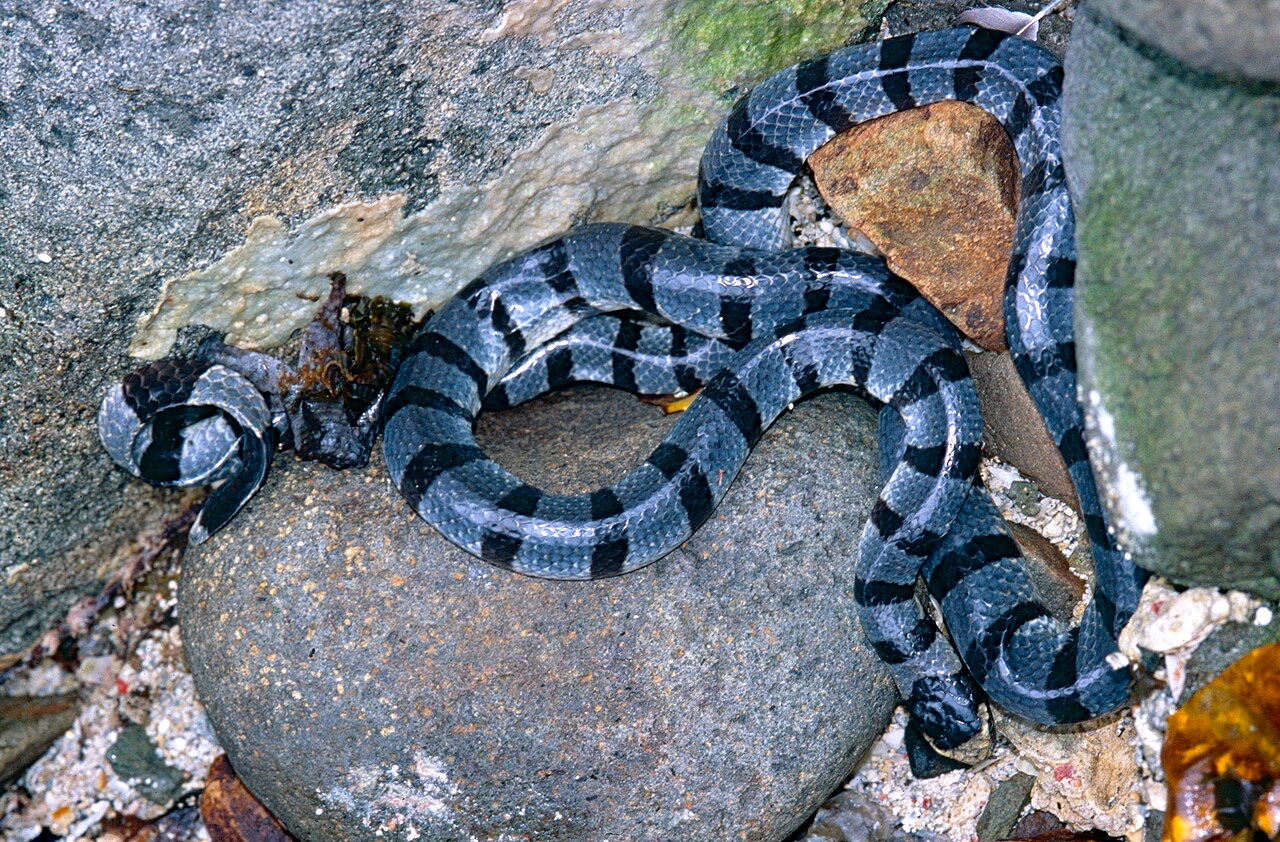
Banded Sea Krait
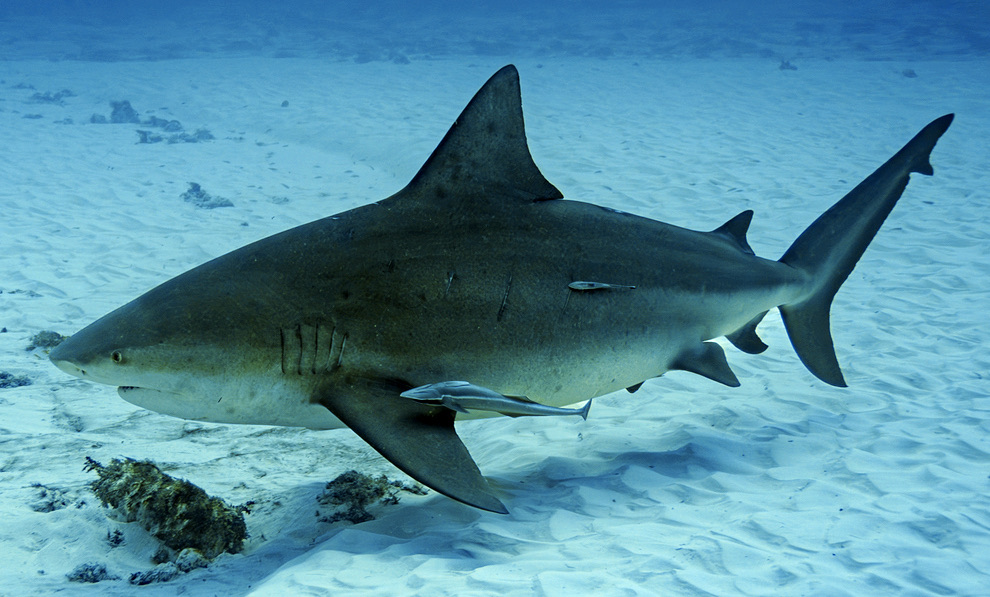
Bull Shark
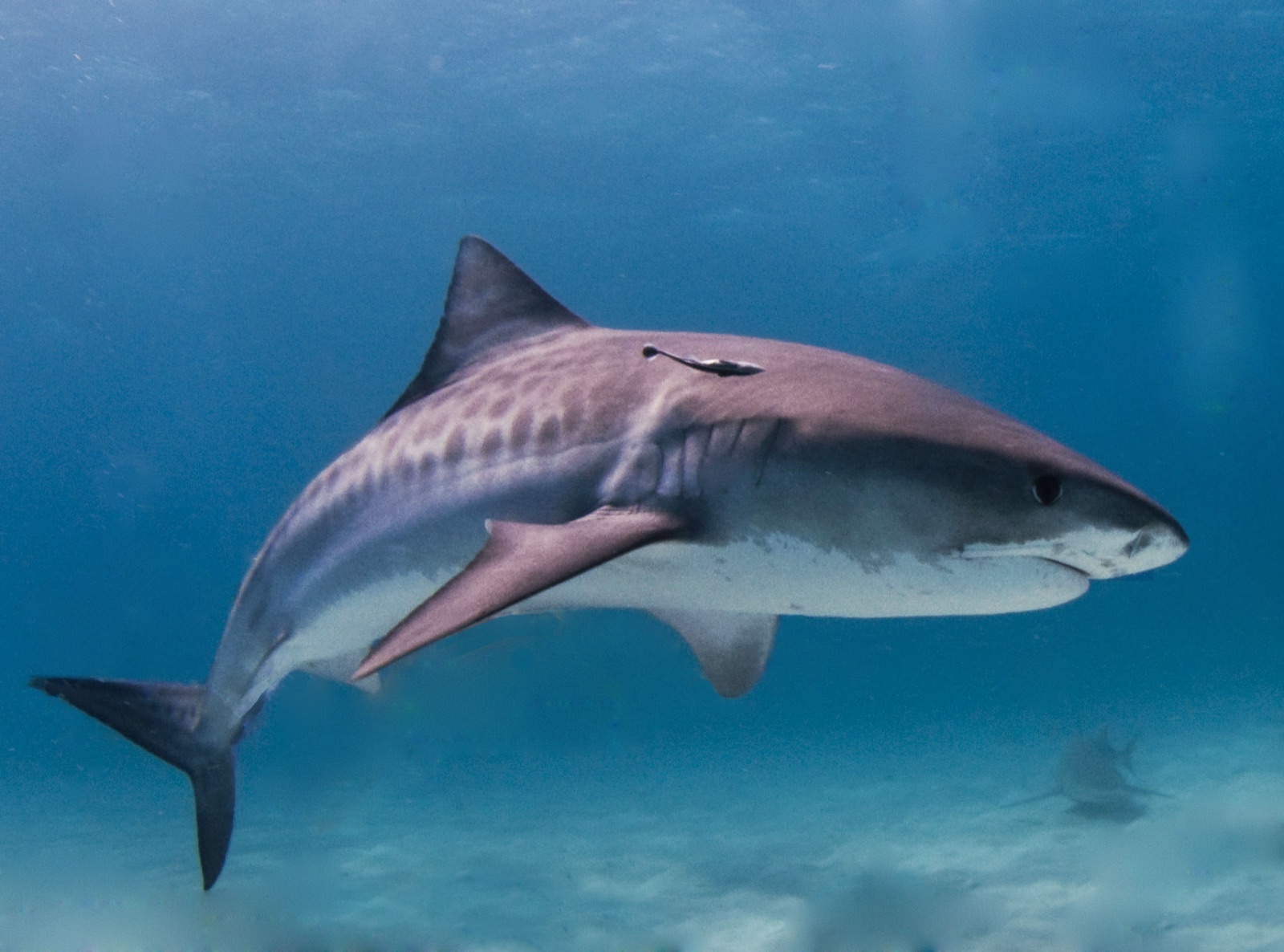
Tiger Shark
Bull sharks by the dozen in season, tiger sharks as irregular headliners, sicklefin lemon, gray reef, whitetip, blacktip, and tawny nurse sharks, giant trevally and grouper at the feeds, plus anemonefish, morays, and nudibranchs on the lagoon bommies.
Getting there & staying
Getting there: Most visitors fly into Nadi or Suva and drive the Queens Road to Pacific Harbour. Beqa Island resorts collect guests by boat from the same coast.
Where to stay: Pacific Harbour operates as Fiji's adventure hub with dive shops, villas, and hotels; Beqa Island itself hosts a handful of dedicated dive resorts inside the lagoon.
Costs: Editorial estimate for 2026; shark dives price above standard reef trips and add a daily marine-park levy (on the order of FJ$25) paid to the custodial villages.
Between dives: Rafting and jet-boat trips up the Navua River, ziplining, surfing Frigates Passage, the Arts Village cultural shows, and Suva's markets an hour east.
Safety & practicalities
Hazards: Provisioned dives put large predators close: obey the briefing exactly (stay behind the wall, hands tucked, no sudden ascents, no touching). River-influenced visibility can drop after storms; current runs along the outer reef.
Shark feeding is a managed risk, not a petting zoo; incidents are rare precisely because protocols are rigid. Divers uncomfortable with baited diving can enjoy the lagoon bommies instead.
Nearest recompression: Fiji's recompression chamber is in Suva, about an hour away by road. That is close by Pacific standards, but availability changes; emergencies still route through EMS and DAN.