The Azores
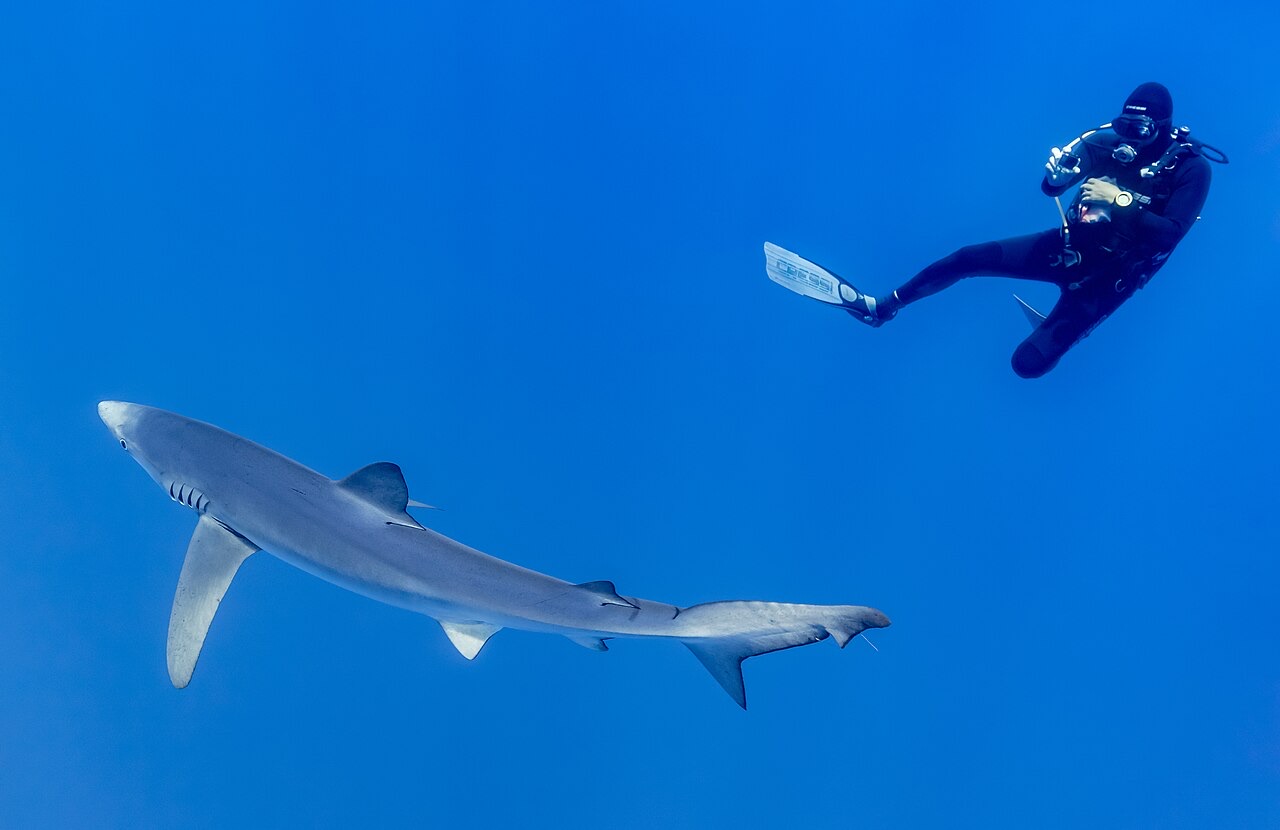
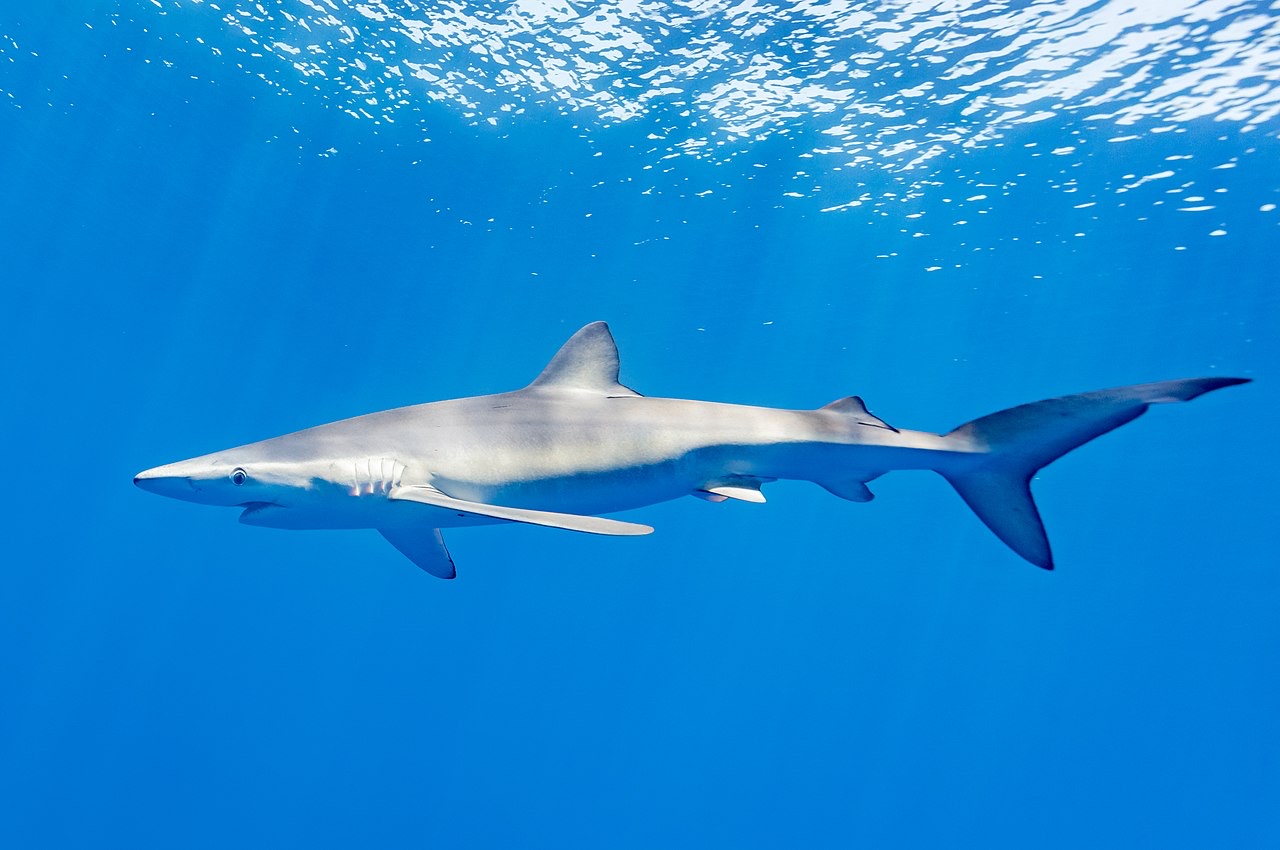
Nine volcanic islands in the mid-Atlantic, the Azores are Europe's serious big-animal destination. Summer expeditions run offshore to seamounts where Chilean devil rays circle in open blue water, while baited drifts near Faial bring in blue sharks. Conditions are oceanic (swell, current, real crossings), and the season is short, roughly June through October. Expect green calderas above the surface and volcanic rock, not coral, below it.
Why dive here
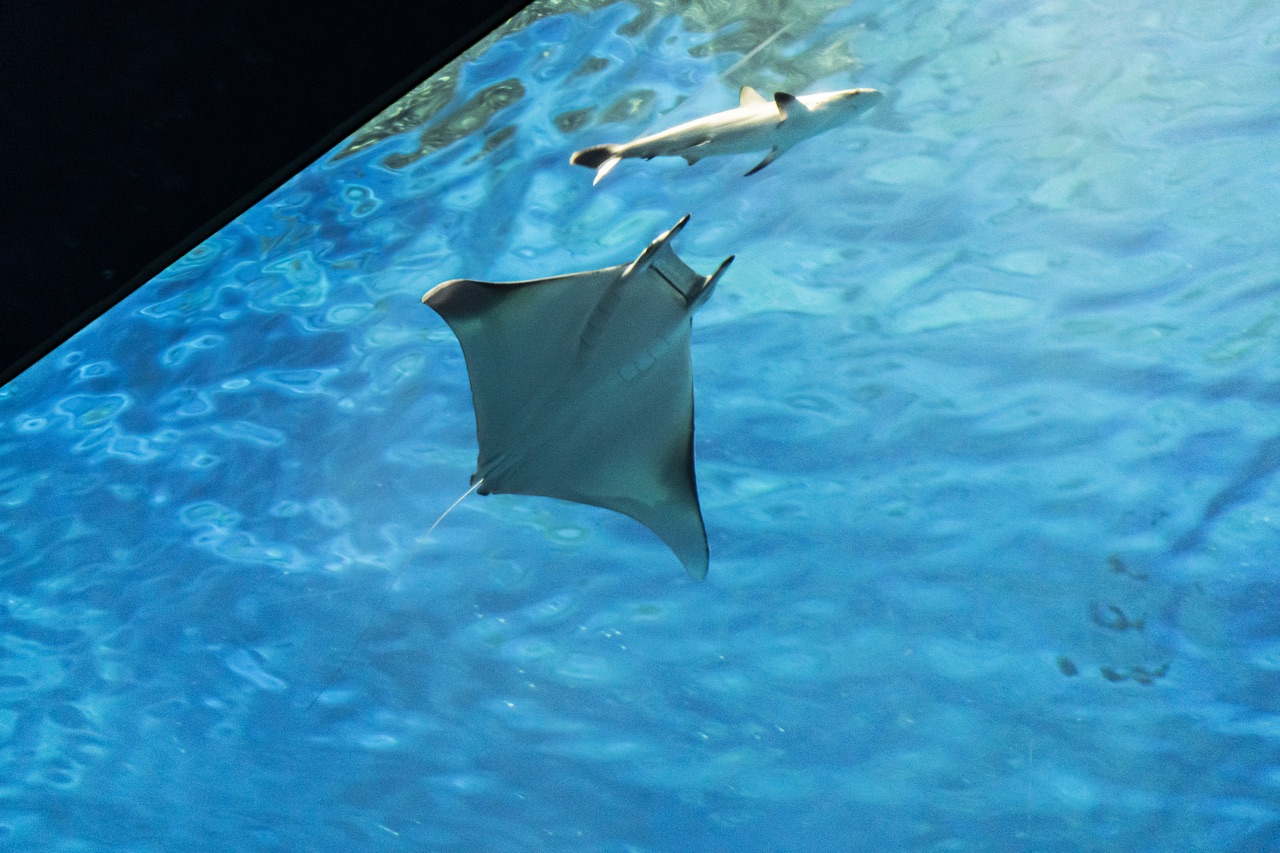
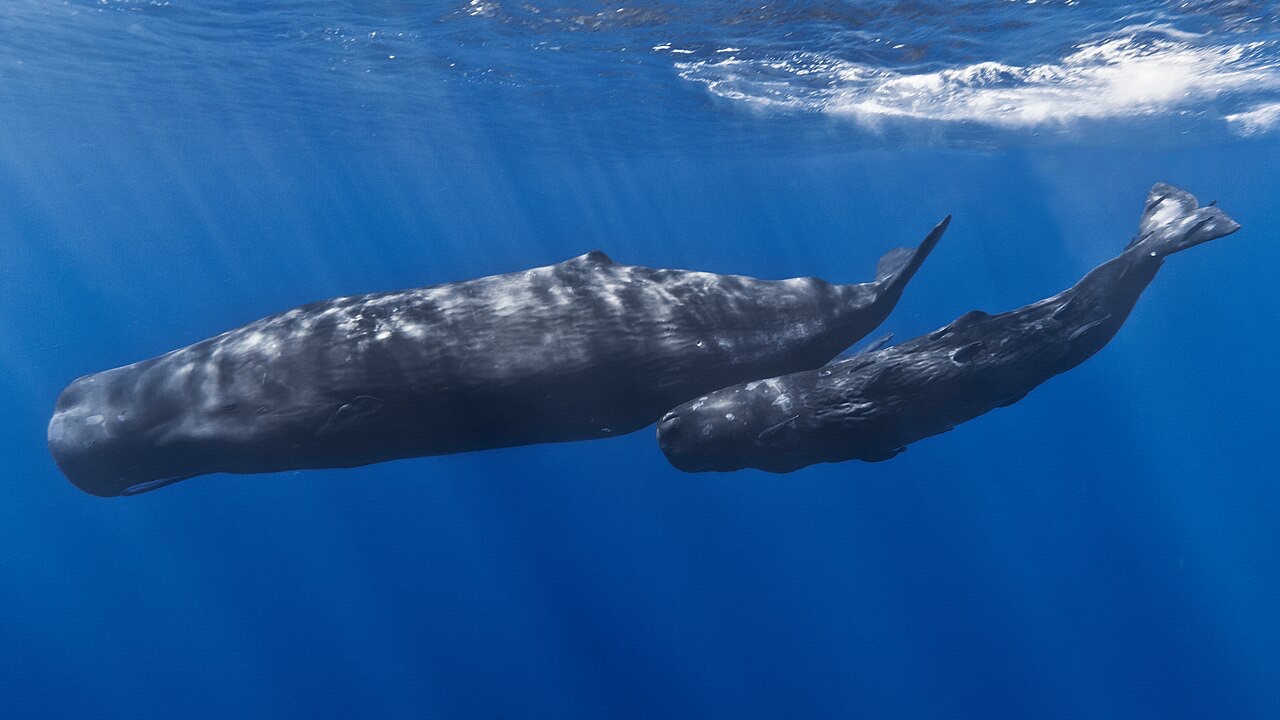
The Azores sit on the Mid-Atlantic Ridge, and the diving trades reef color for scale. The marquee trip is Princess Alice Bank, a seamount roughly 45 nautical miles from Faial and Pico whose summit rises to about 35 m; in high summer, squadrons of sicklefin devil rays carousel around divers hanging in blue water. Closer in, operators run blue-water drifts for blue sharks, and Santa Maria's Ambrosio plateau delivers its own mobula trains. Formigas and the Dollabarat reef, a remote marine reserve, add pinnacles swept by jacks and the occasional passing pelagic. Between dives this is sperm-whale country: the islands were a whaling center into the 1980s and are now one of the world's better whale-watching regions. None of it is guaranteed: crossings cancel in swell, animals follow food, and water stays cool even in August. Divers who accept those terms get Atlantic diving with almost no crowds and a genuine expedition feel inside Portuguese, EU-standard logistics.
Month by month
Most offshore operations run June–October; July–September is the reliable window for Princess Alice Bank and mobula aggregations, always weather-permitting. Many dive centers scale down or close in winter.
| Month | Water | Visibility | What it's like |
|---|---|---|---|
| January●○○○○ | 16–18 °C / 61–64 °F | 10–25 m | Atlantic storms; most dive operations paused. |
| February●○○○○ | 15–17 °C / 59–63 °F | 10–25 m | |
| March●○○○○ | 15–17 °C / 59–63 °F | 10–25 m | |
| April●●○○○ | 16–17 °C / 61–63 °F | 10–25 m | Season warms up late in the month for inshore sites. |
| May●●●○○ | 17–18 °C / 63–64 °F | 15–30 m | |
| June●●●●○ | 18–20 °C / 64–68 °F | 15–30 m | Offshore trips begin as weather windows lengthen. |
| July●●●●● | 20–22 °C / 68–72 °F | 20–40 m | Princess Alice and mobula season in full swing. |
| August●●●●● | 22–24 °C / 72–75 °F | 20–40 m | |
| September●●●●● | 22–24 °C / 72–75 °F | 20–40 m | Warmest water; blue sharks and mobulas both reliable. |
| October●●●●○ | 20–22 °C / 68–72 °F | 15–30 m | Good diving until the first autumn systems arrive. |
| November●●○○○ | 18–20 °C / 64–68 °F | 10–25 m | |
| December●○○○○ | 17–18 °C / 63–64 °F | 10–25 m |
Monthly figures confidence: Editorial estimate. Months without a row have no verified data. We would rather show a gap than invent one.
The dive sites (6)
| Site | Type | Depth | Level | Access | |
|---|---|---|---|---|---|
| Baixa do Ambrosio Devil-ray trains at snorkel depth, passing loggerheads, easy profile with… | Seamount | 8–30 m | Intermediate | Boat | |
| Condor Bank Close, calm blue-shark encounters; occasional mako fly-bys; true oceanic… | Blue water | 5–20 m | Intermediate | Boat | |
| Dori Liberty-ship history, easy depth, fish-covered debris field | Wreck | 12–22 m | Beginner | Boat | |
| Formigas Islets & Dollabarat Reef Exceptional visibility, big groupers, pelagic surprises at a rarely visited… | Pinnacle | 6–40 m | Advanced | Boat | |
| Ilheu de Vila Franca Volcanic crater lagoon, easy reef walls, reliable summer conditions | Reef | 3–25 m | Beginner | Boat | |
| Princess Alice Bank Summer devil-ray carousels, blue-water descents, schooling jacks over a… | Seamount | 35–40 m | Advanced | Boat |
Marine life you can plan around
Blue Shark
Bottlenose Dolphin
Mobula (Devil) Ray
Sperm Whale
Mola Mola (Ocean Sunfish)
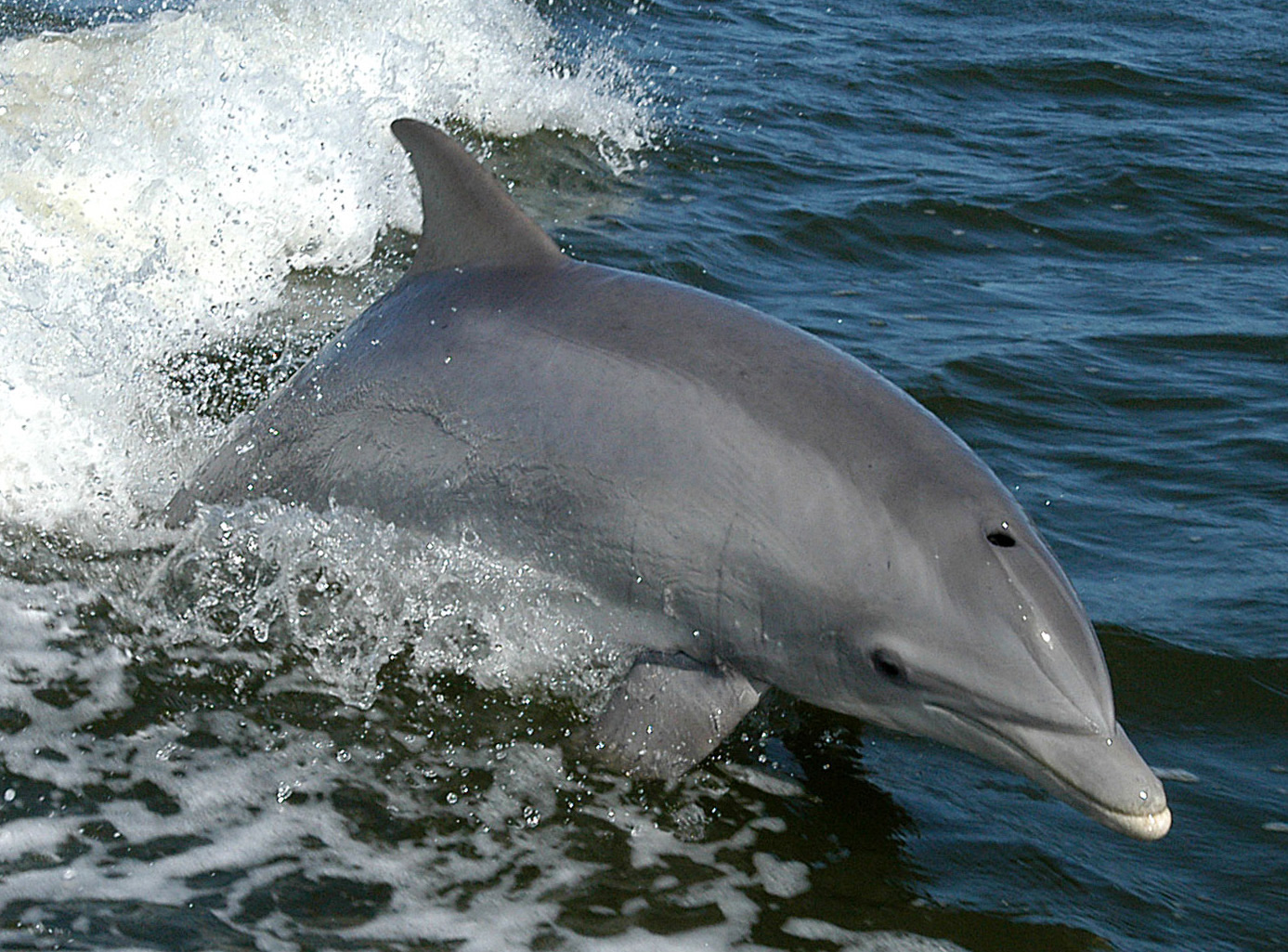
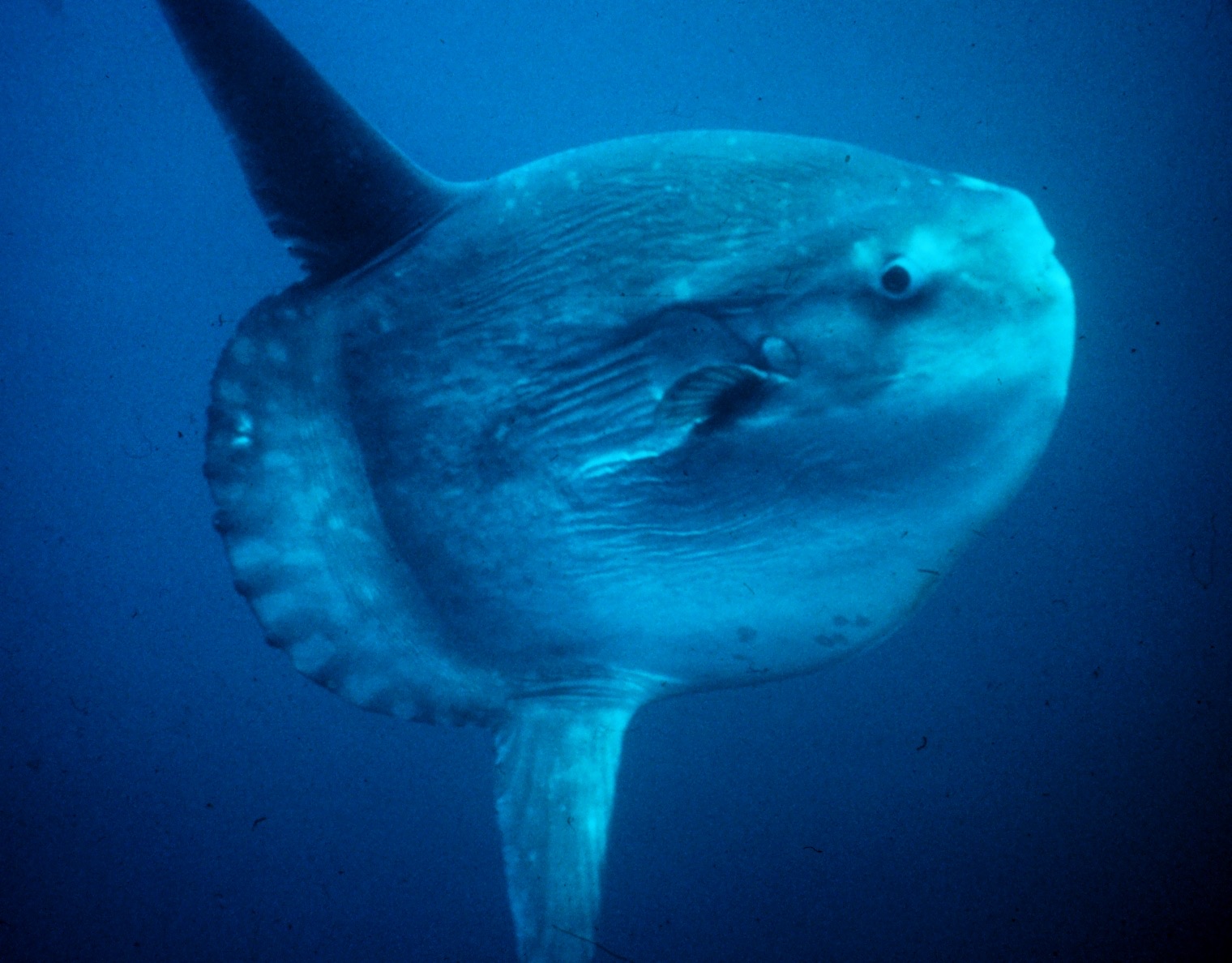
Sicklefin devil rays (mobulas) at the seamounts in summer, blue sharks on baited drifts, occasional shortfin makos, big schools of jacks and yellowmouth barracuda, dusky groupers, loggerhead turtles drifting through, and whale-shark encounters some seasons off Santa Maria. Sperm whales and several dolphin species are seen from boats rather than on scuba.
Getting there & staying
Getting there: Direct flights reach Ponta Delgada from Lisbon, Porto and several North American and European cities; inter-island hops or ferries connect Faial, Pico and Santa Maria. Most shark and seamount operators are based in Horta (Faial), Madalena (Pico) or Vila do Porto (Santa Maria).
Where to stay: Horta and Madalena suit divers targeting the central-group banks; Santa Maria is the base for Ambrosio and summer pelagics; Ponta Delgada has the widest hotel choice but fewer offshore trips.
Costs: Editorial estimate for local two-tank boat dives; dedicated seamount expeditions (Princess Alice, Formigas) are full-day trips priced well above this.
Between dives: Whale watching, the Capelinhos volcano museum on Faial, climbing Pico (Portugal's highest mountain), vineyard landscapes on Pico's UNESCO-listed lava fields, hot springs and crater lakes on Sao Miguel.
Safety & practicalities
Hazards: Open-ocean exposure: long boat crossings, swell, surface current at the seamounts, and blue-water dives with no reference. Cancellations for weather are routine even in summer.
Seamount and shark dives are drift dives far from shore: carry a surface marker, dive within your training, and follow briefings on shark etiquette. Cool water argues for at least a 7 mm suit; many locals dive dry.
Nearest recompression: Hyperbaric capability in the islands is limited and its status changes; confirm current arrangements with your operator. Emergencies go through 112 and DAN Europe.