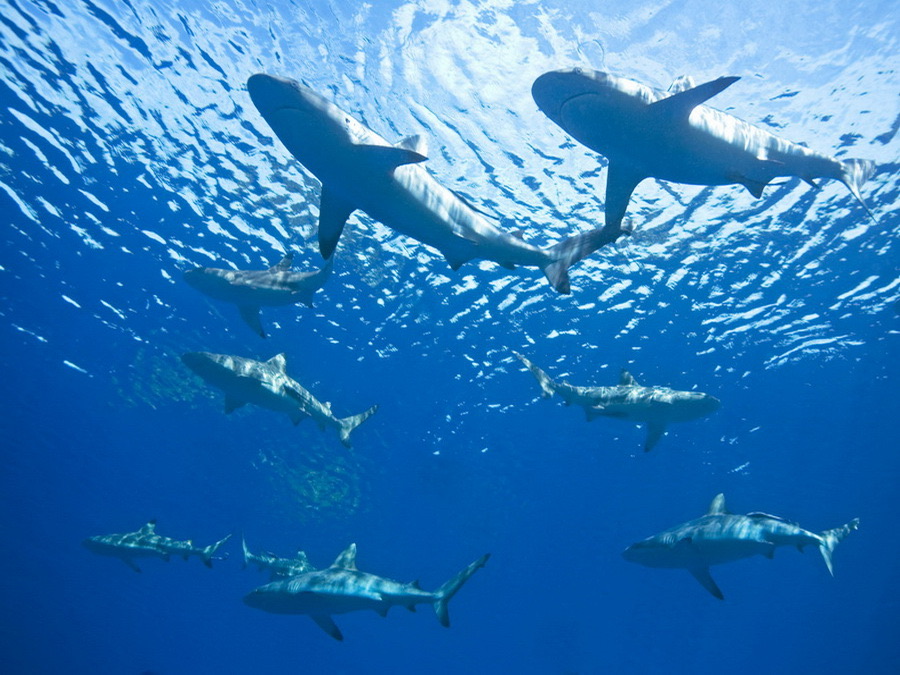
Baa Atoll & Hanifaru Bay
Baa Atoll is a UNESCO Biosphere Reserve and home to Hanifaru Bay, the most famous manta aggregation site on Earth. On the right tides between roughly June and November, plankton funnels into one small bay and dozens (occasionally more than a hundred) reef mantas gather to feed, sometimes joined by whale sharks. Access is snorkel-only under biosphere rules. Around the rest of the atoll, thilas and cleaning stations carry the season.
Why dive here
Baa is really two experiences. The first is Hanifaru: a ranger-managed, snorkel-only spectacle where lunar tides trap plankton in a dead-end bay and reef mantas barrel-roll and chain-feed in water often only a few meters deep. Nothing in the sport concentrates so many mantas so reliably. The second is the diving proper, which happens outside the bay: cleaning stations at Dhonfanu and Nelivaru where mantas hang over coral heads while wrasse pick them clean, and Dhigali Haa, a protected pinnacle where gray reef sharks and barracuda work a current-brushed dome of soft coral. The atoll's biosphere status has kept development and fishing pressure comparatively managed, and the manta science here, much of it from the Manta Trust, runs deeper than anywhere else in the Indian Ocean. Come in the southwest monsoon for the aggregation; come in the dry season for quieter reefs and clearer water.
Month by month
The Hanifaru aggregation runs roughly June-November, strongest around August-September, and is tied to lunar tides: sightings swing sharply day to day. December-April is drier and clearer but the bay is mostly quiet.
| Month | Water | Visibility | What it's like |
|---|---|---|---|
| January●●●○○ | 27–29 °C / 81–84 °F | 20–30 m | Clear and calm; Hanifaru mostly quiet. |
| February●●●○○ | 27–29 °C / 81–84 °F | 20–30 m | Dry-season reef diving; few mantas in the bay. |
| March●●●●○ | 28–30 °C / 82–86 °F | 20–30 m | Warm and settled; cleaning stations still active. |
| April●●●○○ | 28–30 °C / 82–86 °F | 15–25 m | Transition; monsoon build-up late month. |
| May●●●○○ | 28–30 °C / 82–86 °F | 10–20 m | Plankton arrives; first bay feeding events some years. |
| June●●●●○ | 27–29 °C / 81–84 °F | 10–20 m | Aggregation season opens; sightings tide-dependent. |
| July●●●●○ | 27–29 °C / 81–84 °F | 10–20 m | Feeding events build through the month. |
| August●●●●● | 27–29 °C / 81–84 °F | 10–20 m | Peak season; the big multi-manta feeding days. |
| September●●●●● | 27–29 °C / 81–84 °F | 10–20 m | Peak continues; whale sharks join some events. |
| October●●●●○ | 27–29 °C / 81–84 °F | 10–20 m | Still strong around the right moons. |
| November●●●●○ | 27–29 °C / 81–84 °F | 15–25 m | Season tails off; seas settle. |
| December●●●○○ | 27–29 °C / 81–84 °F | 20–30 m | Dry season returns; reef diving takes over. |
Monthly figures confidence: Well documented. Months without a row have no verified data. We would rather show a gap than invent one.
The dive sites (5)
| Site | Type | Depth | Level | Access | |
|---|---|---|---|---|---|
| Dharavandhoo Thila Scuba manta encounters on the bay's doorstep during the season | Pinnacle | 10–28 m | Intermediate | Boat | |
| Dhigali Haa Gray reef sharks over a soft-coral dome; a protected site beyond the manta… | Pinnacle | 8–30 m | Intermediate | Boat | |
| Dhonfanu Thila Season-long manta cleaning activity at kneeling-depth blocks | Pinnacle | 10–30 m | Intermediate | Boat | |
| Hanifaru Bay Mass manta feeding events: chain and cyclone feeding; occasional whale… | Channel | — | Beginner | Boat | |
| Nelivaru Thila Shallow, calm manta cleaning station suited to newer divers | Pinnacle | 8–25 m | Beginner | Boat |
Marine life you can plan around
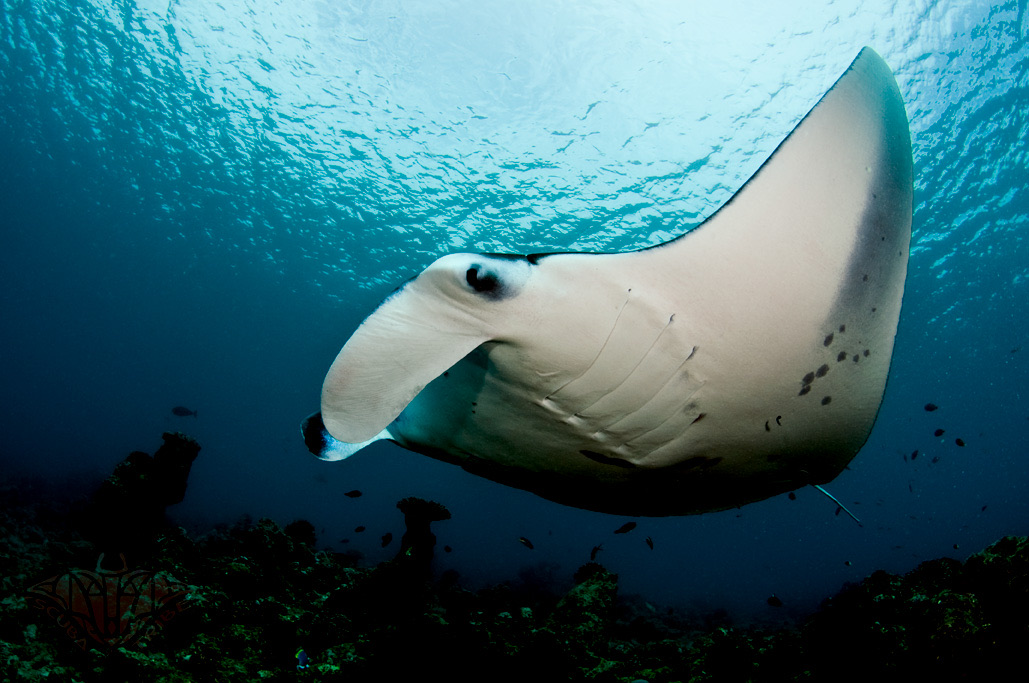
Reef mantas in season by the dozen, occasional whale sharks in the bay, gray reef sharks and barracuda on protected thilas, turtles, and rich reef fish life throughout.
Getting there & staying
Getting there: Dharavandhoo airport sits minutes by boat from Hanifaru; domestic flights from Malé take about 20 minutes and seaplanes serve the resorts directly.
Where to stay: Guesthouses on Dharavandhoo put you closest to the bay; resorts across the atoll, including several high-end islands, run their own manta programs.
Liveaboards: Many central-atoll liveaboards add Baa between June and November specifically for the manta season.
Costs: Hanifaru access is a separate ranger-fee snorkel excursion booked through licensed operators; dive pricing tracks the rest of the Maldives with service charge and GST added.
Between dives: Manta snorkeling, sandbank trips, local-island life on Dharavandhoo and Thulhaadhoo (famous for lacquer work), and some of the country's best resort beaches.
Snorkeling: Hanifaru Bay itself is snorkel-only under biosphere regulations (scuba has been prohibited there since the early 2010s), and it ranks among the world's great snorkel experiences.
Safety & practicalities
Hazards: Crowded water during big Hanifaru feeding events, tide-driven currents at channel mouths, and monsoon chop on crossings.
Hanifaru is snorkel-only with ranger-enforced limits on boats, swimmer numbers, and time in the water; do not chase, touch, or dive down onto feeding mantas. Standard Maldivian 30-meter and guided-diving rules apply elsewhere.
Nearest recompression: No chamber in the atoll itself; the nearest facilities are in the central atolls and availability changes. Emergencies go through local EMS and DAN.