Malta & Gozo
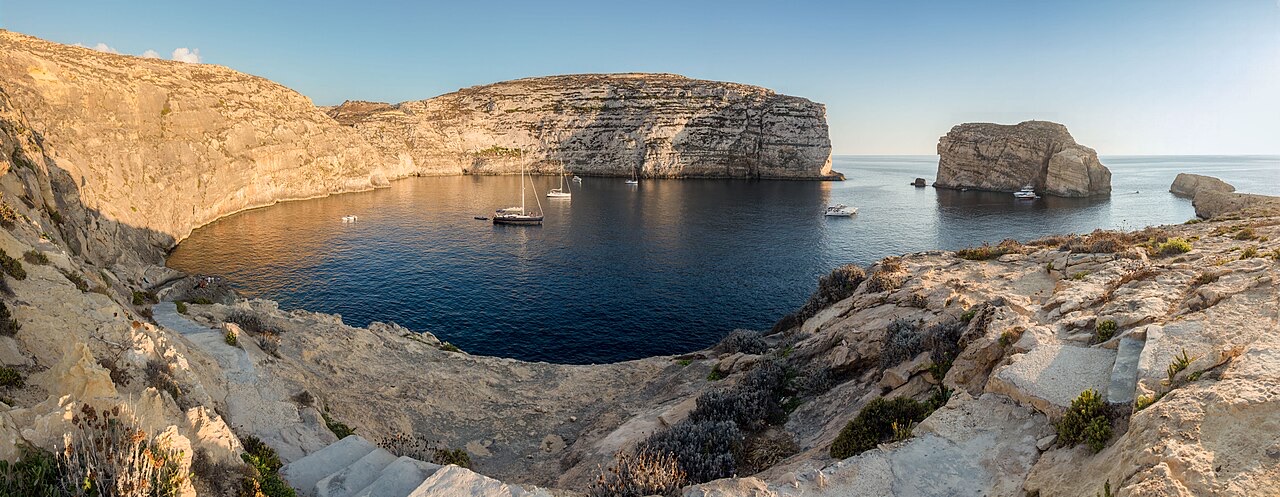
Malta and its sister islands Gozo and Comino compress remarkable variety into a small Mediterranean archipelago: limestone caverns, arches and chimneys cut by clear blue water, a set of purpose-scuttled wrecks led by the tanker Um El Faroud, and a WWII aircraft on the sand. Shore diving is the default, visibility regularly exceeds 30 m, and English-speaking dive infrastructure is as deep as anywhere in Europe.
Why dive here
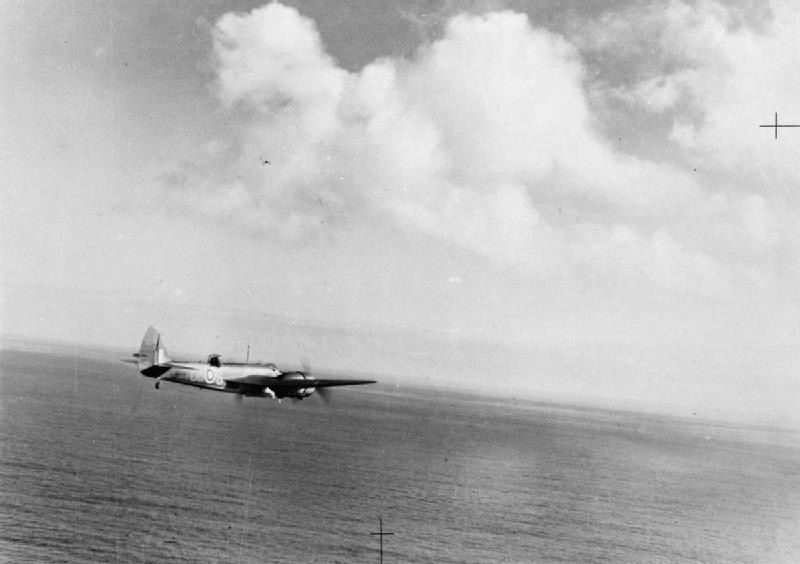
Malta built its diving reputation on geology and access. The islands' soft limestone has been carved into an underwater architecture of tunnels, arches and sinkholes (Gozo's Blue Hole and the tunnel through the Inland Sea cliff are the famous set pieces), nearly all of it reachable by giant-striding off the rocks. The wreck program is the other pillar: Malta has scuttled a small fleet as artificial reefs, from the 110-meter tanker Um El Faroud, sunk in 1998 after a fatal dockyard explosion and now split across the sand at 36 m, to the patrol boat P29 and tug Rozi off Cirkewwa's reef complex. Deeper history rests further out: a Bristol Blenheim bomber ditched in 1941 lies remarkably whole at 42 m, and Malta's technical-diving scene works far deeper wartime wrecks besides. Fish life is modest by tropical standards; the compensation is water of exceptional clarity, 300 diveable days a year, short travel from anywhere in Europe and a dive industry that can certify, guide or gas-blend at any level.
Month by month
Diveable all twelve months; June–October offers the warmest water and most settled seas, while winter diving continues between weather systems with quieter sites and cooler, often very clear water. Wind direction, not season, decides which coast is diveable on a given day.
| Month | Water | Visibility | What it's like |
|---|---|---|---|
| January●●○○○ | 15–16 °C / 59–61 °F | 20–35 m | Cool and quiet; northerly winds limit site choice some days. |
| February●●○○○ | 14–16 °C / 57–61 °F | 20–35 m | |
| March●●○○○ | 15–16 °C / 59–61 °F | 20–35 m | |
| April●●●○○ | 15–17 °C / 59–63 °F | 20–35 m | |
| May●●●●○ | 17–19 °C / 63–66 °F | 20–40 m | |
| June●●●●● | 19–22 °C / 66–72 °F | 20–40 m | |
| July●●●●● | 22–25 °C / 72–77 °F | 25–40 m | Peak season; early starts beat the crowds at the marquee sites. |
| August●●●●● | 24–27 °C / 75–81 °F | 25–40 m | Warmest water of the year. |
| September●●●●● | 23–26 °C / 73–79 °F | 25–40 m | |
| October●●●●○ | 21–24 °C / 70–75 °F | 20–40 m | Water stays warm long after the crowds thin. |
| November●●●○○ | 18–21 °C / 64–70 °F | 20–35 m | |
| December●●○○○ | 16–18 °C / 61–64 °F | 20–35 m |
Monthly figures confidence: Editorial estimate. Months without a row have no verified data. We would rather show a gap than invent one.
The dive sites (7)
| Site | Type | Depth | Level | Access | |
|---|---|---|---|---|---|
| Blue Hole The archway exit into blue, Azure Window boulder field, chimney swim-through | Blue hole | 5–40 m | Intermediate | Shore | |
| Bristol Blenheim Bomber An identifiable WWII bomber, engines and wings in place, a focused deep dive | Wreck | 38–42 m | Technical | Boat | |
| Cirkewwa Arch & Reef The arch, cavern light, resident octopus and morays, hub for two wrecks | Reef | 5–36 m | Beginner | Shore | |
| Inland Sea Tunnel The 80 m tunnel, the blue exit frame, big walls beyond the cliff | Cave | 2–26 m | Intermediate | Shore | |
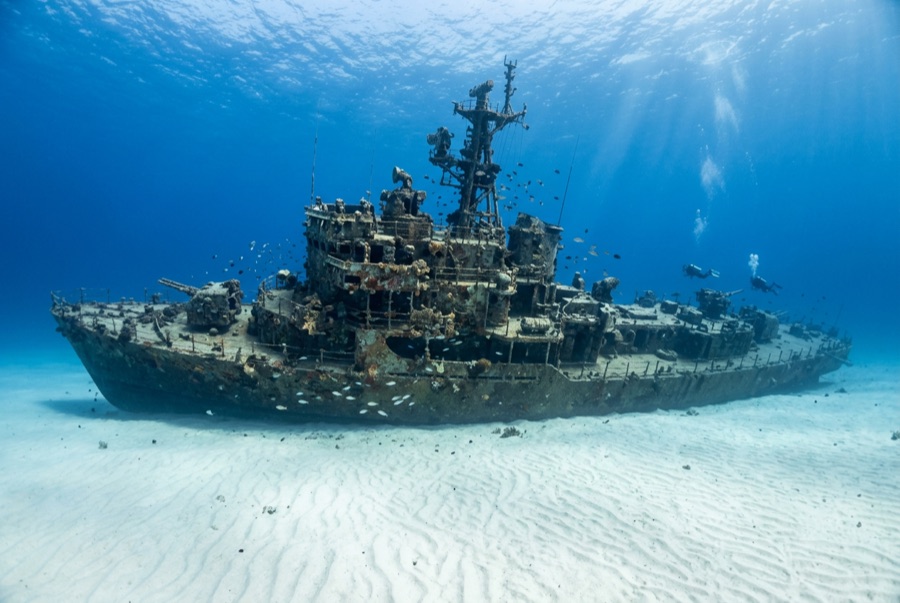
| MV Rozi Complete, compact tug, photogenic wheelhouse, reliable Cirkewwa visibility | Wreck | 20–36 m | Intermediate | Shore | |
| P29 Upright warship silhouette, mast ascent, easy pairing with Cirkewwa's reef | Wreck | 15–37 m | Advanced | Shore | |
| Um El Faroud Full-size tanker on sand, the storm-split midships, resident barracuda… | Wreck | 18–36 m | Advanced | Shore |
Marine life you can plan around
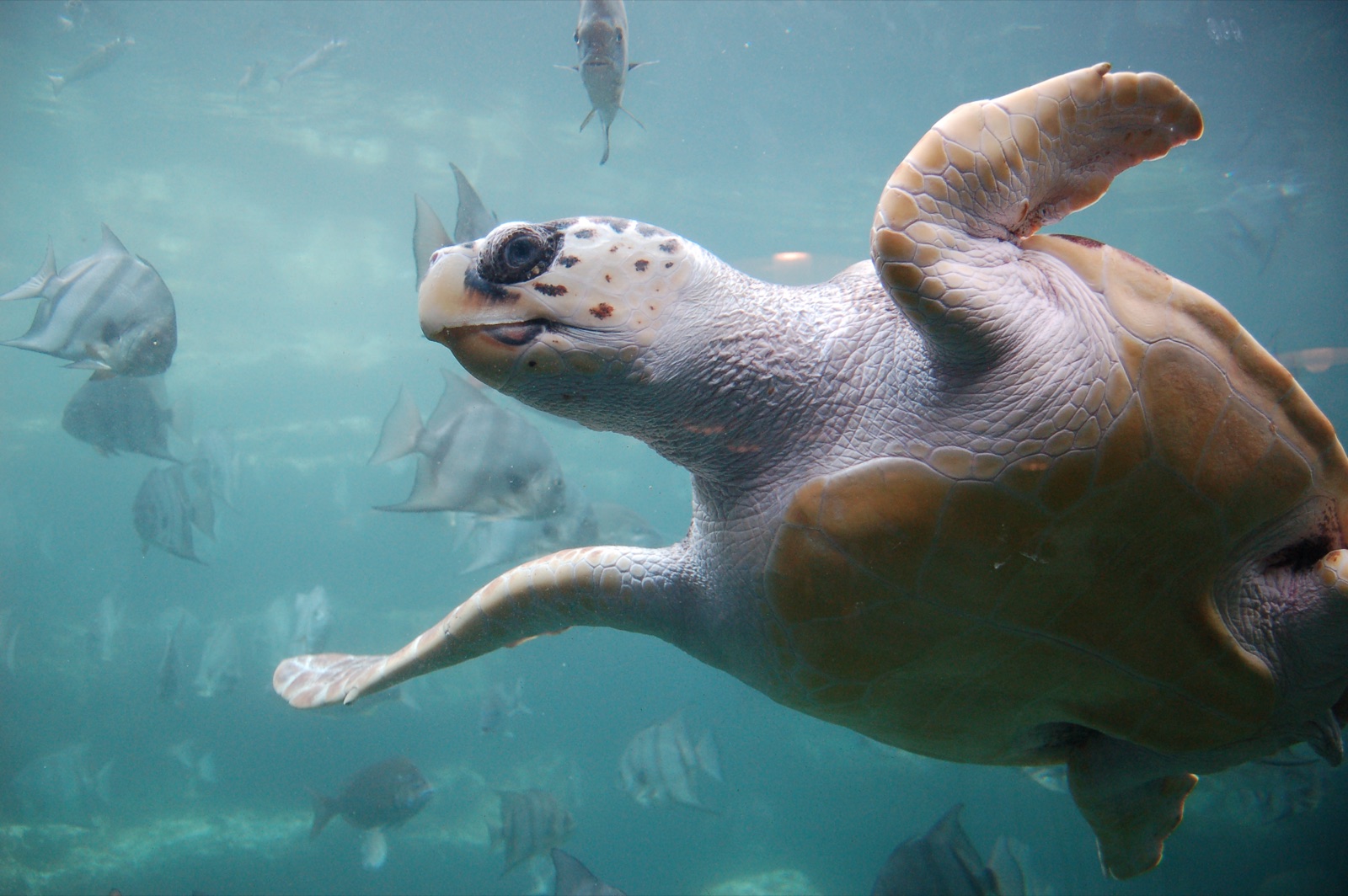
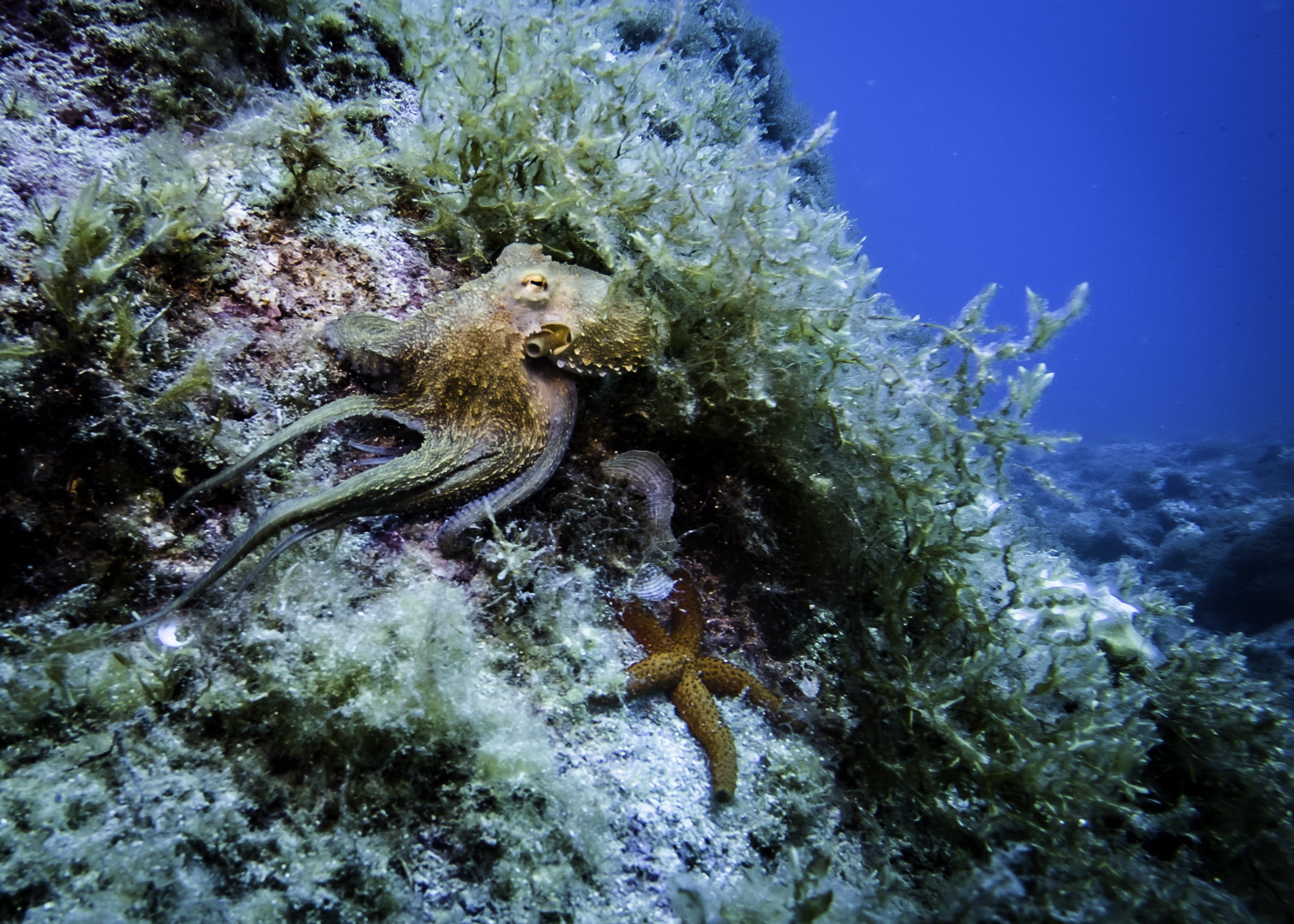
Mediterranean reef standards: dusky and golden groupers, moray eels, octopus and cuttlefish, yellowmouth barracuda schooling over the wrecks, scorpionfish, bream, and nudibranchs for sharp eyes. Seahorses appear occasionally, loggerhead turtles pass through, and invasive lionfish have begun turning up as the eastern Mediterranean warms.
Wrecks here
Bristol Blenheim Bomber
MV Rozi
P29 Patrol Boat
Um El Faroud
Getting there & staying
Getting there: Dense low-cost and scheduled flights connect Malta to most of Europe year-round. Dive centers cluster in Sliema and St Julian's, around Cirkewwa and Mellieha in the north, and across Gozo, with the ferry linking the islands constantly.
Where to stay: Base on Gozo (Xlendi, Marsalforn) for the classic caverns and a quieter pace; northern Malta for Cirkewwa's wrecks; Sliema for city comforts with daily dive-truck pickups.
Costs: Editorial estimate; Malta is one of Europe's better-value dive destinations, with packages, gear rental and courses priced competitively.
Between dives: Valletta's baroque streets and wartime history, the Hypogeum and megalithic temples, Mdina, Comino's Blue Lagoon, and Gozo's citadel and coastal walks.
Safety & practicalities
Hazards: Rocky shore entries demand care in swell; boat traffic runs through some caverns and bays in summer; several signature wrecks sit at 35–42 m, deeper than casual holiday diving.
Match sites to certification honestly: the famous wrecks reward Advanced training and nitrox, and Malta's deeper wartime wrecks belong to technical teams. Heed wind forecasts; the lee coast changes daily.
Nearest recompression: Hyperbaric units operate at Mater Dei Hospital on Malta and at Gozo General Hospital; availability changes, so confirm status with your operator. Emergencies go through 112 and DAN Europe.