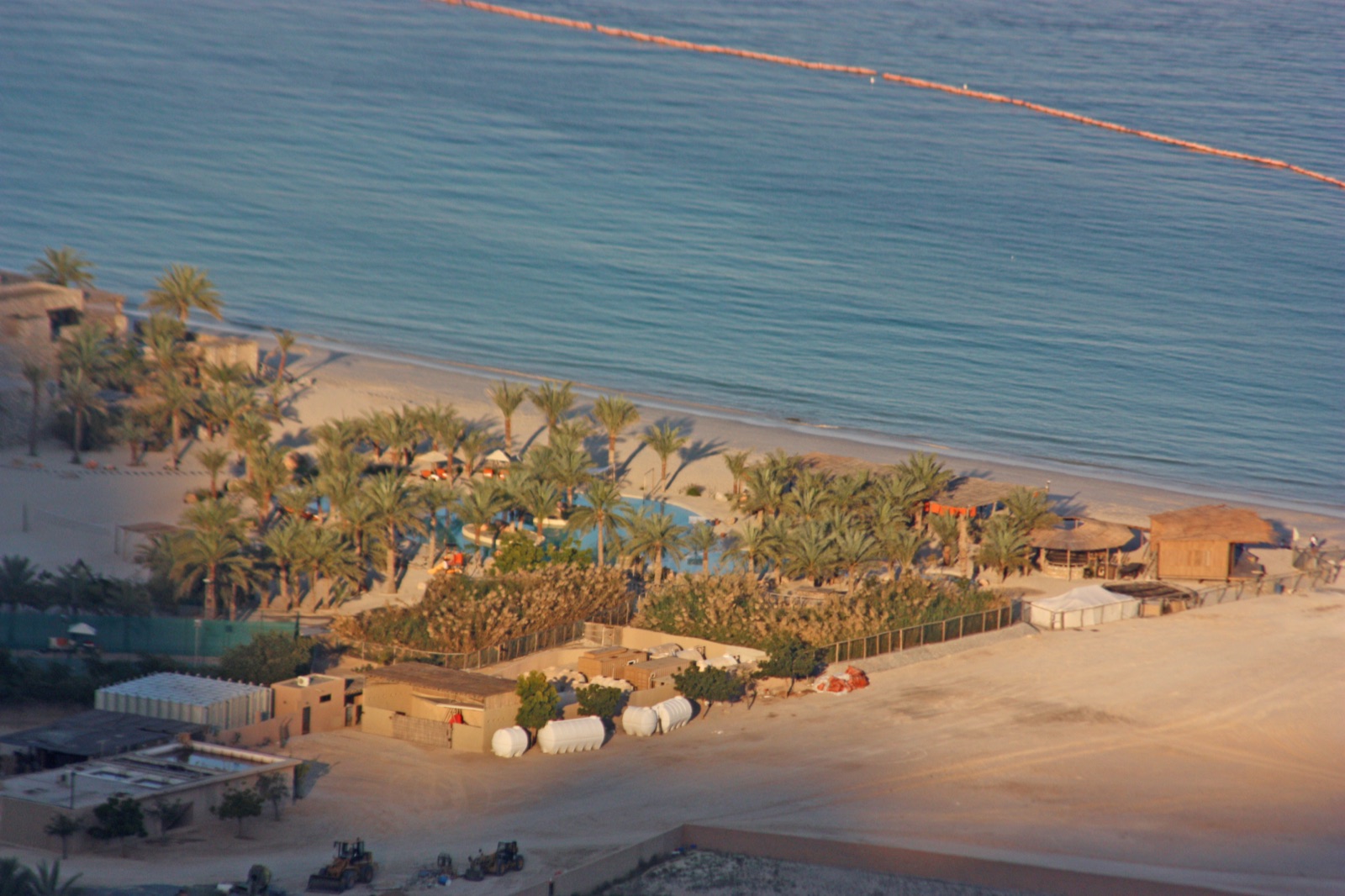
Musandam Peninsula
The Musandam Peninsula is Oman's fjordland exclave at the Strait of Hormuz, where limestone mountains fall straight into plankton-rich, current-swept water. Diving runs from Khasab and from east-coast UAE operators on dhows and speedboats, centered on Lima Rock, Octopus Rock, and the headlands of the khors. Expect green-tinged visibility, dense fish schools, mobula flights, and a wilder, rougher character than the Red Sea proper.
Why dive here
Hormuz squeezes tidal water past Musandam's headlands twice a day, and the nutrient load feeds everything above it. Lima Rock's walls disappear into schooling fusiliers and snapper thick enough to shade the reef; Octopus Rock's isolated stack gathers rays, morays, and cuttlefish over boulder terraces; whale sharks and mobulas appear in the warm months when the plankton peaks. Overnight dhow trips let divers sleep in silent khors between dive days, an experience closer to expedition sailing than resort diving. Visibility swings with the bloom - some days 8 meters, some days 20 - and the trade-off is deliberate: rich water means big fish. For Gulf-based divers it is the region's serious weekend; for travelers it pairs neatly with Dubai, about three hours south.
Month by month
October through May is the comfortable season; summer air can pass 45 C and many operators slow down. Whale shark and mobula encounters cluster in the warmer, plankton-heavy months, roughly August-October.
| Month | Water | Visibility | What it's like |
|---|---|---|---|
| January●●●●○ | 22–24 °C / 72–75 °F | 10–20 m | Cool and comfortable: core season. |
| February●●●●○ | 21–24 °C / 70–75 °F | 10–20 m | Coolest water; pleasant weather. |
| March●●●●○ | 23–26 °C / 73–79 °F | 10–20 m | Spring warmth; blooms begin tinting the water. |
| April●●●●○ | 25–28 °C / 77–82 °F | 10–20 m | Warm, with fish activity high. |
| May●●●○○ | 28–31 °C / 82–88 °F | 8–18 m | Heat arrives; early trips only. |
| June●●○○○ | 29–32 °C / 84–90 °F | 8–18 m | Severe heat; reduced schedules. |
| July●●○○○ | 30–33 °C / 86–91 °F | 8–18 m | Hottest stretch; plankton thickens. |
| August●●●○○ | 30–33 °C / 86–91 °F | 8–18 m | Whale shark chances rise with the bloom. |
| September●●●○○ | 29–32 °C / 84–90 °F | 8–18 m | Big-animal season continues; visibility modest. |
| October●●●●● | 28–30 °C / 82–86 °F | 10–20 m | Warm water and returning comfort: the best of both. |
| November●●●●● | 25–28 °C / 77–82 °F | 10–20 m | Prime month; settled and rich. |
| December●●●●○ | 23–25 °C / 73–77 °F | 10–20 m | Cool season back in force. |
Monthly figures confidence: Editorial estimate. Months without a row have no verified data. We would rather show a gap than invent one.
The dive sites (4)
| Site | Type | Depth | Level | Access | |
|---|---|---|---|---|---|
| Lima Rock Mobula squadrons in season; fish schools dense enough to dim the light… | Pinnacle | 5–35 m | Intermediate | Boat | |
| Octopus Rock Zebra sharks on the sand apron; dense macro on a big-animal site; the… | Pinnacle | 8–30 m | Intermediate | Boat | |
| Ras Morovi Turtle-grazed coral gardens; boulder terraces on the point; the fjord-mouth… | Reef | 5–25 m | Intermediate | Boat | |
| The Caves Torchlit caverns full of sweepers; shaded-wall macro; a calm-weather… | Reef | 5–20 m | Beginner | Boat |
Getting there & staying
Getting there: Most divers drive from Dubai through the Al Darah border crossing into Khasab - about three hours including formalities. Check current visa rules for the crossing in both directions.
Where to stay: Khasab has a handful of hotels and simple guesthouses; an overnight dhow trip replaces a hotel night with a mooring in a silent khor.
Costs: Two-dive dhow or speedboat trips from Khasab with lunch sit above Red Sea prices; overnight dhow charters are priced per berth or per boat. Border and visa fees may apply when driving in from the UAE.
Between dives: Dhow cruises through Khor Ash Sham with its resident humpback dolphins, the mountain drive up Jebel Harim, Khasab's 17th-century fort, and profound quiet.
Safety & practicalities
Hazards: Strong tidal currents around the exposed rocks; down-currents on corners; variable visibility; extreme summer heat; long distances from advanced medical care.
Dive the exposed sites at slack where possible, carry a surface marker in open water, and give the guides' current calls the final word - conditions change between briefing and entry.
Nearest recompression: No chamber on the peninsula; the nearest hyperbaric facilities are in the UAE, hours away. Availability changes - emergencies go through EMS and DAN.