Lembeh Strait
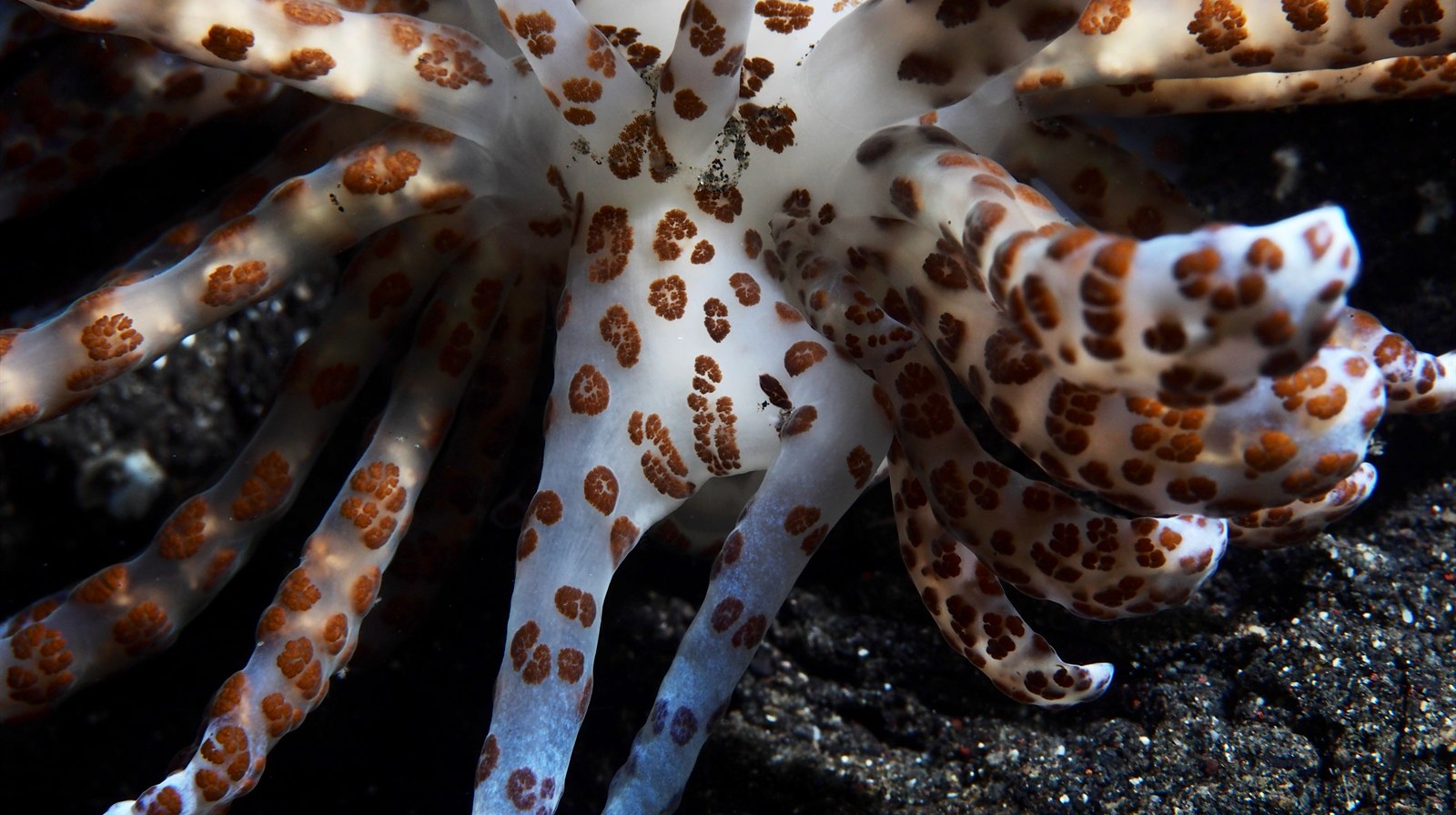
The narrow strait between Bitung and Lembeh Island in North Sulawesi is the acknowledged capital of muck diving. Its dark volcanic sand, scattered debris, and nutrient-rich water concentrate an almost implausible census of rare small animals: mimic octopus, hairy frogfish, flamboyant cuttlefish, blue-ringed octopus. Visibility is modest, depths are shallow, and the diving is slow, close, and guided by some of the sharpest critter-spotters in the world.
Why dive here
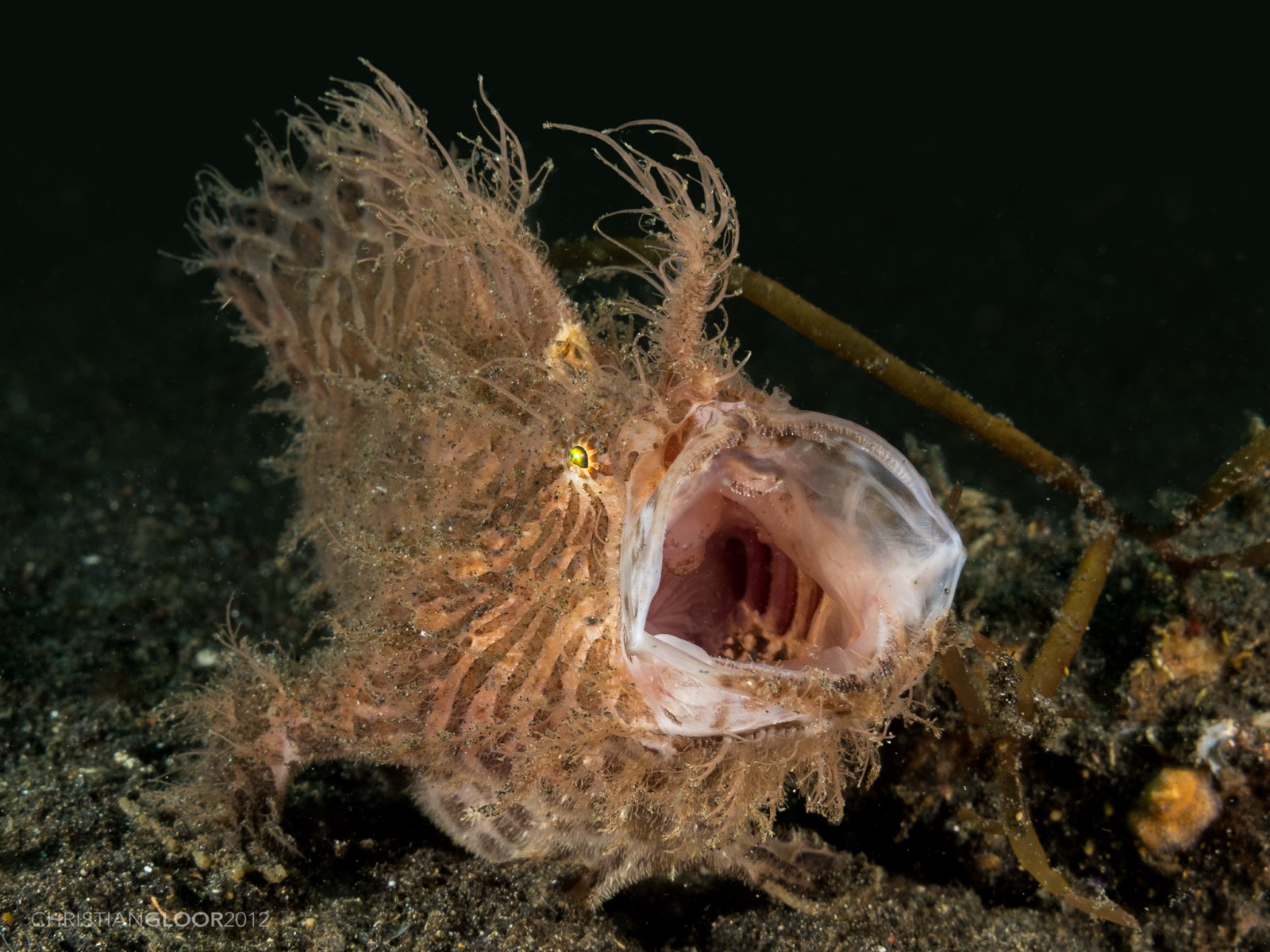
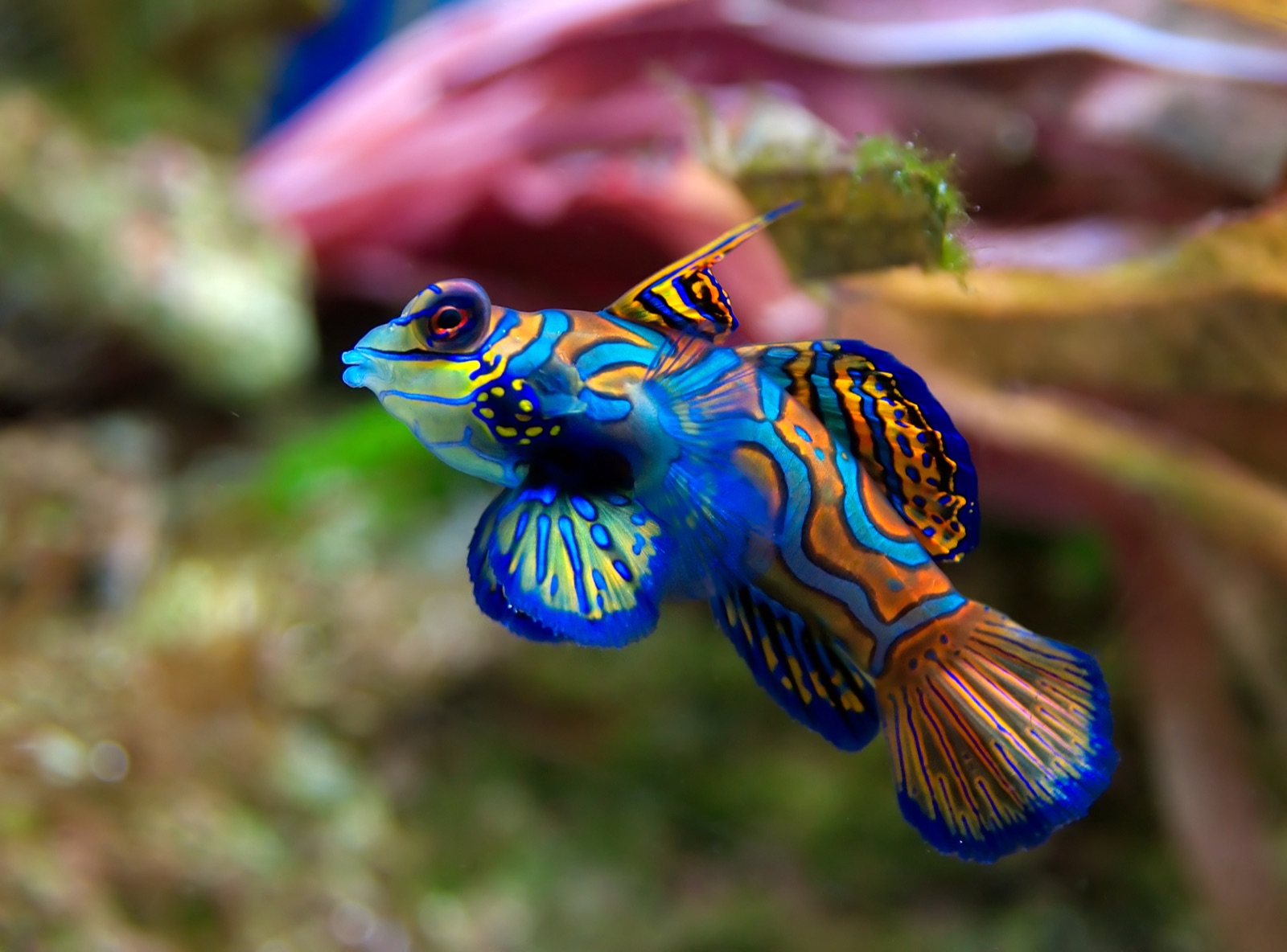
Lembeh rewires what you look for underwater. Instead of scanning the blue, you hover centimeters over black sand while a guide's pointer settles on something you would have sworn was a leaf, a sponge, or nothing at all: a hairy frogfish yawning, a coconut octopus assembling its shell armor, a Bobbit worm cocked in its burrow after dark. The strait's two dozen resorts have refined this into a craft, with spotters who know individual animals' home ranges and photo etiquette drilled into every briefing. Sites vary more than first-timers expect, from pure sand bowls like Hairball to the soft-coral mini-wall at Nudi Falls and pier pilings swarming with juvenile fish. Night and dusk dives add mandarinfish displays and hunting cephalopods. Water stays warm, dives run long and shallow, and the strait is diveable in every month, which is why macro photographers block out weeks here rather than days.
Month by month
Lembeh is a year-round destination; the strait is sheltered and rarely blown out. Many photographers favor the drier months from about July to October, when a slightly cooler current period coincides with abundant juveniles, while the November-to-February rains can dim the already-modest visibility. Critters are present in all seasons.
| Month | Water | Visibility | What it's like |
|---|---|---|---|
| January●●●●○ | 27–29 °C / 81–84 °F | 5–15 m | Rainier period; visibility dips but critter diving continues uninterrupted. |
| February●●●●○ | 27–29 °C / 81–84 °F | 5–15 m | Wet season tail; quiet resorts and reliable muck. |
| March●●●●○ | 27–29 °C / 81–84 °F | 8–18 m | Conditions steady; a good-value shoulder month. |
| April●●●●○ | 27–29 °C / 81–84 °F | 8–18 m | Warm, calm water and consistent sightings. |
| May●●●●○ | 27–29 °C / 81–84 °F | 8–18 m | Settled weather; strait stays flat most days. |
| June●●●●○ | 26–29 °C / 79–84 °F | 8–18 m | Transition toward the cooler-water period begins. |
| July●●●●● | 25–28 °C / 77–82 °F | 10–20 m | Slightly cooler water; a favorite window for photographers. |
| August●●●●● | 25–28 °C / 77–82 °F | 10–20 m | Peak season; book the well-known resorts ahead. |
| September●●●●● | 25–28 °C / 77–82 °F | 10–20 m | Cool, rich water and heavy juvenile activity. |
| October●●●●● | 26–29 °C / 79–84 °F | 10–20 m | Excellent month as water begins warming again. |
| November●●●●○ | 27–29 °C / 81–84 °F | 8–15 m | First rains return; still fully diveable. |
| December●●●●○ | 27–29 °C / 81–84 °F | 5–15 m | Wet season; visibility softens more than the diving does. |
Monthly figures confidence: Editorial estimate. Months without a row have no verified data. We would rather show a gap than invent one.
The dive sites (6)
| Site | Type | Depth | Level | Access | |
|---|---|---|---|---|---|
| Angel's Window The fan-framed swim-through; pygmy seahorses; a reef interlude amid the… | Pinnacle | 5–30 m | Intermediate | Boat | |
| Hairball Hairy frogfish; mimic and coconut octopus; benchmark black-sand critter… | Muck | 3–18 m | Beginner | Boat | |
| Jahir Frogfish and ghost pipefish; outstanding night diving; reliably fresh… | Muck | 3–20 m | Beginner | Boat | |
| Nudi Falls Nudibranch variety; pygmy seahorses and blue-ringed octopus; soft-coral… | Muck | 3–22 m | Beginner | Boat | |
| Police Pier Banggai cardinalfish shoals; giant frogfish on harbor junk; dusk cephalopod… | Muck | 2–16 m | Beginner | Boat | |
| Teluk Kembahu (TK) Mimic octopus and wonderpus; hairy frogfish; Banggai cardinalfish in the… | Muck | 2–18 m | Beginner | Boat |
Marine life you can plan around
Frogfish
Mandarinfish
Nudibranchs
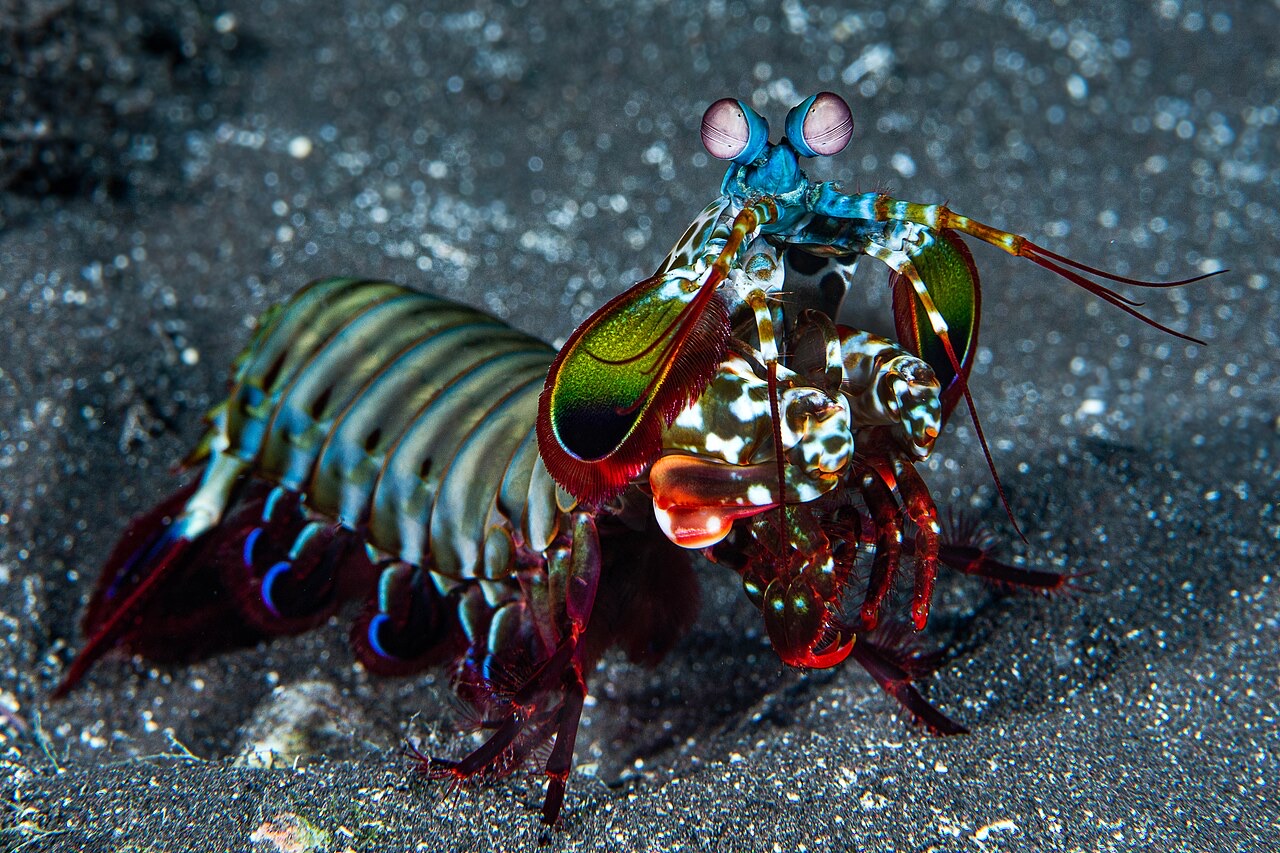
Peacock Mantis Shrimp
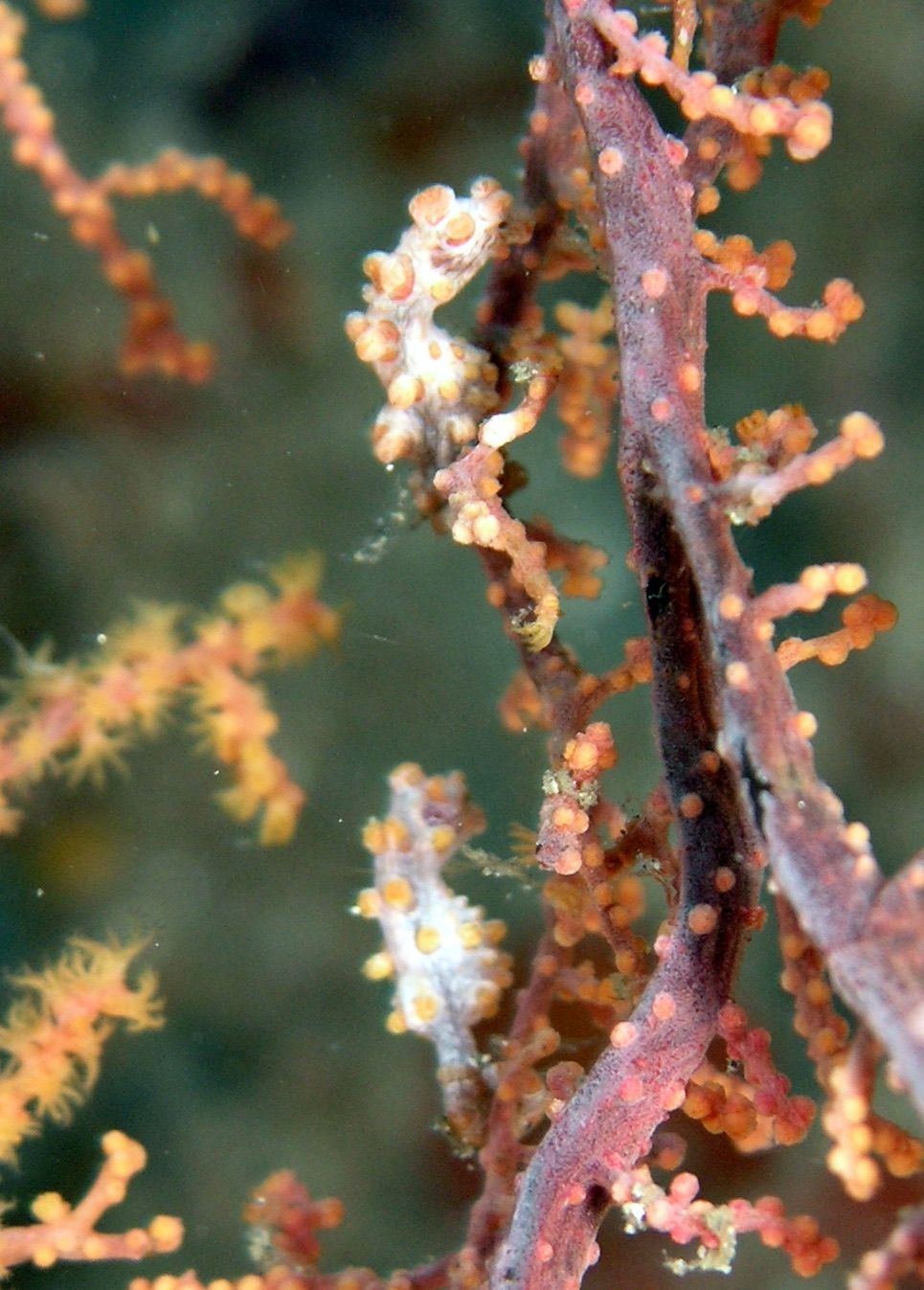
Pygmy Seahorse
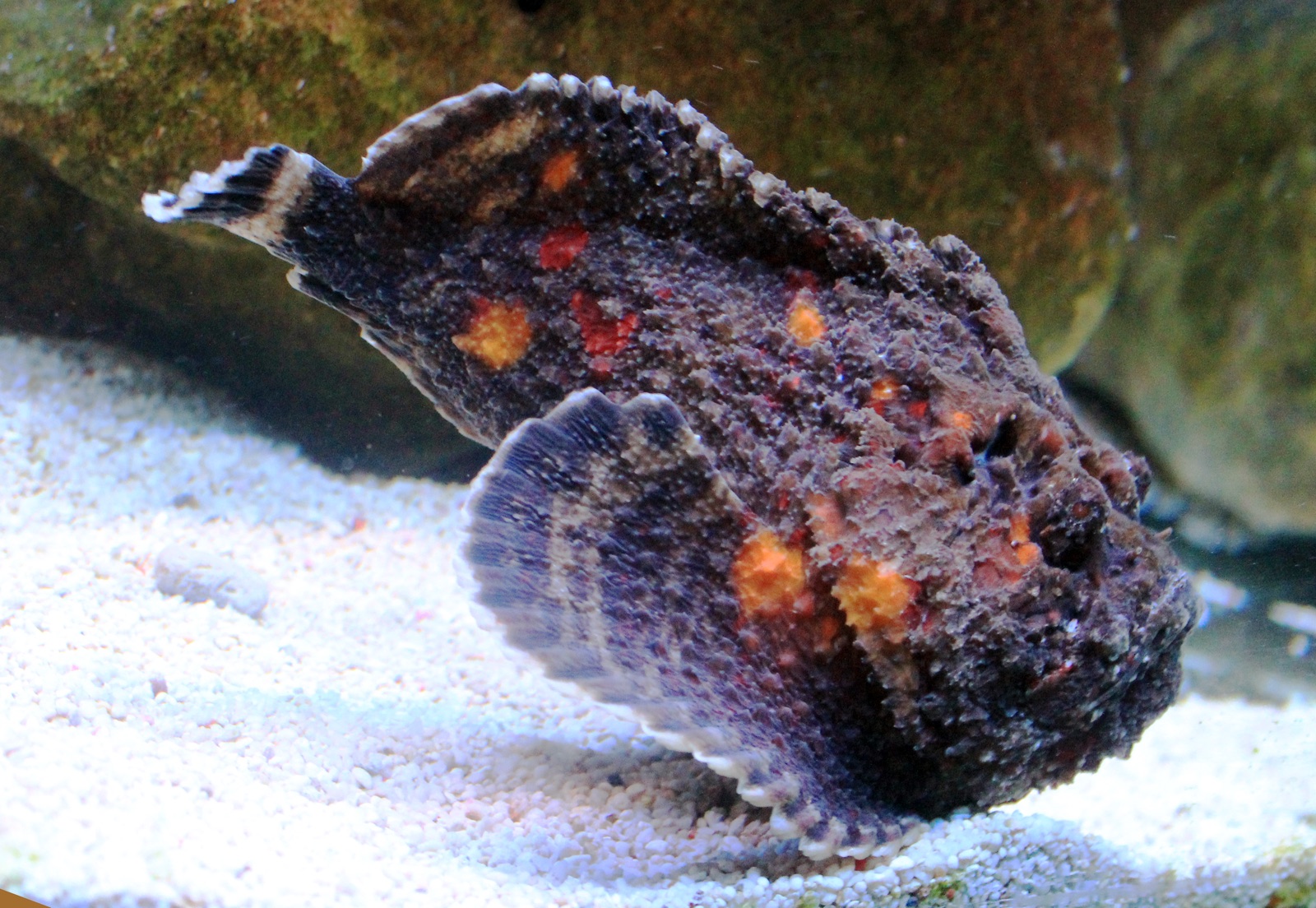
Reef Stonefish
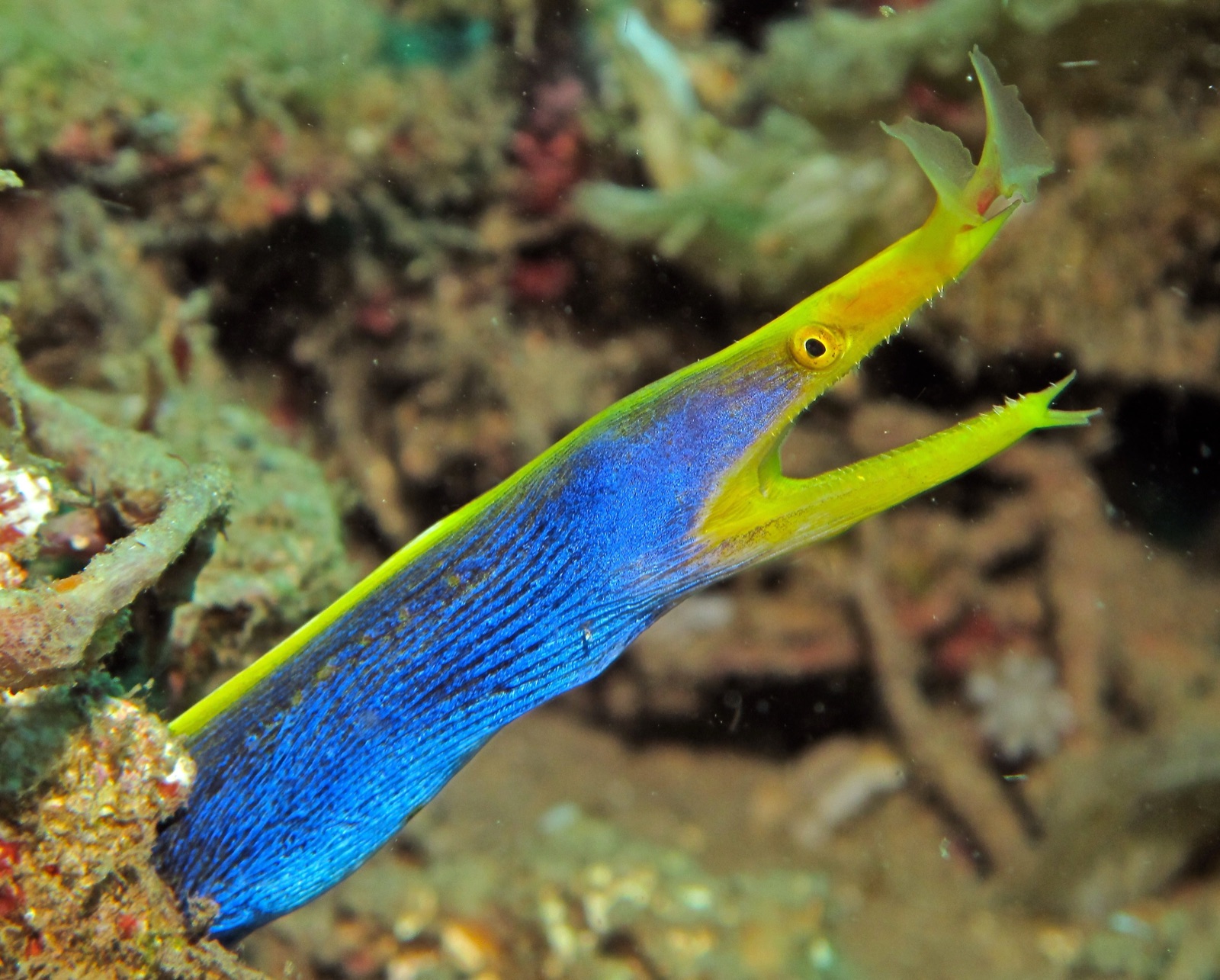
Ribbon Eel
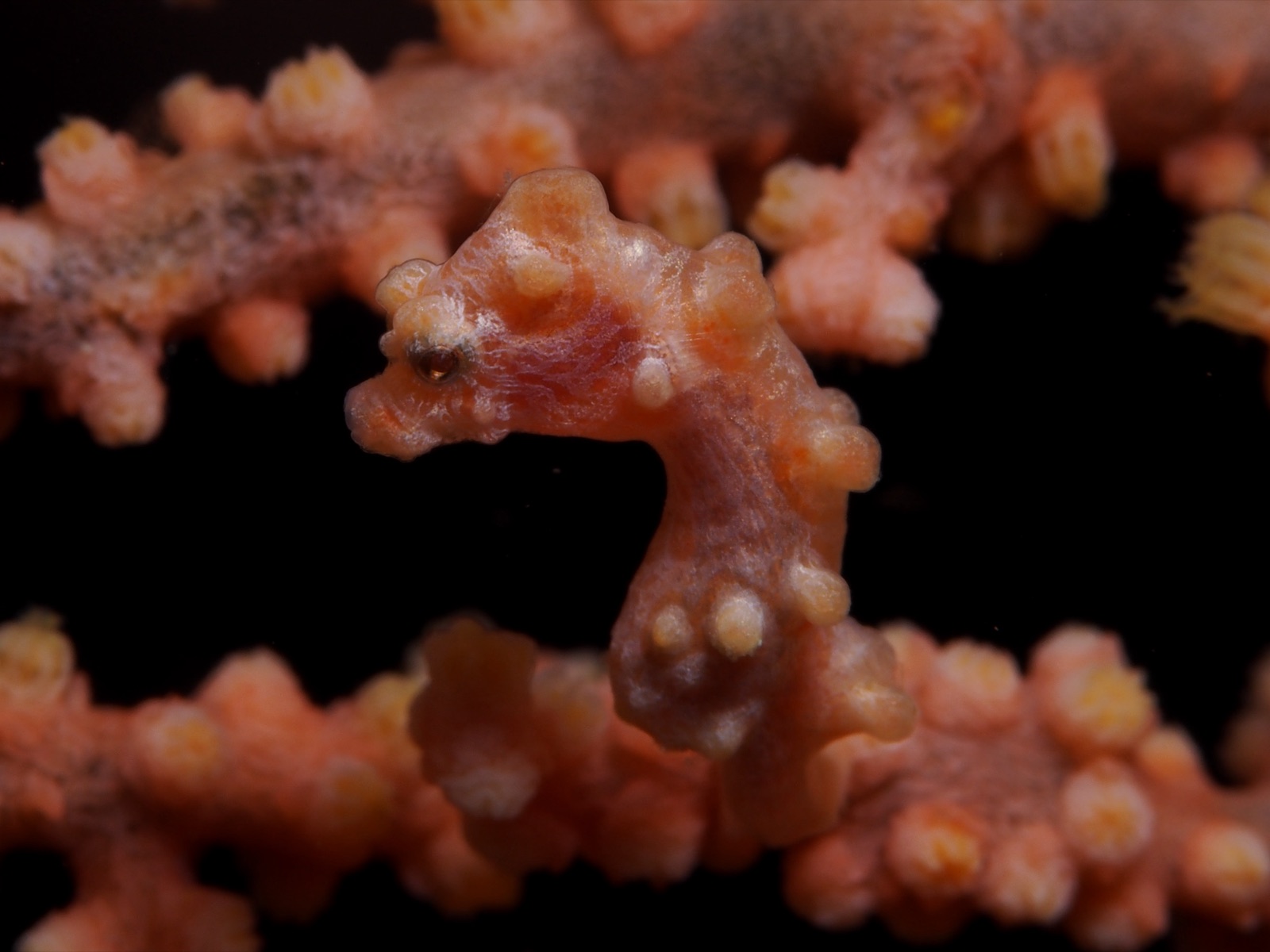
Seahorses
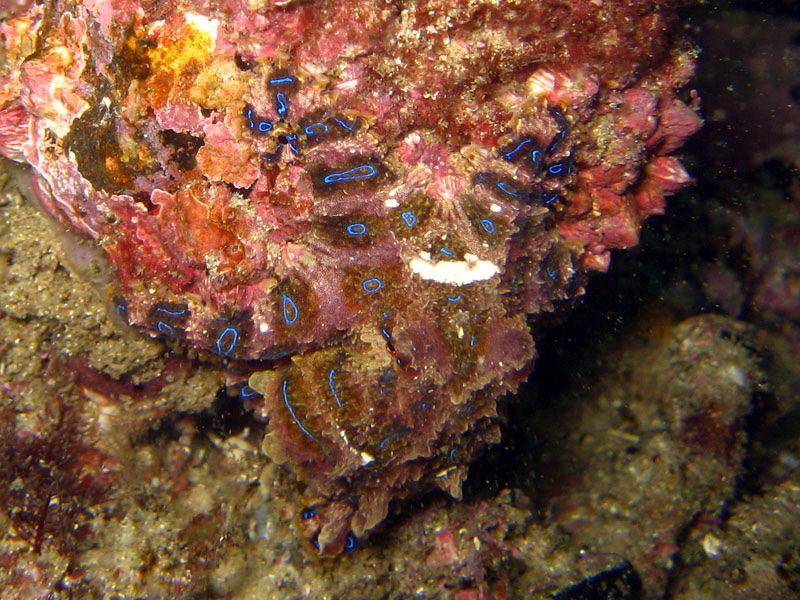
Blue-Ringed Octopus
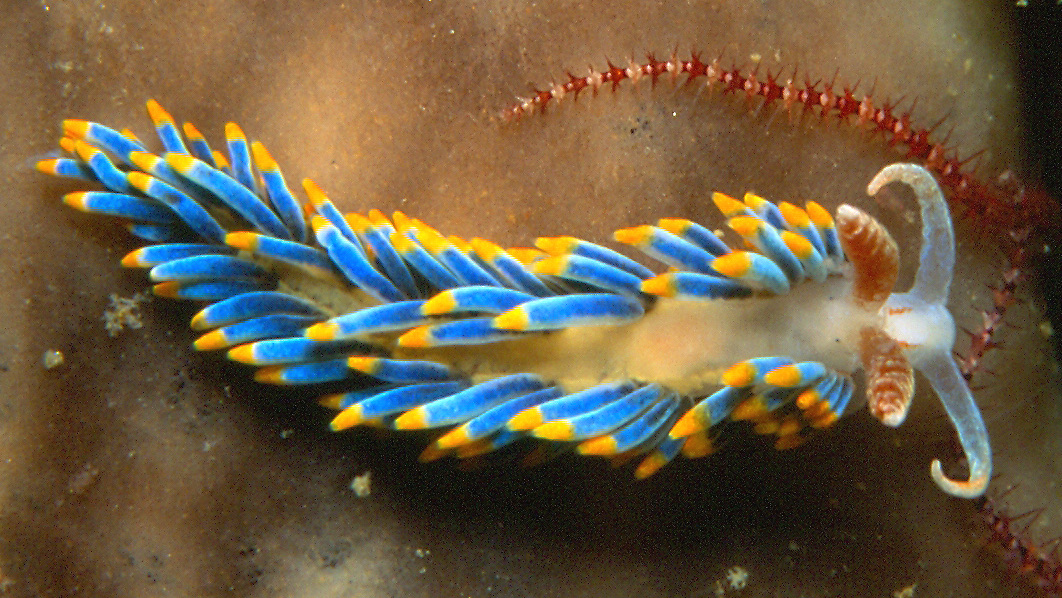
Frogfish of many species including hairy, mimic and wonderpus octopus, blue-ringed octopus, flamboyant cuttlefish, ghost pipefish, seahorses and pygmy seahorses, harlequin shrimp, Bobbit worms, stargazers, and nudibranchs in extraordinary variety.
Getting there & staying
Getting there: Fly to Manado via Jakarta, Bali, or regional hubs such as Singapore when routes operate, then drive roughly ninety minutes to two hours across the peninsula to Bitung, where resort boats make the short crossing to either shore of the strait.
Where to stay: Dedicated dive resorts line both sides of the strait, most with camera rooms, house reefs, and unlimited-shore-diving options. Manado and Bunaken combine easily with Lembeh in one North Sulawesi trip.
Costs: Diving is resort-based and usually sold in packages with meals and boat dives; rates cluster in the mid-range, with premium camera-oriented resorts higher. Expect a small daily marine-management fee through the resort. Two-to-three-dive days plus optional dusk or night dives are the norm.
Between dives: Options are limited by design: highland drives to Tomohon's volcanoes and market, Tangkoko National Park's tarsiers and black macaques an hour away, and otherwise hammocks and image editing between dives.
Safety & practicalities
Hazards: Venomous residents are the point of the place: blue-ringed octopus, stonefish, scorpionfish, stinging urchins, and hydroids reward careful buoyancy and a look-do-not-touch discipline. Fishing boats and debris are part of the seascape; surface with an SMB away from channels.
Depths are forgiving but bottom times run long; watch no-deco limits across four-dive days and mind fine motor control near venomous animals. Muck etiquette is safety here: no pointers into animals, no repositioning subjects, strobes at reasonable distance.
Nearest recompression: Recompression facilities in the Manado area have served North Sulawesi divers, roughly two hours away by road; availability changes, so run any suspected DCS through EMS and DAN rather than driving to a chamber unannounced.