Kona, Hawaiʻi
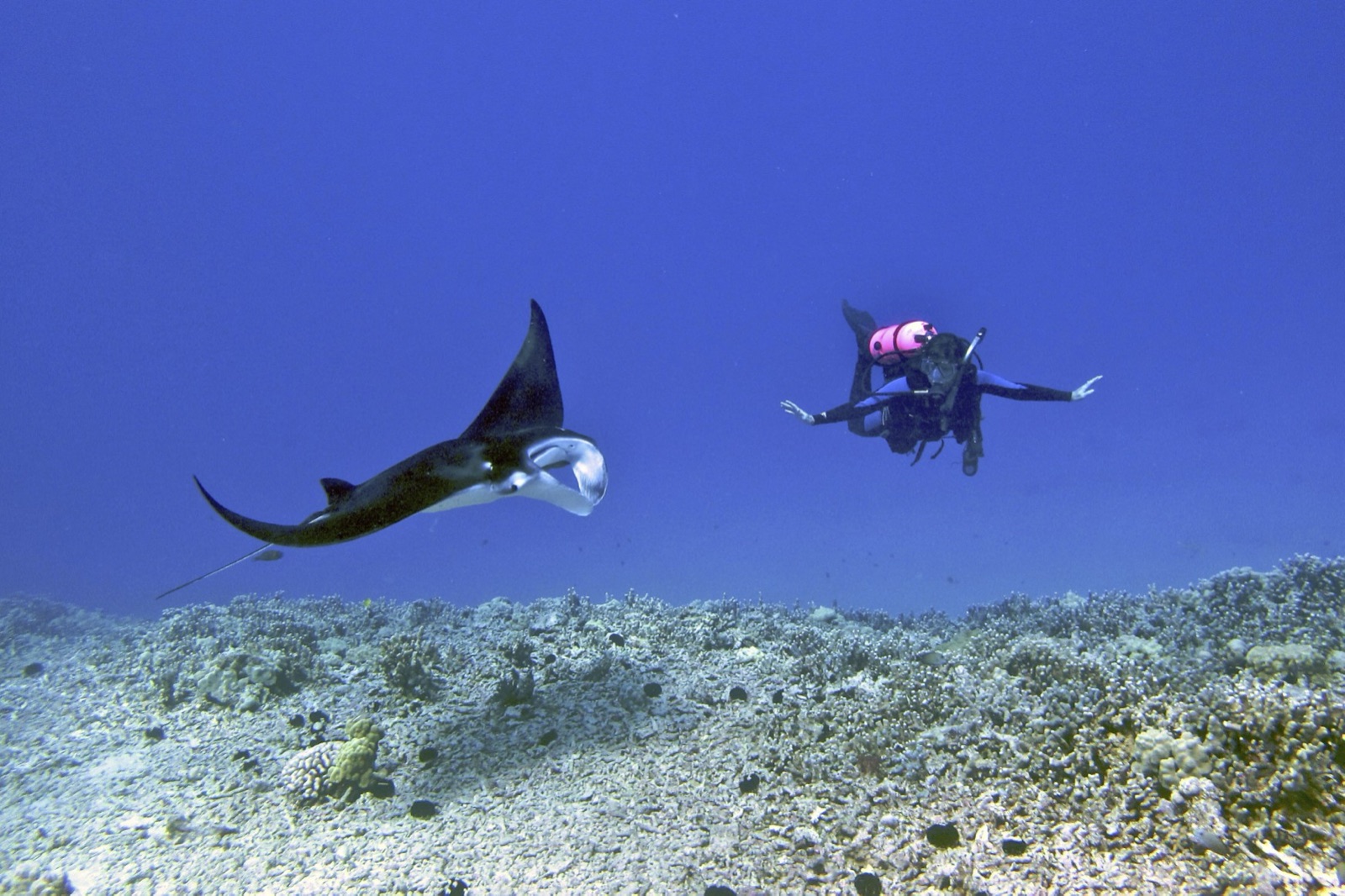
The Kona coast of Hawaiʻi Island dives in the lee of two enormous volcanoes, which is why its water is calm when much of Hawaiʻi is blown out. Lava tubes, arches, and endemic-rich reefs fill the daylight hours, but Kona's fame rests on two night dives: the manta encounter, where reef mantas somersault through plankton drawn by dive lights, and blackwater drifting over thousands of meters of open ocean.
Why dive here
Kona invented two of diving's great nocturnes. The manta night dive began decades ago when hotel and dive lights concentrated plankton close to shore; today divers kneel around a light 'campfire' on the sand while reef mantas loop barrel rolls centimeters overhead, mouths open, at sites off Makako Bay and Keauhou. Success rates are high but honest operators say it plainly: these are wild animals and blank nights happen. Blackwater is the other invention. Tethered divers drift at night over bottomless water while the ocean's vertical migration rises around them: larval fish, pelagic mollusks, siphonophores, things without common names. Daytime Kona is quietly excellent, with about a quarter of Hawaiian reef fish found nowhere else on earth, dense green turtle traffic, lava architecture from arches to tubes, and historic Kealakekua Bay's clear, protected drop-off. Winter adds humpback song to every dive. Boats are professional, sites are minutes from harbor, and conditions are as forgiving as open-Pacific diving gets.
Month by month
Diveable year-round in the island's wind shadow. Late spring through fall is calmest; winter brings occasional north and west swell that can move dives down the coast, plus humpback whales from about December through April. Water runs roughly 24 °C in late winter to 27–28 °C in early fall.
| Month | Water | Visibility | What it's like |
|---|---|---|---|
| January●●●●○ | 24–26 °C / 75–79 °F | 20–40 m | Whale song on every dive; occasional swell. |
| February●●●●○ | 24–25 °C / 75–77 °F | 20–40 m | Coolest water; humpbacks peak. |
| March●●●●○ | 24–26 °C / 75–79 °F | 20–40 m | Whales linger; conditions variable. |
| April●●●●● | 24–26 °C / 75–79 °F | 20–40 m | Calming seas, quieter boats. |
| May●●●●● | 25–27 °C / 77–81 °F | 20–40 m | Settled lee-coast diving. |
| June●●●●● | 25–27 °C / 77–81 °F | 25–40 m | Prime flat-water season. |
| July●●●●● | 26–27 °C / 79–81 °F | 25–40 m | Warm, clear, busy. |
| August●●●●● | 26–28 °C / 79–82 °F | 25–40 m | Warmest water begins. |
| September●●●●● | 26–28 °C / 79–82 °F | 25–40 m | Often the year's best conditions. |
| October●●●●● | 26–28 °C / 79–82 °F | 20–40 m | Late-season calm. |
| November●●●●○ | 25–27 °C / 77–81 °F | 20–40 m | First winter swells possible. |
| December●●●●○ | 24–26 °C / 75–79 °F | 20–40 m | Whales returning. |
Monthly figures confidence: Documented. Months without a row have no verified data. We would rather show a gap than invent one.
The dive sites (5)
| Site | Type | Depth | Level | Access | |
|---|---|---|---|---|---|
| Garden Eel Cove (Manta Night Dive) Barrel-rolling reef mantas centimeters overhead; known individuals… | Reef | 5–14 m | Beginner | Boat | |
| Kealakekua Bay Reserve-quality coral and clarity; history at the Cook monument; resting… | Reef | 3–30 m | Beginner | Boat | |
| Kona Blackwater Drift The nightly vertical migration in open ocean; creatures from larval fish to… | Blue water | 10–18 m | Advanced | Boat | |
| Turtle Pinnacle Green turtles being cleaned at arm's length; tang and surgeonfish work… | Pinnacle | 8–20 m | Beginner | Boat | |
| Two Step (Hōnaunau Bay) Effortless lava-shelf entry; superb shallow coral; turtles and morning… | Shore | 3–25 m | Beginner | Shore |
Marine life you can plan around
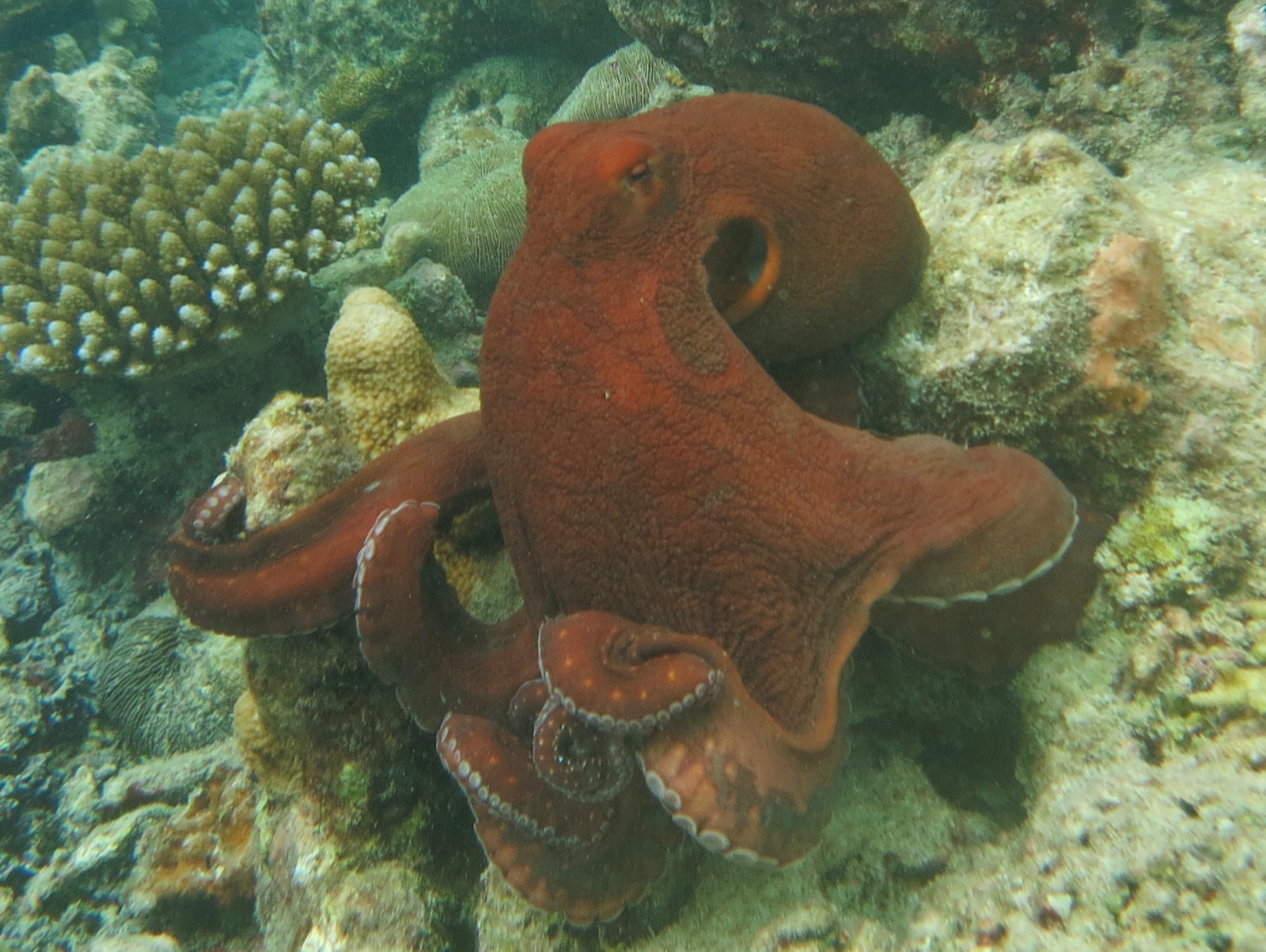
Common Reef (Day) Octopus
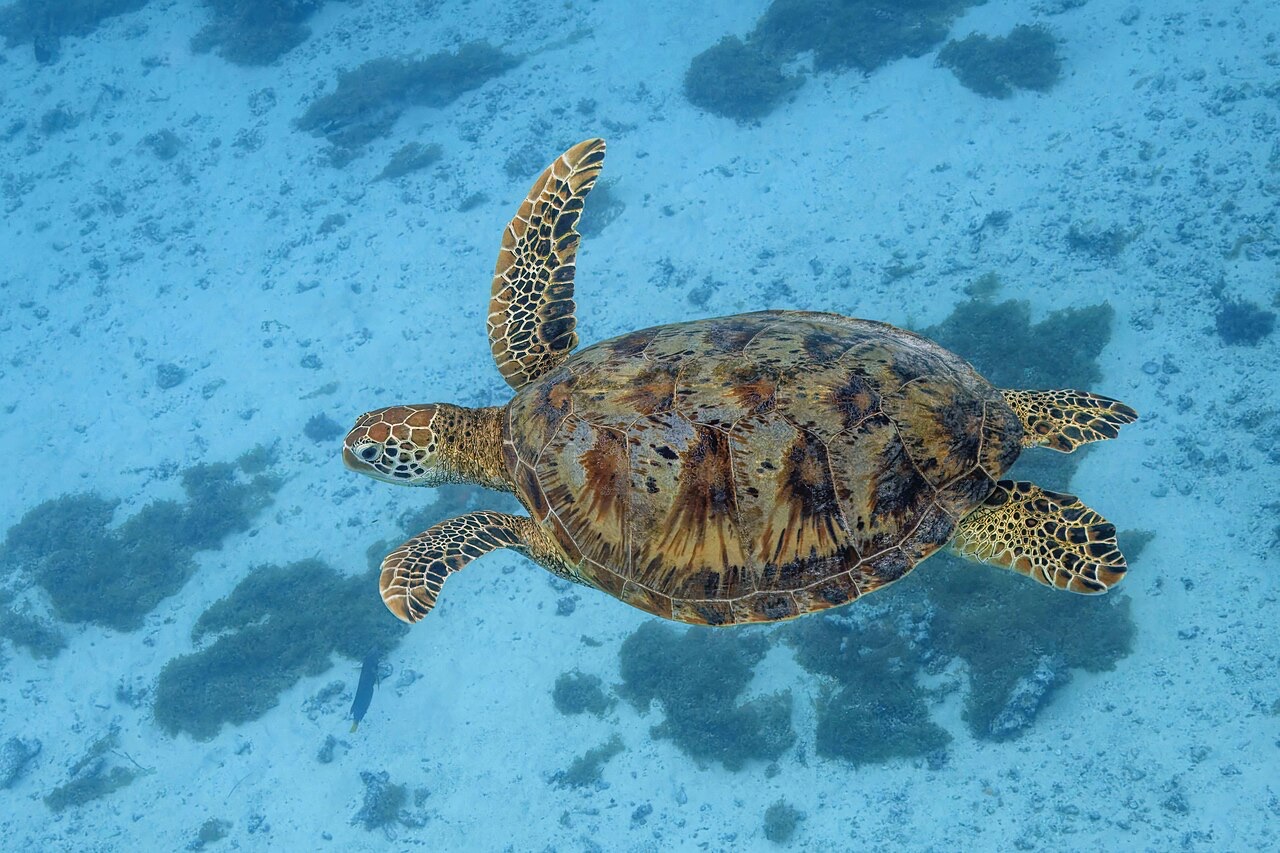
Green Sea Turtle
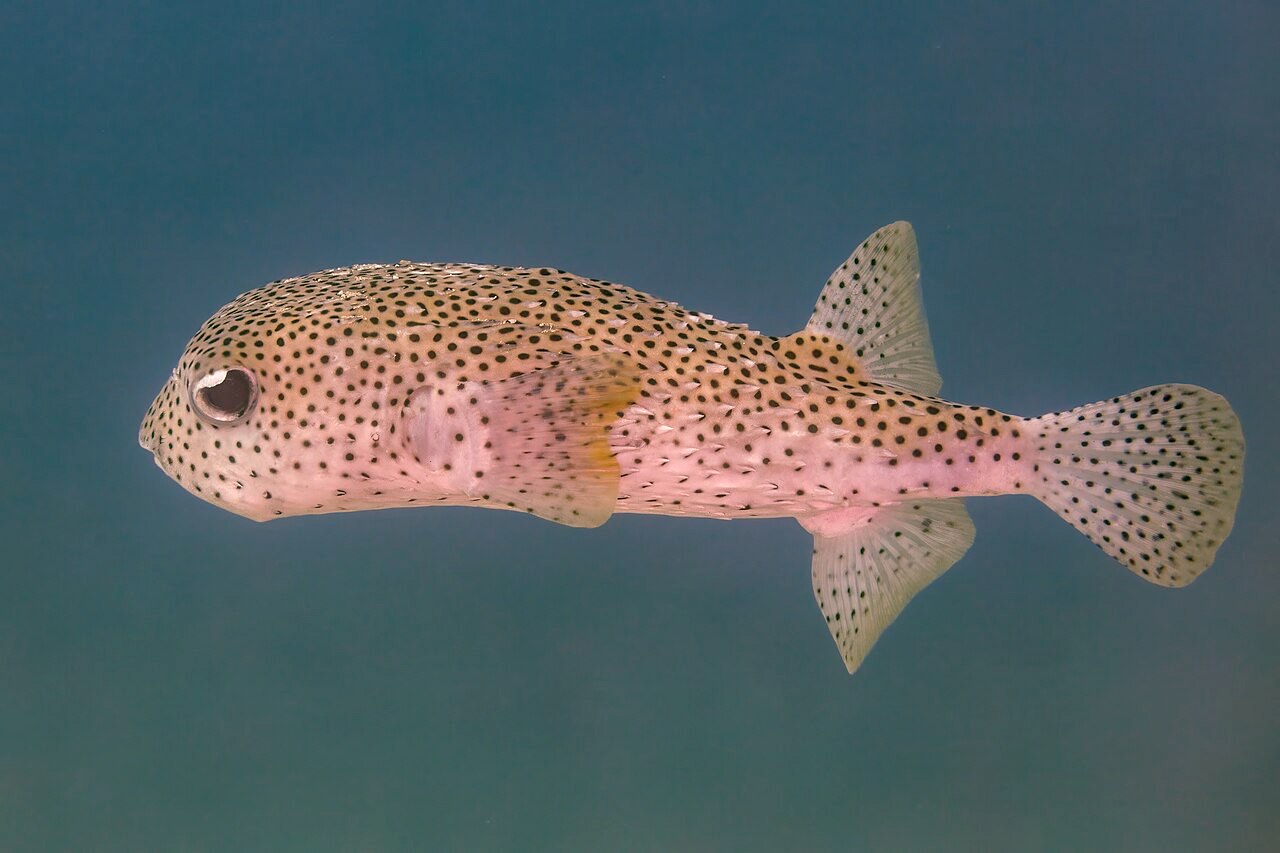
Porcupinefish
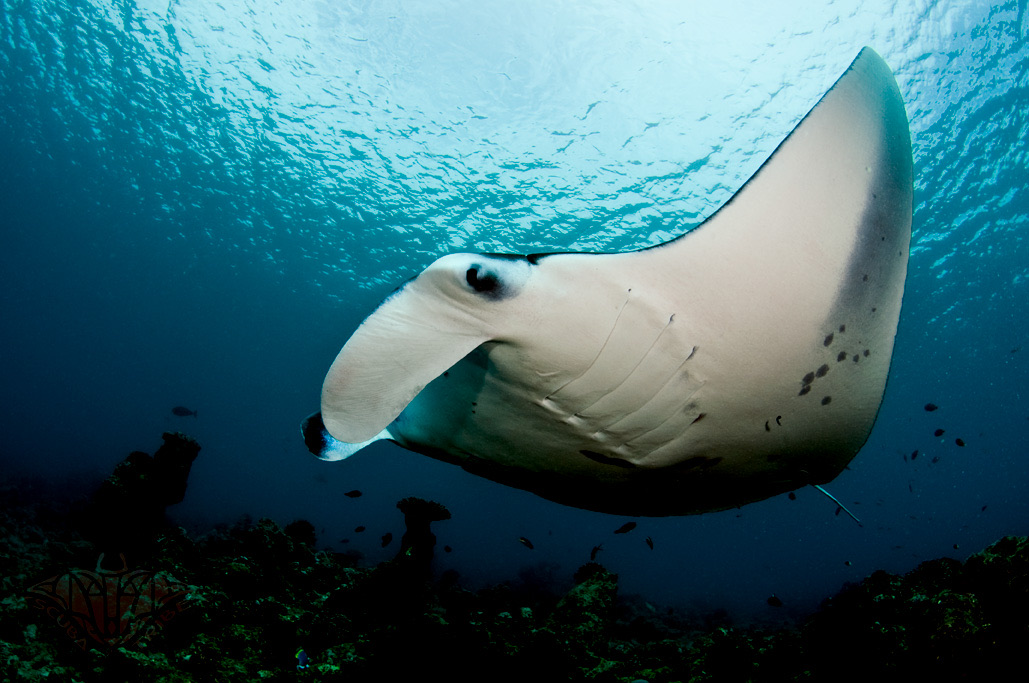
Reef Manta Ray
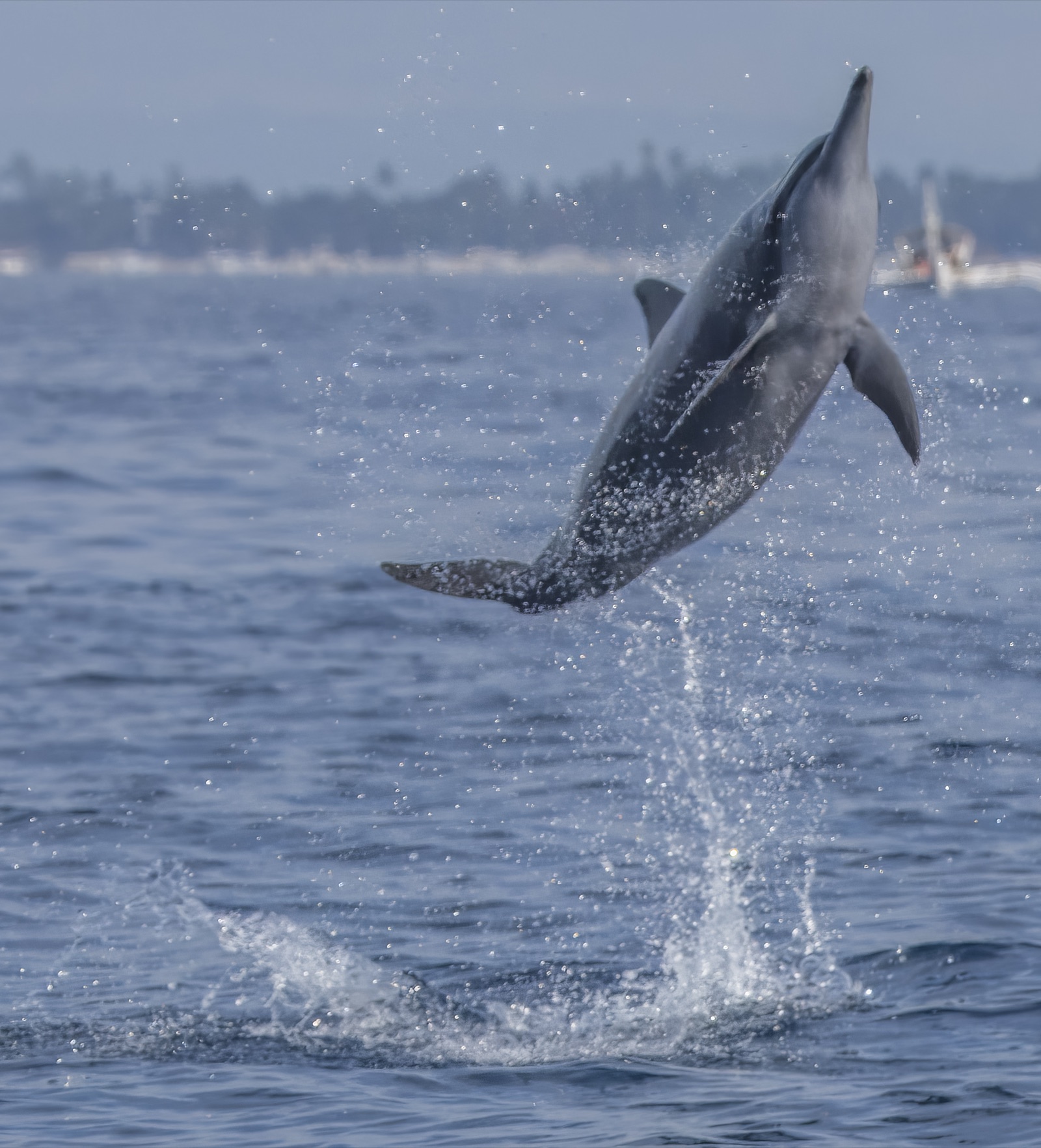
Spinner Dolphin
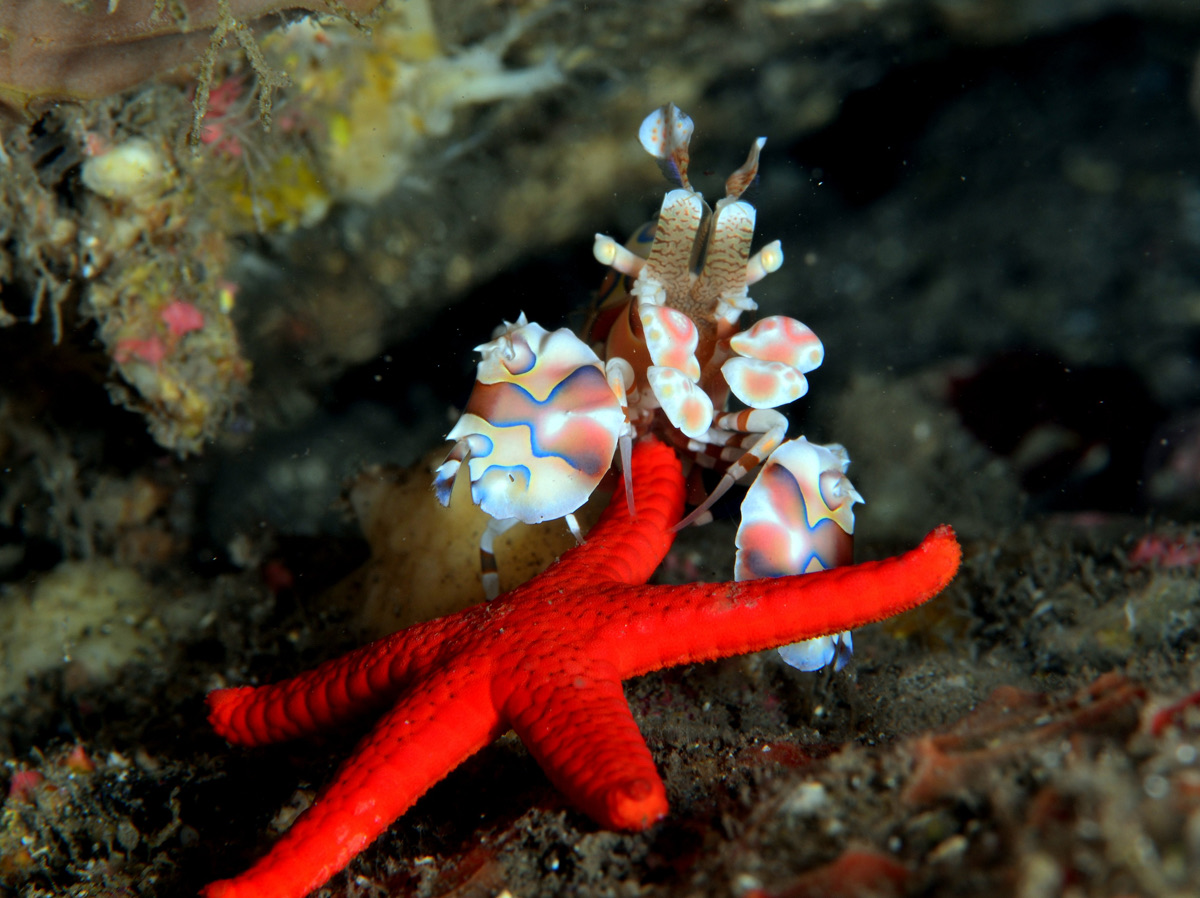
Harlequin Shrimp
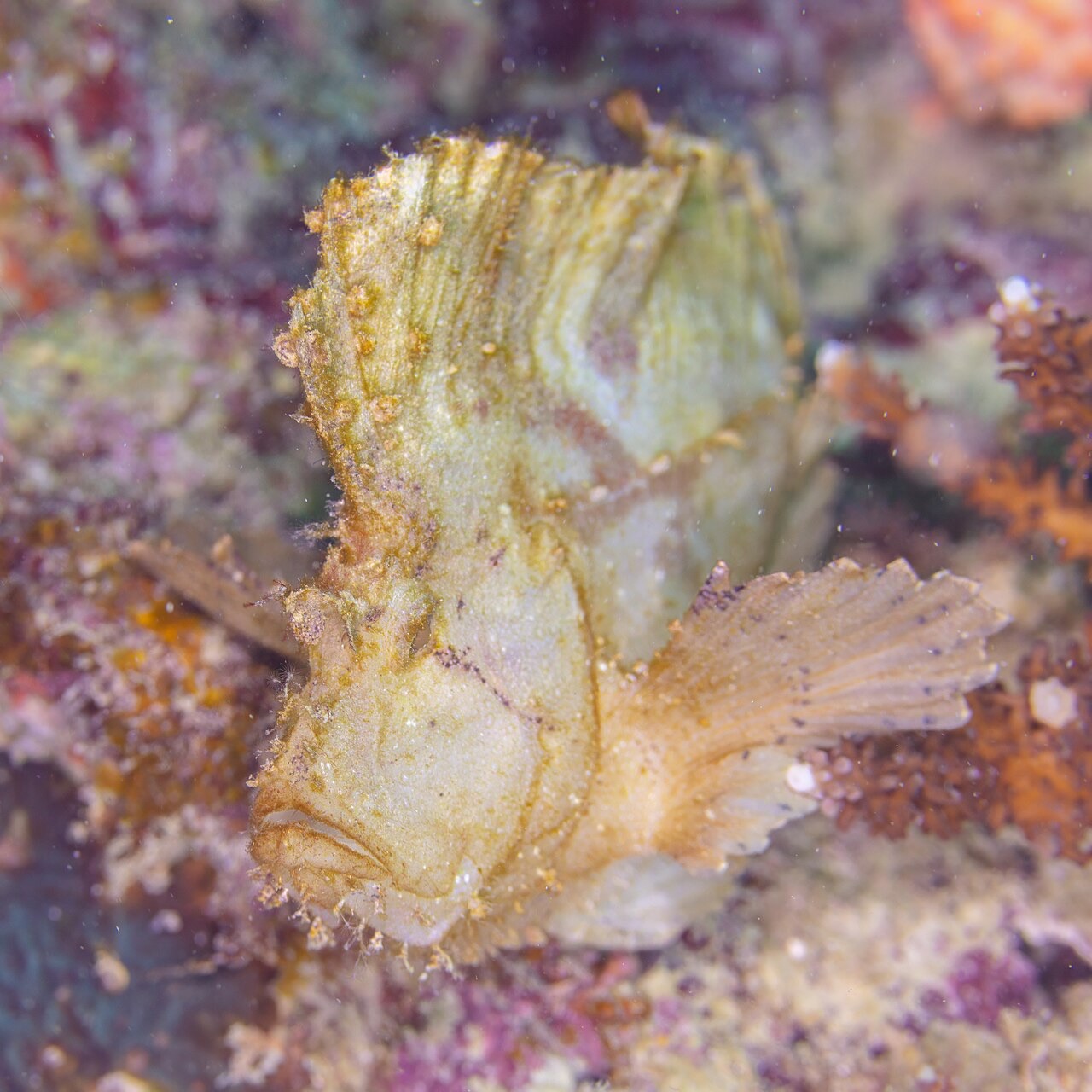
Leaf Scorpionfish
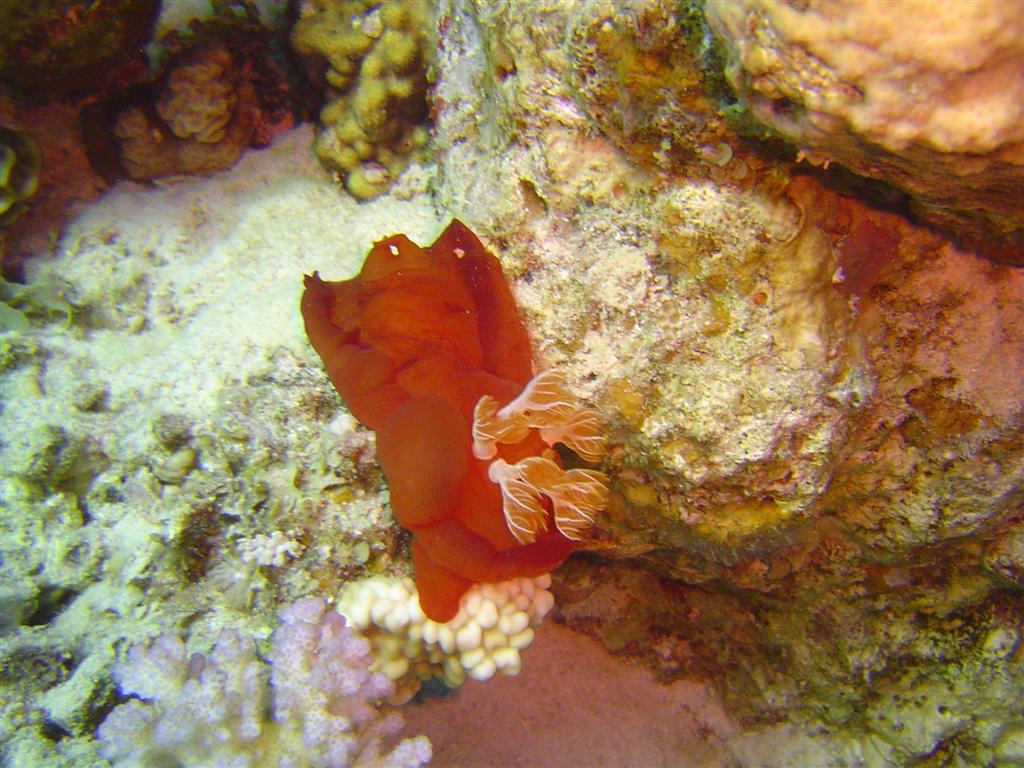
Spanish Dancer
Reef mantas at night, green turtles everywhere, spinner dolphins resting in the bays, whitetip reef sharks under ledges, garden eels on the sand flats, frogfish and day octopus for sharp eyes, endemic butterflyfish and wrasses, and wintering humpbacks offshore.
Getting there & staying
Getting there: Direct flights reach Kona from the US mainland and Honolulu; most dive harbors, Honokōhau chief among them, sit within half an hour of the airport and the Kailua-Kona hotels.
Where to stay: Kailua-Kona and the Keauhou resort strip put every operator within easy reach; condos suit divers doing multiple boat days. Book manta trips for early in the stay so weather can be retried.
Costs: Editorial estimate for a two-tank morning charter in 2026; manta night dives and blackwater trips price separately and sell out ahead in busy months.
Between dives: Puʻuhonua o Hōnaunau historical park, Kealakekua Bay kayaking, coffee farms above the coast, Mauna Kea stargazing tours, and Hawaiʻi Volcanoes National Park a cross-island drive away.
Snorkeling: Kealakekua, Two Step, and manta night snorkeling (offered surface-side on many boats) make Kona one of the state's best snorkel coasts.
Safety & practicalities
Hazards: Occasional winter swell and surge at shallow sites; boat traffic near harbors; night-dive task loading on the manta and blackwater trips; lava rock is sharp on shore entries.
On manta dives keep low, keep lights up, and never touch or chase; on blackwater stay on the tether and watch depth: the ocean below has no floor to catch you. Flying after repetitive dives deserves generous margins.
Nearest recompression: Hawaiʻi's hyperbaric treatment capability is centered on Oʻahu (Honolulu); neighbor-island cases are evacuated. Availability changes. Every suspected case goes through 911/EMS and DAN.