Coral Sea & Osprey Reef
Beyond the shelf edge east of the Great Barrier Reef, isolated open-ocean reefs rise from abyssal water. Osprey Reef is the flagship: a remote lozenge of coral with walls falling toward a thousand meters, visibility that can pass forty meters, and a famous shark amphitheater at North Horn. It is liveaboard-only, weather-dependent, and worth the crossing for divers who want big blue water.
Why dive here
Osprey Reef sits about 125 kilometers off the far north Queensland coast, a seamount-like perimeter reef with no land, no runoff, and water of startling clarity. The signature dive is North Horn, where the reef narrows to a point and currents split: gray reef and whitetip sharks patrol a natural amphitheater, silvertips cruise the edge, and operators stage controlled shark attractions that put the animals close without chaos. Elsewhere the rim offers swim-throughs and features like an old admiralty-pattern anchor wedged into the coral, with the wall always a fin-kick away. Chambered nautilus live in the deep water here and were the subject of long-running research from expedition vessels. Crossings from Cairns take a night each way and only run when the weather allows, so most divers combine Osprey with the Ribbon Reefs on a single itinerary. Holmes, Bougainville, and Flinders reefs extend the same open-ocean character across the wider Coral Sea for the few boats that visit them.
Month by month
Expeditions run much of the year, but the open-sea crossing is most comfortable from roughly September to December when the trade winds drop. June and July trips pair Osprey with dwarf minke season on the ribbons. Cyclone season, November to April, can cancel departures at short notice.
| Month | Water | Visibility | What it's like |
|---|---|---|---|
| January●●●○○ | 27–29 °C / 81–84 °F | 25–45 m | Cyclone watch governs the crossing |
| February●●○○○ | 27–29 °C / 81–84 °F | 25–45 m | Least reliable weather window |
| March●●●○○ | 27–29 °C / 81–84 °F | 25–45 m | Departures resume as systems clear |
| April●●●○○ | 26–28 °C / 79–82 °F | 25–50 m | Trades build; allow schedule flexibility |
| May●●●●○ | 25–27 °C / 77–81 °F | 25–50 m | Cooler water and big visibility |
| June●●●●○ | 24–26 °C / 75–79 °F | 25–50 m | Minke-combination itineraries call at Osprey |
| July●●●●○ | 24–26 °C / 75–79 °F | 25–50 m | Windy but clear |
| August●●●●○ | 24–26 °C / 75–79 °F | 25–50 m | Trade-wind sea state decides comfort |
| September●●●●● | 24–26 °C / 75–79 °F | 30–60 m | Winds drop; prime expedition month |
| October●●●●● | 25–27 °C / 77–81 °F | 30–60 m | Calm seas and long horizons |
| November●●●●● | 26–28 °C / 79–82 °F | 30–60 m | Often the calmest crossings of the year |
| December●●●●○ | 27–29 °C / 81–84 °F | 25–50 m | Early-summer heat; watch the forecasts |
Monthly figures confidence: Editorial estimate. Months without a row have no verified data. We would rather show a gap than invent one.
The dive sites (3)
| Site | Type | Depth | Level | Access | |
|---|---|---|---|---|---|
| Admiralty Anchor Historic anchor grown into the reef, light-filled swim-throughs, huge… | Reef | 8–30 m | Intermediate | Liveaboard | |
| False Entrance Canyon swim-throughs, patrolling sharks on the rim, dramatic light in the… | Wall | 6–40 m | Intermediate | Liveaboard | |
| North Horn Shark amphitheater over abyssal walls, silvertips from the blue, dogtooth… | Wall | 10–40 m | Intermediate | Liveaboard |
Marine life you can plan around
Dogtooth Tuna
Grey Reef Shark
Silvertip Shark
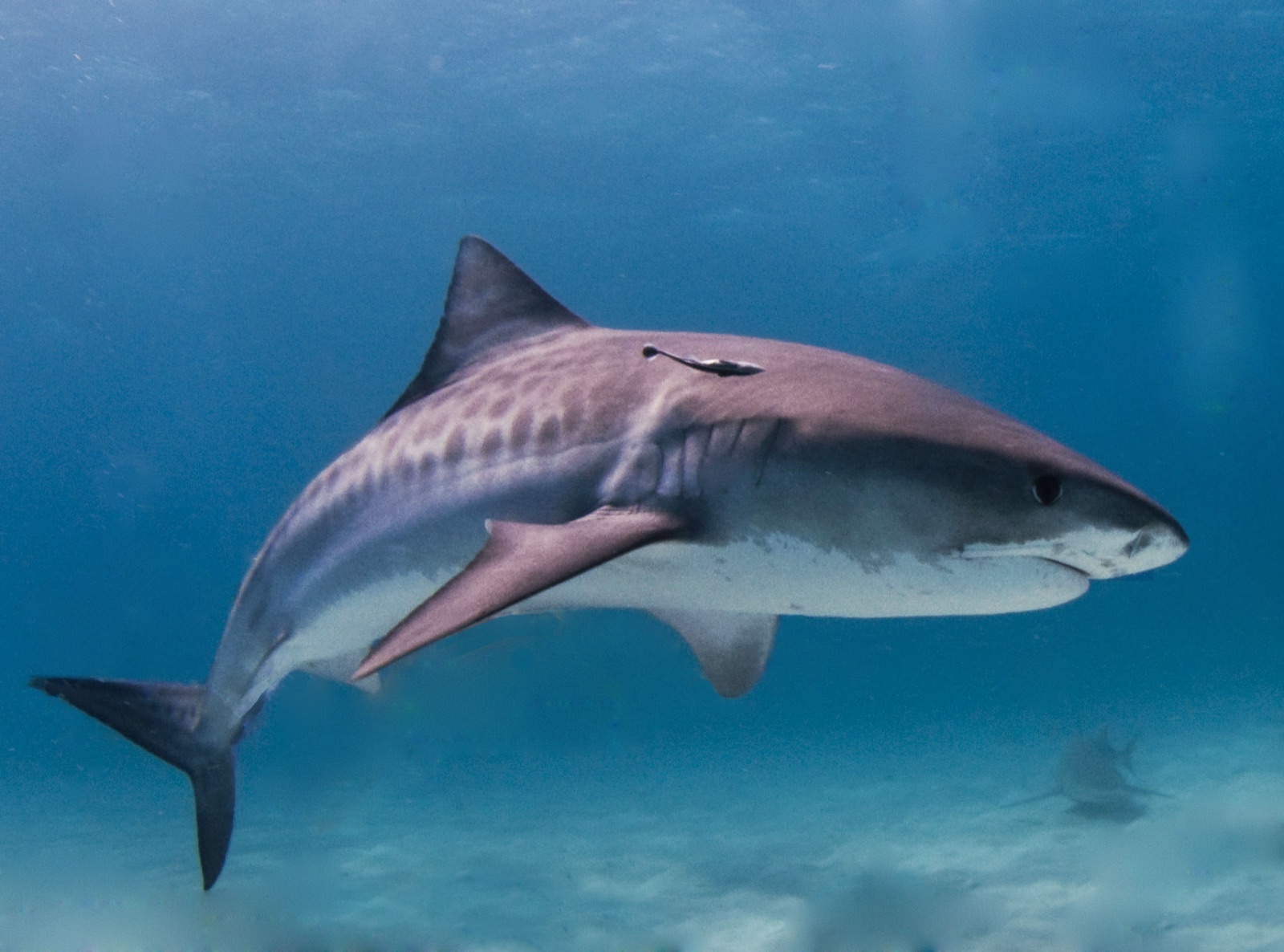
Tiger Shark
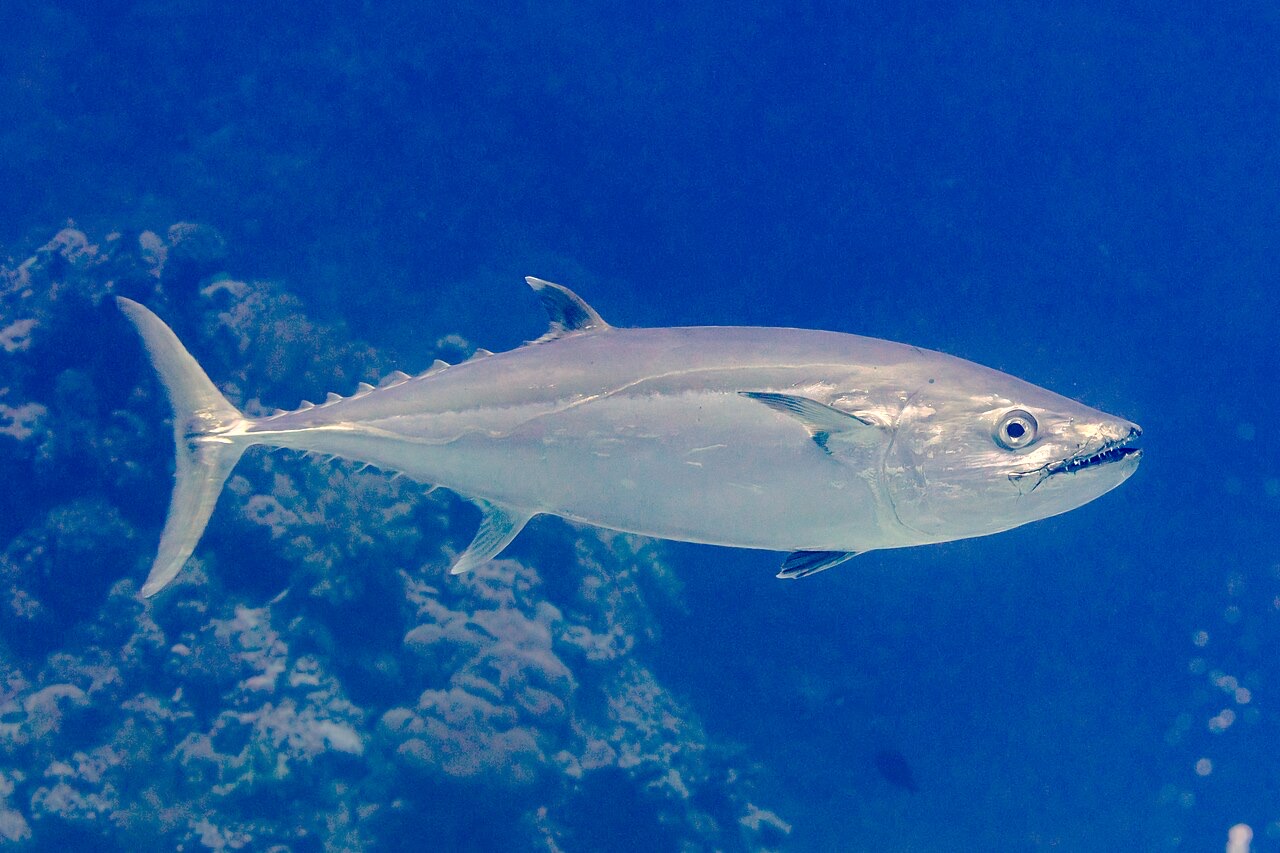
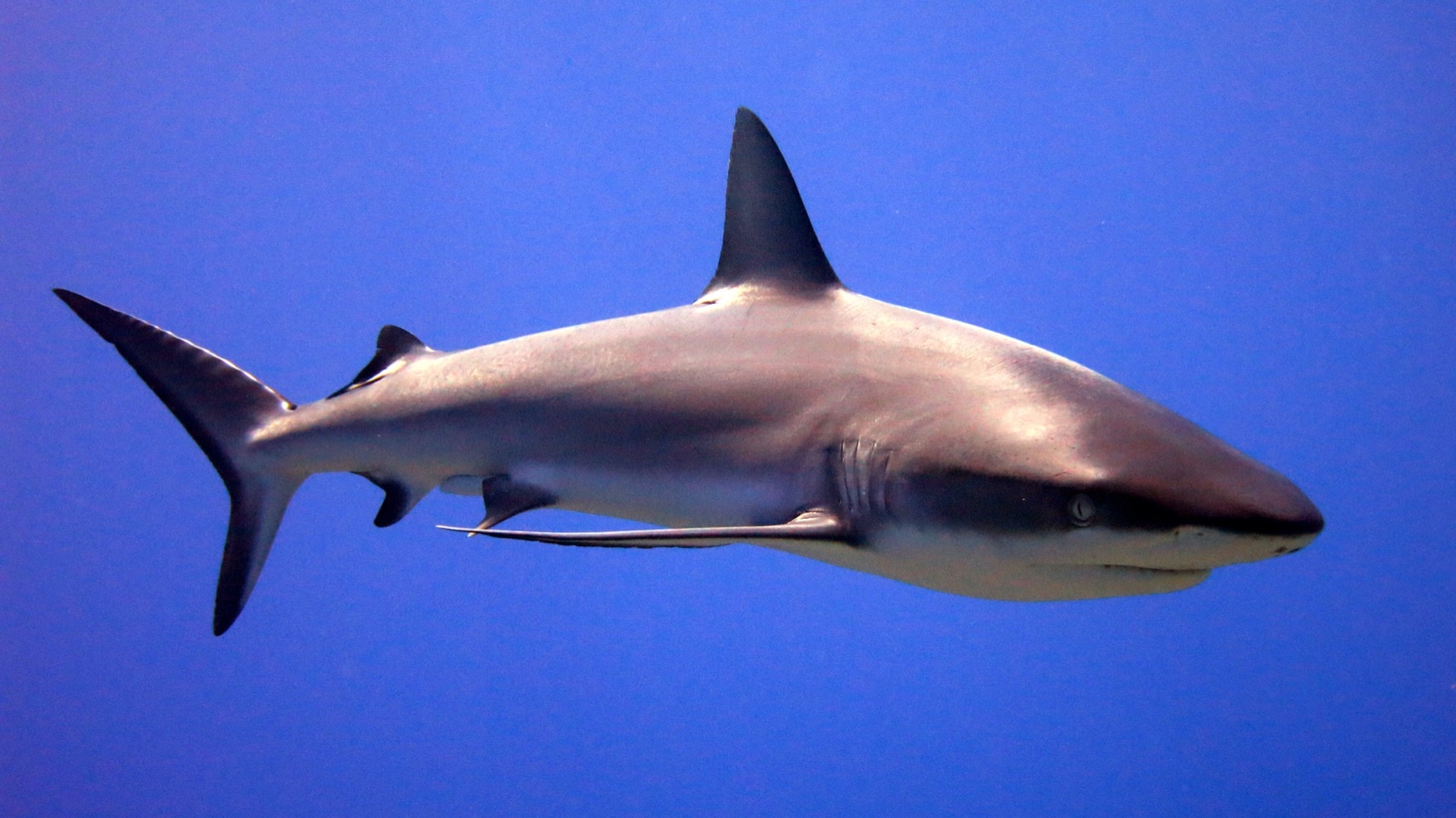
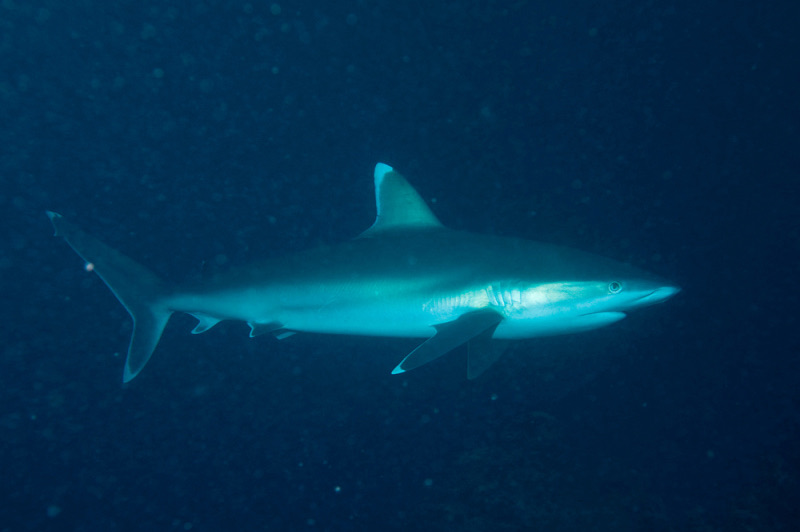
Gray reef, whitetip, and silvertip sharks in numbers, dogtooth tuna, big trevally, potato cod, dense soft corals on current points, and hammerheads on some winter trips. Chambered nautilus inhabit the deep walls and featured in research programs run from dive vessels.
Getting there & staying
Getting there: All access is by liveaboard from Cairns or Port Douglas, typically with an overnight open-water passage each way; some itineraries add the Lizard Island flight leg.
Where to stay: There is no accommodation at the reef itself; divers overnight in Cairns before and after the trip.
Liveaboards: Liveaboard is the only way to dive the Coral Sea reefs; itineraries pair Osprey with the Ribbon Reefs on most departures.
Costs: Liveaboard-only. Expect expedition pricing per night rather than a two-tank day rate, with four- to seven-night Coral Sea itineraries from Cairns at a clear premium over reef-only trips.
Between dives: None at the reef beyond the boat itself; plan topside time in Cairns, the Daintree, or the Tablelands around the expedition.
Safety & practicalities
Hazards: True open-ocean remoteness, walls dropping beyond any diveable depth, current on the points, and sea conditions that can shorten or reroute an itinerary. Evacuation takes many hours.
Conservative profiles are essential this far from care. Follow the crew's current briefings at North Horn, keep the reef in sight in blue water, and carry a surface marker and signaling gear on every dive.
Nearest recompression: The nearest hyperbaric unit is in Townsville, a long evacuation away. Emergencies go through the vessel's emergency plan, EMS, and DAN; availability changes.