Bonaire
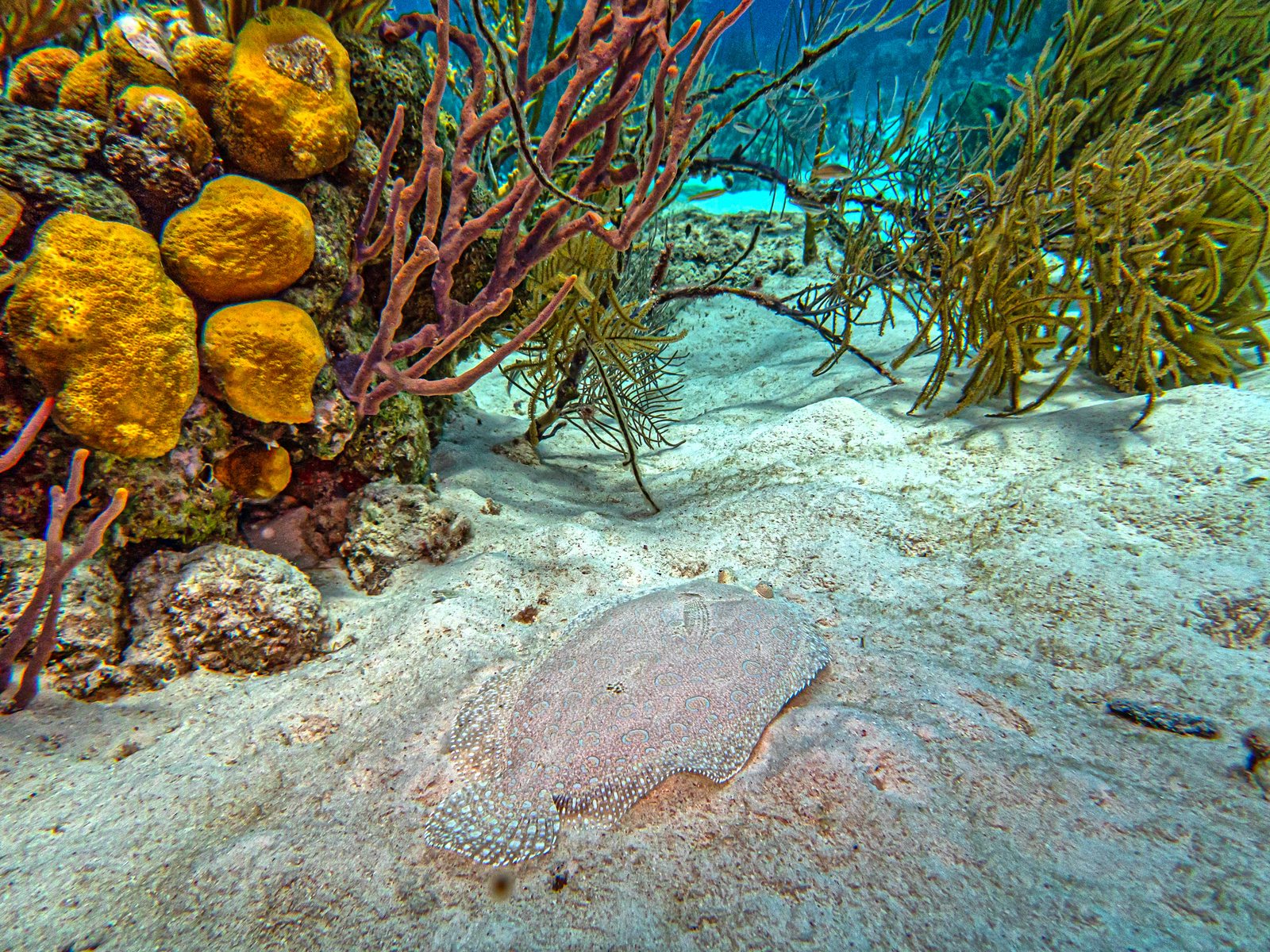
Bonaire runs on shore diving. Yellow-painted stones along the leeward road mark more than sixty entry points, the fringing reef has been legally protected since 1979, and rental trucks come with tank racks instead of roof boxes. Divers set their own schedule here, rolling in for a dawn dive at Bari Reef, an afternoon under the Salt Pier, and a night dive steps from dinner, all inside one of the Caribbean's oldest marine parks.
Why dive here
Freedom is the product. The Bonaire National Marine Park wraps the entire coastline, moorings and marked entries make the reef genuinely self-service, and the double-reef systems of the south, the coral terraces of the north, and the boat-only slopes of Klein Bonaire all sit within a short drive or ride of Kralendijk. The diving itself rewards attention rather than adrenaline: Bari Reef routinely tops volunteer fish-count surveys for the tropical western Atlantic, longsnout seahorses and frogfish turn up for those who look, and tarpon shadow night divers under the piers. The Hilma Hooker adds a genuine 72-meter wreck lying between the southern double reefs. Because the island sits outside the main hurricane belt, the season never really closes, and repeat visitors log fifty dives a year here without repeating an entry point.
Month by month
Good year-round; Bonaire lies south of most hurricane tracks. October-December is the rainier stretch, with occasional runoff and wind shifts.
| Month | Water | Visibility | What it's like |
|---|---|---|---|
| January●●●●● | 26–27 °C / 79–81 °F | 20–30 m | |
| February●●●●● | 26–27 °C / 79–81 °F | 20–30 m | |
| March●●●●● | 26–27 °C / 79–81 °F | 20–30 m | |
| April●●●●● | 26–28 °C / 79–82 °F | 20–30 m | |
| May●●●●● | 27–28 °C / 81–82 °F | 20–30 m | |
| June●●●●● | 27–29 °C / 81–84 °F | 20–30 m | Trade winds at their steadiest. |
| July●●●●● | 27–29 °C / 81–84 °F | 20–30 m | |
| August●●●●● | 28–29 °C / 82–84 °F | 20–30 m | |
| September●●●●● | 28–30 °C / 82–86 °F | 20–30 m | Warmest, calmest water of the year. |
| October●●●●○ | 28–30 °C / 82–86 °F | 15–30 m | Showers begin; brief runoff after heavy rain. |
| November●●●●○ | 27–29 °C / 81–84 °F | 15–30 m | |
| December●●●●○ | 26–28 °C / 79–82 °F | 15–30 m |
Monthly figures confidence: Documented. Months without a row have no verified data. We would rather show a gap than invent one.
The dive sites (7)
| Site | Type | Depth | Level | Access | |
|---|---|---|---|---|---|
| 1,000 Steps Iconic staircase entry, star coral hills, dependable turtles | Reef | 5–30 m | Beginner | Shore | |
| Angel City Textbook double reef, queen angelfish, sand-channel ray traffic | Reef | 5–27 m | Beginner | Shore | |
| Bari Reef Record-setting fish diversity, effortless entry, superb night diving | Reef | 3–25 m | Beginner | Shore | |
| Forest Shallow black coral groves, turtle traffic off a nesting islet, steep clean… | Wall | 8–30 m | Intermediate | Boat | |
| Hilma Hooker Full-size freighter on its side, tarpon under the hull, double-reef setting | Wreck | 18–30 m | Advanced | Shore | |
| Karpata Steep sculpted drop-off, embedded historic anchors, standout visibility | Reef | 5–35 m | Intermediate | Shore | |
| Salt Pier Encrusted pilings in shafted light, seahorse and frogfish hunting… | Artificial reef | 4–12 m | Beginner | Shore |
Marine life you can plan around
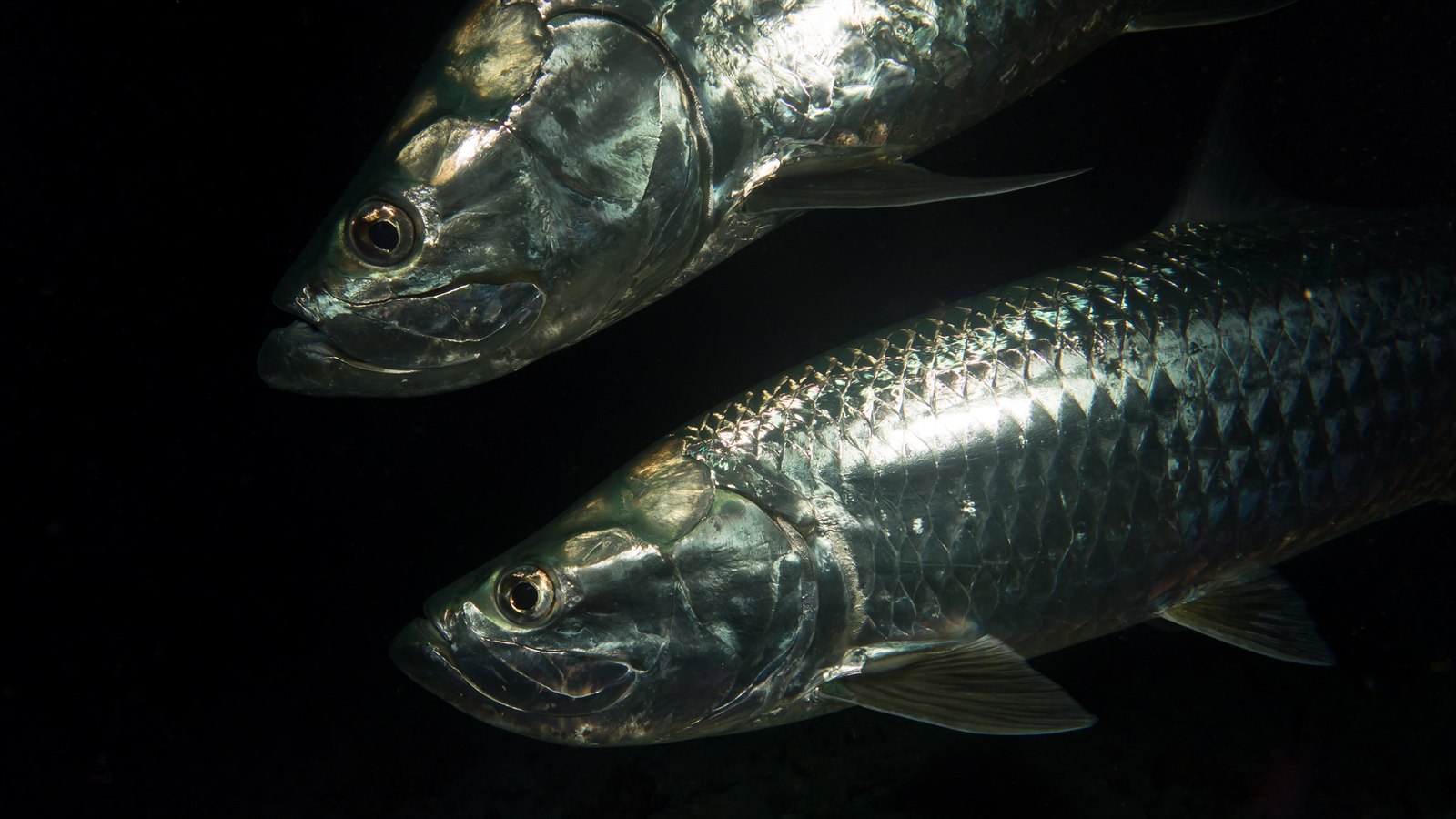
Atlantic Tarpon
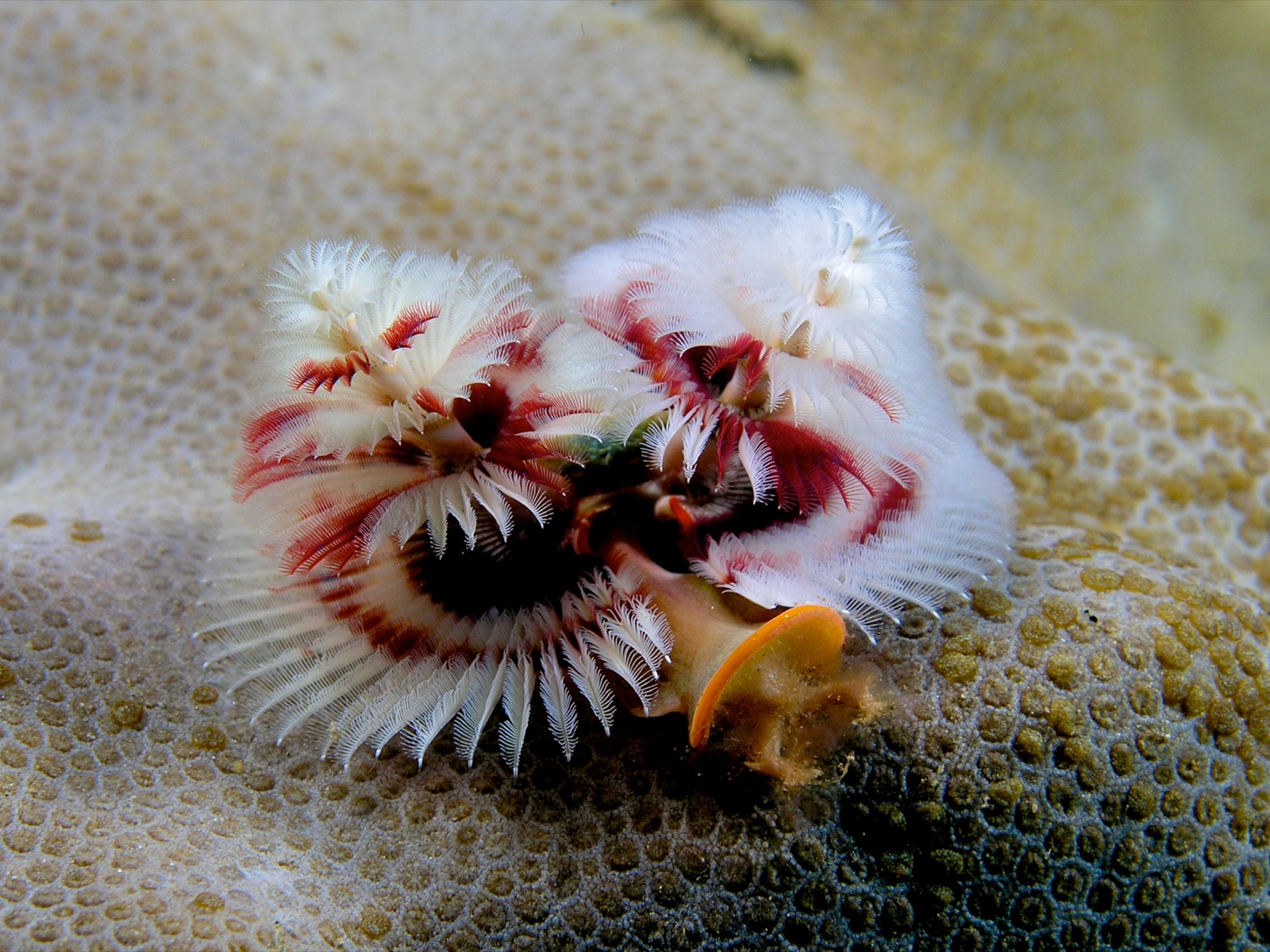
Christmas Tree Worm
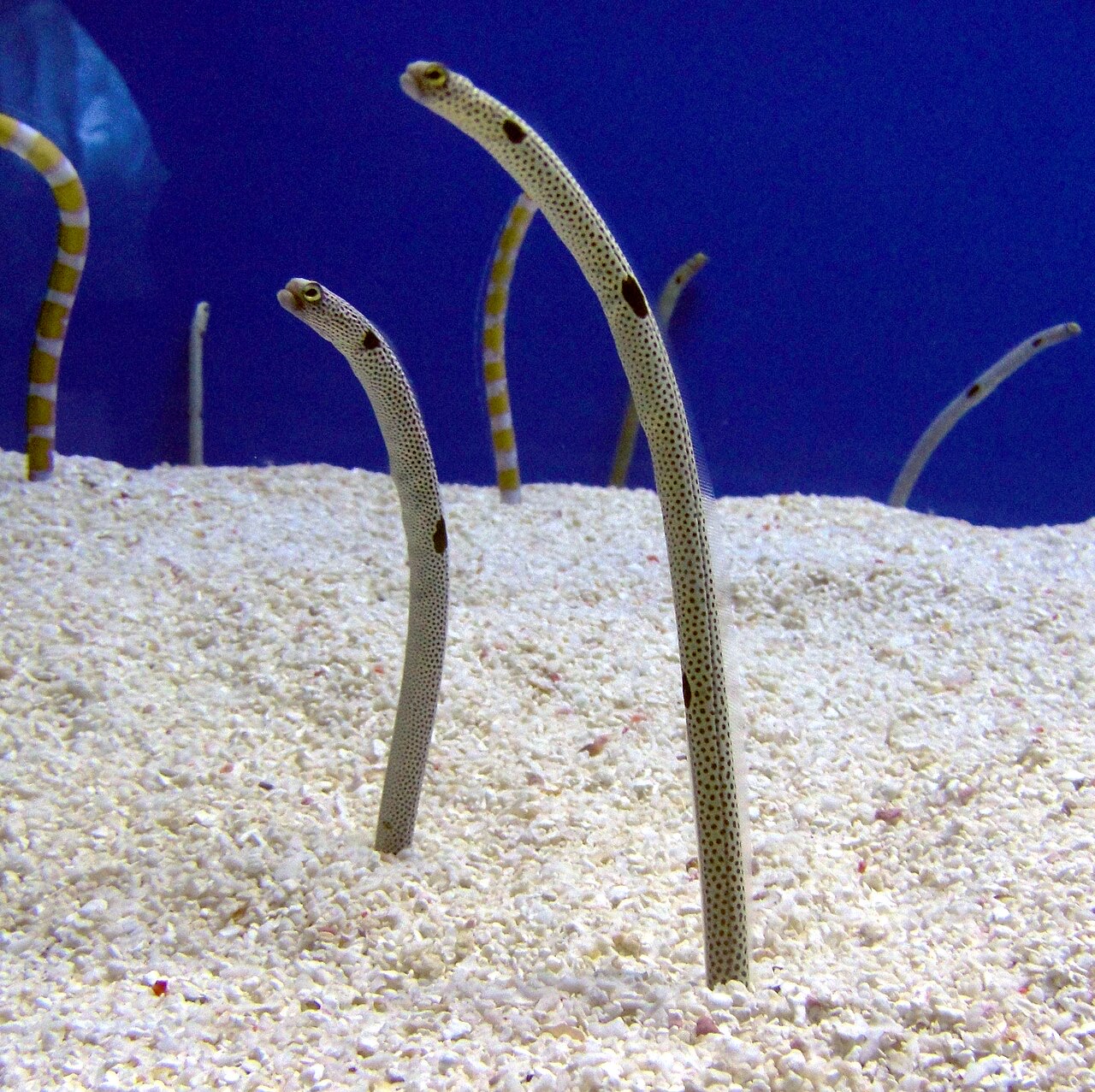
Garden Eel
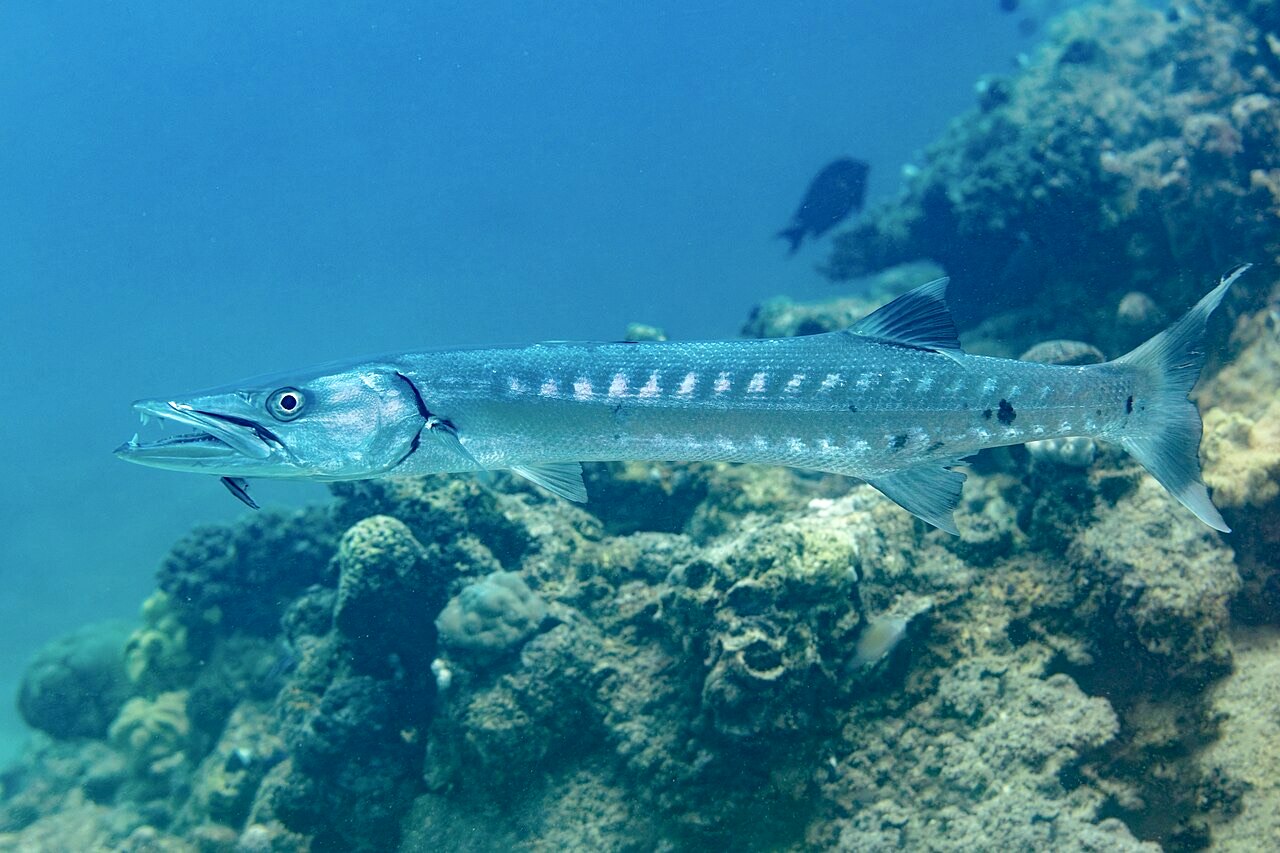
Great Barracuda
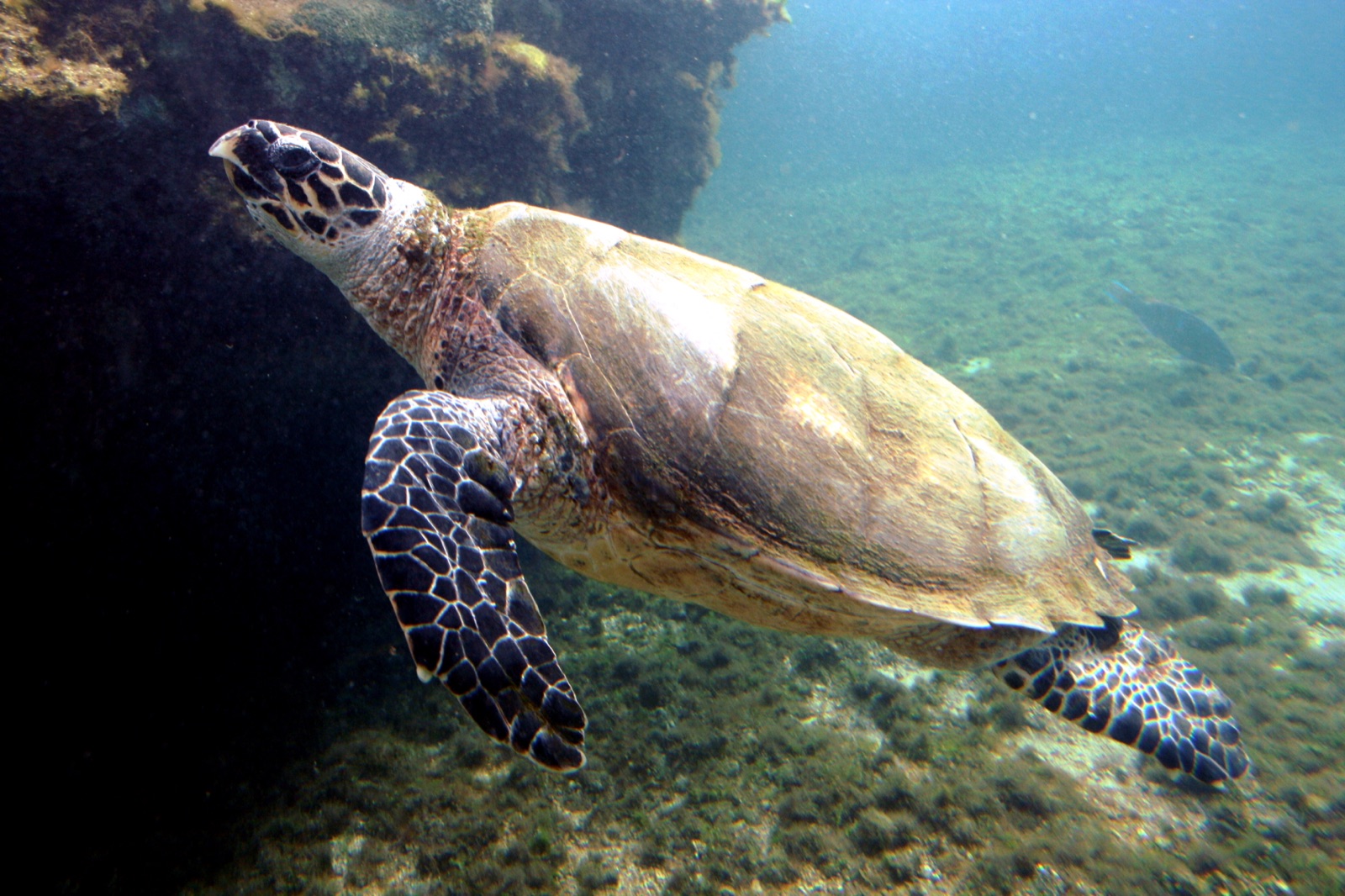
Hawksbill Turtle
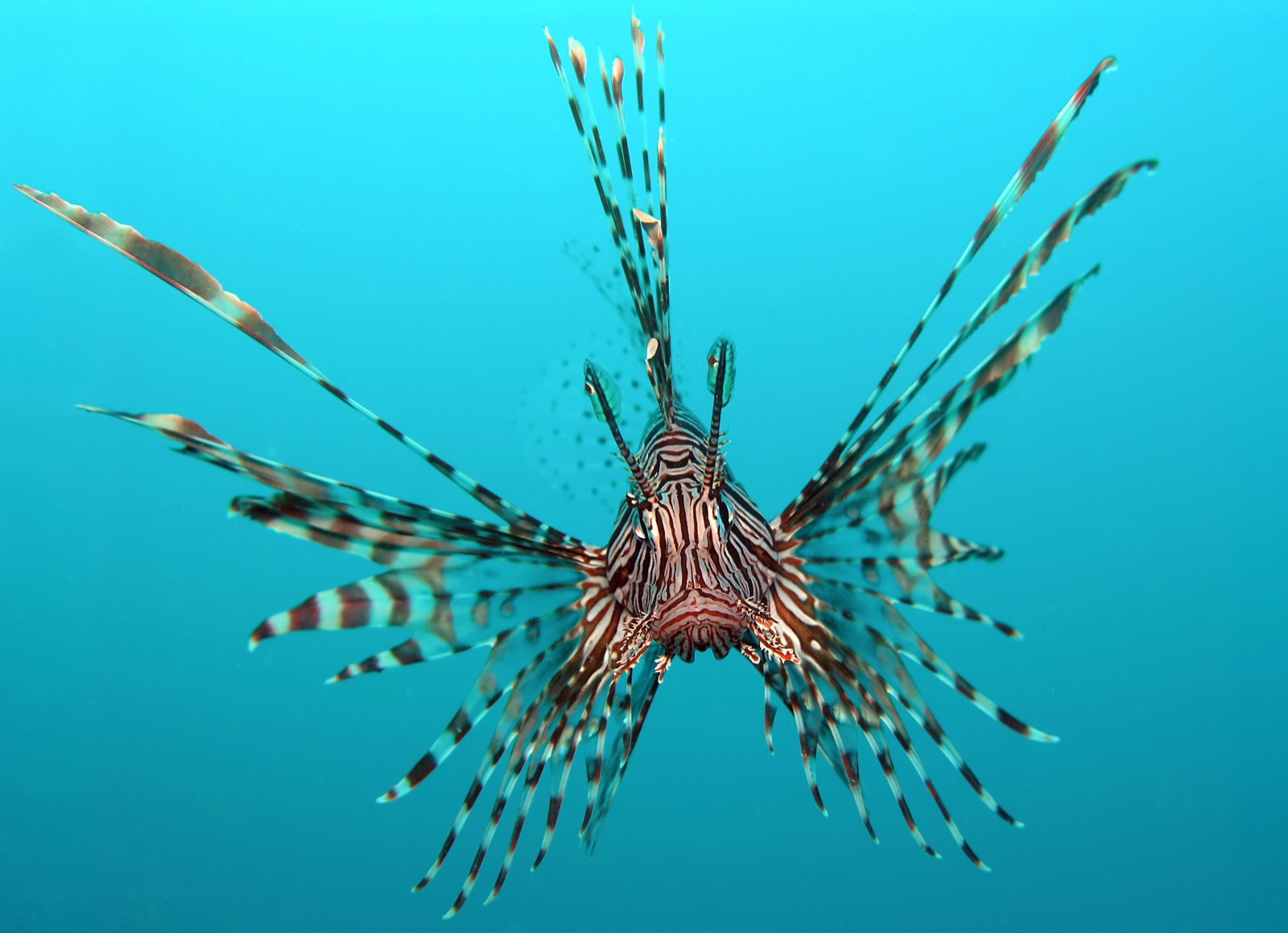
Lionfish
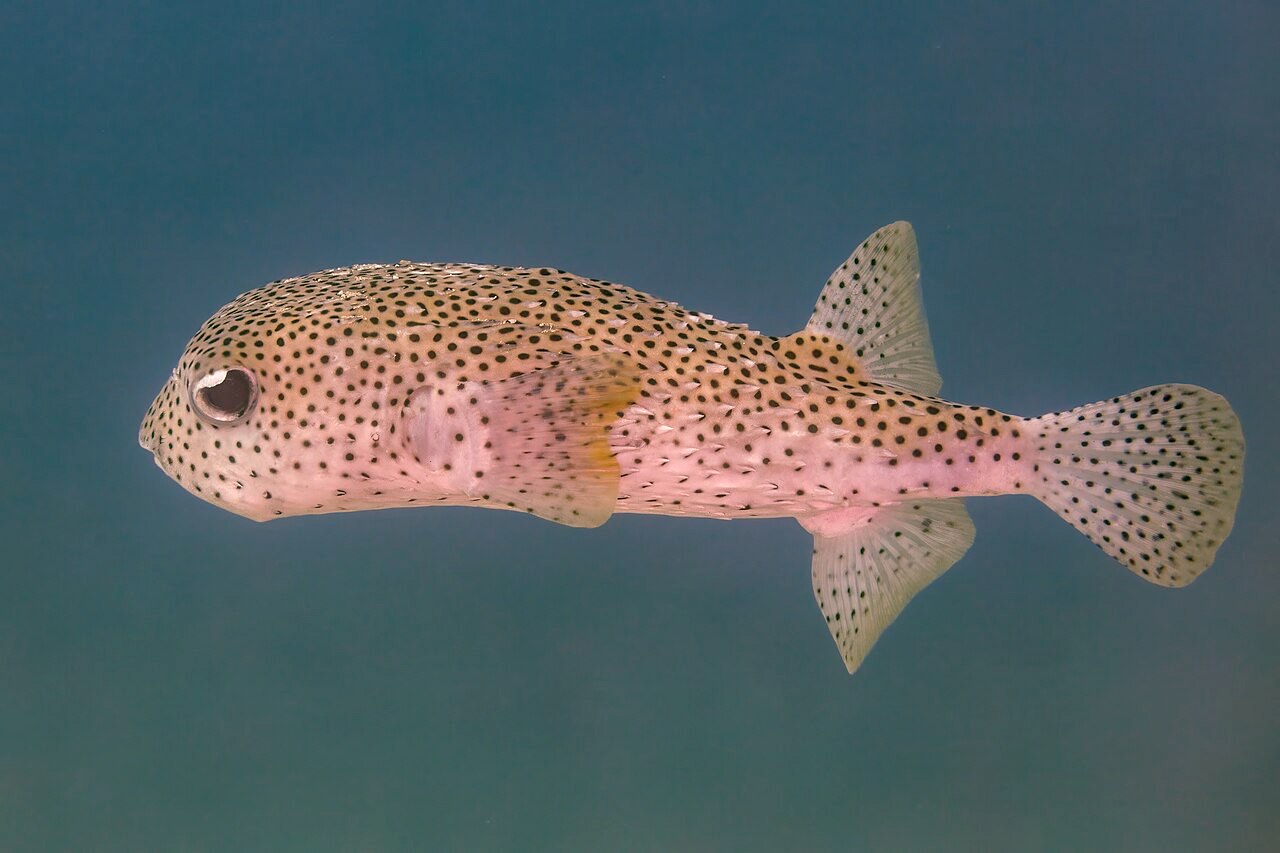
Porcupinefish
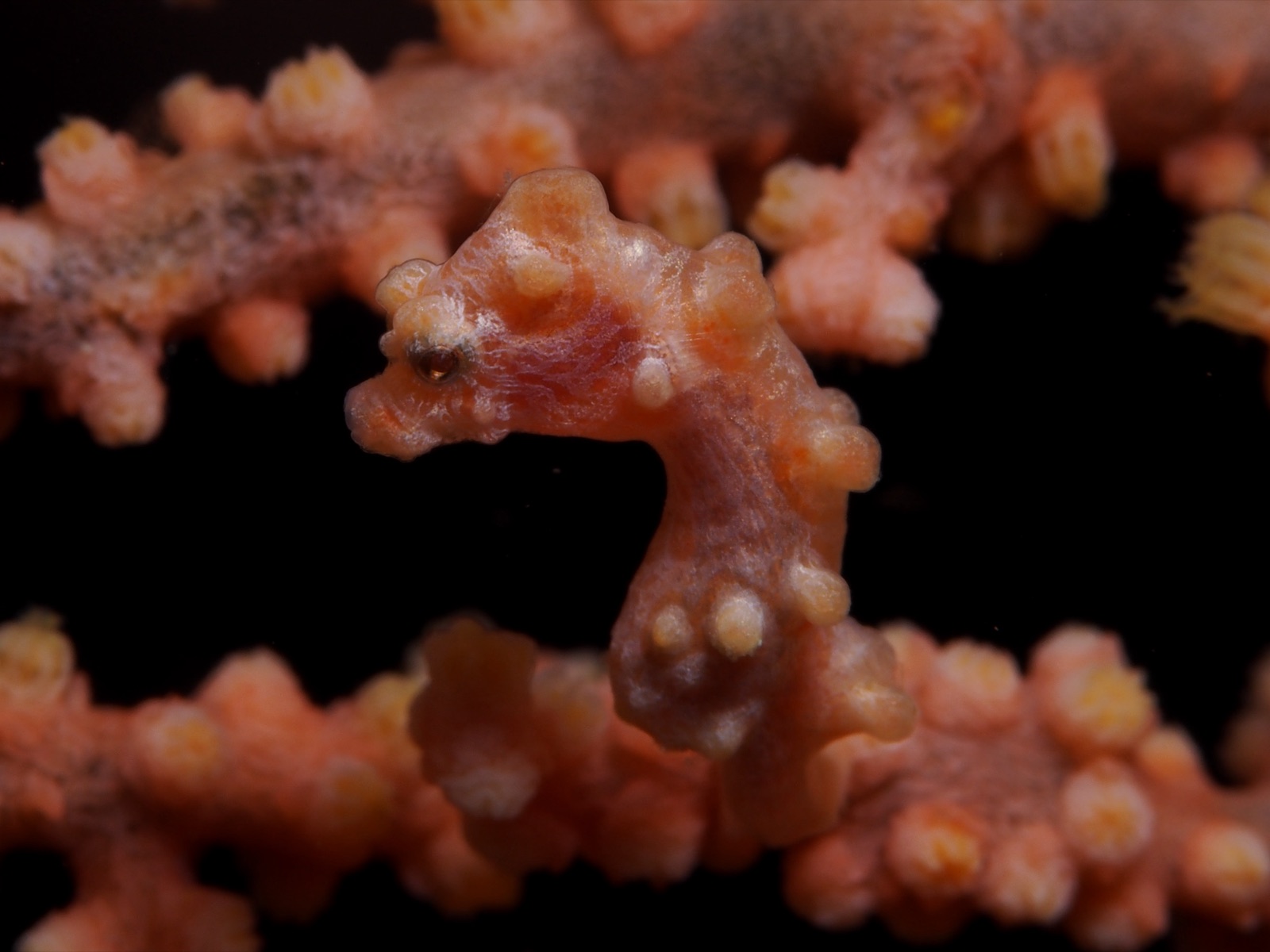
Seahorses
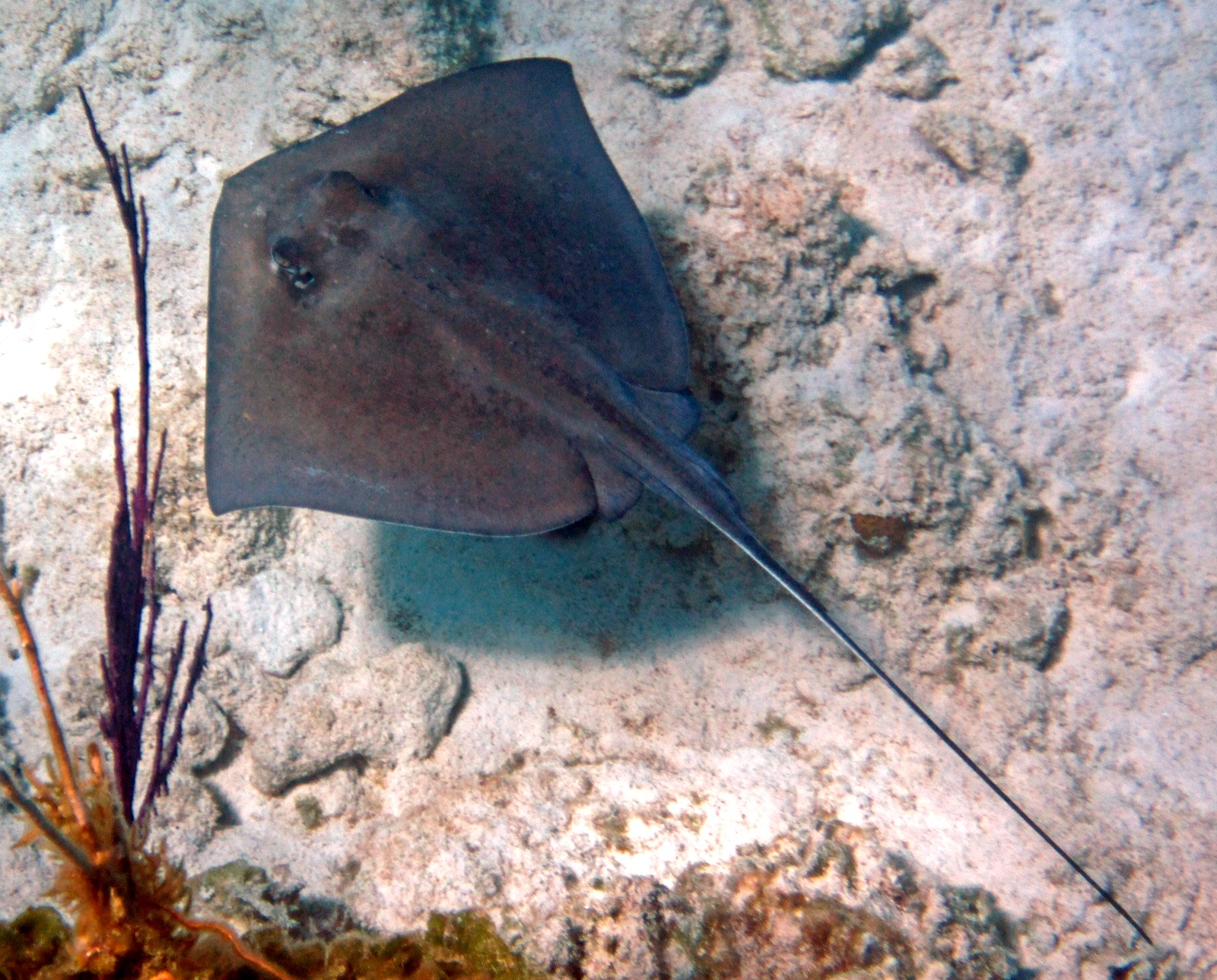
Southern Stingray
Expect dense reef fish life: parrotfish, angelfish clouds, and the Caribbean's most reliable seahorse and frogfish sightings. Hawksbill and green turtles graze the terraces, tarpon hunt under piers at night, garden eels sway over the sand, and eagle rays pass along the drop-offs. Lionfish are present and actively culled.
Wrecks here
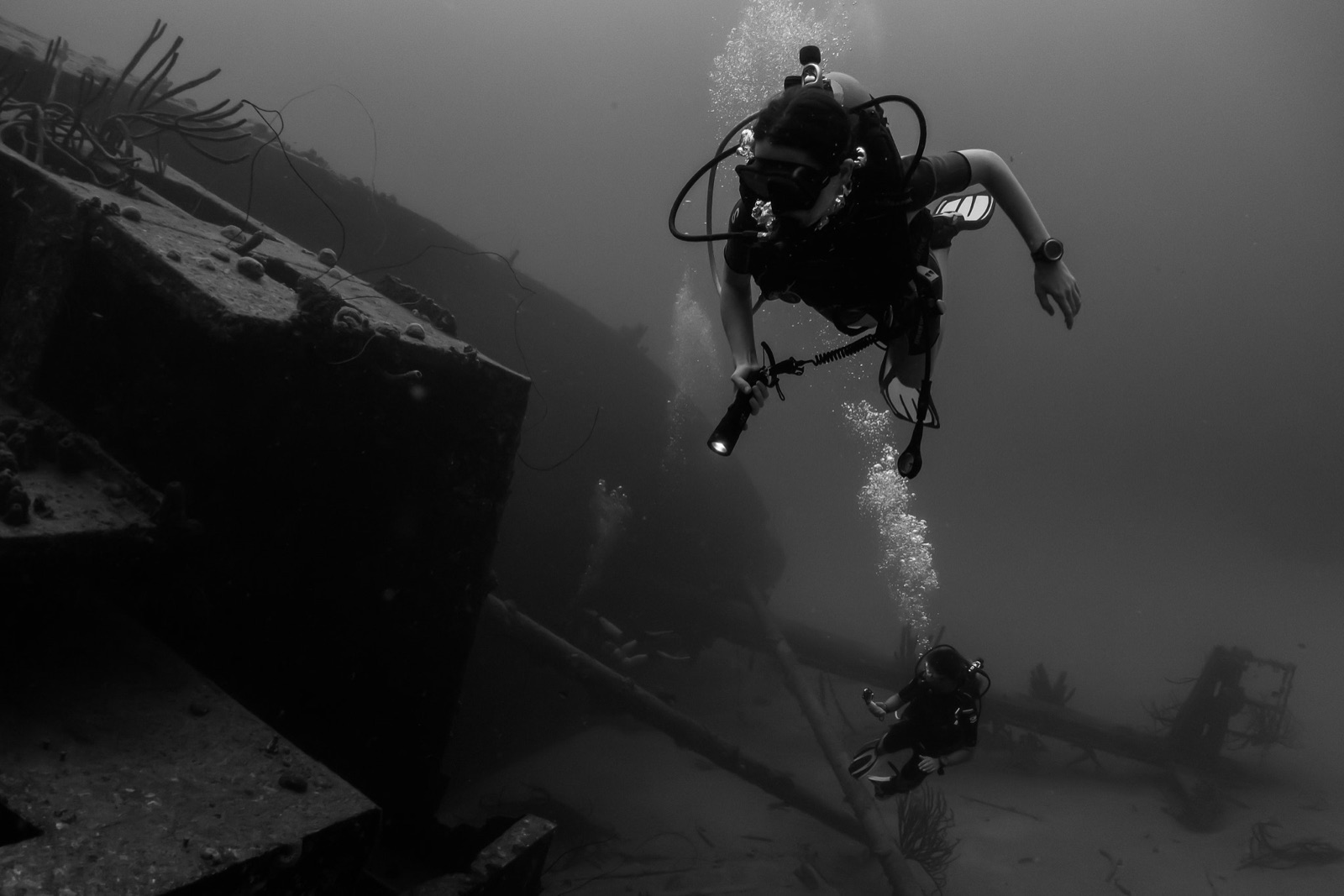
Hilma Hooker
Getting there & staying
Getting there: Direct flights arrive from Amsterdam, several US gateways, and neighboring Curaçao and Aruba. Pick up the rental truck at the airport; it doubles as your dive locker.
Where to stay: Kralendijk and the coast just north of it put you between the best shore entries; many small resorts have house reefs and drive-through tank stations.
Costs: Most divers buy unlimited-air shore packages with a truck instead of boat two-tanks, which drops the per-dive cost sharply. Editorial estimate; confirm current rates.
Between dives: Windsurfing at Lac Bay, flamingos in the salt pans, Washington Slagbaai National Park, and cycling the kunuku backroads.
Safety & practicalities
Hazards: Ironshore entries can be sharp and slippery; boat traffic near town; occasional wind swings expose normally calm entries. Fire coral is common in the shallows.
Solo-style shore diving demands honest self-assessment: plan gas, note your exit landmarks, and skip an entry that looks rough rather than forcing it.
Nearest recompression: A recompression chamber has long operated in Kralendijk; availability changes, so emergencies go through EMS and DAN first.