Bali & Nusa Penida
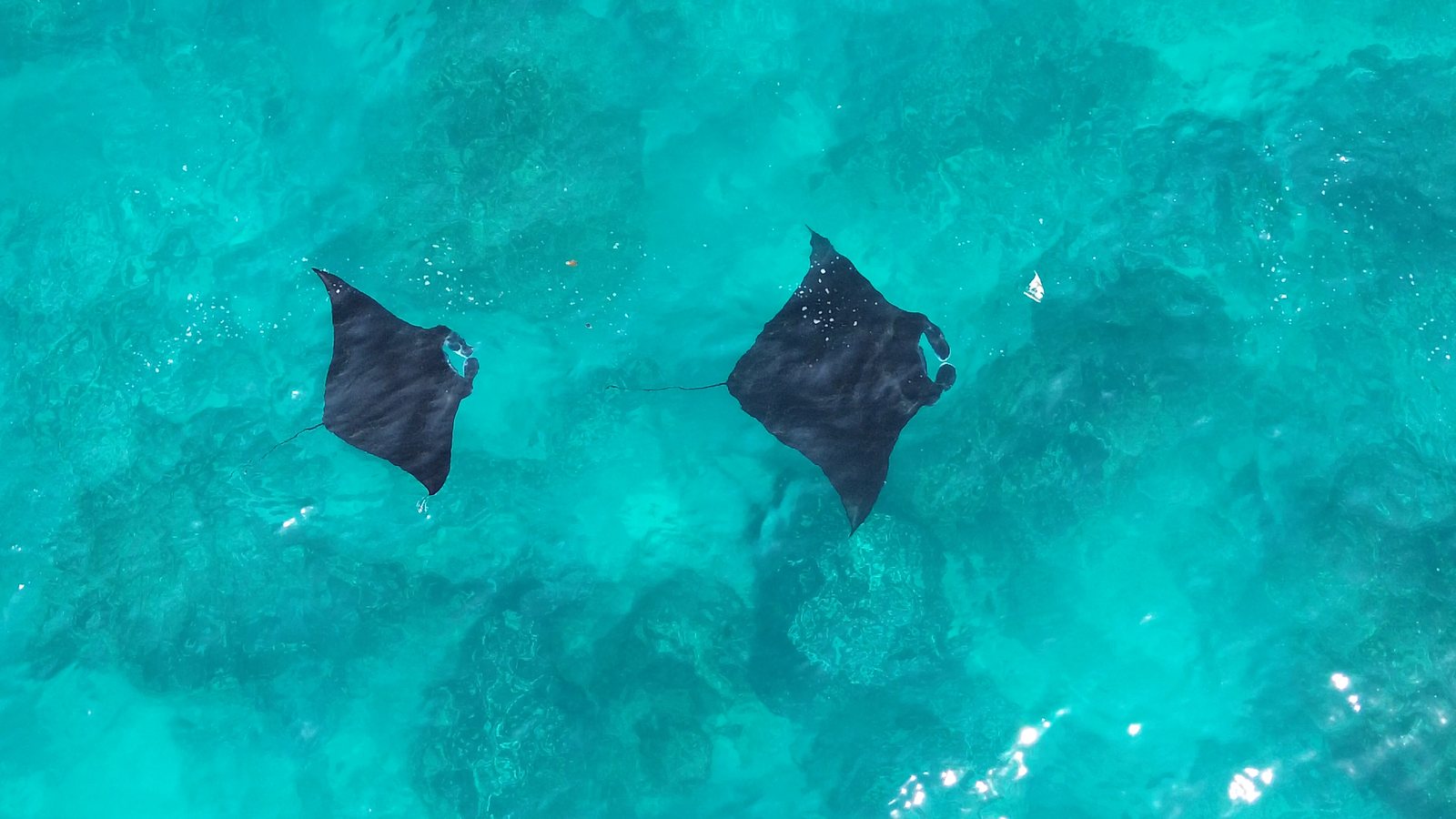
Bali packs several dive destinations into one island. On the northeast coast, the USAT Liberty wreck lies a few fin kicks off a black-pebble beach at Tulamben, flanked by walls and muck slopes. Across the Badung Strait, Nusa Penida serves drift dives with reef mantas year-round and oceanic sunfish in season. Add Menjangan's quiet walls in the far northwest and easy bays at Padang Bai, all supported by an enormous, affordable dive industry.
Why dive here
Very few islands let you dive a famous shipwreck from shore before breakfast and drift past a manta cleaning station after lunch. The Liberty, a torpedoed World War II army transport pushed off the beach by the 1963 Mount Agung eruption, is now a coral-armored playground for everyone from first-timers to photographers chasing its dawn patrol of bumphead parrotfish. Minutes away, Seraya's dark sand hides harlequin shrimp and frogfish, and the Tulamben wall drops into sponge-and-fan territory. Around Nusa Penida the diving turns athletic: cool, clear water rips along the north coast, mantas hold station at Batu Lumbung, and from about July to October Mola alexandrini rise from the deep to be cleaned at Crystal Bay and Gili Tepekong. Menjangan Island, inside West Bali National Park, offers gentle wall diving in usually calm water. Shore access, short boat rides, and dense infrastructure make Bali one of the easiest places anywhere to log varied dives.
Month by month
Diving runs year-round, with the dry season from about April to November giving the calmest seas and best visibility. December to March brings rain, runoff, and swell that can silt Tulamben and rough up crossings, though diveable days remain common. Around Nusa Penida, upwelling from roughly July to October chills the water sharply and brings the mola season; mantas are resident in all months.
| Month | Water | Visibility | What it's like |
|---|---|---|---|
| January●●●○○ | 26–29 °C / 79–84 °F | 8–20 m | Wet season; runoff and swell affect the east coast, but many days still dive well. |
| February●●●○○ | 26–29 °C / 79–84 °F | 8–20 m | Rainy and quieter; Tulamben can silt after storms. |
| March●●●○○ | 26–29 °C / 79–84 °F | 10–20 m | Rains taper; conditions steadily improve. |
| April●●●●○ | 26–29 °C / 79–84 °F | 10–25 m | Dry season begins; reliable diving across the island. |
| May●●●●○ | 26–29 °C / 79–84 °F | 15–25 m | Calm seas; good visibility at Tulamben and Menjangan. |
| June●●●●○ | 25–28 °C / 77–82 °F | 15–30 m | Cooling begins around Penida as trade winds establish. |
| July●●●●● | 22–28 °C / 72–82 °F | 15–30 m | Mola season opens at Penida; thermoclines can be startlingly cold at depth. |
| August●●●●● | 22–28 °C / 72–82 °F | 15–30 m | Peak season; cold, clear water in the strait and busy sites. |
| September●●●●● | 22–28 °C / 72–82 °F | 15–30 m | Often the best all-around month: dry, clear, and full of life. |
| October●●●●● | 24–29 °C / 75–84 °F | 15–30 m | Mola sightings continue; seas stay friendly. |
| November●●●●○ | 26–29 °C / 79–84 °F | 10–25 m | Shoulder month; first rains arrive late in the month. |
| December●●●○○ | 26–29 °C / 79–84 °F | 8–20 m | Wet season returns; pick sheltered coasts day by day. |
Monthly figures confidence: Documented. Months without a row have no verified data. We would rather show a gap than invent one.
The dive sites (8)
| Site | Type | Depth | Level | Access | |
|---|---|---|---|---|---|
| Blue Lagoon (Padang Bai) Leaf scorpionfish and frogfish density; easy conditions with real macro… | Reef | 3–20 m | Beginner | Boat | |
| Crystal Bay Seasonal ocean sunfish at cleaning stations; cold, clear upwelling water… | Reef | 5–30 m | Advanced | Boat | |
| Gili Tepekong The boulder Canyon; stacked whitetip sharks; cold-water mola encounters… | Reef | 8–30 m | Advanced | Boat | |
| Manta Point (Nusa Penida) Near-year-round reef mantas; surface feeding behavior; occasional mola… | Reef | 5–20 m | Beginner | Boat | |
| Menjangan Island Walls Serene, clear wall diving; turtles and gorgonian fans; national-park… | Wall | 3–40 m | Beginner | Boat | |
| Seraya Secrets Harlequin shrimp with reliability few sites match; frogfish and ghost… | Muck | 3–20 m | Beginner | Shore | |
| Tulamben Drop-Off Sponge-and-fan wall from shore; pygmy seahorses; rich and easy night diving. | Wall | 3–40 m | Beginner | Shore | |
| USAT Liberty Wreck Dawn bumphead parade; coral-encrusted swim-throughs; shore access with… | Wreck | 5–30 m | Beginner | Shore |
Marine life you can plan around
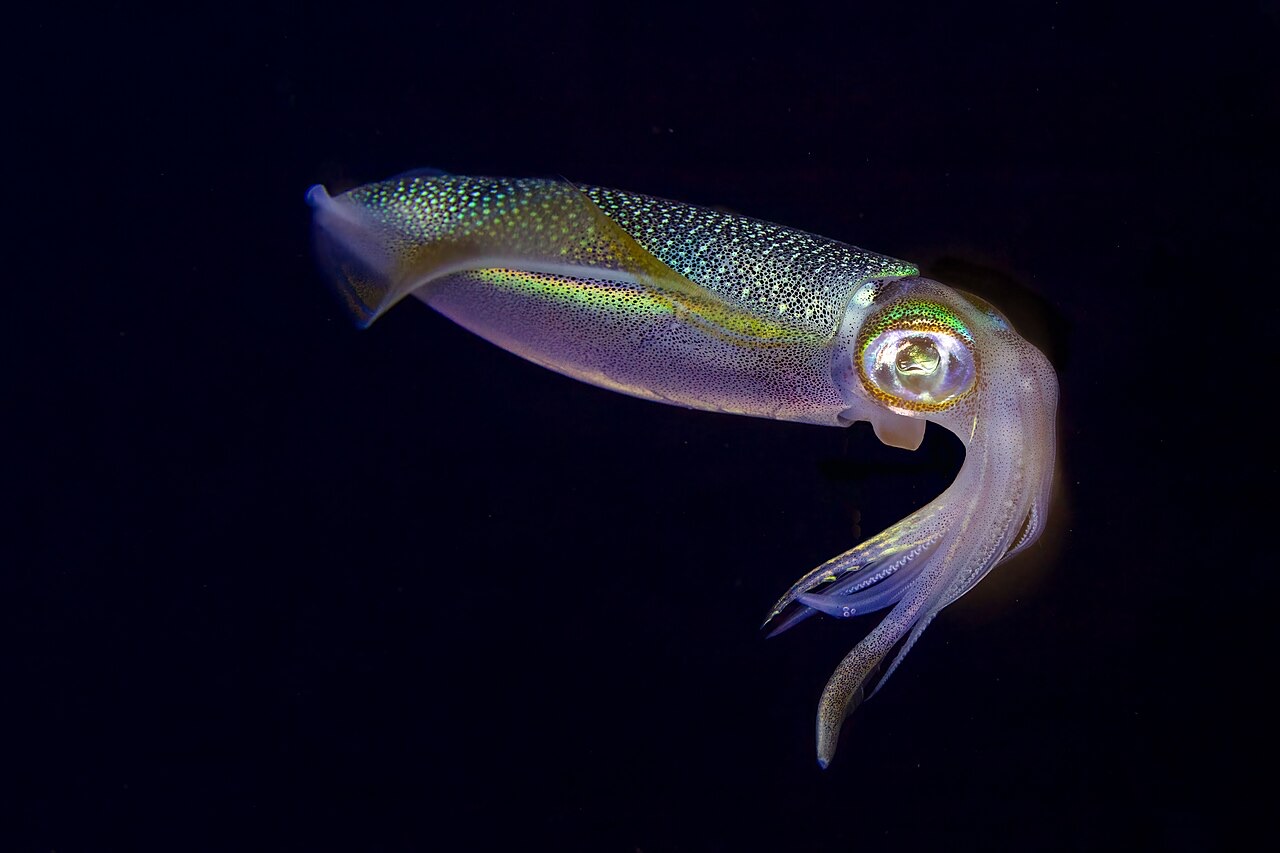
Bigfin Reef Squid
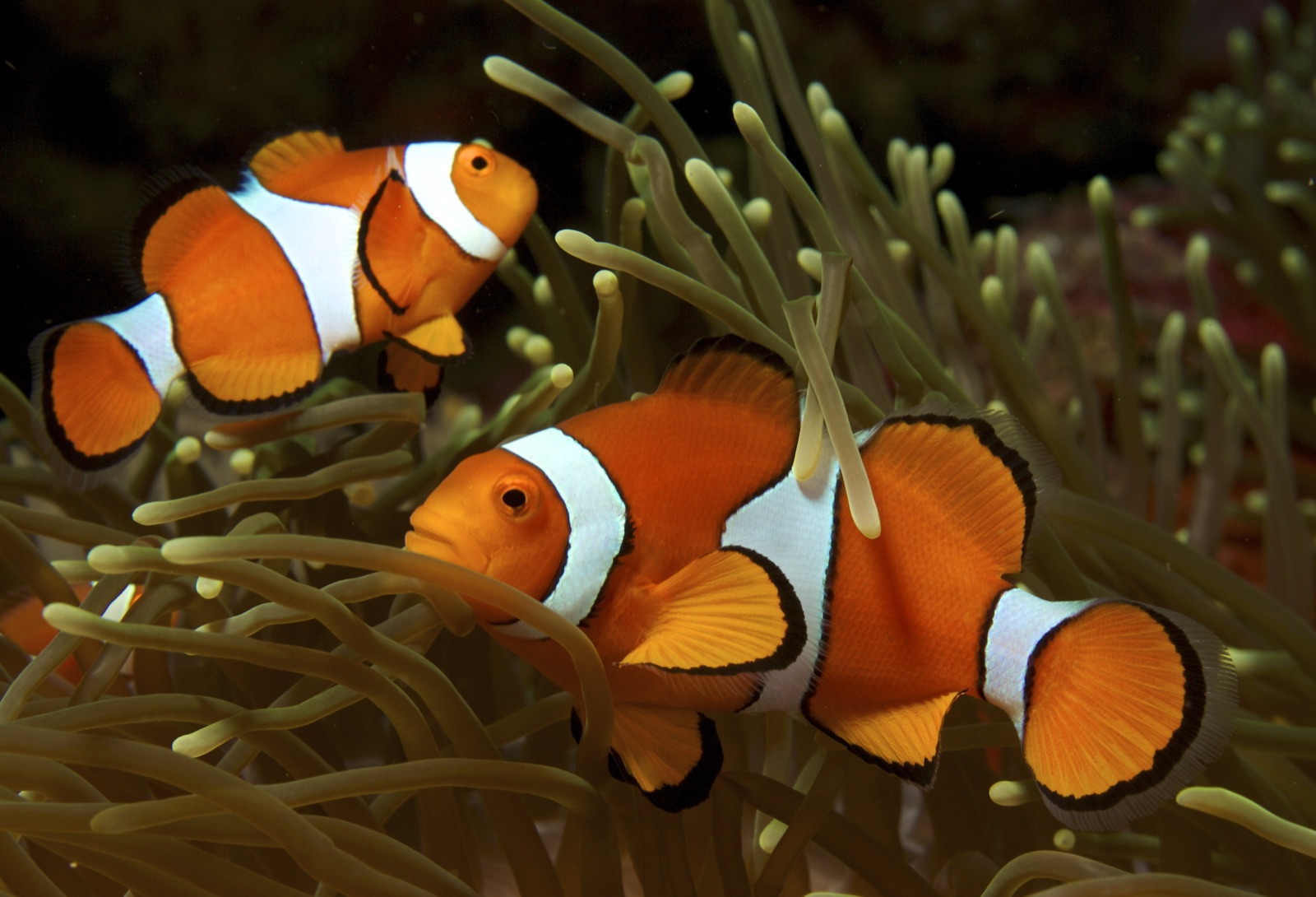
Clownfish & Anemonefish
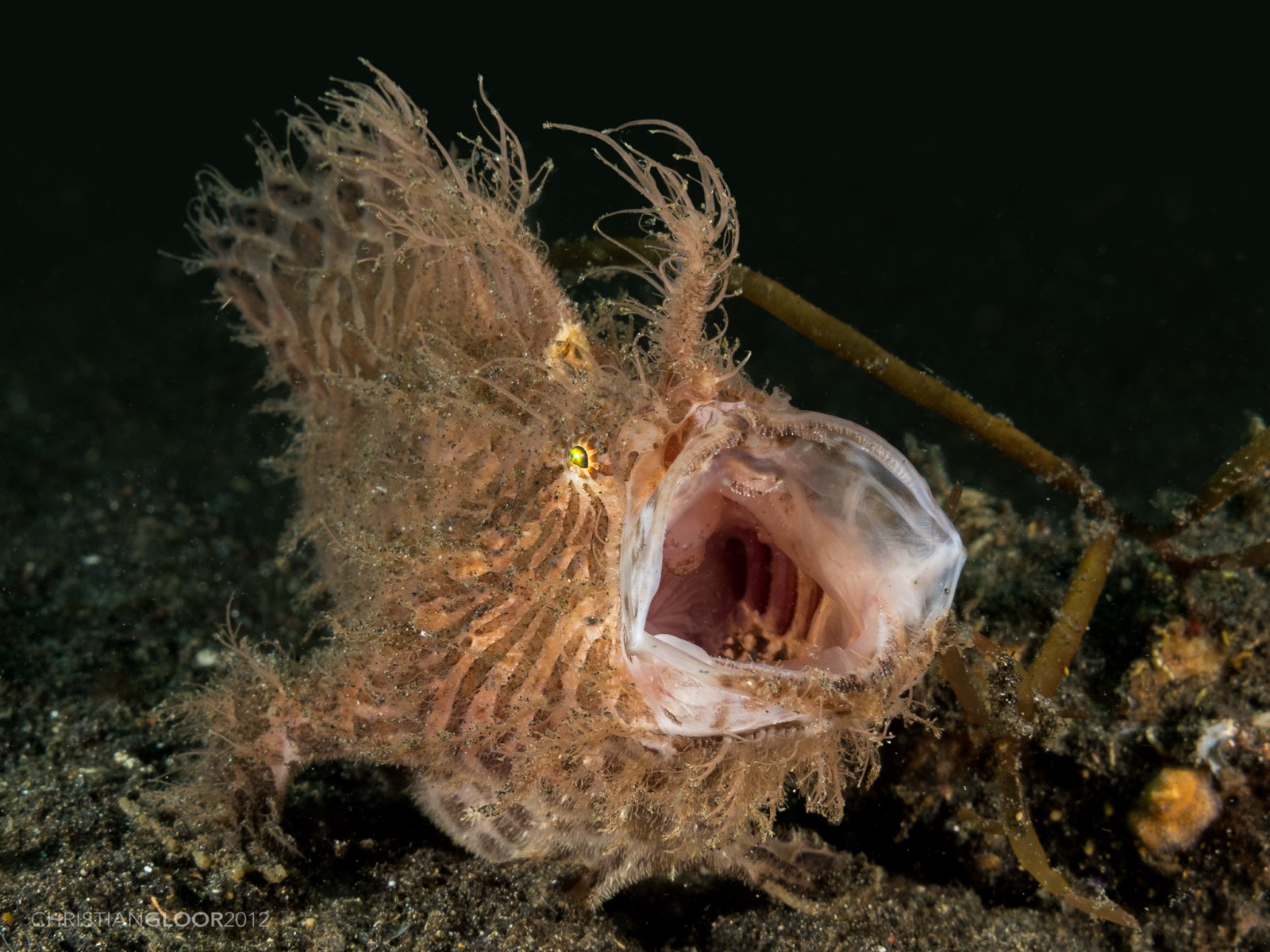
Frogfish
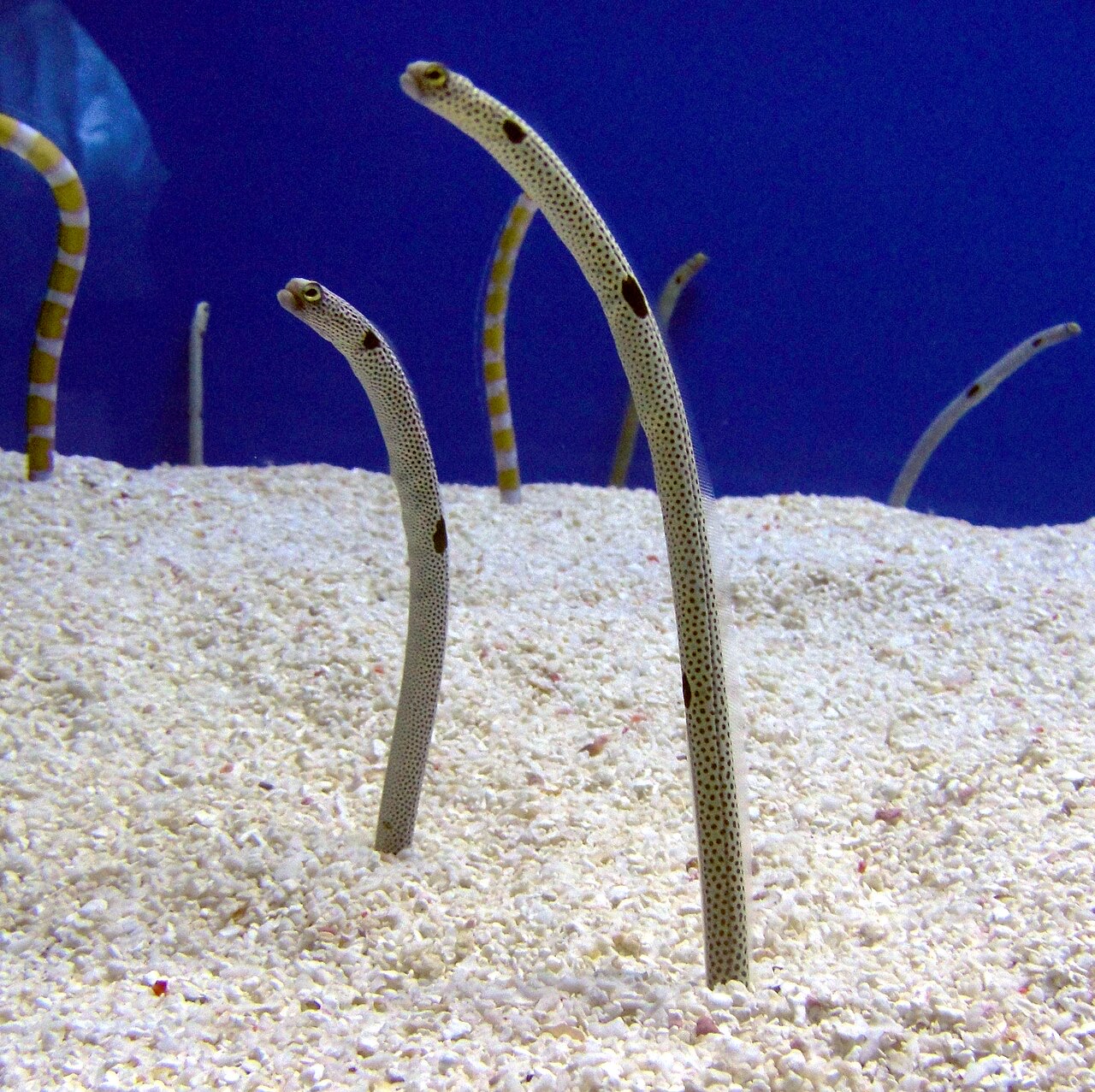
Garden Eel
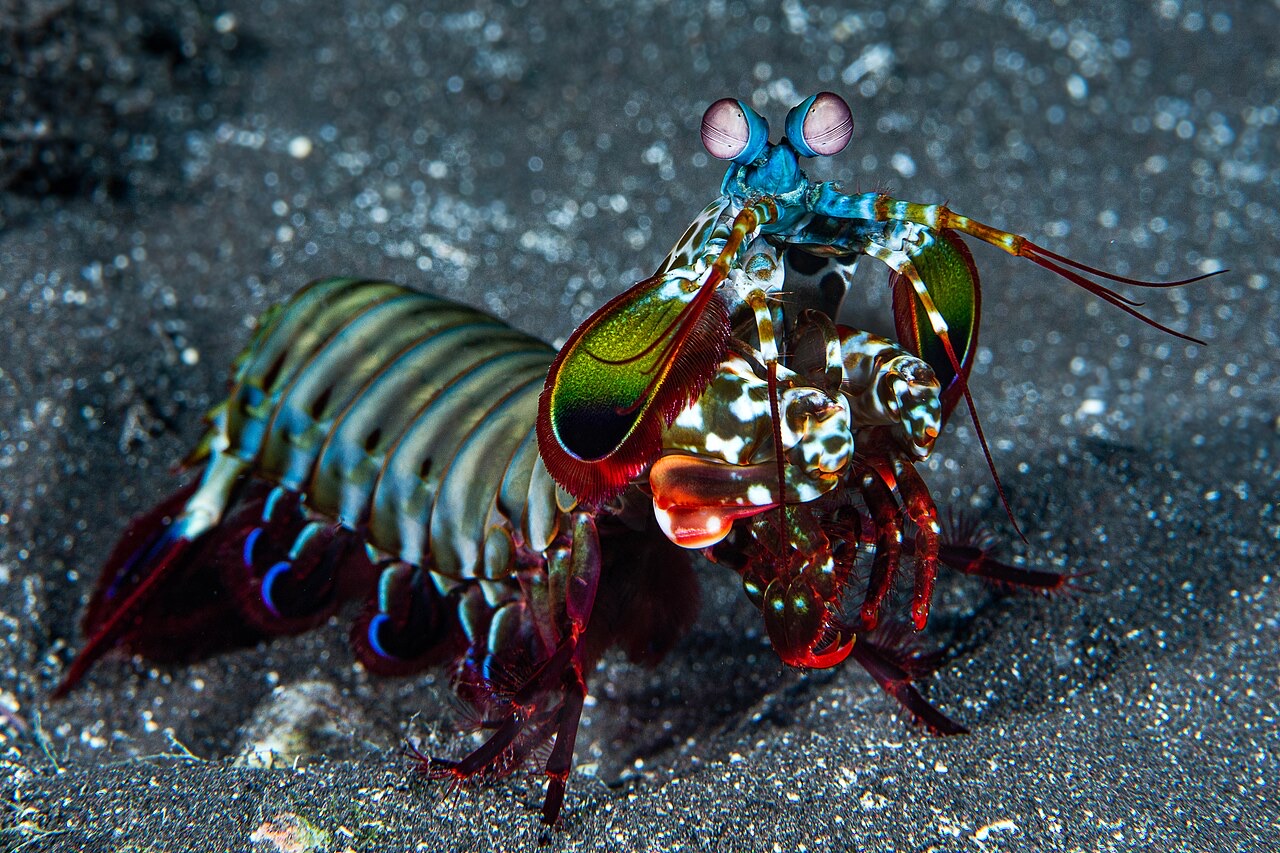
Peacock Mantis Shrimp
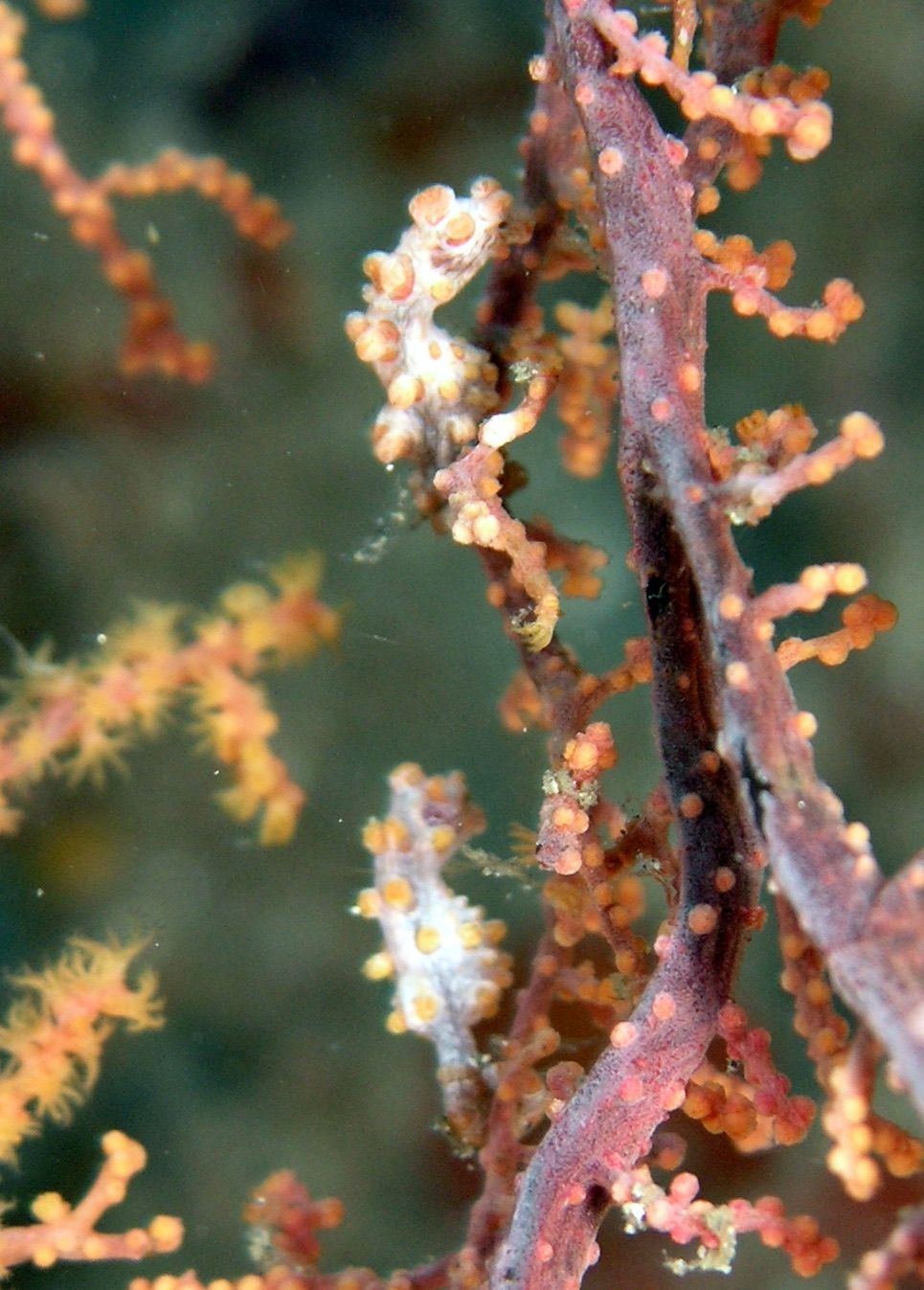
Pygmy Seahorse
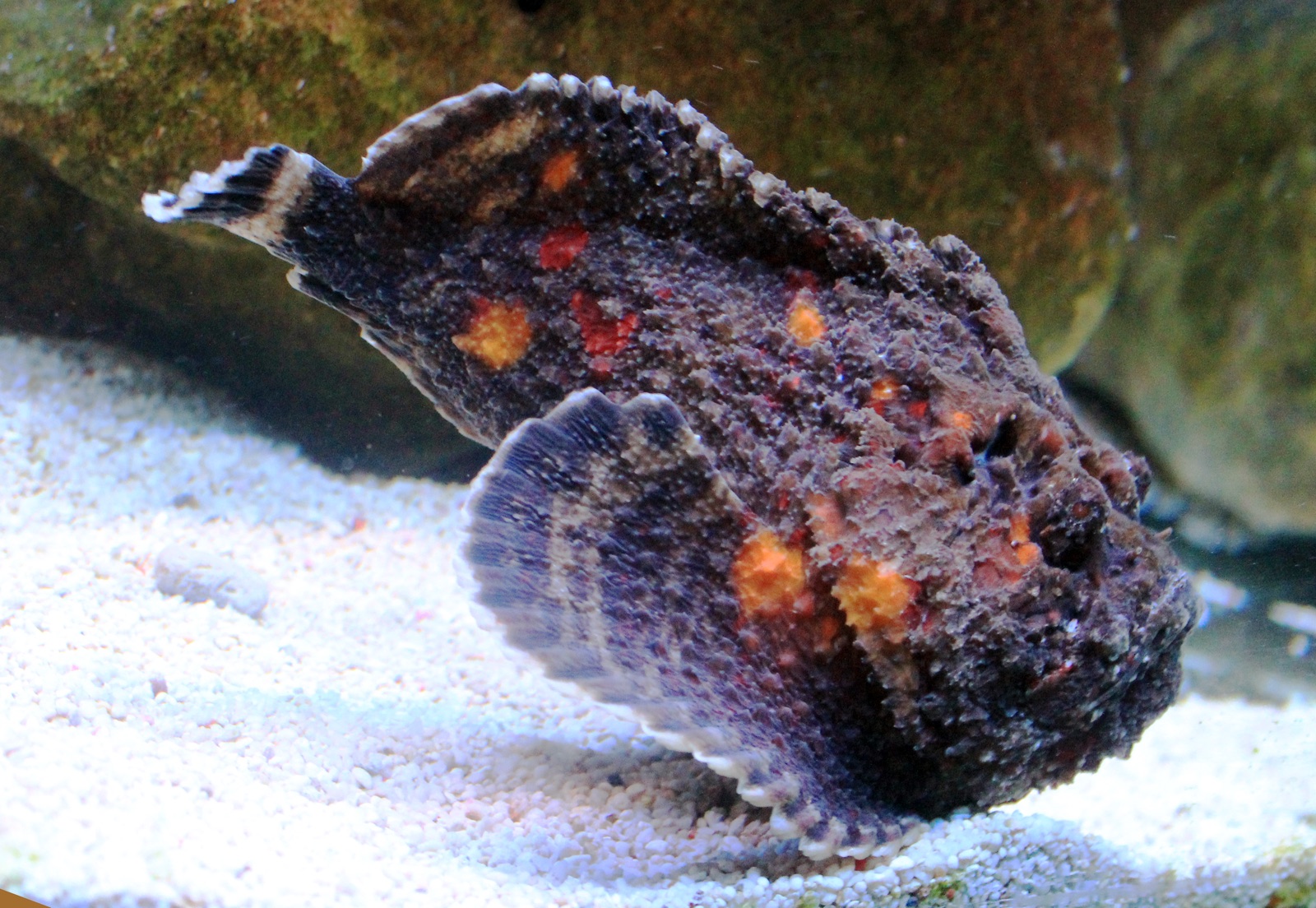
Reef Stonefish
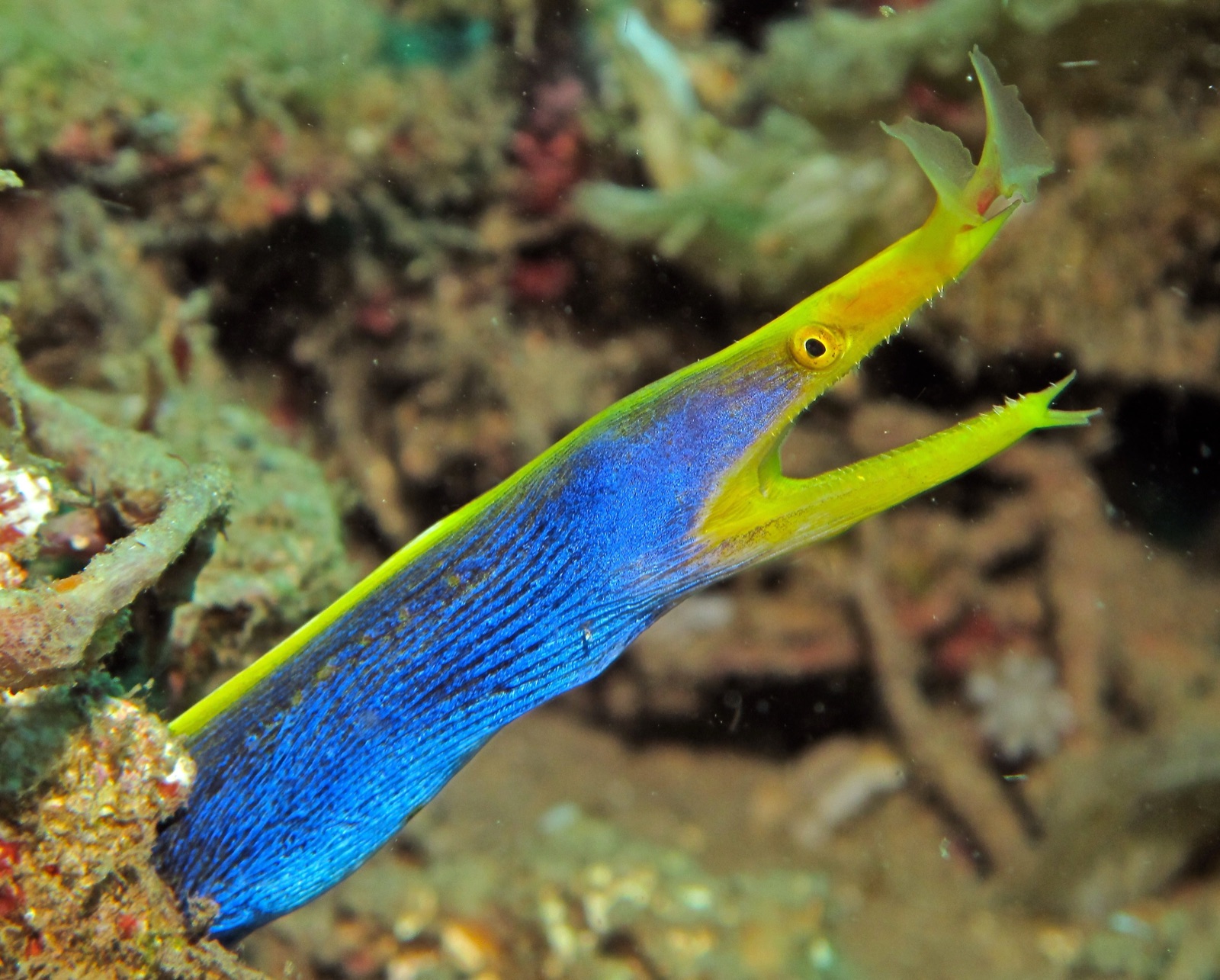
Ribbon Eel
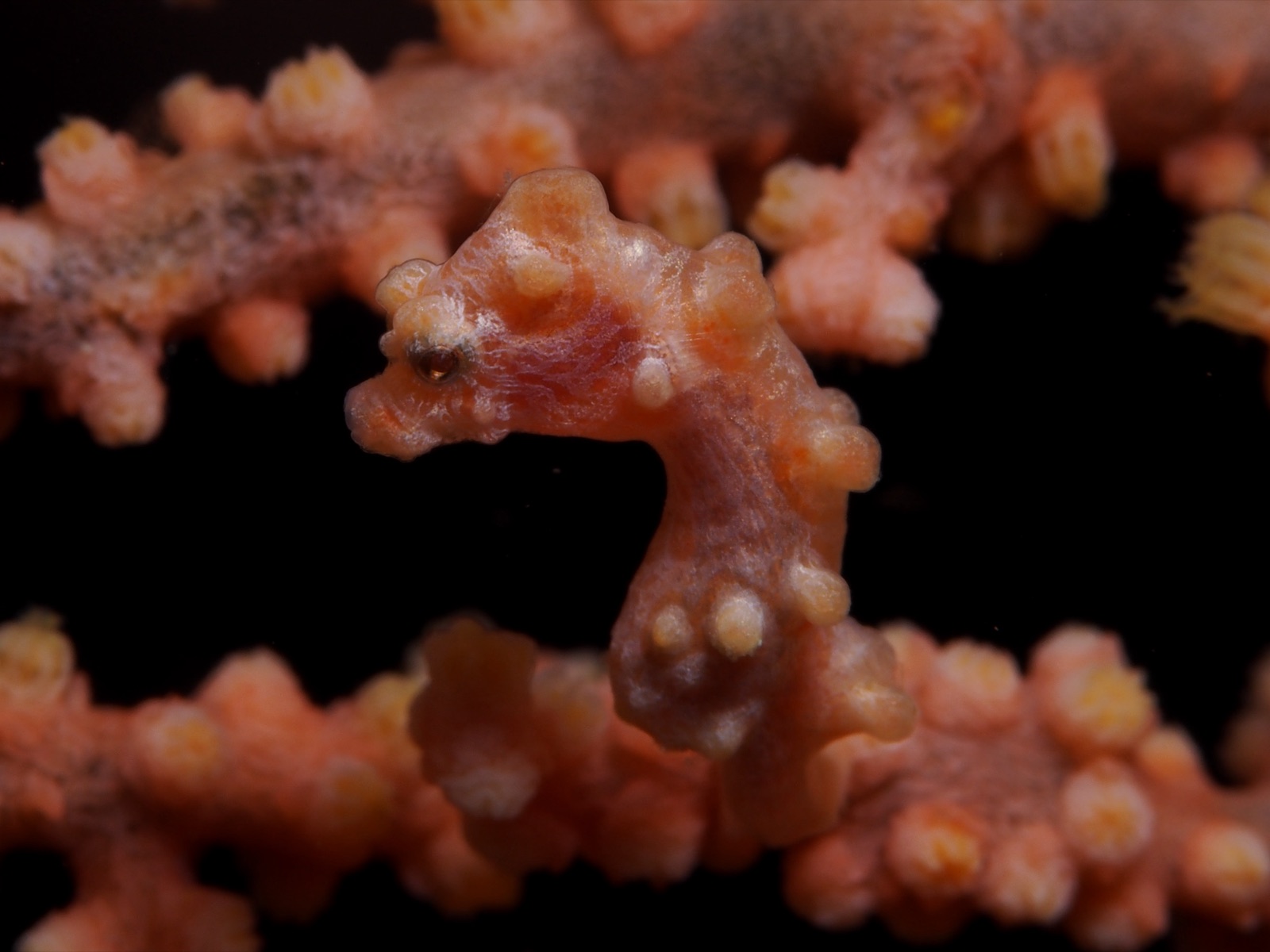
Seahorses
Reef mantas and seasonal ocean sunfish at Nusa Penida, bumphead parrotfish and garden eels at Tulamben, harlequin shrimp and frogfish on the muck slopes, turtles, and rich small life on every wall; whale sharks pass rarely.
Wrecks here
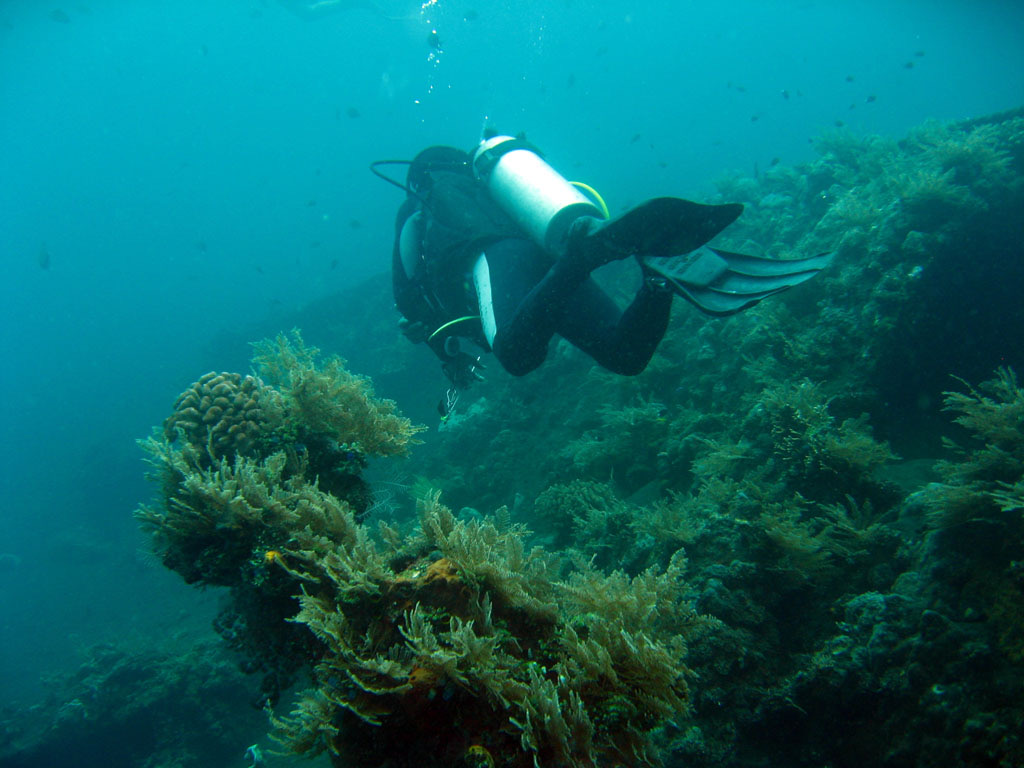
USAT Liberty
Getting there & staying
Getting there: Fly into Denpasar, then drive: Tulamben is roughly two and a half to three hours northeast, Padang Bai about ninety minutes, and fast boats to Nusa Penida leave from Sanur. Menjangan is a three-to-four-hour drive to the northwest coast.
Where to stay: Base near what you plan to dive: Tulamben and Amed for the wreck and muck, Sanur or Nusa Penida for the mola-and-manta circuit, Pemuteran for Menjangan. Dive resorts, guesthouses, and freelance guides are plentiful everywhere.
Costs: Tulamben shore diving is among the cheapest quality diving in Asia; Nusa Penida boat trips from Sanur or the island itself cost more. Guides are inexpensive and worth hiring even for shore sites; small marine-park and community fees apply in places like Penida and Menjangan.
Between dives: Temples from Besakih to Uluwatu, rice terraces around Sidemen and Jatiluwih, the Ubud arts scene, sunrise volcano hikes, and surf culture in the south; Bali fills non-diving days effortlessly.
Snorkeling: The Liberty's upper works reach within a few meters of the surface, making it a genuine snorkel site on calm mornings; Menjangan and Padang Bai's bays also snorkel well. Manta snorkeling trips run at Penida but involve real swell and current.
Safety & practicalities
Hazards: Strong, unpredictable currents and documented down-currents around Nusa Penida, especially at Crystal Bay's corners and Gili Tepekong; cold thermoclines in the mola season; boat traffic in the Badung Strait; surge over the Tulamben pebbles on swell days.
Treat Penida drift sites as advanced dives with a guide, an SMB, and a briefed abort plan for down-currents. Do not chase molas below your limits or the cleaning stations will empty for everyone; keep respectful distance per local codes of conduct.
Nearest recompression: Bali has hospital-based hyperbaric facilities in Denpasar, the best-equipped in the region, though readiness varies; emergencies still go through EMS and DAN rather than direct to a chamber.