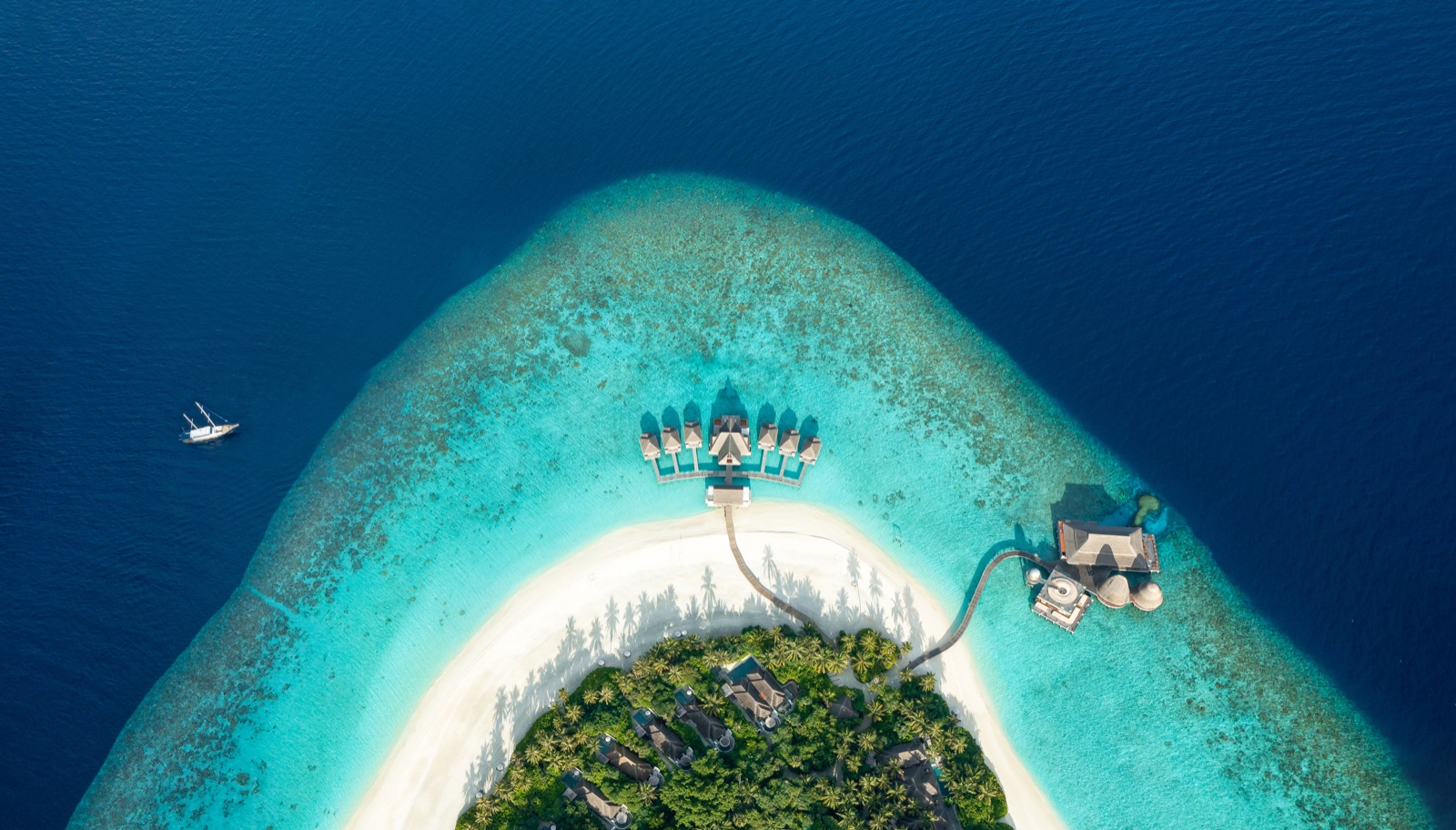
North & South Malé Atolls
The twin atolls flanking Malé are where Maldives diving began and where it stays easiest to reach: dozens of channel mouths, current-swept thilas, and manta cleaning stations lie within an hour's boat ride of the international airport. Gray reef sharks patrol the kandus on incoming tides, mantas queue over Lankan Reef through the southwest monsoon, and a cargo-ship wreck rests beside the airport island. Guesthouses, resorts, and liveaboards all work the same water.
Why dive here
Channel diving is the signature. Twice a day oceanic water pushes through the kandus that cut the atoll rims, and everything with gills lines up in it: gray reef and whitetip sharks holding station at the drop-offs, eagle rays stacked in midwater, dogtooth tuna and trevally hunting the edges. When the current runs you hook in near the lip and watch; when it slackens you drift the channel floor into the lagoon. Between channels rise the thilas, coral pinnacles topping out at 8 to 12 meters, wrapped in soft coral and glassfish. The southwest monsoon turns the eastern rim into manta country, with Lankan Reef's cleaning station the most dependable in the central atolls. Protected sites such as Banana Reef and HP Reef preserve the terrain that made the Maldives famous in the 1970s: overhangs, canyons, and swim-throughs at recreational depths. No other part of the country packs this much variety this close to an airport, which is why first-timers and liveaboard veterans keep coming back.
Month by month
The dry northeast monsoon (December-April) brings the calmest seas and clearest water. The southwest monsoon (May-November) is wetter and windier but feeds the plankton that draws mantas to the eastern side, peaking around August.
| Month | Water | Visibility | What it's like |
|---|---|---|---|
| January●●●●● | 27–29 °C / 81–84 °F | 20–30 m | Dry northeast monsoon; clear channels and settled seas. |
| February●●●●● | 27–29 °C / 81–84 °F | 20–30 m | Driest stretch; strong incoming-tide shark action in the kandus. |
| March●●●●● | 28–30 °C / 82–86 °F | 20–30 m | Warm and calm; prime channel diving. |
| April●●●●○ | 28–30 °C / 82–86 °F | 15–30 m | Warmest water; transition weather begins late month. |
| May●●●○○ | 28–30 °C / 82–86 °F | 10–20 m | Southwest monsoon arrives with wind, rain, and plankton. |
| June●●●○○ | 27–29 °C / 81–84 °F | 10–20 m | Choppy crossings; manta activity builds on eastern reefs. |
| July●●●○○ | 27–29 °C / 81–84 °F | 10–20 m | Monsoon continues; feeding mantas, softer visibility. |
| August●●●●○ | 27–29 °C / 81–84 °F | 10–20 m | Peak manta season at Lankan; plankton-rich water. |
| September●●●○○ | 27–29 °C / 81–84 °F | 10–20 m | Wet spells persist; mantas still working the east side. |
| October●●●●○ | 27–29 °C / 81–84 °F | 15–25 m | Monsoon eases; visibility recovering. |
| November●●●●○ | 27–29 °C / 81–84 °F | 15–25 m | Transition back to dry season; mantas linger. |
| December●●●●○ | 27–29 °C / 81–84 °F | 20–30 m | Northeast monsoon returns; clearing water, holiday crowds. |
Monthly figures confidence: Well documented. Months without a row have no verified data. We would rather show a gap than invent one.
The dive sites (7)
| Site | Type | Depth | Level | Access | |
|---|---|---|---|---|---|
| Banana Reef Classic overhang-and-canyon terrain; sweetlips schools; Napoleon wrasse on… | Reef | 5–30 m | Intermediate | Boat | |
| Cocoa Thila Dense snapper walls; patrolling sharks; a thila long enough to absorb the… | Pinnacle | 10–30 m | Advanced | Boat | |
| Guraidhoo Kandu Hooked-in shark watching; a fast, clean drift into the lagoon | Channel | 10–30 m | Advanced | Boat | |
| HP Reef Soft-coral-lined chimneys and caves; sharks and rays riding channel current | Pinnacle | 8–30 m | Advanced | Boat | |
| Kandooma Thila Shark and eagle-ray action at the up-current point; healthy ledges and fans | Pinnacle | 12–30 m | Advanced | Boat | |
| Maldive Victory Upright, intact hull; fish-swarmed superstructure; a genuine… | Wreck | 12–35 m | Advanced | Boat | |
| Manta Point (Lankan Reef) Queueing reef mantas at cleaning stations; close, calm passes over divers'… | Reef | 8–25 m | Beginner | Boat |
Marine life you can plan around
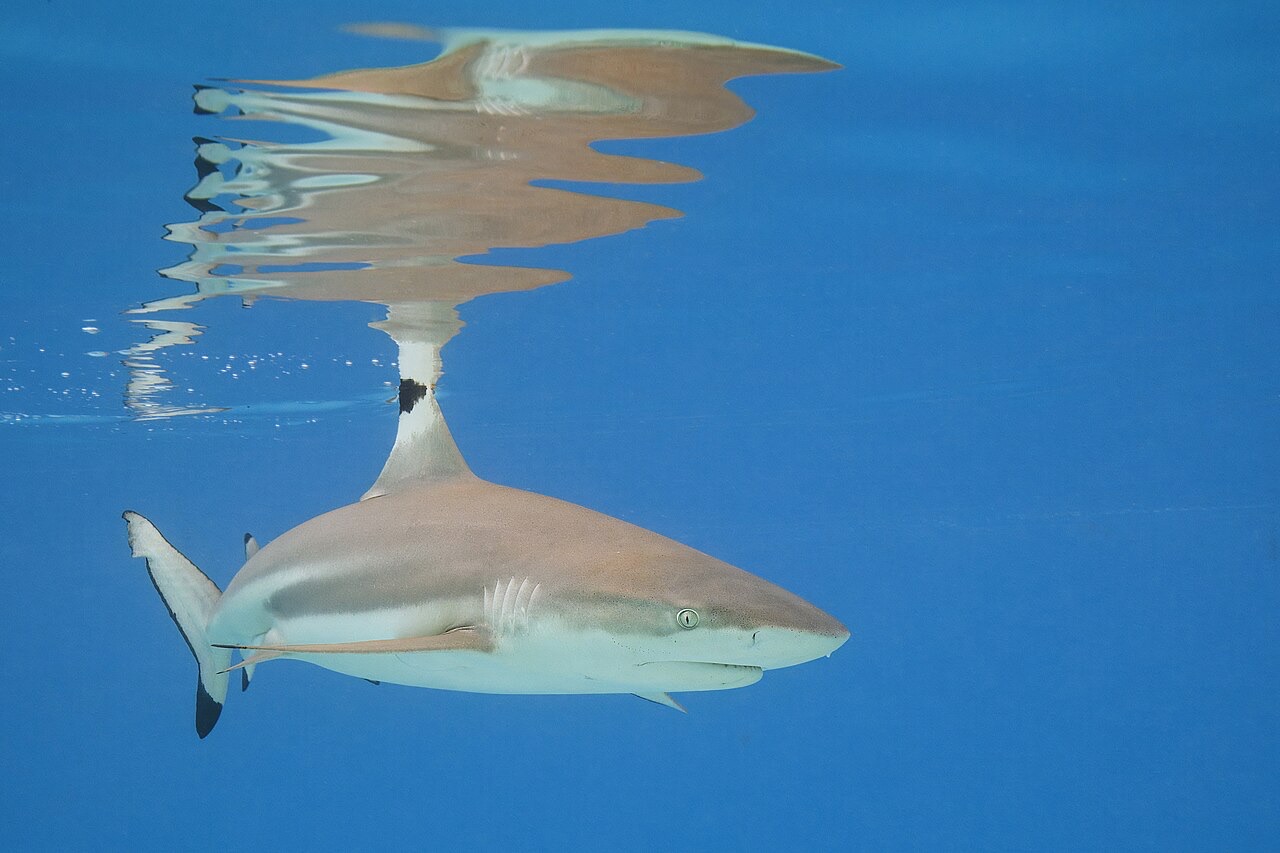
Blacktip Reef Shark
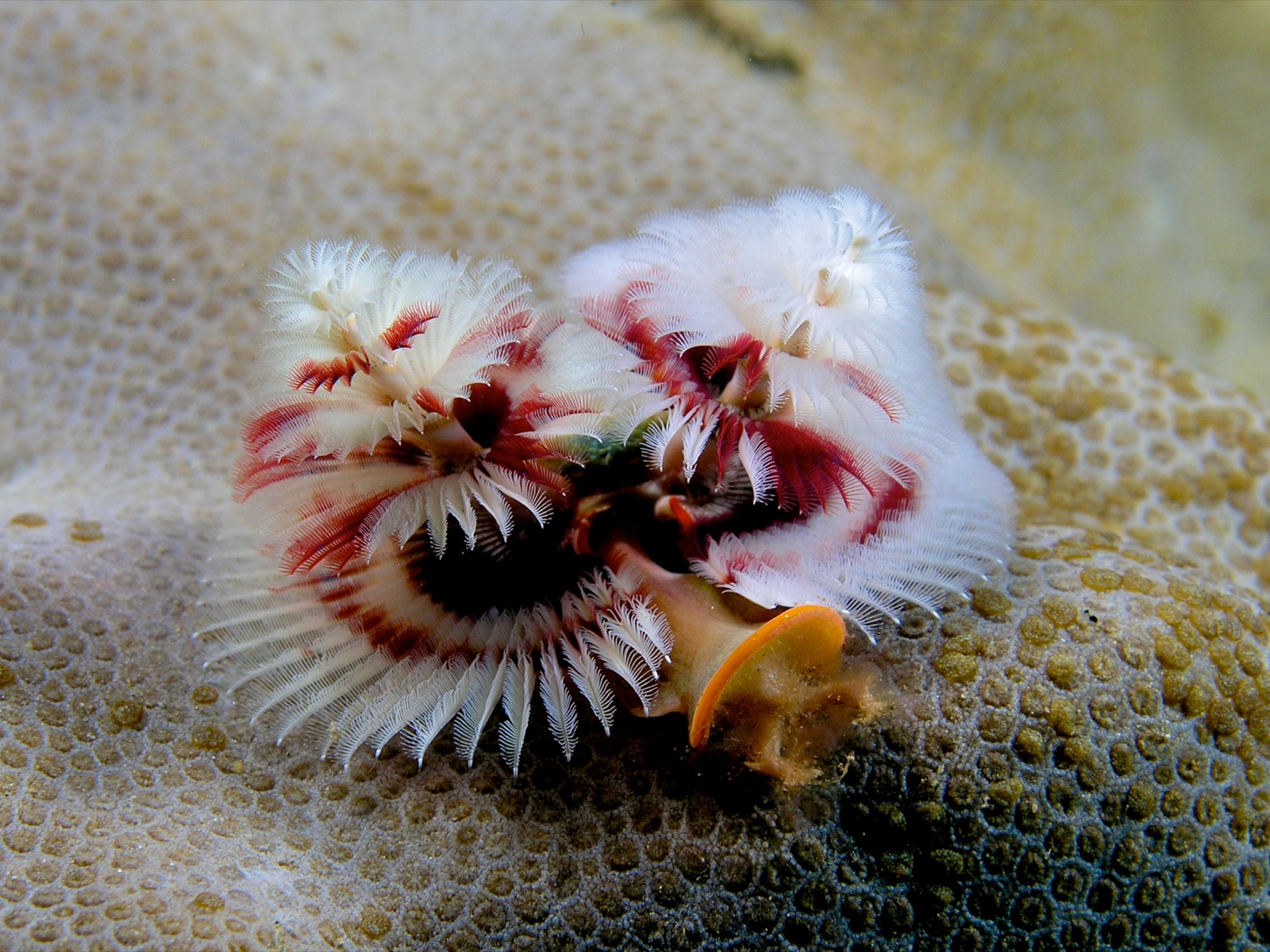
Christmas Tree Worm
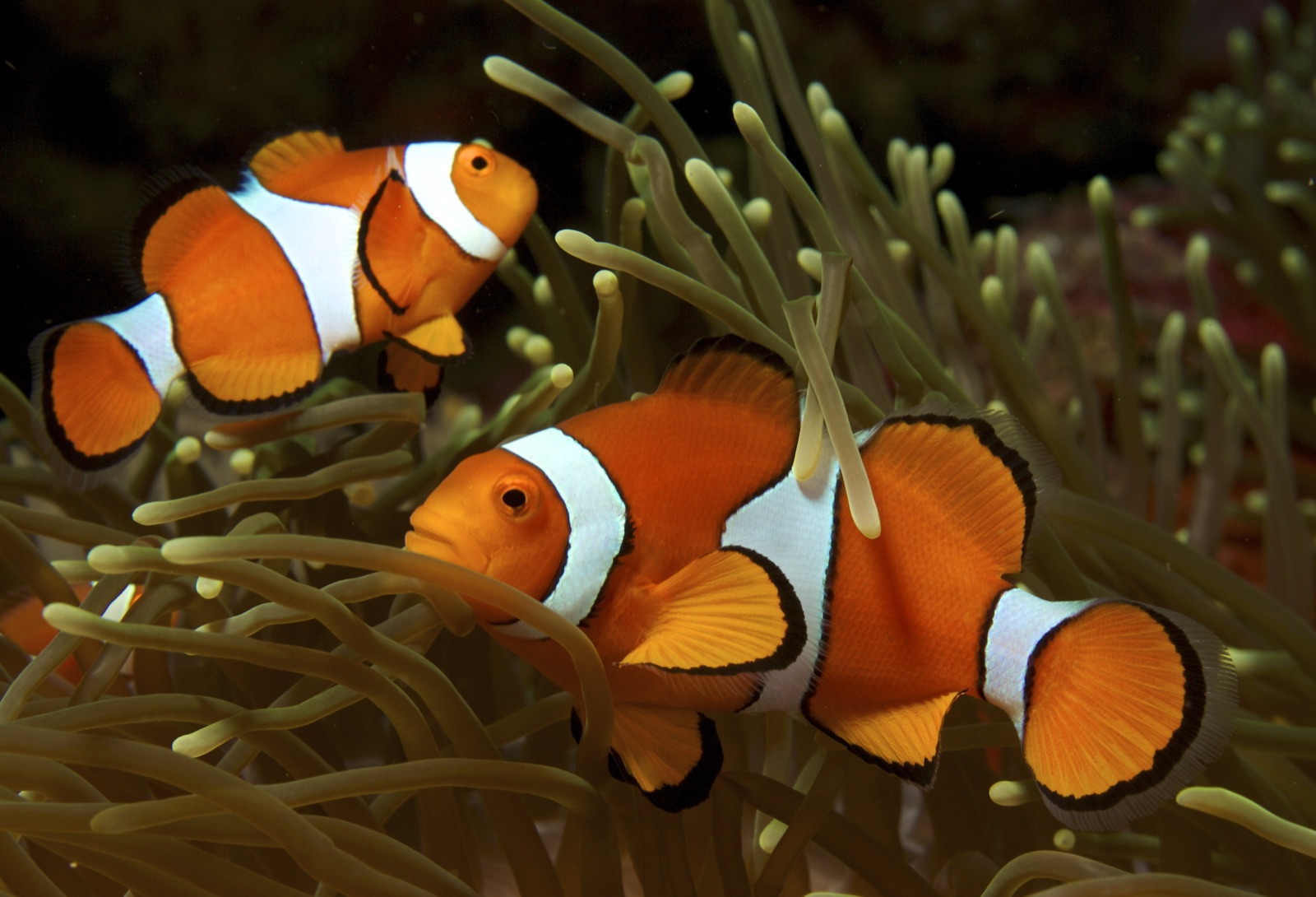
Clownfish & Anemonefish
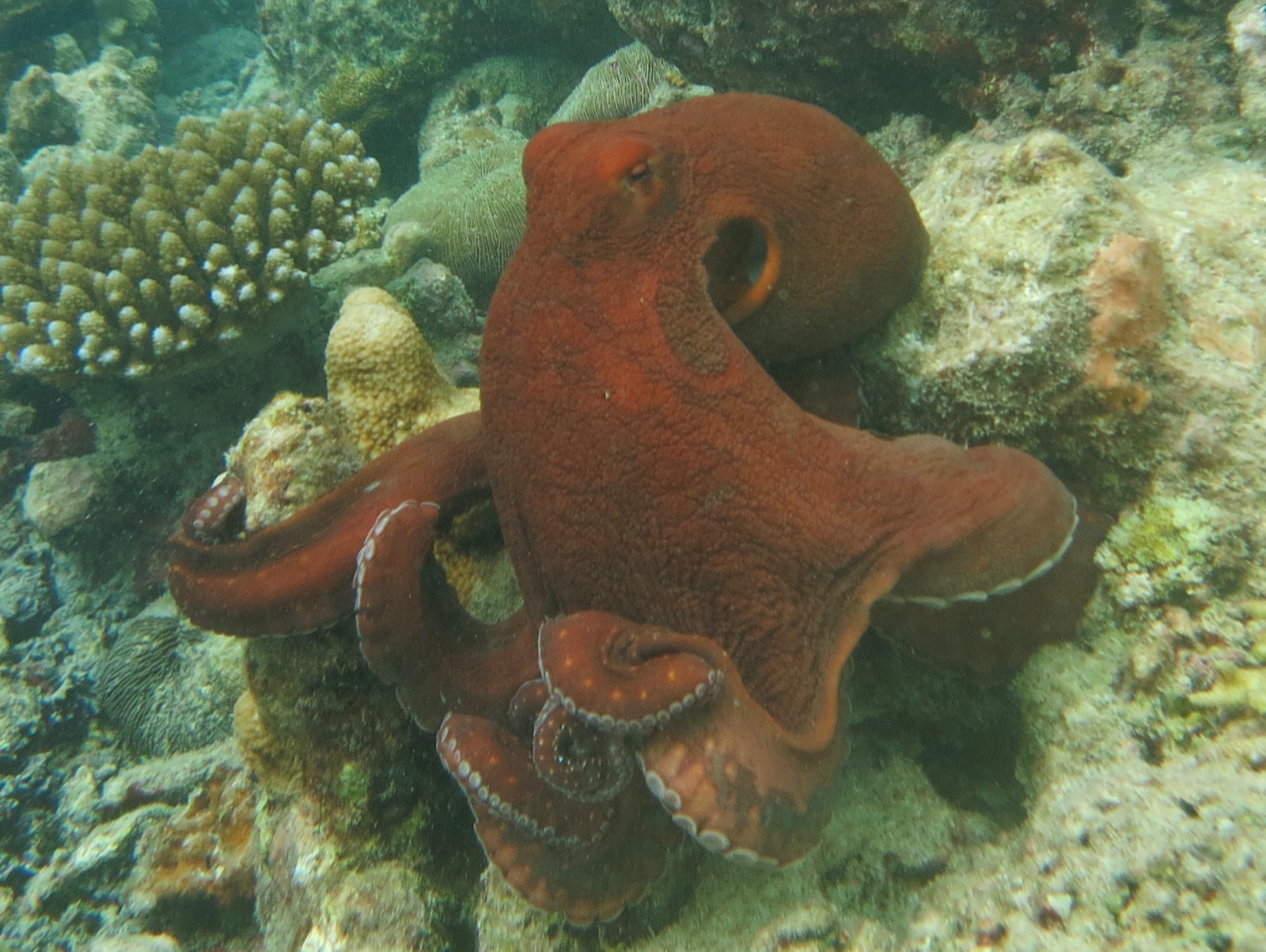
Common Reef (Day) Octopus
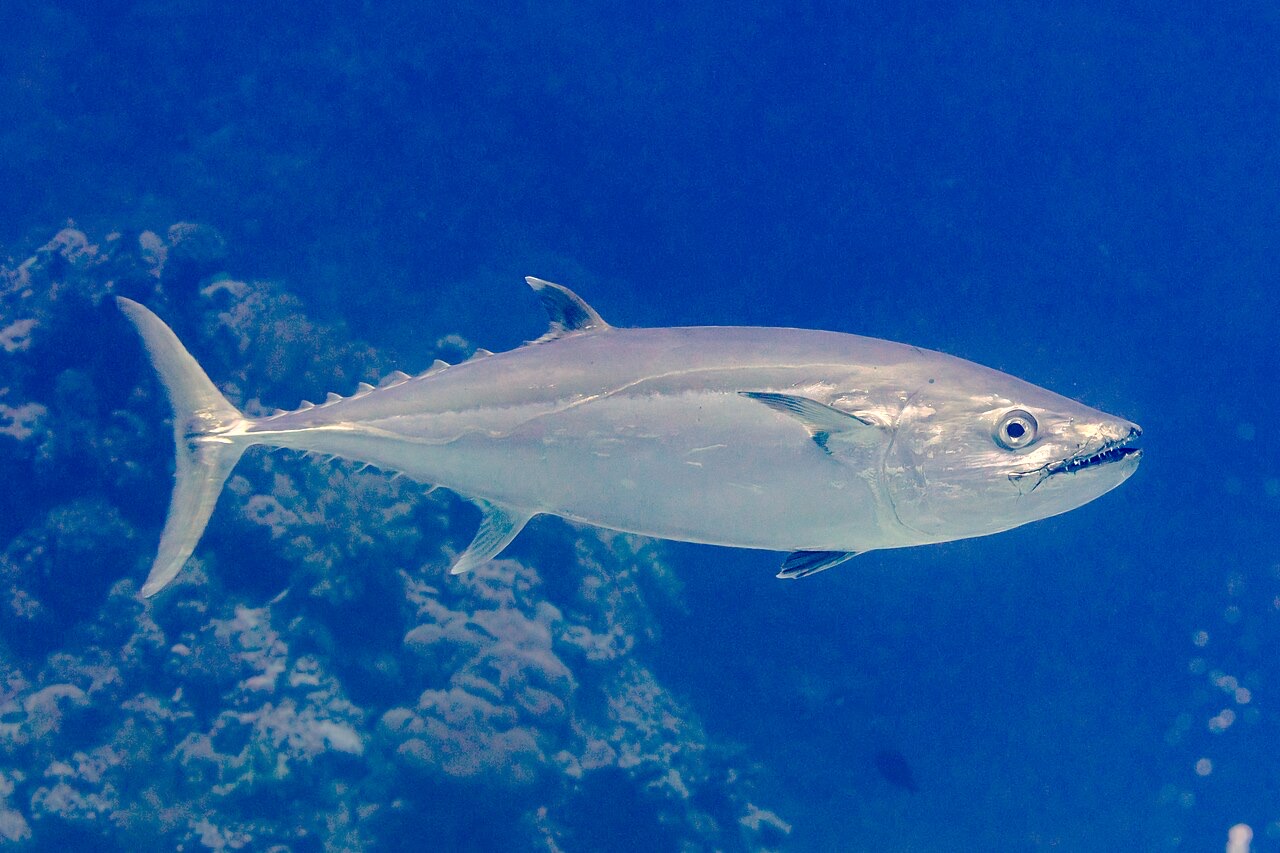
Dogtooth Tuna
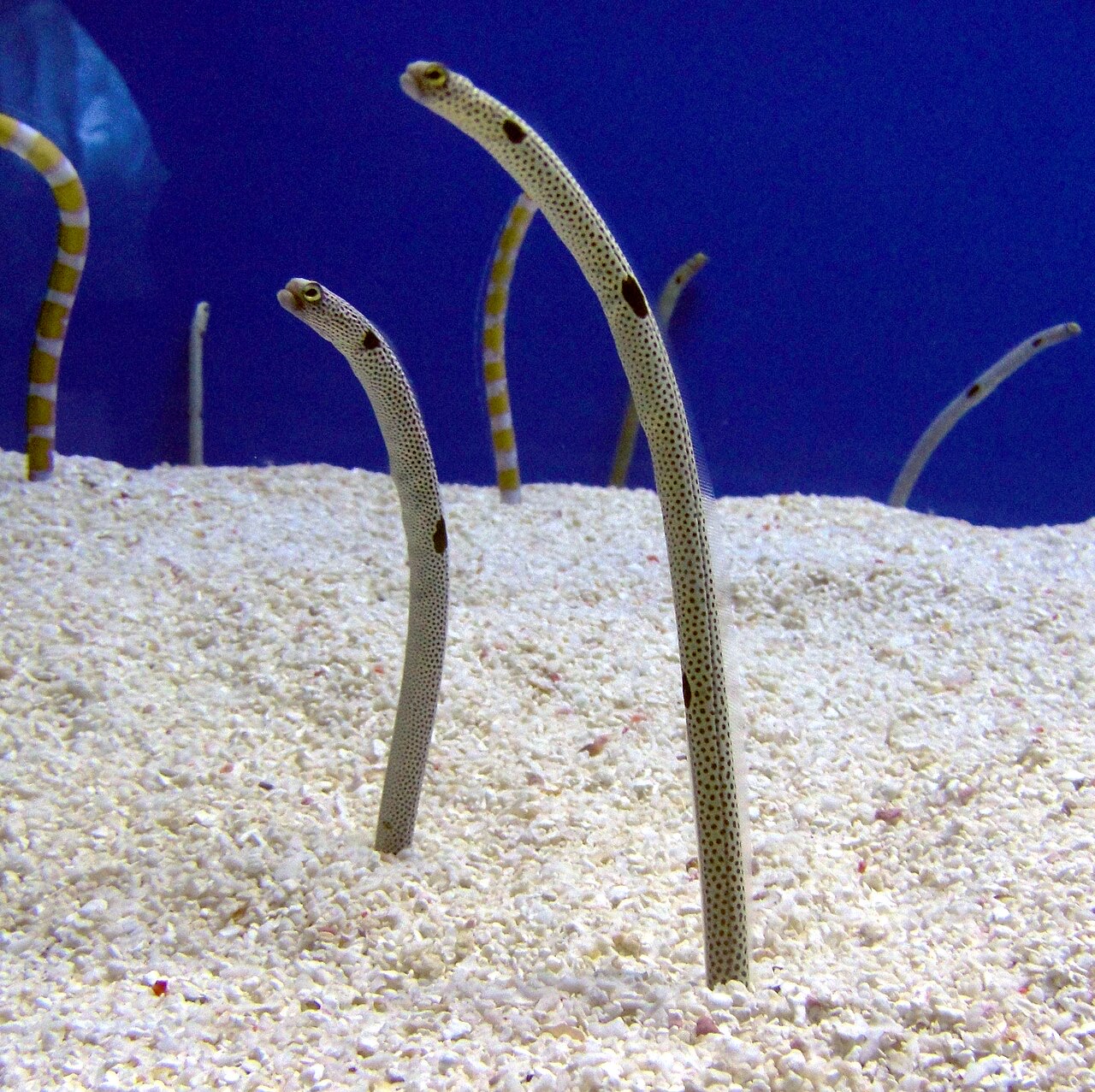
Garden Eel
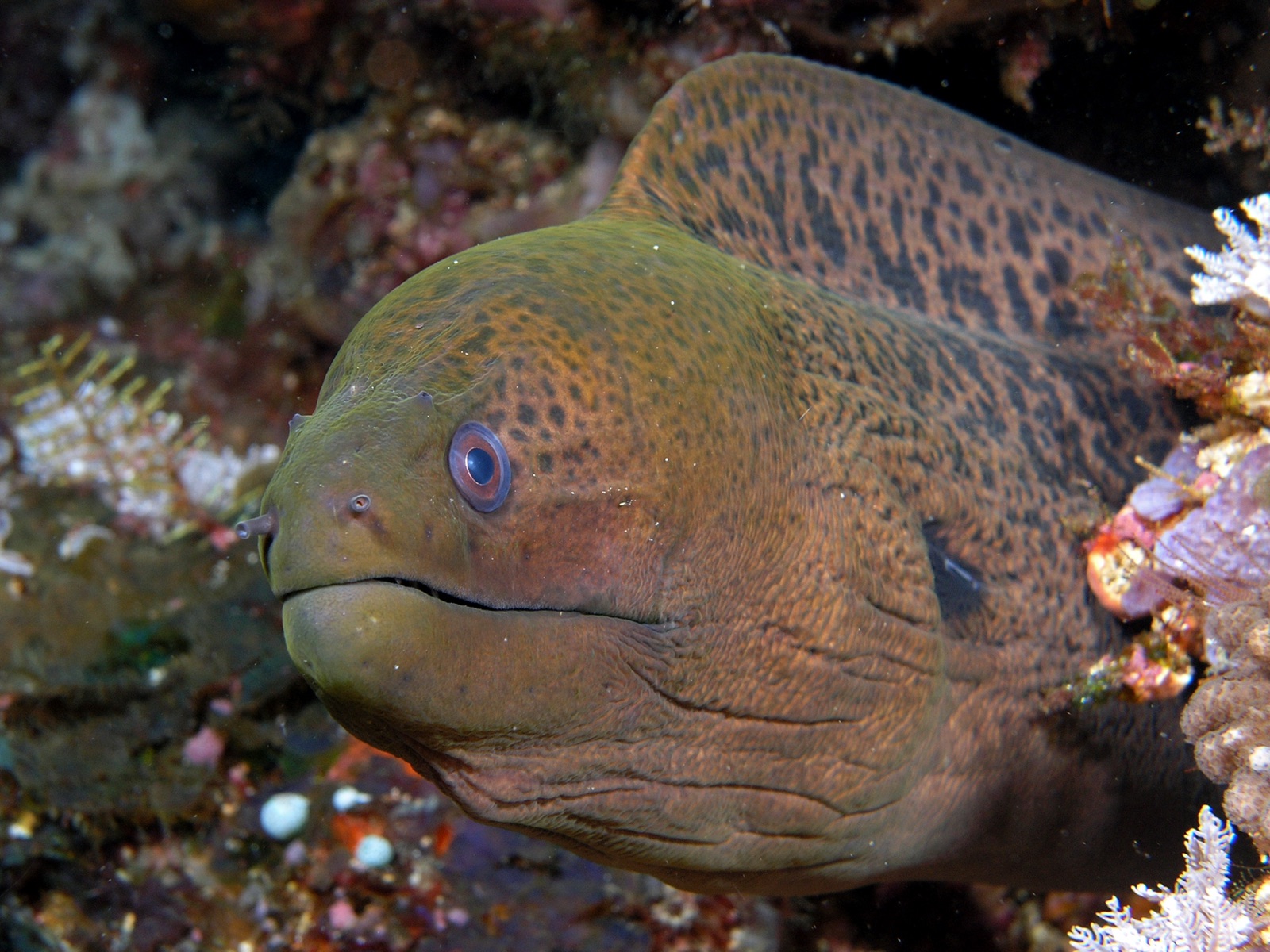
Giant Moray Eel
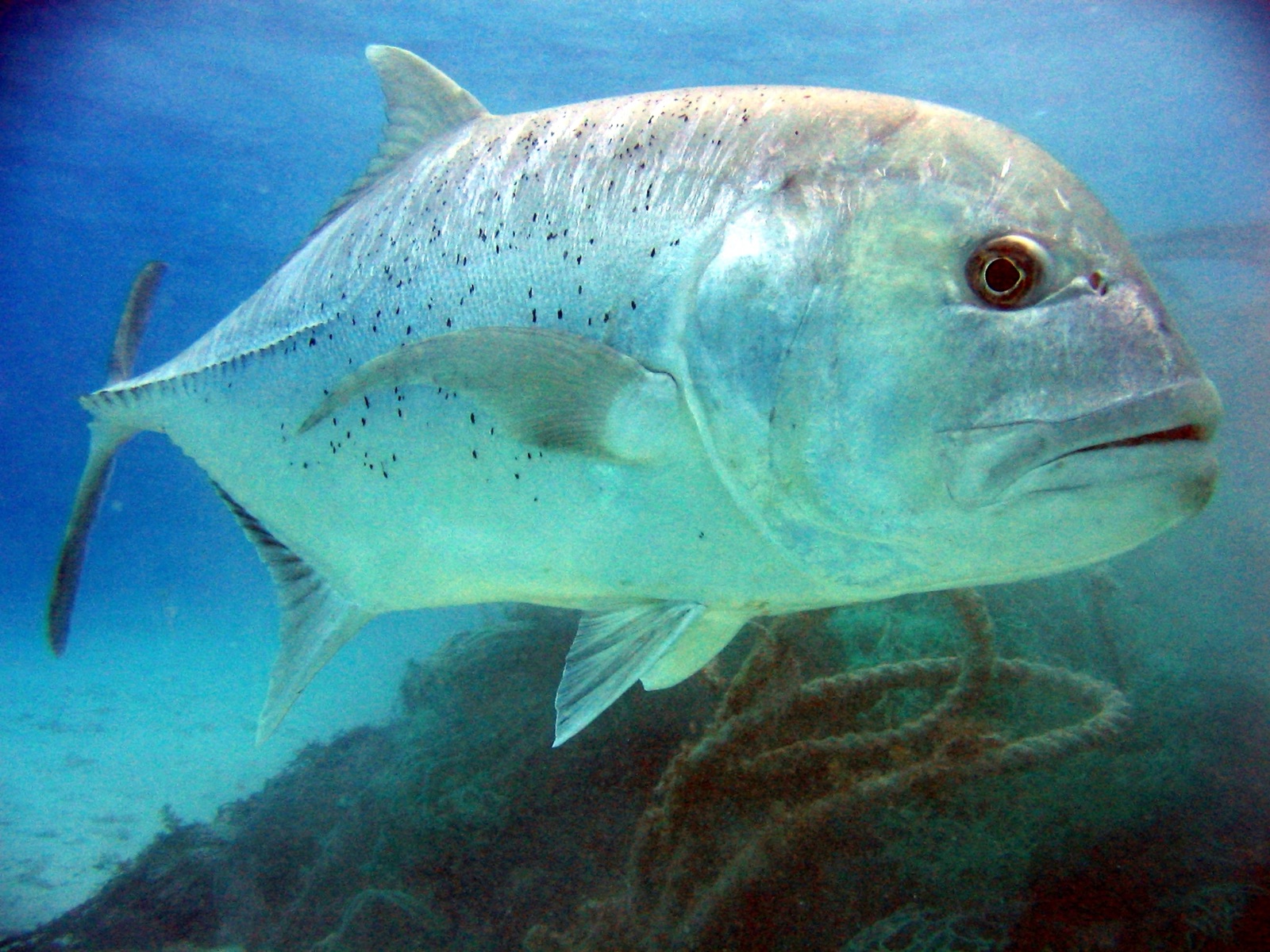
Giant Trevally
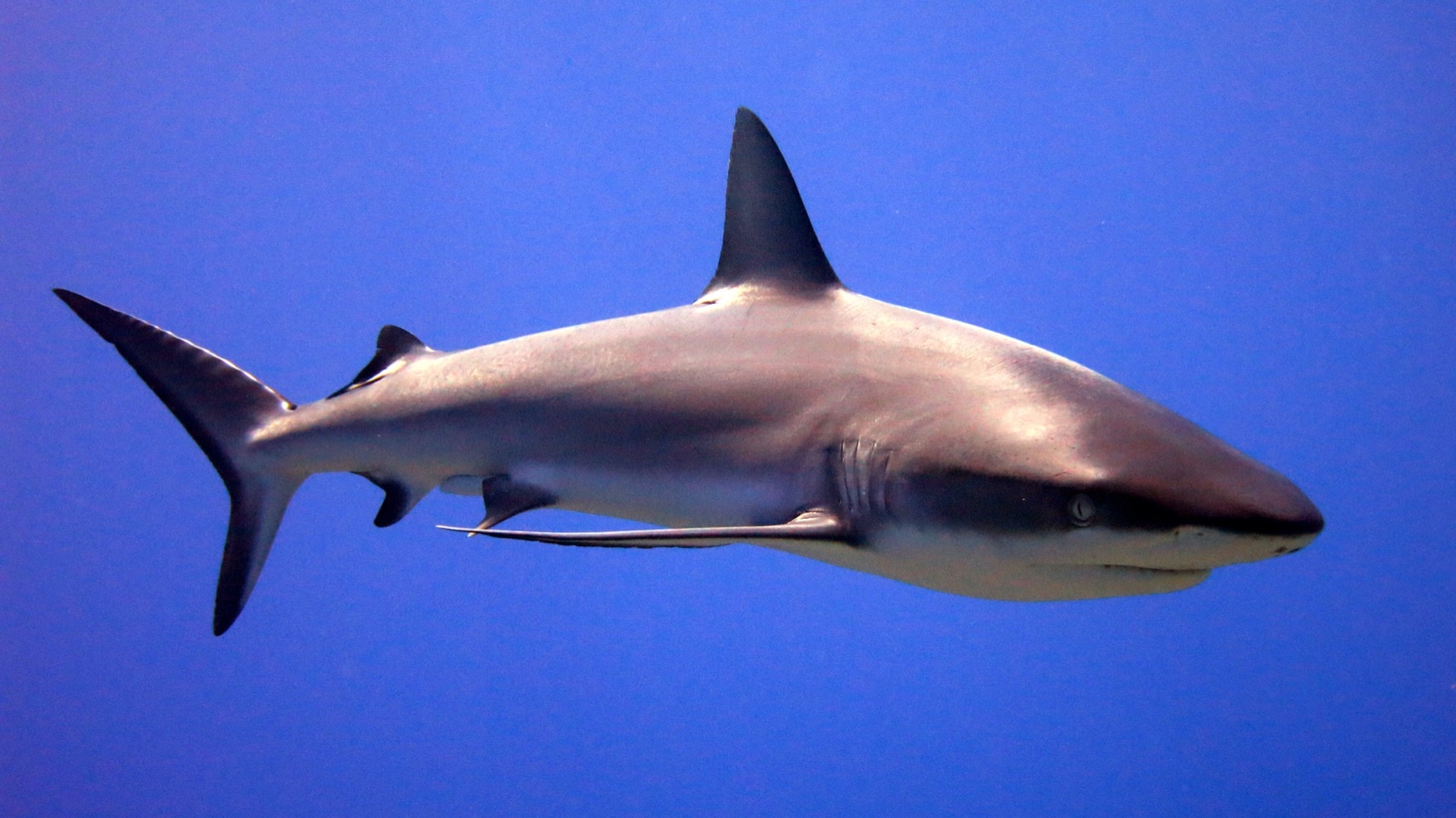
Grey Reef Shark
Gray reef and whitetip sharks in the channels, reef mantas on the eastern rim from roughly May to November, spotted eagle rays, Napoleon wrasse, hawksbill turtles, dense snapper and fusilier schools, and nurse sharks after dark.
Wrecks here
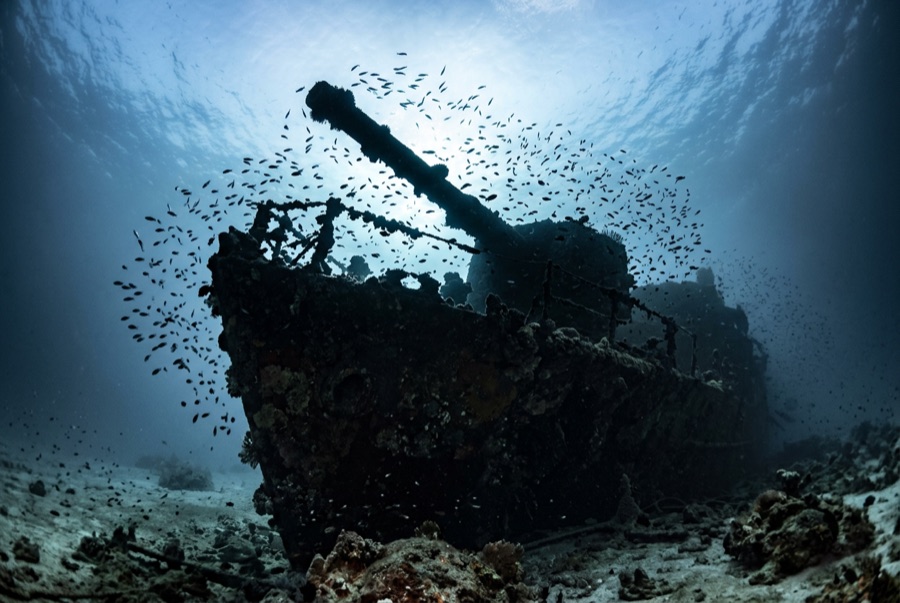
Maldive Victory
Getting there & staying
Getting there: Long-haul flights land at Velana International on Hulhulé; speedboats reach most North and South Malé islands in 20-60 minutes, so no seaplane transfer is needed.
Where to stay: Pick between private-island resorts, budget guesthouses on local islands such as Maafushi, Gulhi, and Huraa, or liveaboards departing Malé.
Liveaboards: Most Maldives liveaboards start and finish at Malé and combine these atolls with Vaavu and Ari on a standard central-atolls route.
Costs: Guesthouse-island dive pricing sits at the low end; resorts and liveaboards run higher. A 10 percent service charge and 16 percent GST are commonly added, and marine-area or green taxes appear on resort bills.
Between dives: Malé's fish market and old mosques, sandbank picnics, surf breaks near Himmafushi and Thulusdhoo, night-fishing trips, and resort spas.
Snorkeling: Resort and guesthouse house reefs give easy snorkeling straight off the beach; manta snorkel trips run on the eastern rim in season.
Safety & practicalities
Hazards: Strong and occasionally down-welling channel currents, boat traffic near Malé, and repetitive-dive decompression load on liveaboard itineraries.
Carry a surface marker buoy and reef hook, and run channels only on the tide your guide calls. Maldivian regulations cap recreational diving at 30 meters and require a guide.
Nearest recompression: Recompression chambers operate in the country, including the long-running facility at Bandos near Malé; availability changes. In an emergency call local EMS and DAN before moving anywhere.