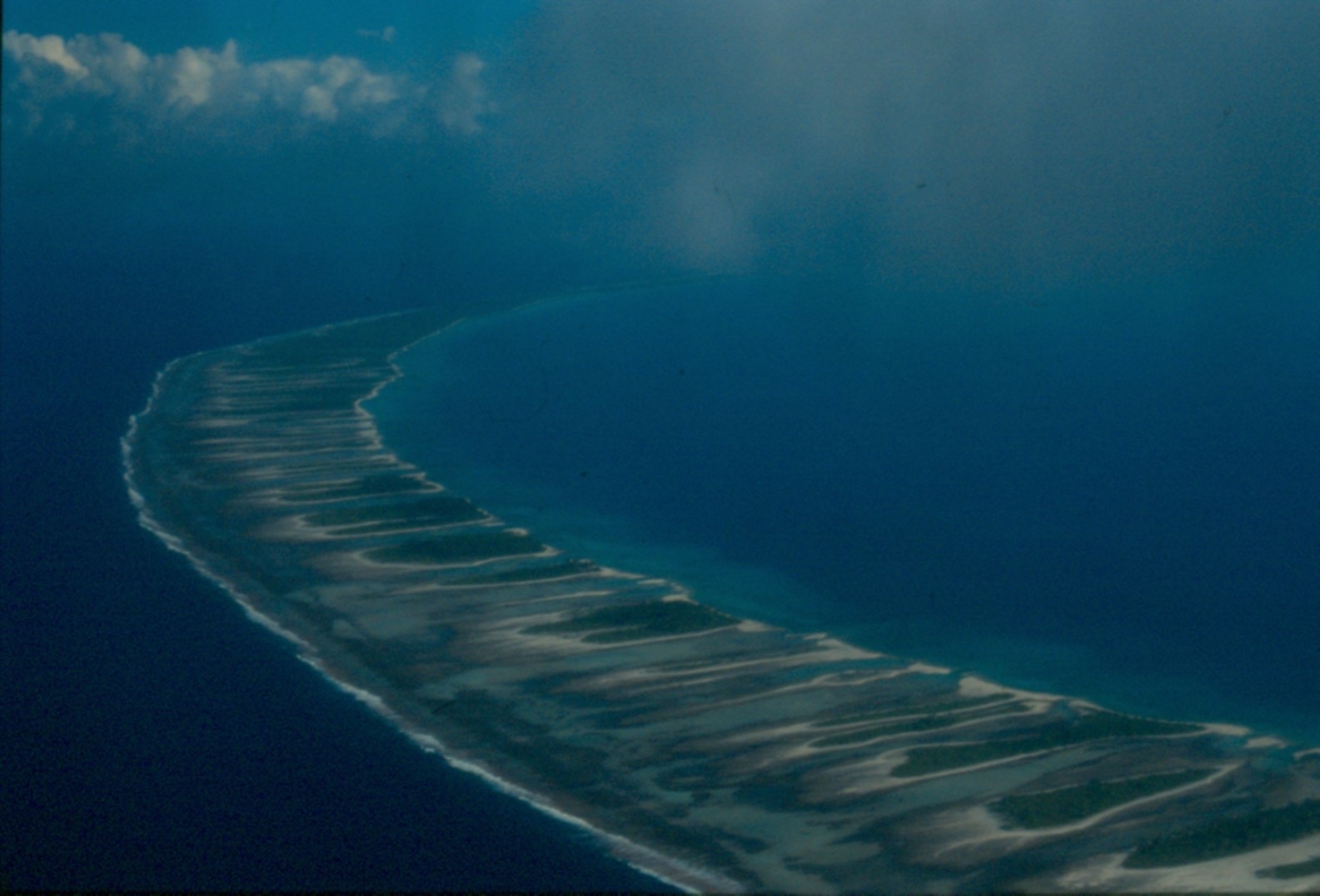
Rangiroa
Rangiroa is one of the largest atolls on earth, a coral ring enclosing a lagoon the size of a small sea, and its diving concentrates at two gaps in the ring. Tiputa Pass made the atoll famous: on the incoming tide, divers ride clear ocean water through squadrons of gray reef sharks while resident bottlenose dolphins swing by to inspect the bubbles. Great hammerheads patrol in the austral summer, and the shallow Aquarium keeps things gentle for the first day.
Why dive here
Pass diving is the Tuamotu art form, and Rangiroa wrote much of the syllabus. Twice a day the ocean forces itself through Tiputa and Avatoru passes; dive boats time the incoming current, drop divers outside, and let the flow carry them past shark walls into the lagoon's turquoise. The animals are the point: gray reef sharks in dense mid-water formation, eagle rays, thick-lipped Napoleon wrasse, silvertips off Avatoru, and, from roughly December to March, great hammerheads cruising the deep gate of Tiputa. The dolphins are the signature, though: a habituated resident pod that seeks out divers, sometimes close enough to demand wide-angle. When the tide is wrong there is the Aquarium's coral garden at snorkel depth, and the famous day trip to the Blue Lagoon on the far rim. Currents are genuinely strong and briefings matter; operators here manage novices well, but the passes reward experience. Base yourself between the two passes, dive the tide table, and drink the sunset over water that turns violet at dusk.
Month by month
Diveable all year in warm water. The austral summer, roughly November through March, brings the great hammerhead season at Tiputa plus calmer, warmer conditions with passing showers; mid-year trades can chop the boat rides but keep air temperatures pleasant. Cyclones are rare in the Tuamotus, though not unknown.
| Month | Water | Visibility | What it's like |
|---|---|---|---|
| January●●●●● | 27–29 °C / 81–84 °F | 25–45 m | Hammerhead season at Tiputa; warm and mostly calm. |
| February●●●●● | 27–30 °C / 81–86 °F | 25–45 m | Peak hammerhead sightings, humid weather. |
| March●●●●● | 27–30 °C / 81–86 °F | 25–45 m | Late hammerhead season. |
| April●●●●○ | 27–29 °C / 81–84 °F | 25–45 m | Settled autumn conditions. |
| May●●●●○ | 26–28 °C / 79–82 °F | 25–45 m | Trades starting; passes reliable. |
| June●●●●○ | 26–28 °C / 79–82 °F | 25–40 m | Cooler, breezier; sharks year-round. |
| July●●●●○ | 25–27 °C / 77–81 °F | 25–40 m | Trade-wind chop on crossings. |
| August●●●●○ | 25–27 °C / 77–81 °F | 25–40 m | Coolest water of the year. |
| September●●●●○ | 25–27 °C / 77–81 °F | 25–40 m | Winds easing. |
| October●●●●○ | 26–28 °C / 79–82 °F | 25–45 m | Warming; excellent clarity. |
| November●●●●○ | 26–28 °C / 79–82 °F | 25–45 m | Season building toward summer. |
| December●●●●● | 27–29 °C / 81–84 °F | 25–45 m | First hammerheads return. |
Monthly figures confidence: Documented. Months without a row have no verified data. We would rather show a gap than invent one.
The dive sites (4)
| Site | Type | Depth | Level | Access | |
|---|---|---|---|---|---|
| Avatoru Pass Close silvertip shark passes; a fast, clean drift; alternation with Tiputa… | Channel | 10–35 m | Advanced | Boat | |
| Blue Lagoon Blacktip reef sharks in gin-clear shallows; the aquamarine pool and its… | Reef | 1–5 m | Beginner | Boat | |
| The Aquarium Tame, dense reef-fish crowds; blacktips over white sand; ideal first-dive… | Reef | 2–12 m | Beginner | Boat | |
| Tiputa Pass Gray reef shark walls; habituated bottlenose dolphins mid-dive; seasonal… | Channel | 10–40 m | Advanced | Boat |
Marine life you can plan around
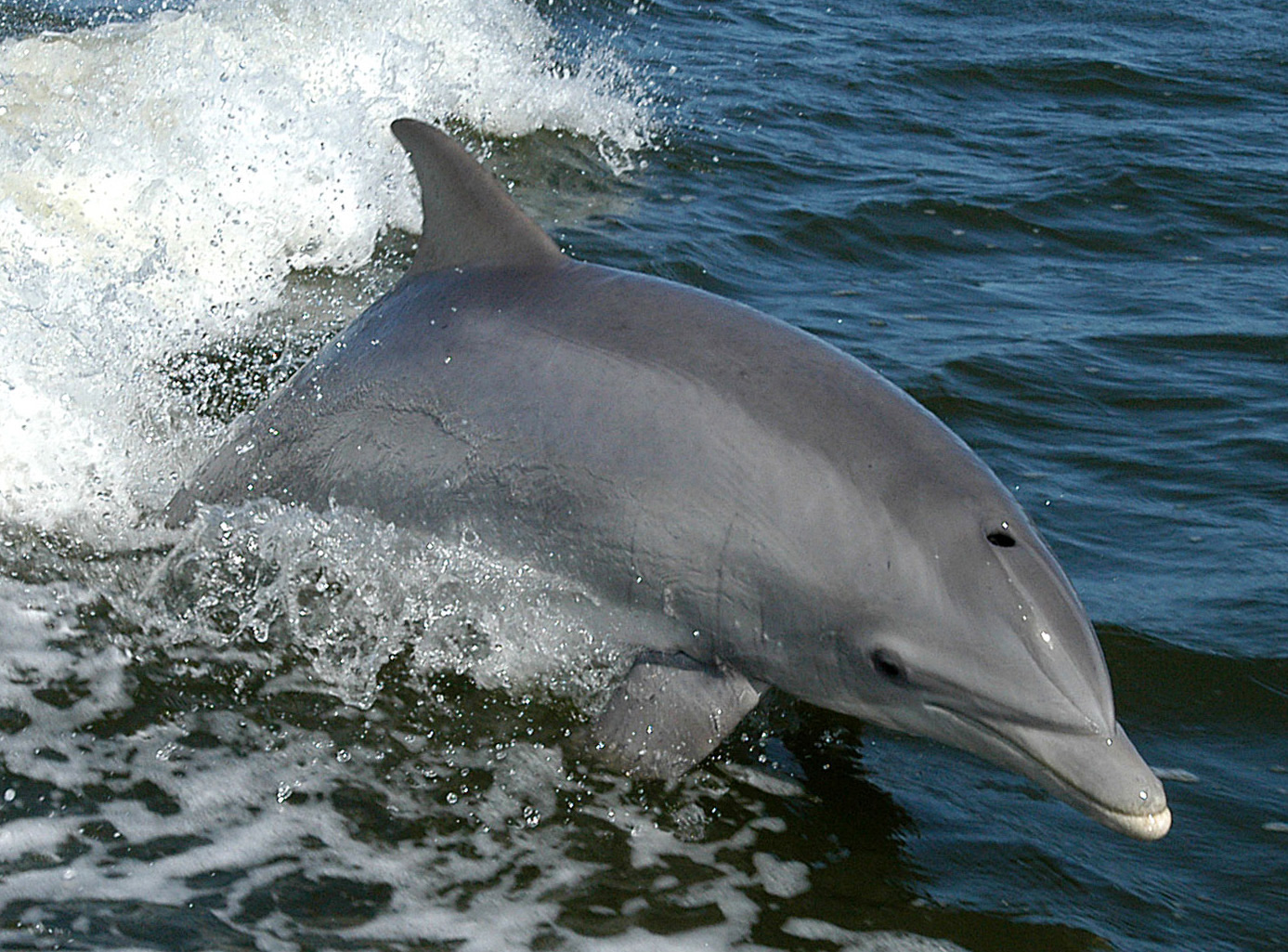
Bottlenose Dolphin
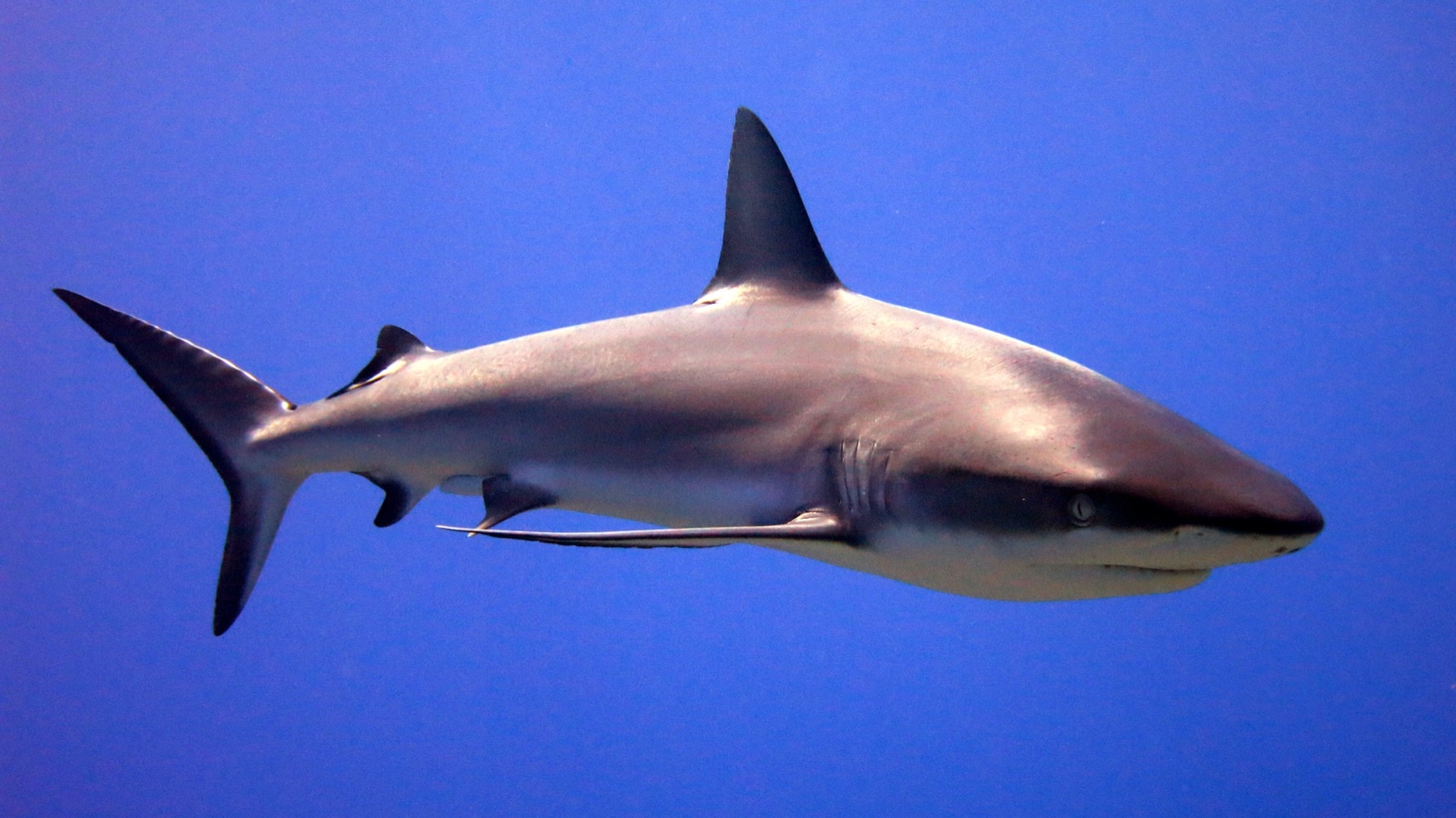
Grey Reef Shark
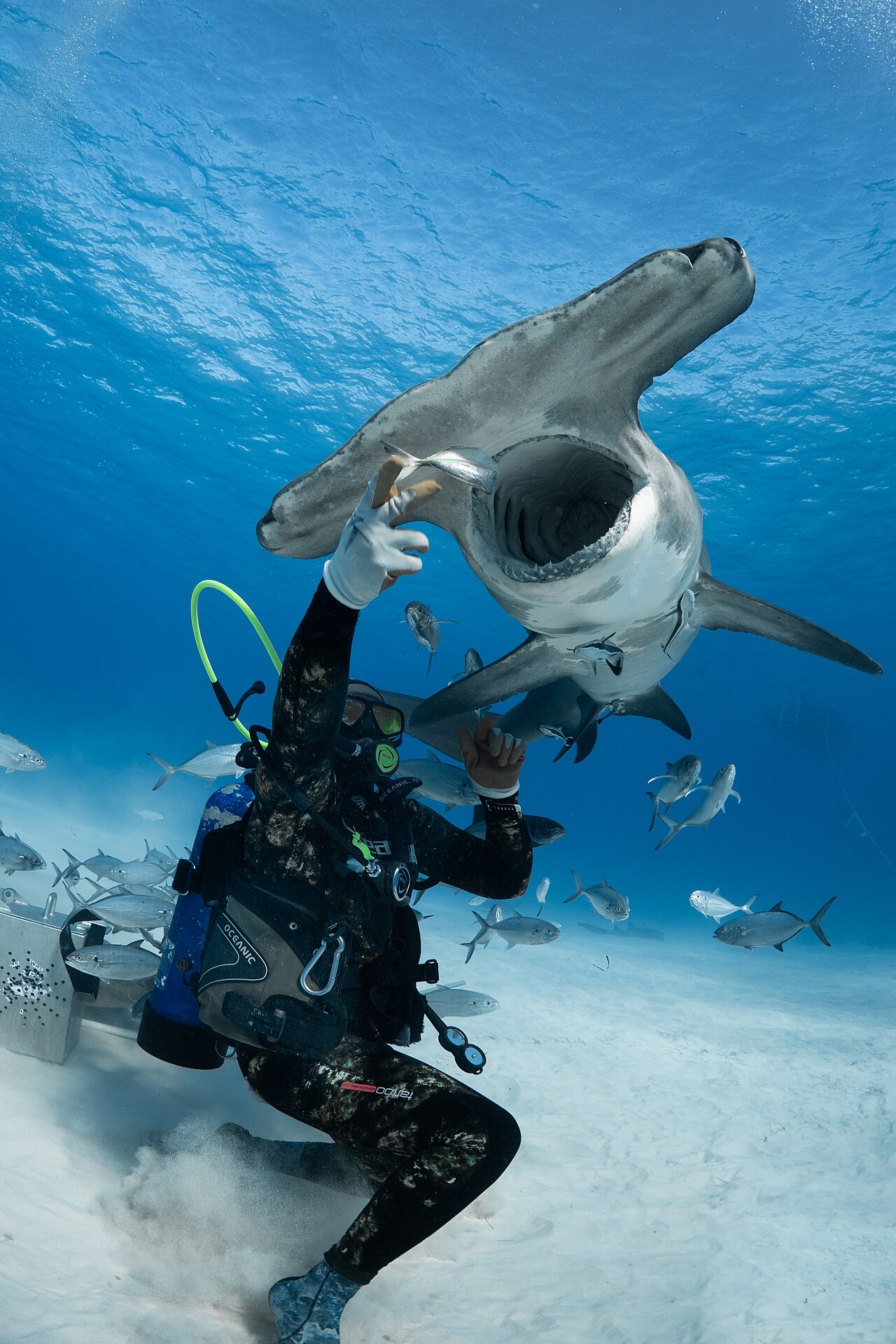
Great Hammerhead
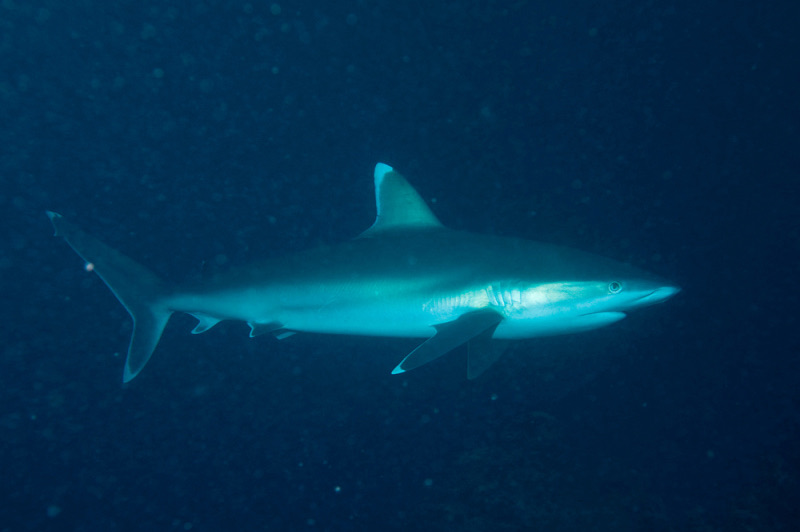
Silvertip Shark
Gray reef sharks in the hundreds, resident bottlenose dolphins, seasonal great hammerheads, silvertips, eagle rays, Napoleon wrasse, green turtles, barracuda, and snapper walls in the passes.
Getting there & staying
Getting there: Fly Papeete to Rangiroa in about an hour; the airstrip sits on the inhabited northern rim between the two passes, and pensions collect guests by road.
Where to stay: Lodging strings along the ten-kilometer islet between Avatoru and Tiputa, from family pensions to an upscale resort; every dive center is minutes from both passes.
Costs: Editorial estimate for two boat dives in 2026. French Polynesia is a premium-cost destination; multi-dive packages and inter-island passes soften it somewhat.
Between dives: Blue Lagoon and Reef Island excursions, pink-sand visits on the far rim, pearl-farm tours, Tahitian vanilla and the atoll's improbable vineyard, and dolphin watching from the Tiputa point at the evening tide.
Snorkeling: The Aquarium and the Blue Lagoon are first-class snorkel outings; snorkelers also drift the pass edges with operators on gentle tides.
Safety & practicalities
Hazards: Strong tidal currents with washing-machine turbulence at the pass mouths and occasional down-eddies; boat traffic in the passes; open-ocean exposure on the outside. Dives run on the tide table; respect the schedule and the guide's line.
Carry a DSMB and reef hook, keep the group's line through the pass, and sit out a cycle rather than fight an outgoing current. Operators brief precisely; follow it.
Nearest recompression: French Polynesia's hyperbaric facility is in Papeete, a flight away; availability changes. Suspected cases route through EMS and DAN for evacuation.