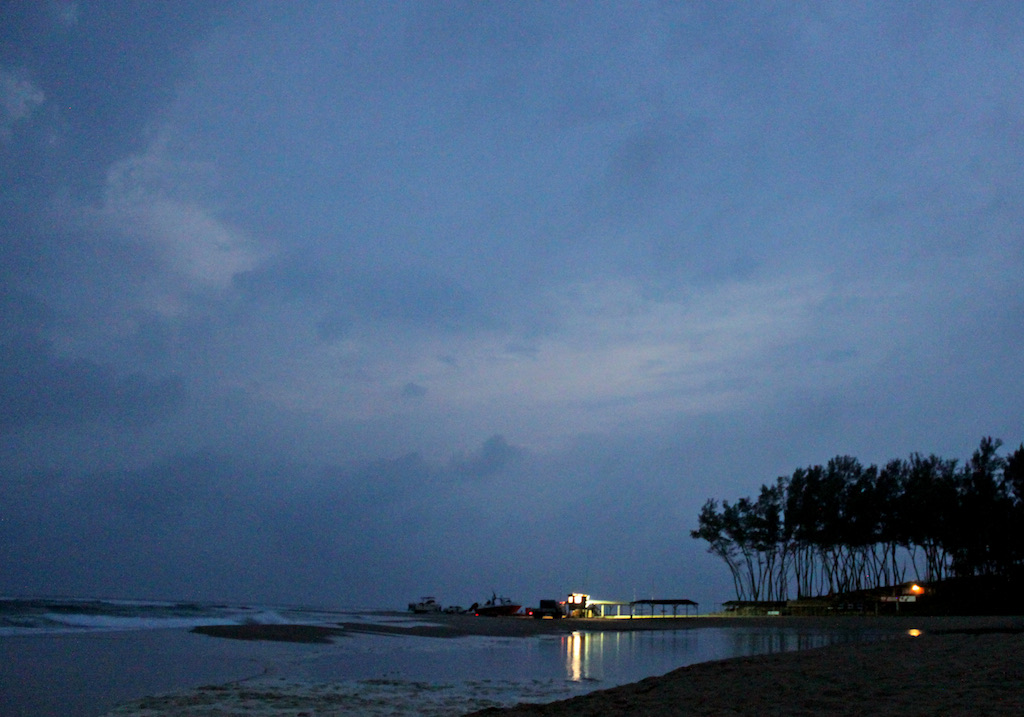
Sodwana Bay
Sodwana Bay, inside the iSimangaliso Wetland Park World Heritage Site, is South Africa's coral-diving capital: the southernmost well-developed coral reefs in Africa, named simply by their distance from the launch point (Quarter Mile, Two Mile, Seven Mile, Nine Mile). Expect surf launches off the beach, warm Agulhas-fed water, turtles everywhere, nesting loggerheads and leatherbacks in summer, and a weekend scene of South African divers that has run for generations.
Why dive here
Sodwana stacks tropical variety onto an accessible, drive-in destination. The reefs are sandstone platforms carpeted in hard and soft coral, and the fish list (over a thousand species recorded in these waters) shows in the first ten minutes: anemonefish gardens, sweeping goldie clouds, potato bass shadowing divers, morays in every second ledge. Two Mile Reef alone offers a dozen named drops from training-friendly shallows to caves and mushroom-shaped bommies. Seven Mile and Nine Mile, longer launches north, reward with pristine coral and pelagic flybys. Quarter Mile's sandy gullies host pregnant ragged-tooth sharks in summer, whale sharks cruise past in the warm months, and humpbacks own the horizon June-November. On summer nights, loggerhead and leatherback turtles haul out to nest on the same beach the tractors use at dawn, a monitoring program running since the 1960s. It is unpretentious, weather-dependent, and superb value.
Month by month
Diving runs year-round; autumn and winter (April-September) usually bring the calmest, clearest water. Summer adds whale sharks, raggies at Quarter Mile, and turtle nesting, at the cost of more wind, rain, and surge.
| Month | Water | Visibility | What it's like |
|---|---|---|---|
| January●●●●○ | 25–28 °C / 77–82 °F | 10–25 m | Warm water; turtle nesting and Quarter Mile raggies. |
| February●●●●○ | 26–29 °C / 79–84 °F | 10–25 m | Warmest seas; summer surge possible. |
| March●●●●○ | 25–28 °C / 77–82 °F | 10–25 m | Late-summer diving settles. |
| April●●●●● | 24–27 °C / 75–81 °F | 12–30 m | Autumn clarity; calm mornings. |
| May●●●●● | 23–26 °C / 73–79 °F | 12–30 m | Often the best visibility window. |
| June●●●●○ | 21–24 °C / 70–75 °F | 12–30 m | Cool and clean; first humpbacks. |
| July●●●●○ | 21–24 °C / 70–75 °F | 12–30 m | Winter; whales passing north. |
| August●●●●○ | 21–24 °C / 70–75 °F | 10–25 m | Windy spells between clean days. |
| September●●●●○ | 21–24 °C / 70–75 °F | 10–25 m | Spring; whales southbound with calves. |
| October●●●●○ | 22–25 °C / 72–77 °F | 10–25 m | Warming; wind windows matter. |
| November●●●●○ | 23–26 °C / 73–79 °F | 10–25 m | Turtle nesting begins on the beaches. |
| December●●●●○ | 24–27 °C / 75–81 °F | 10–25 m | Nesting peak; pregnant raggies arrive at Quarter Mile. |
Monthly figures confidence: Documented. Months without a row have no verified data. We would rather show a gap than invent one.
The dive sites (5)
| Site | Type | Depth | Level | Access | |
|---|---|---|---|---|---|
| Five Mile Reef Pristine plate-coral fields; the connoisseur's quiet alternative | Reef | 12–21 m | Intermediate | Boat | |
| Nine Mile Reef Giant green tree corals in the shallows; wildlife-rich boat runs | Reef | 8–24 m | Intermediate | Boat | |
| Quarter Mile Reef Resting pregnant ragged-tooth sharks in summer at snorkelable depths | Reef | 6–14 m | Beginner | Boat | |
| Seven Mile Reef Mushroom-rock topography and green tree coral; the park's most likely… | Reef | 12–24 m | Intermediate | Boat | |
| Two Mile Reef Rich coral cover and huge variety across named sections; sociable potato… | Reef | 9–34 m | Beginner | Boat |
Marine life you can plan around
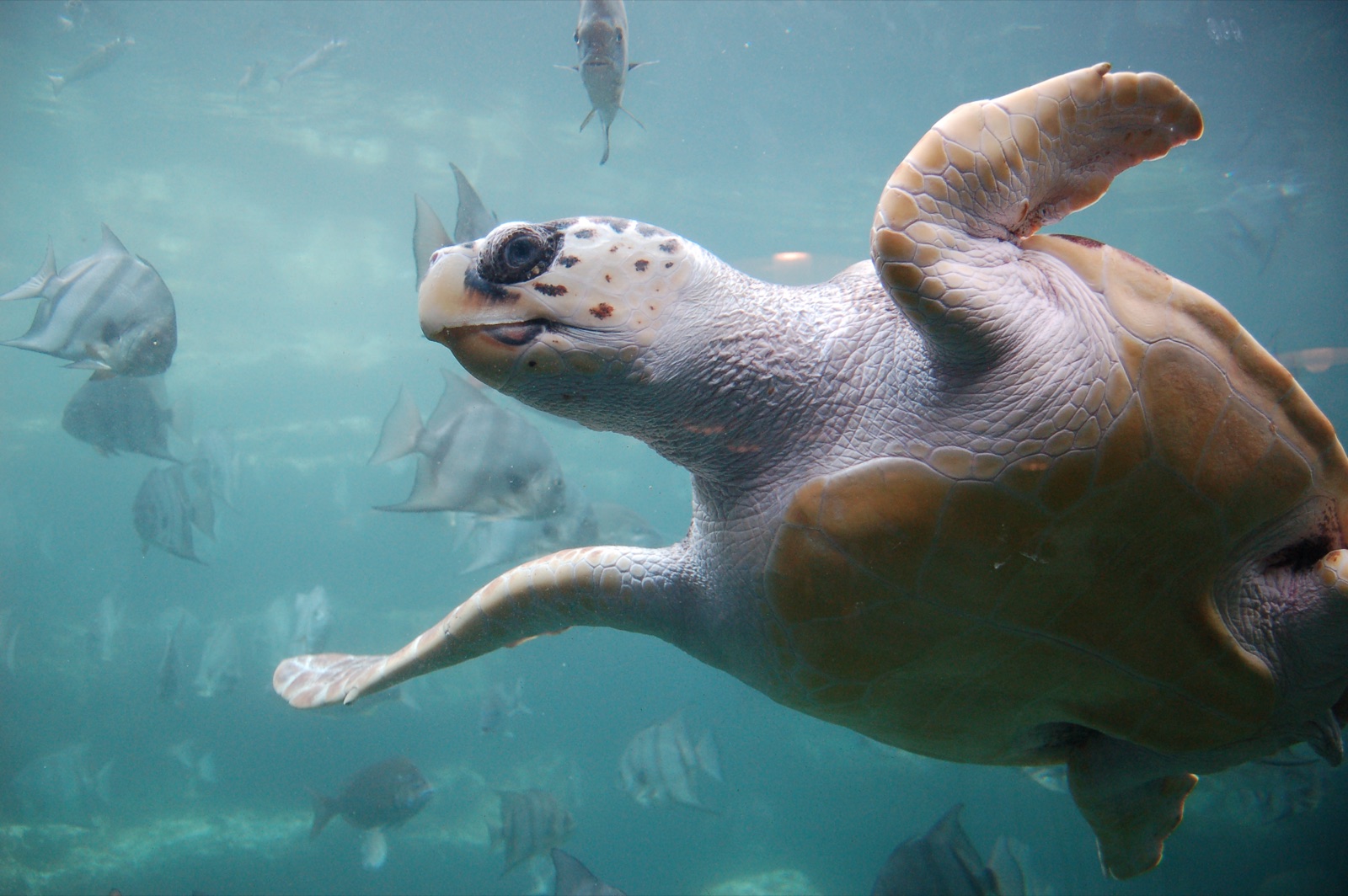
Loggerhead Turtle
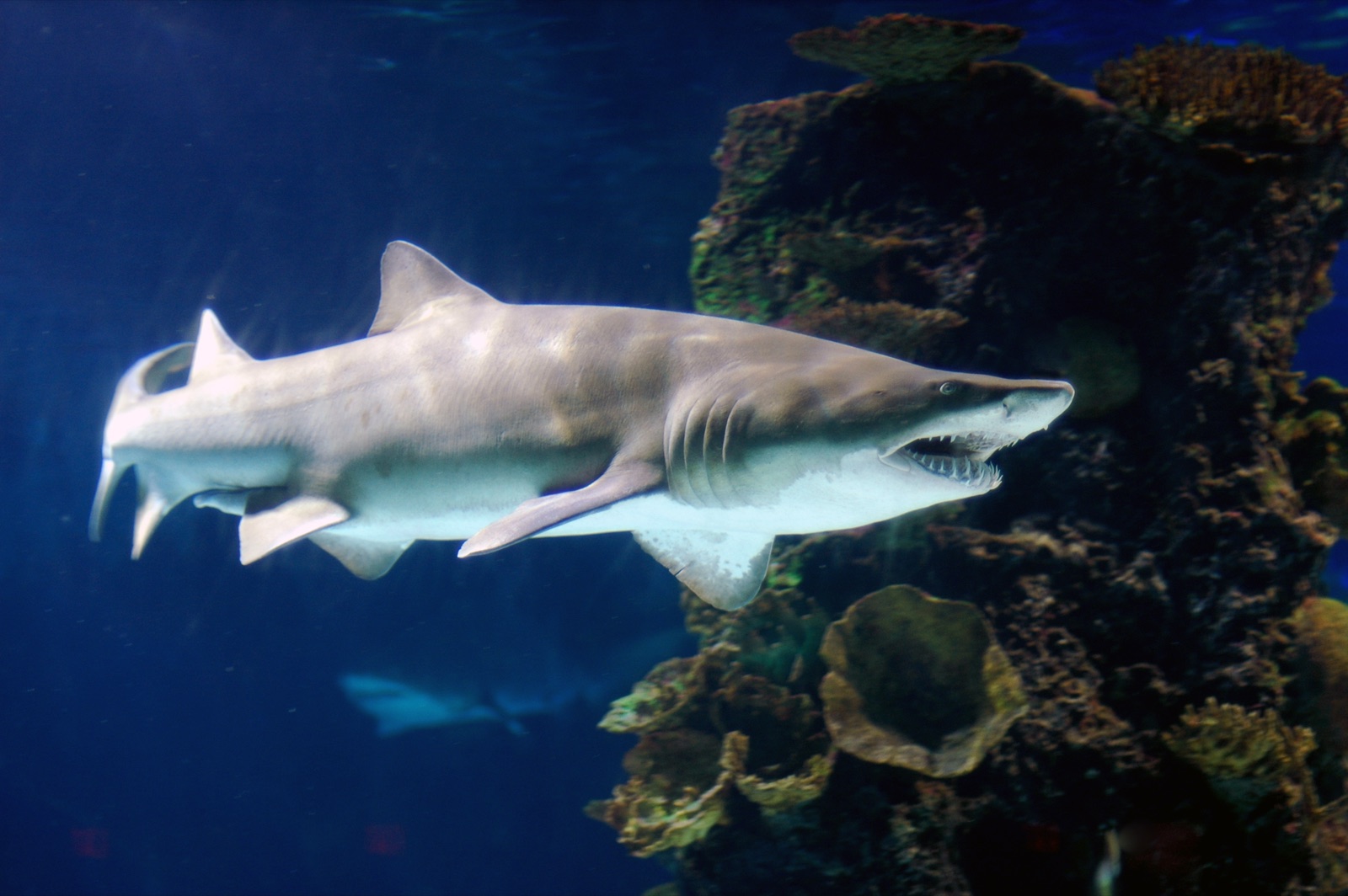
Sand Tiger (Ragged-Tooth) Shark
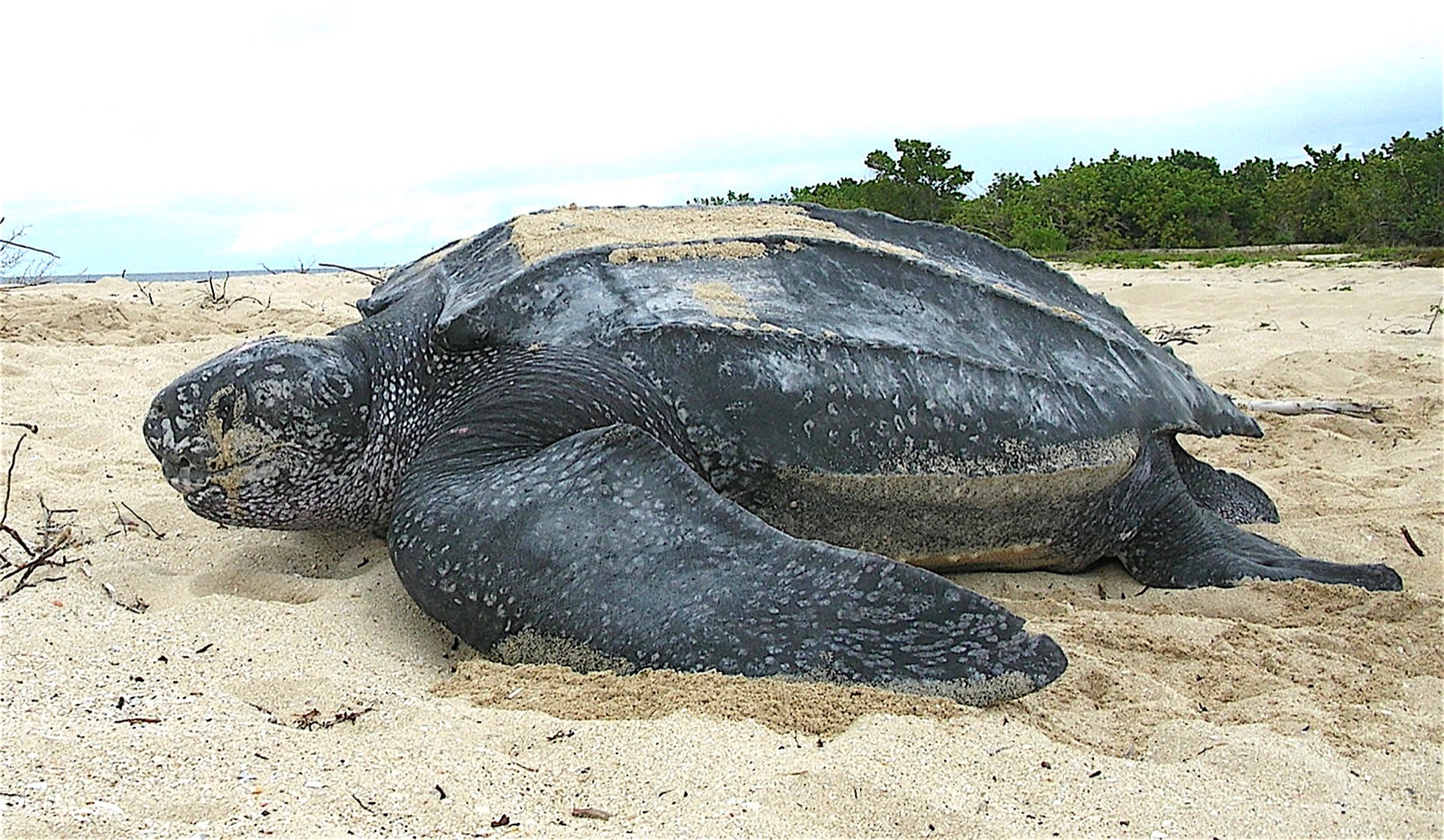
Leatherback Turtle
Green, hawksbill, loggerhead, and nesting leatherback turtles, ragged-tooth sharks in summer at Quarter Mile, whale sharks and humpbacks seasonally, potato bass, rays, and dense coral-reef fish communities.
Getting there & staying
Getting there: Drive about 3.5-4 hours north from Durban via the N2 to Mbazwana and the park gate; the last stretch is sand track to the beach camps.
Where to stay: Lodges, dive camps, and campsites cluster around the park entrance; book school holidays far ahead: Sodwana is a national institution.
Costs: Among the cheapest quality coral diving anywhere; park entry and vehicle fees apply, and longer launches (Seven/Nine Mile) cost slightly more.
Between dives: Turtle-nesting drives in season, Lake Sibaya and iSimangaliso safaris, fishing, kayaking, and big empty beaches.
Snorkeling: Snorkelers work the shallow lagoon and inshore ledges on calm days; boat snorkel spots depend on swell.
Safety & practicalities
Hazards: Surf launches, surge on shallow reef, summer wind and swell, and long beach drives. Schedules bend to the ocean.
Listen to the skipper's launch briefing and keep gear clipped; reef contact is both a park offense and the main injury source here. Standard recreational limits cover almost every site.
Nearest recompression: The nearest hyperbaric facilities are in the Durban area and Johannesburg; availability changes. Emergencies go through local EMS and DAN.