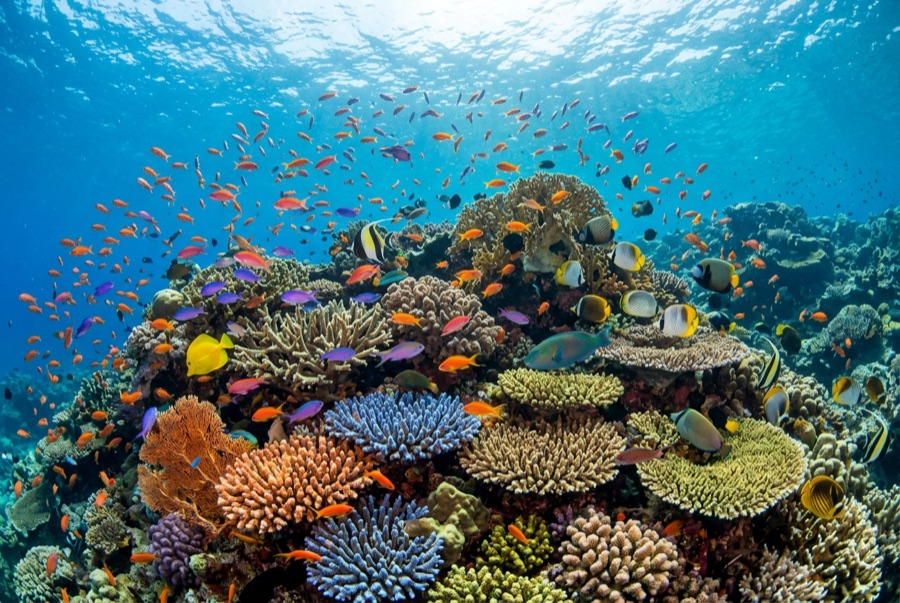
Cave of the Sleeping Sharks
Derinlik, dalış noktasının tepesinden olağan maksimumuna kadar olan aralıktır; "önerilen sertifika" ise operatörlerin genellikle talep ettiği ana akım ajans düzeyidir, yasal bir kural değildir. Akıntı ve görüş her gün değişir, bu nedenle buradaki her şeyi planlama aralığı olarak değerlendirin.
This modest cavern earned an outsized place in shark science. In the 1970s local diver Ramon Bravo and researcher Eugenie Clark documented Caribbean reef sharks lying motionless on its floor (animals long believed unable to stop swimming), apparently eased by oxygen-rich, lower-salinity water welling through the rock. Cousteau's cameras followed and the site became legend. Today the honest version matters: sharks still pass through the area, but finding one asleep in the cave is uncommon, and decades of visitation likely played a part. Dive it as a pilgrimage with a bonus chance, not a guarantee.
Tam da bunun için geldiğiniz an: A landmark of shark-behavior history, cavern ledges, possible resting nurse or reef sharks.
Topografya: A low limestone cavern and ledges at about 20 m where fresher groundwater seeps into the sea.
Akıntı: Open Caribbean water; expect movement.
Giriş: Exposed site northeast of the island; dived when seas allow.
Suya girmeden önce bilinmesi gerekenler
Tehlikeler: Overhead ledge, surge, and open-sea conditions on the windward side.
Koruma: If a shark is resting, stay wide and low outside the cavern mouth; crowding it defeats the site's entire story.
Nitrox: Burada değer: profiller, nitrox'un no-stop süresini anlamlı ölçüde uzattığı (ve bunu kullanacak eğitimle birlikte) aralıkta yer alıyor.
Kimlerle karşılaşacaksınız
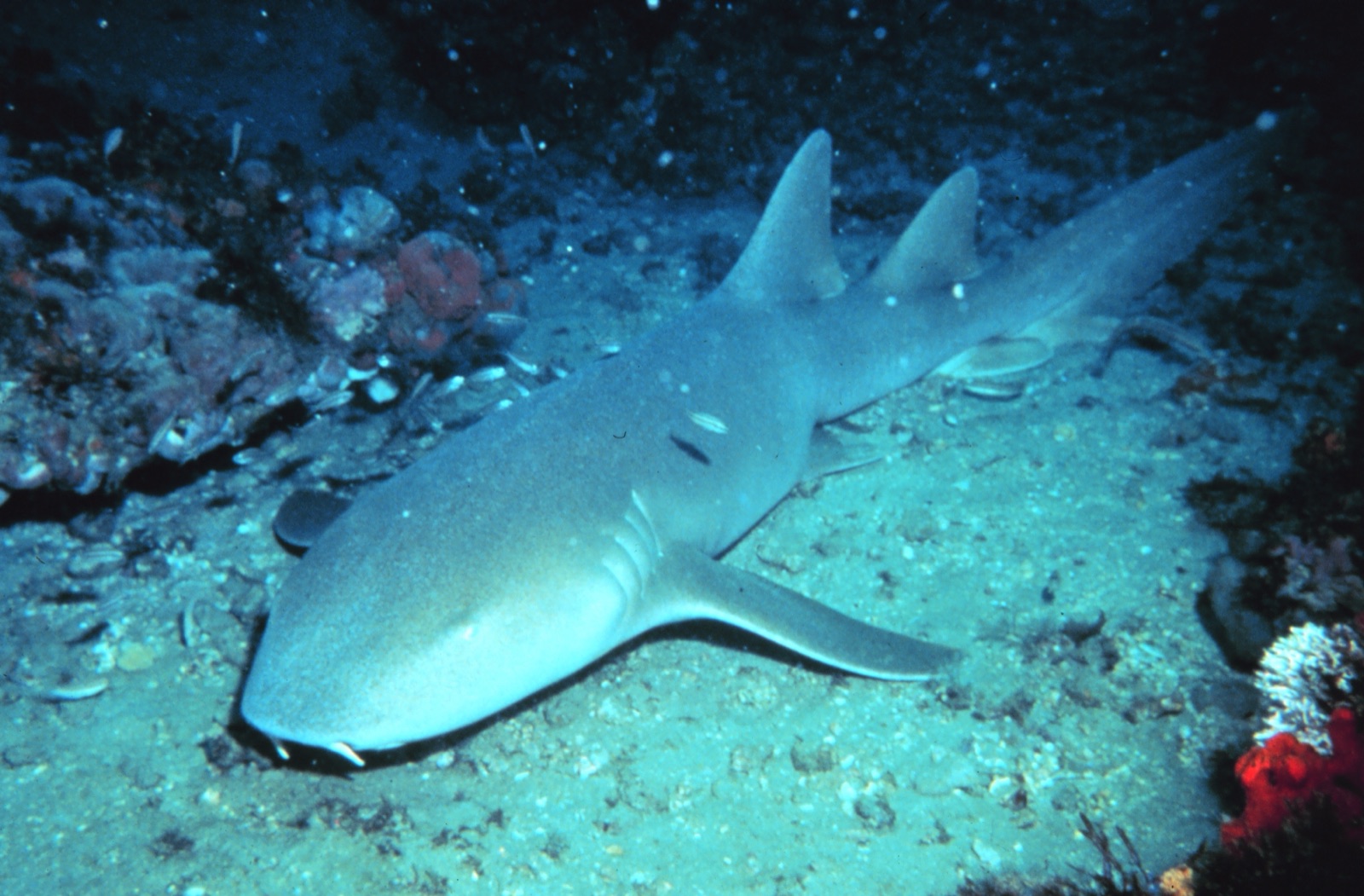
Nurse Shark
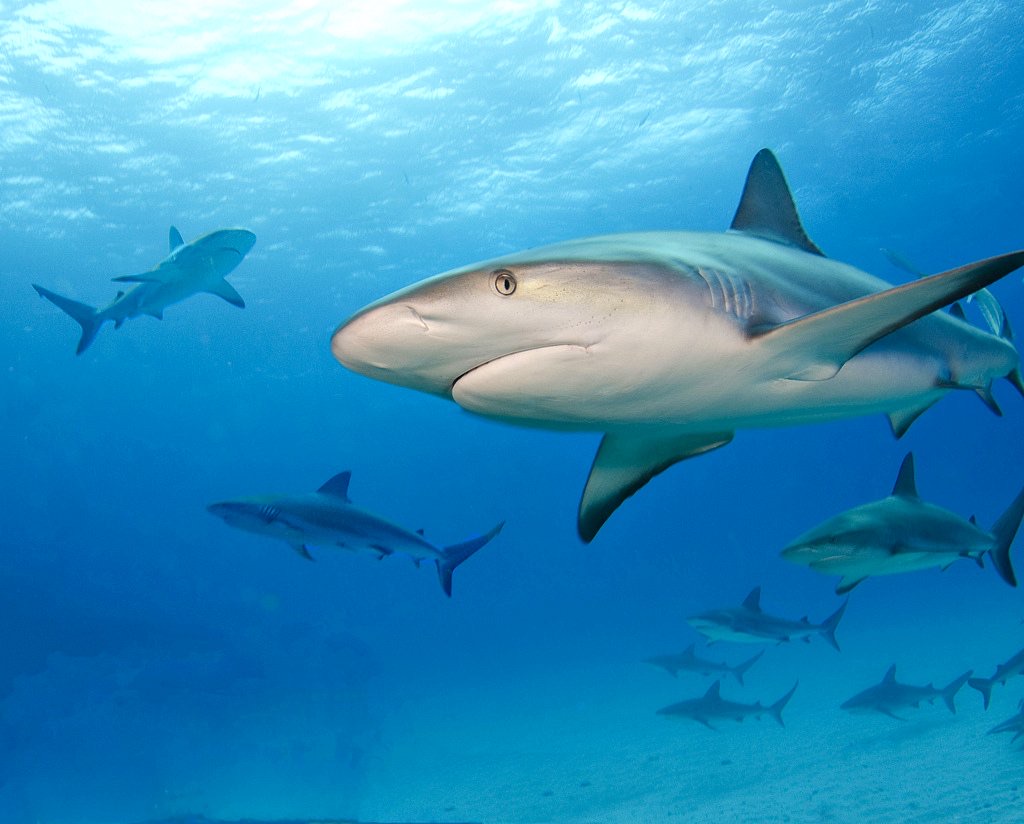
Caribbean Reef Shark
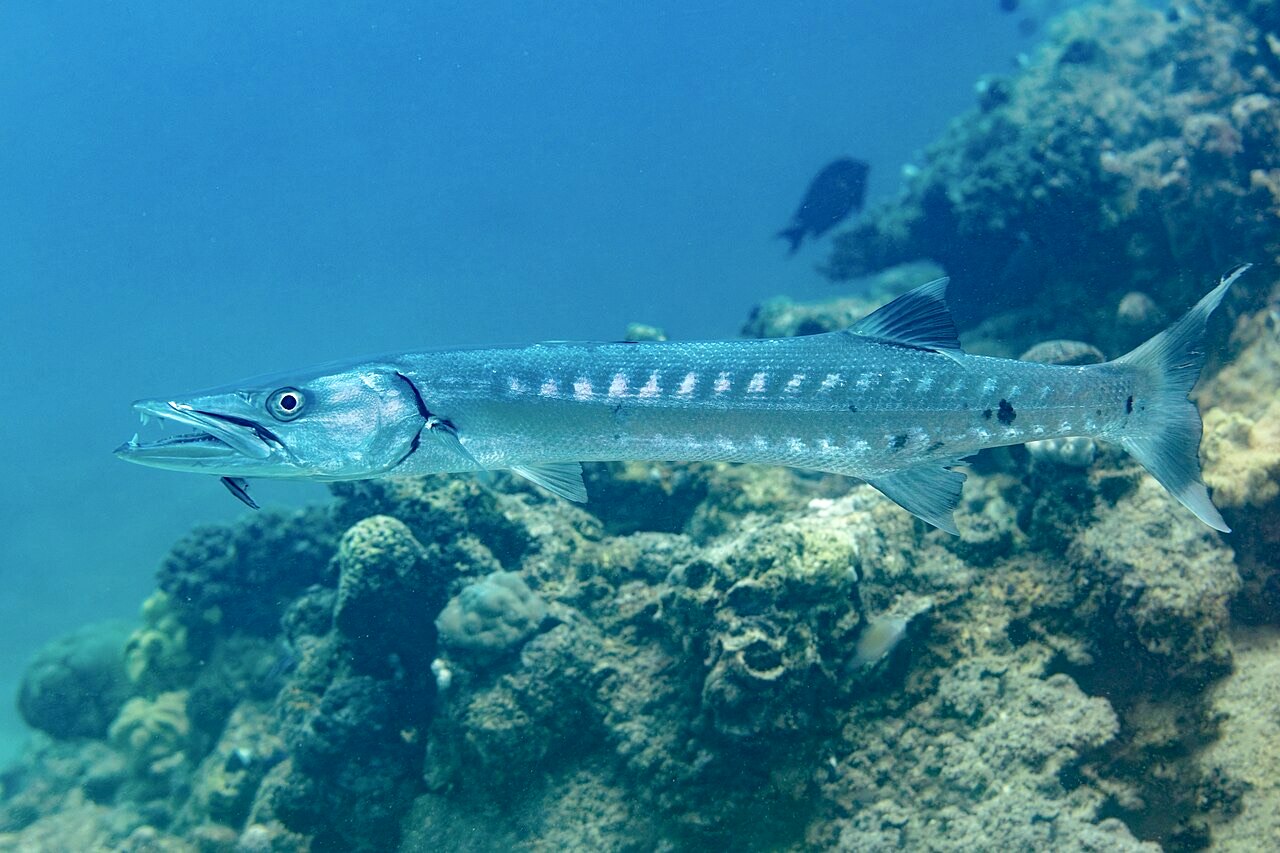
Great Barracuda
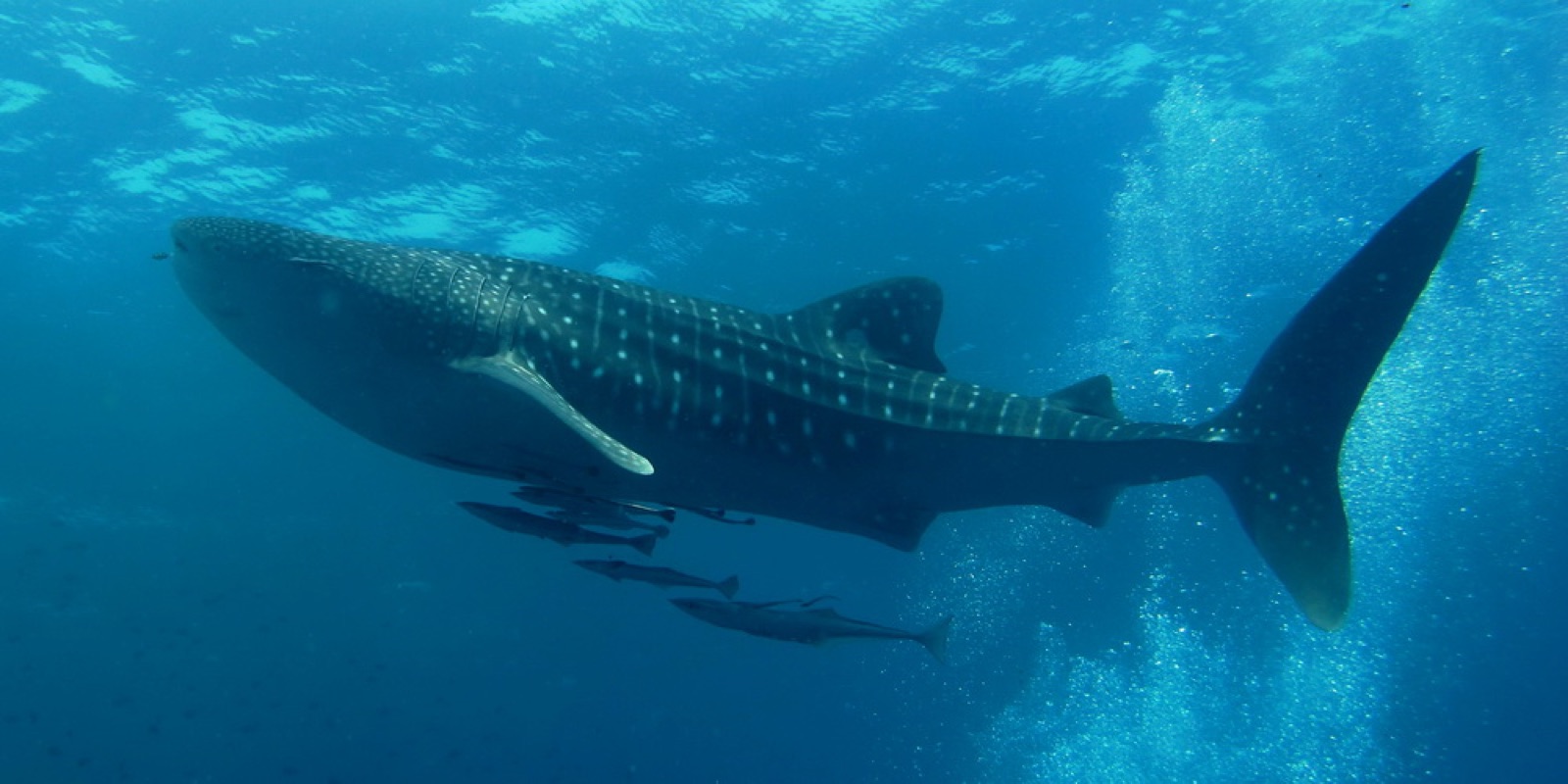
Whale Shark
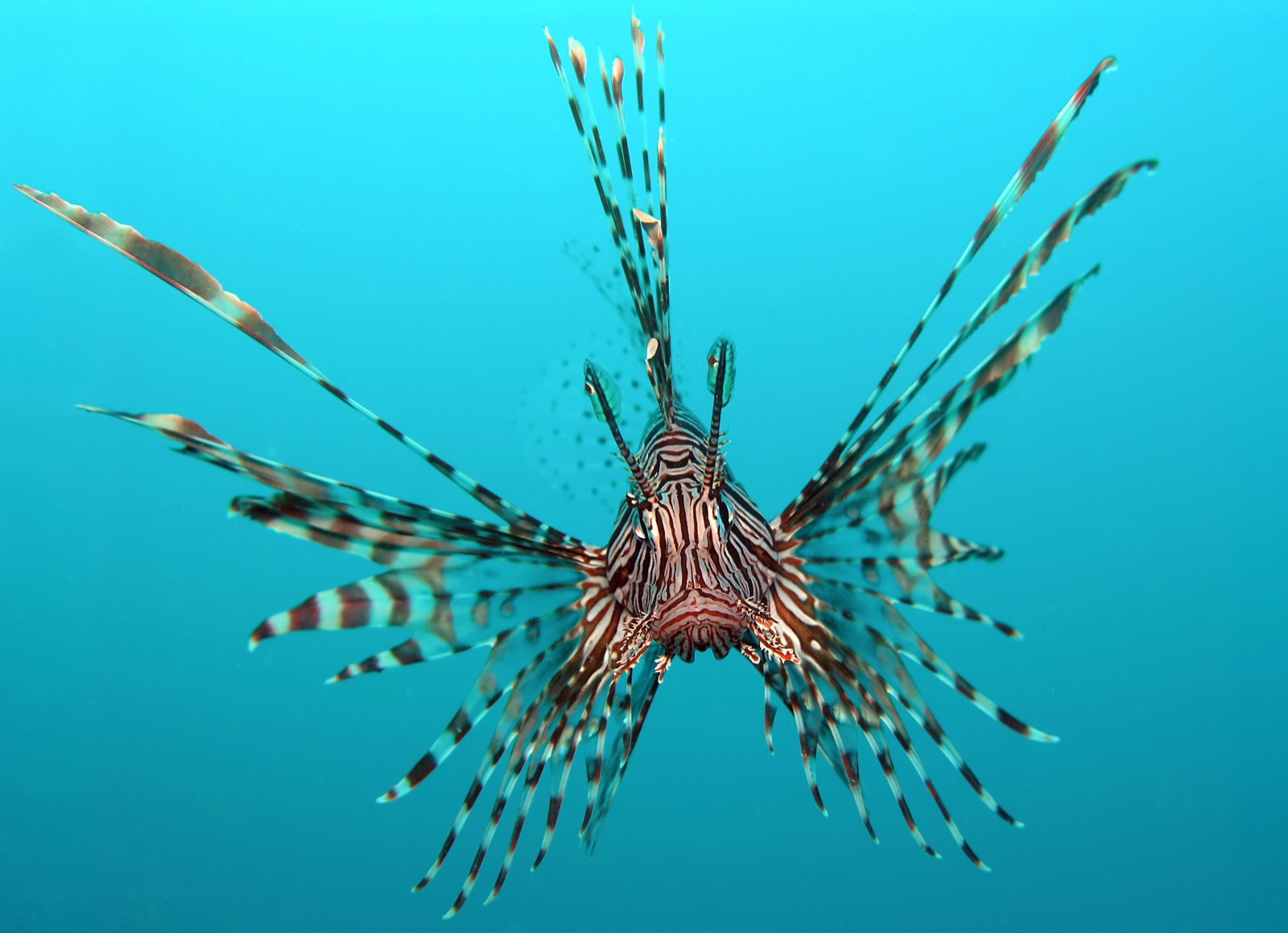
Lionfish
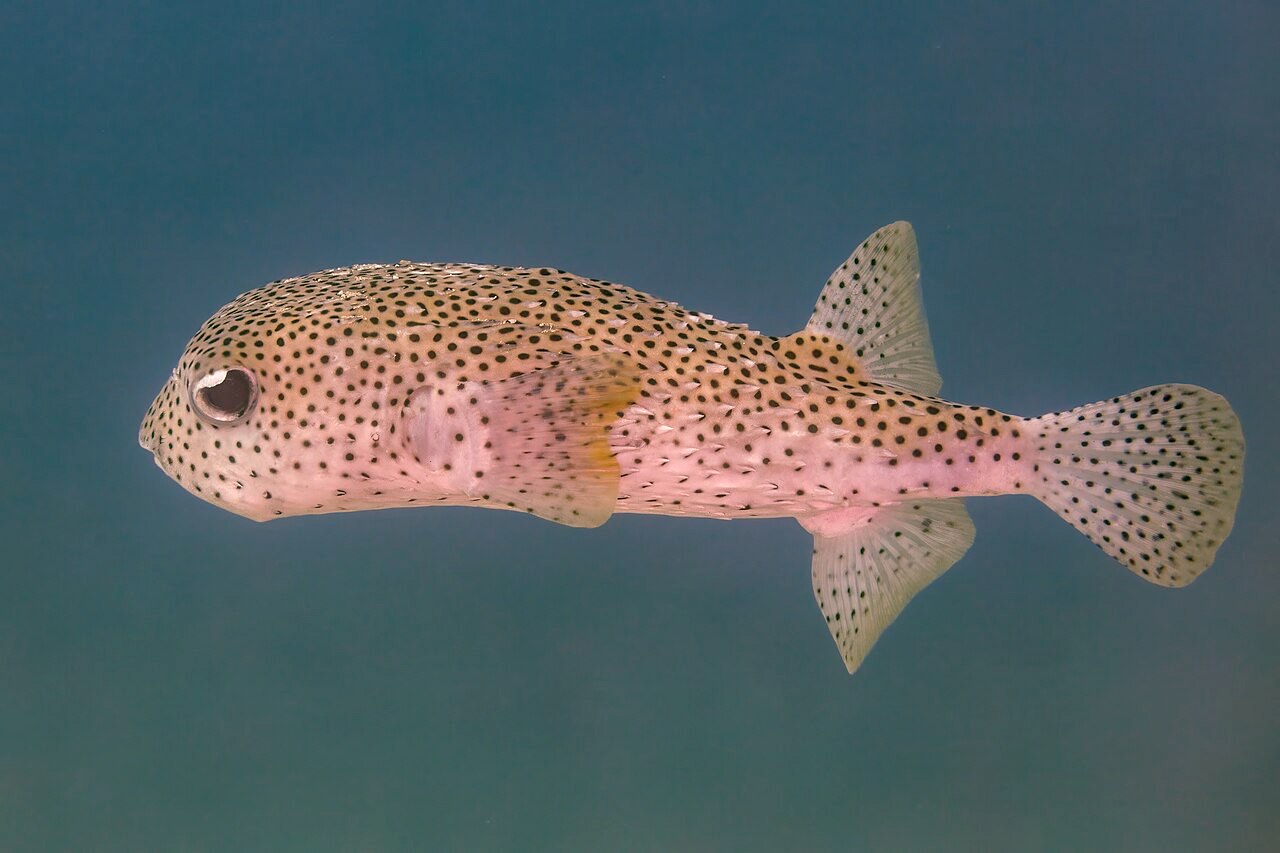
Porcupinefish
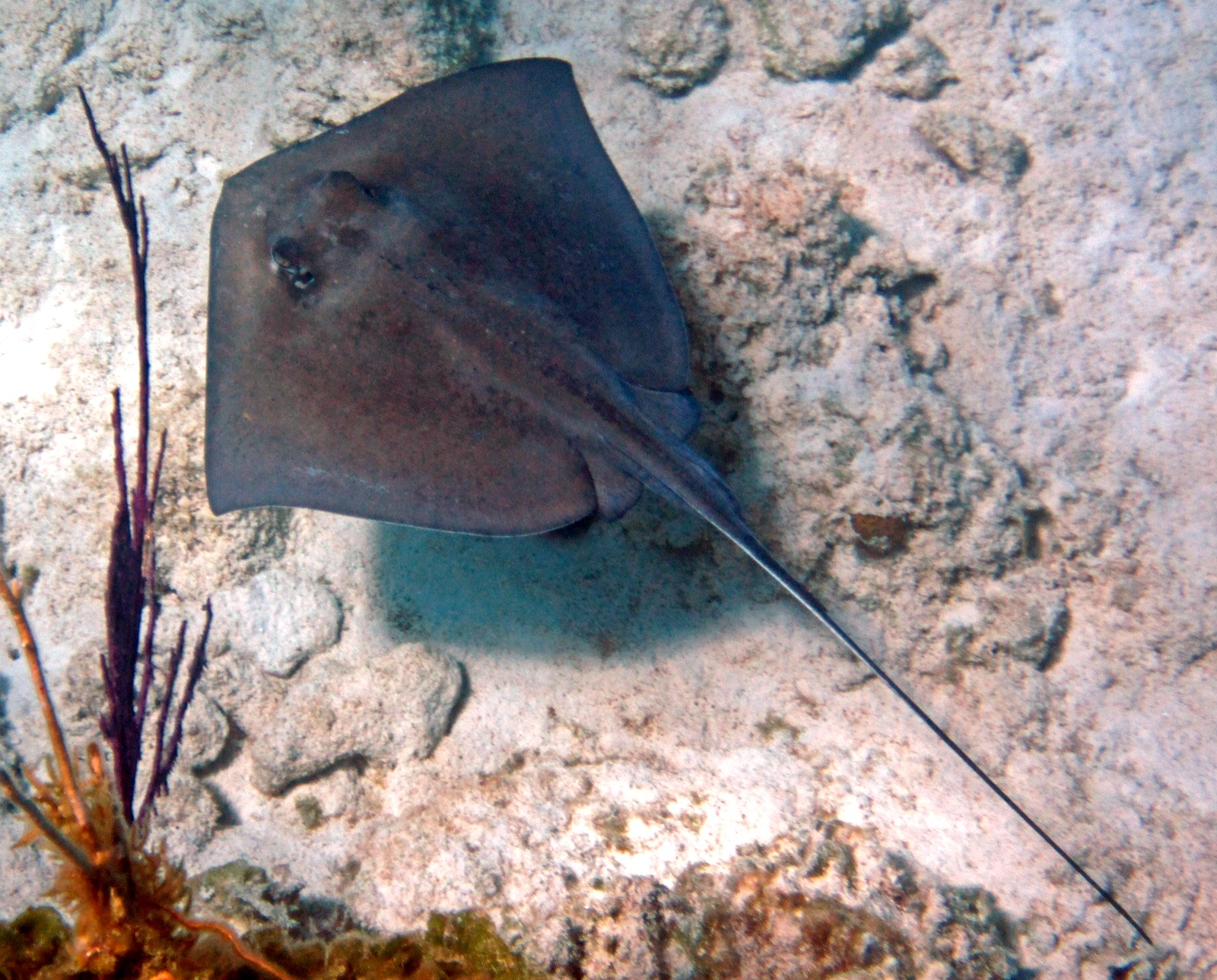
Southern Stingray
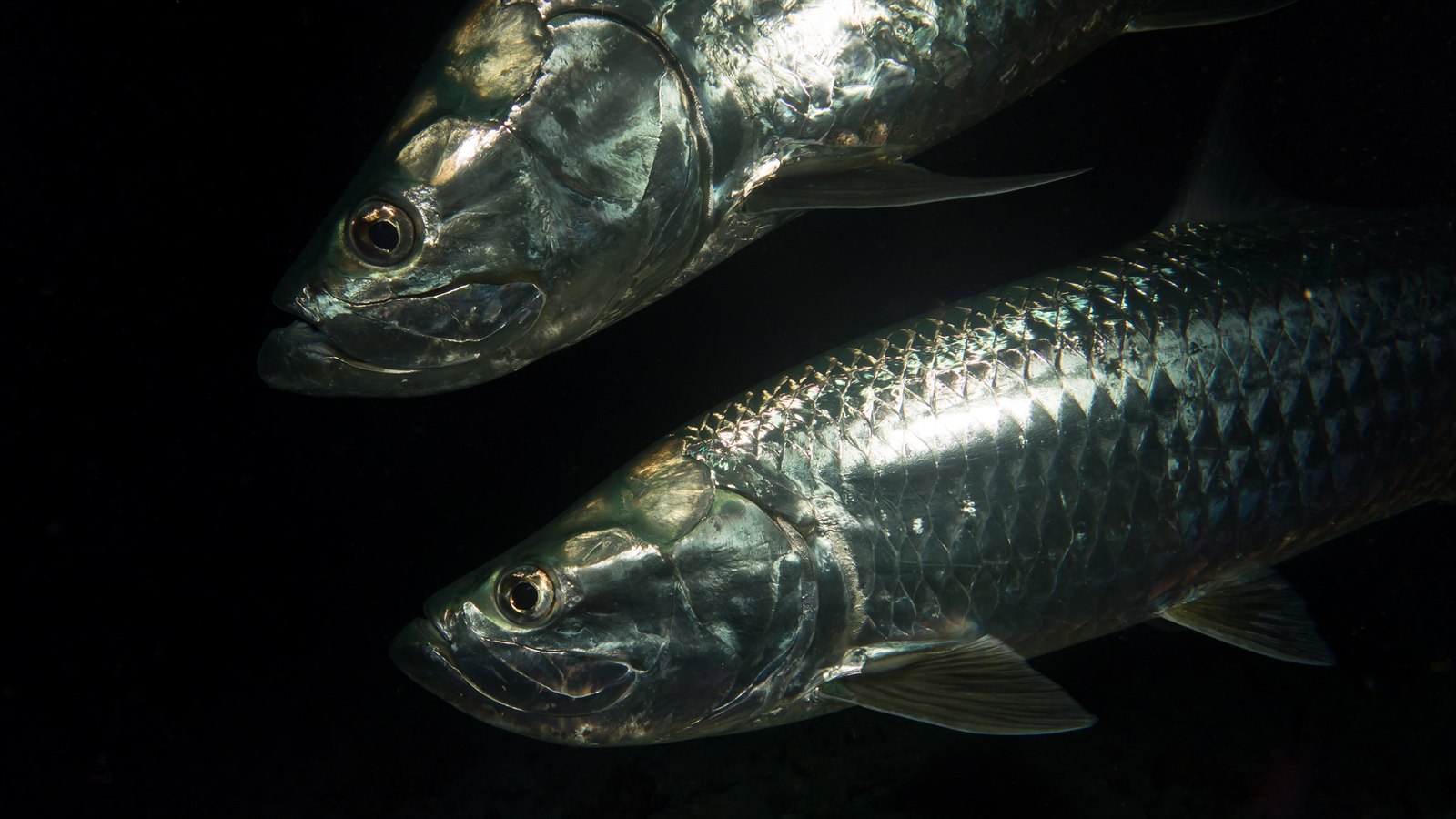
Atlantic Tarpon
Yakınında da kaydedilmiş
"Burada haritalanan" türler, editörlerimiz tarafından bu sayfadaki kaynaklardan listelenmiştir. Sayılar, GBIF kayıt sayılarıdır: 1990'dan itibaren haritalanan konumun yaklaşık 5 km çevresinde kaydedilen ve yalnızca kataloğumuzdaki türlerle eşleştirilen gözlemlerdir. Burada nelerin görüldüğünü gösterirler; neleri göreceğinizin garantisi değildir.
Fotoğrafçılar için
Geniş açı: ★★★☆☆ · Makro: ★☆☆☆☆ (editörlerin her çekim tarzı için bu noktanın sunduğunu 1–5 üzerinden değerlendirmesi)