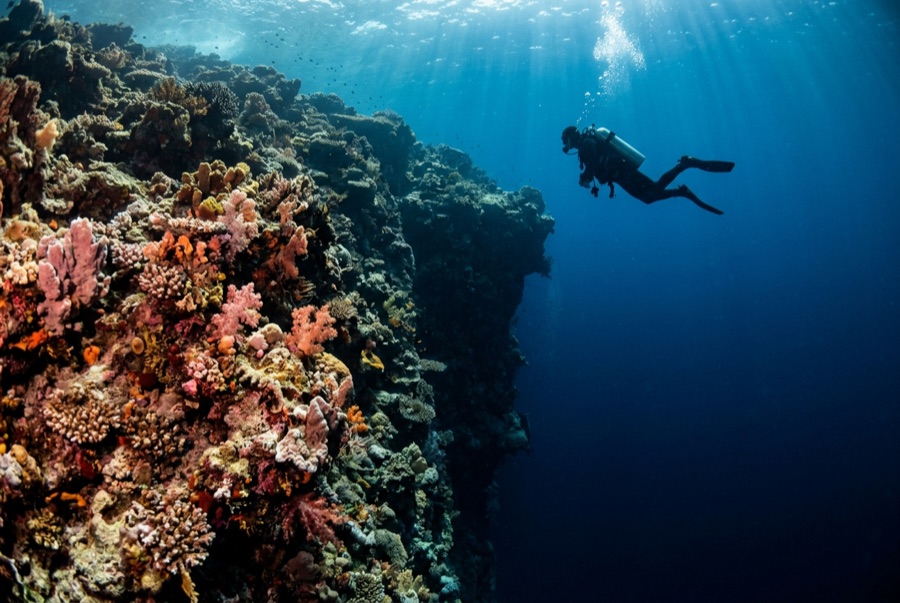
Peleliu Wall
Depth is the range from the top of the site to its usual maximum; "recommended cert" is the mainstream-agency level operators usually ask for, not a legal rule. Currents and visibility change daily, so treat everything here as planning ranges.
Along the southern reef of Peleliu, a plateau starting around 9 m tips over into one of Palau's deepest walls, hung with large sea fans, soft corals, and black coral and split by canyons and crevices. Divers keep the wall on their left and ride the flow at about 25 to 30 m, hooking in when it slackens. Pyramid butterflyfish, bumphead parrotfish, and purple anthias feed on the plateau, and gray reef and whitetip sharks are routine. At the Peleliu Cut end, one visiting writer counted more than 30 gray reef sharks beneath a school of jacks, with a bull shark, tuna, and rainbow runners nearby. Tiger sharks, whale sharks, and marlin are among the occasional visitors operators list for this exposed corner of the island.
The moment you come for: Deep wall dressed in sea fans and black coral; dozens of gray reef sharks at the Cut; bumphead parrotfish on the plateau; chance of large pelagics
Topography: Plateau dropping into a deep wall of sea fans, soft corals, and black coral, cut by canyons and crevices
Current: Usually one-directional along the wall, with counter-currents and down currents near Peleliu Corner.
Entry: About an hour by speedboat from Koror to Peleliu's southern reef; divers drift with the wall on their left, hooking in on the plateau when the flow eases.
Know before you splash
Hazards: Strong current with counter-currents and down currents toward the corner; easy to slip past 30 m on the wall; carry a surface marker buoy and stay with the guide.
Who you'll meet
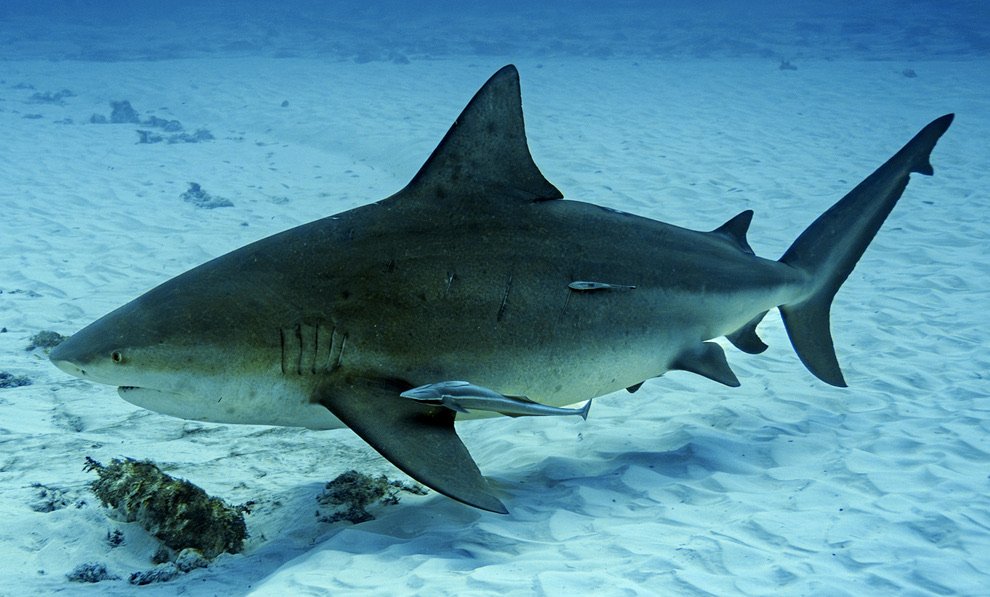
Bull Shark
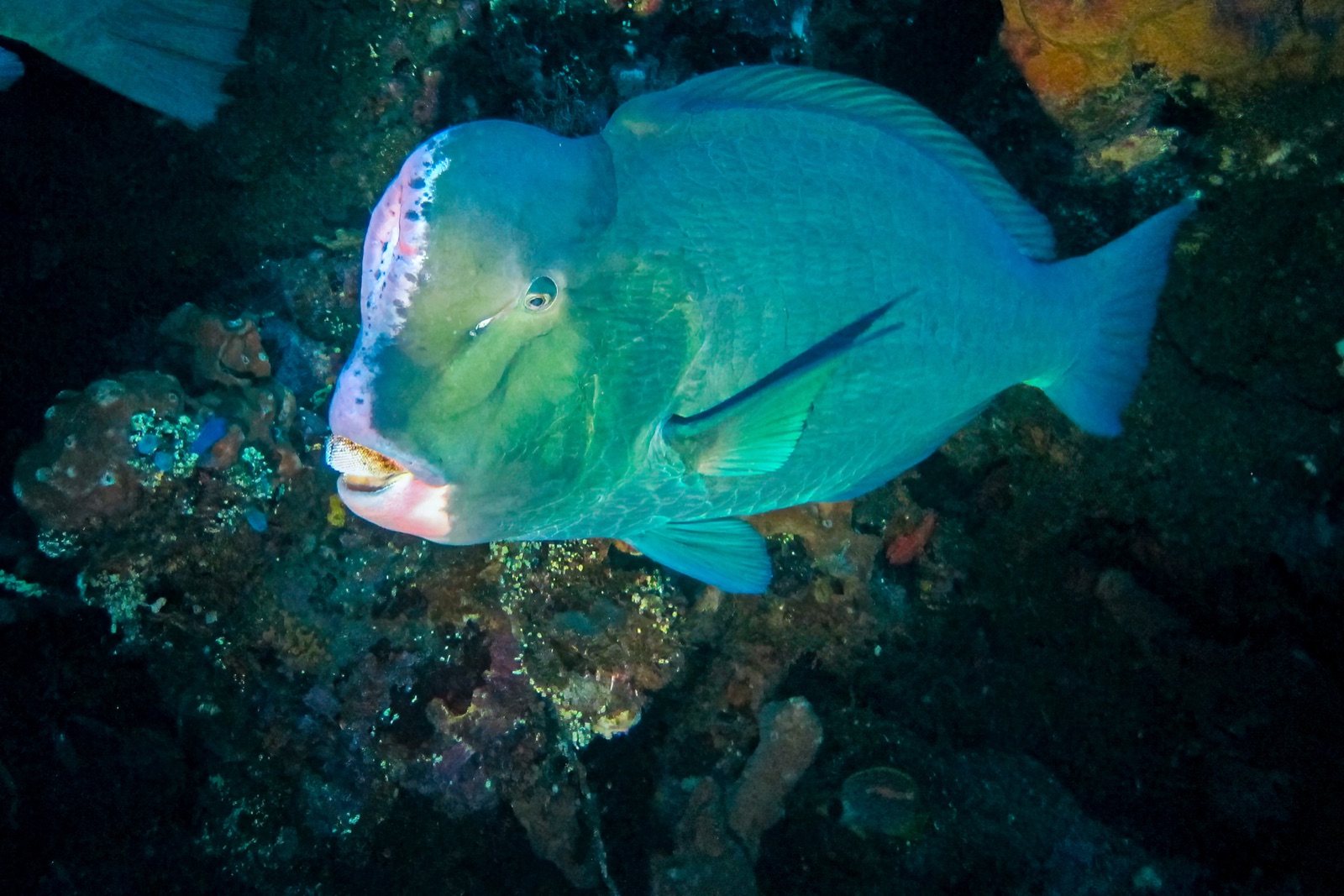
Bumphead Parrotfish
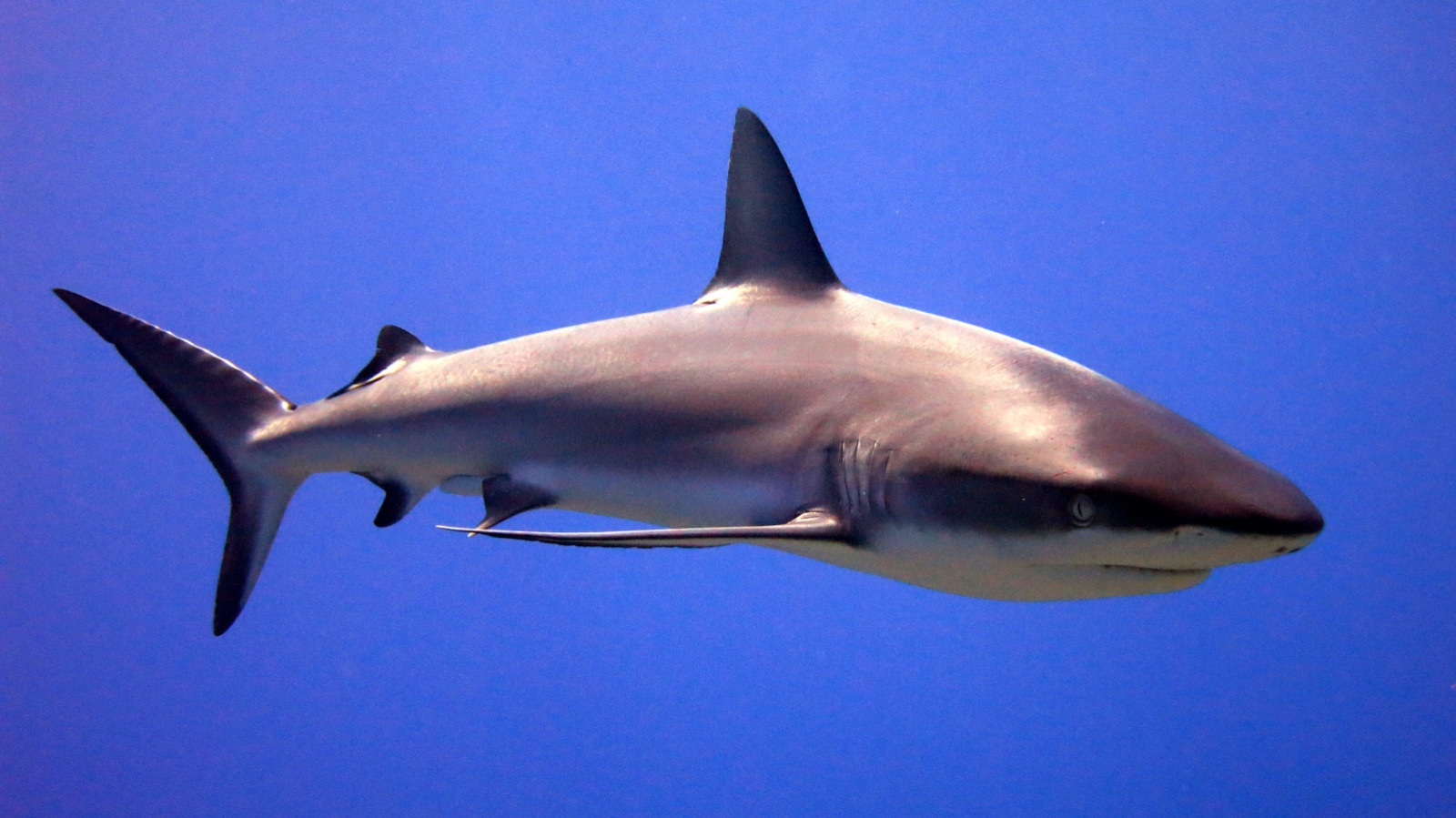
Grey Reef Shark
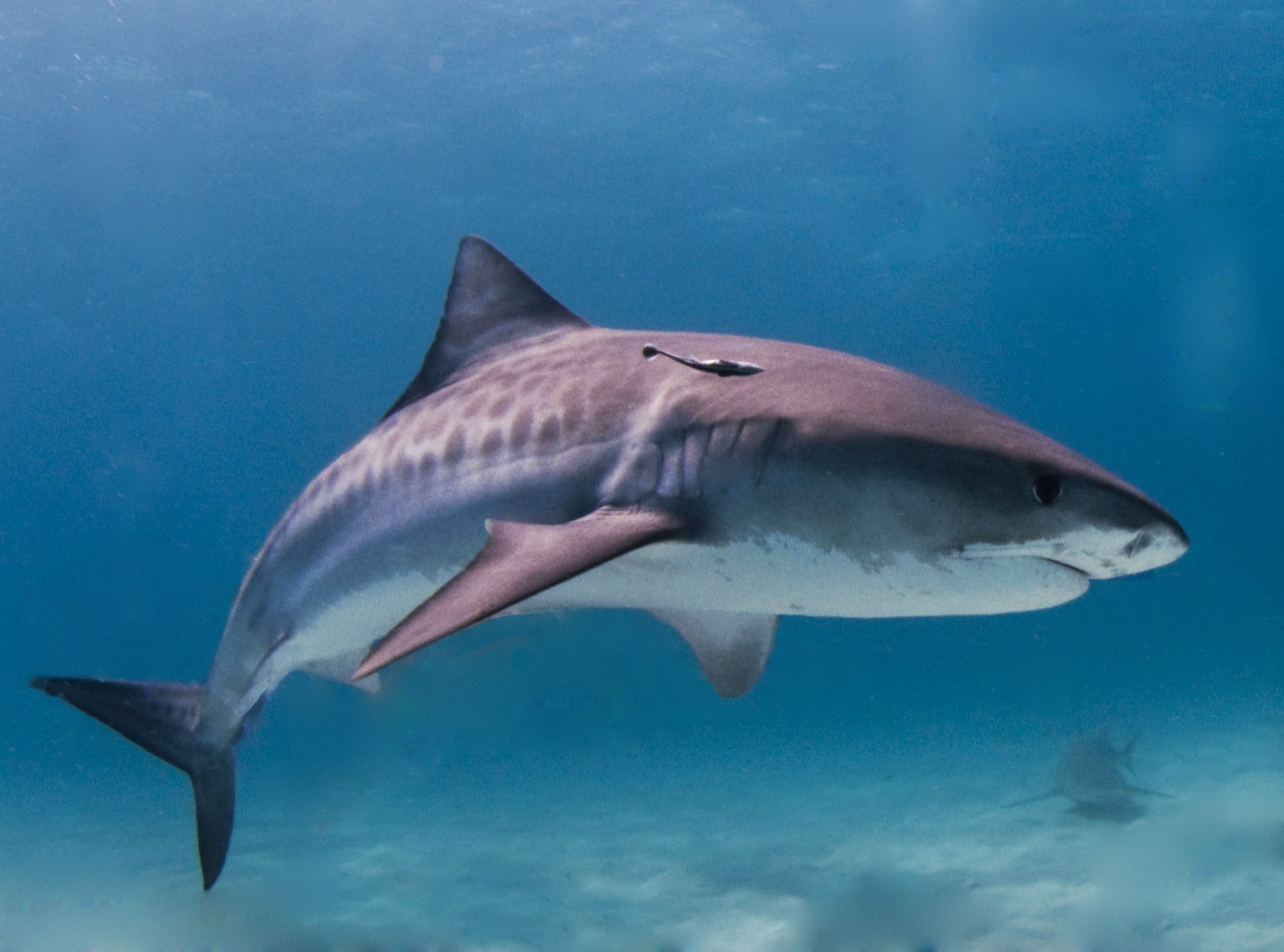
Tiger Shark
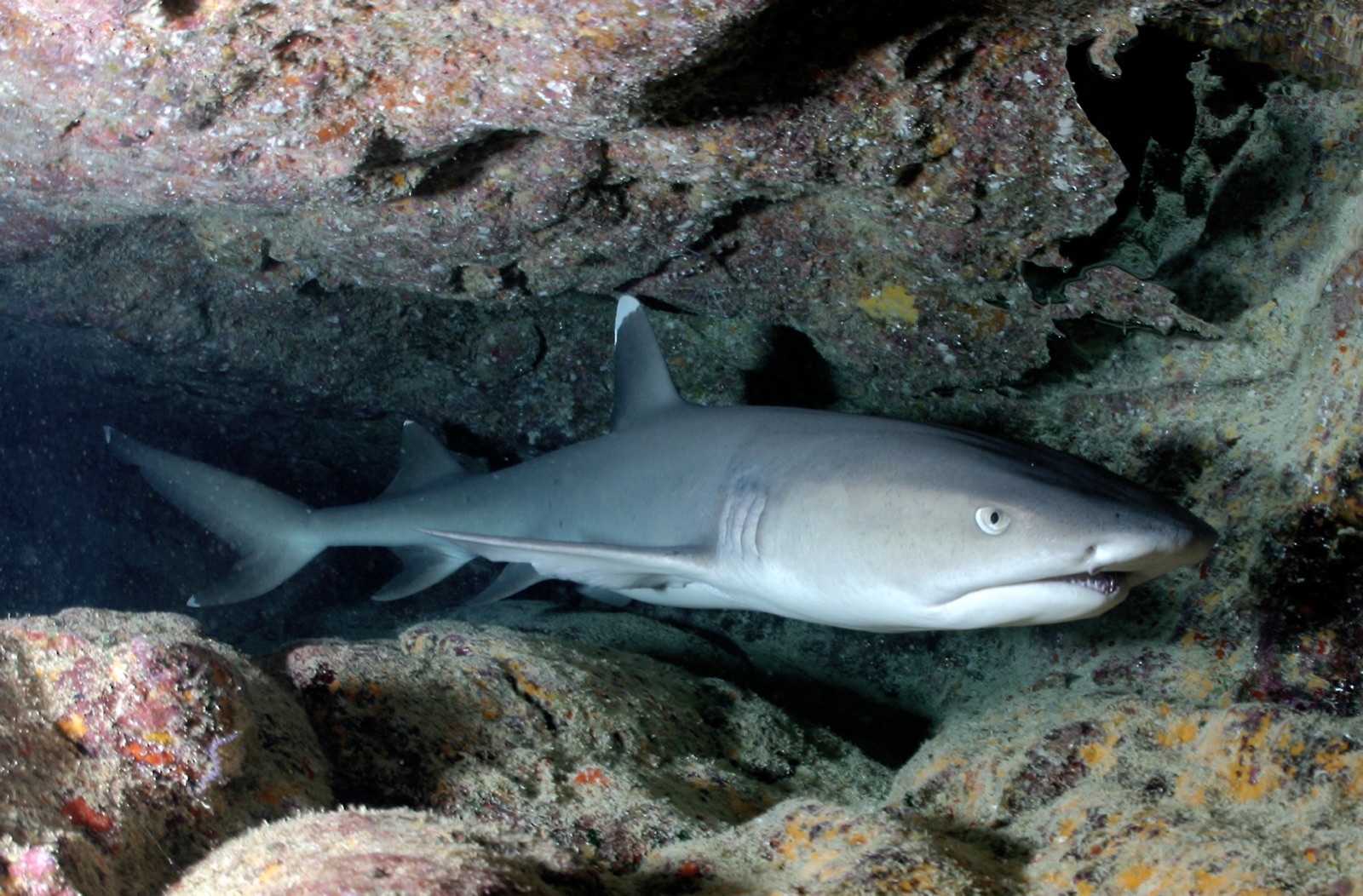
Whitetip Reef Shark
"Charted here" species were listed by our editors from the sources on this page. Counts are GBIF occurrence records: observations logged within about 5 km of the charted position since 1990, matched only against the species in our catalogue. They show what has been seen there, not a promise of what you will see.