Anchor Point
Depth is the range from the top of the site to its usual maximum; "recommended cert" is the mainstream-agency level operators usually ask for, not a legal rule. Currents and visibility change daily, so treat everything here as planning ranges.
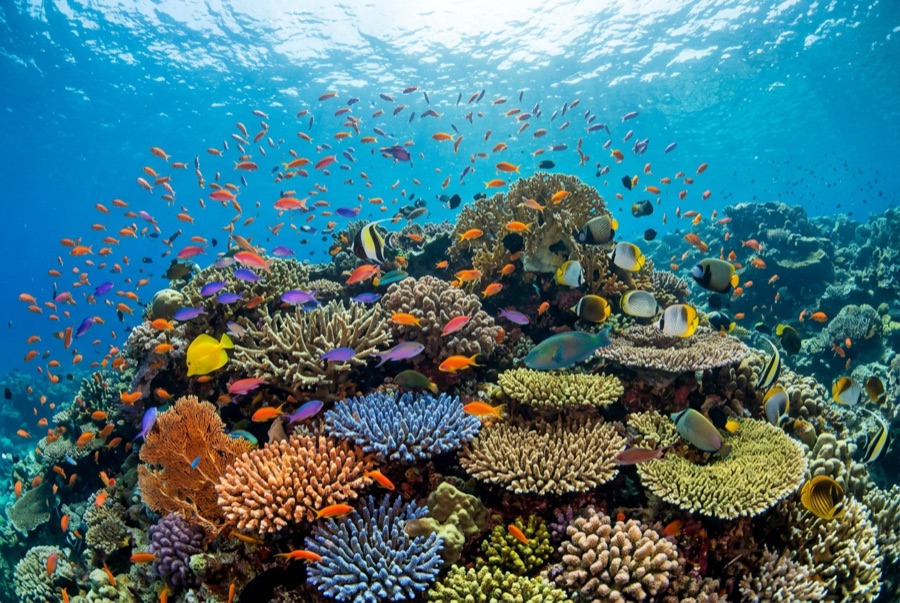
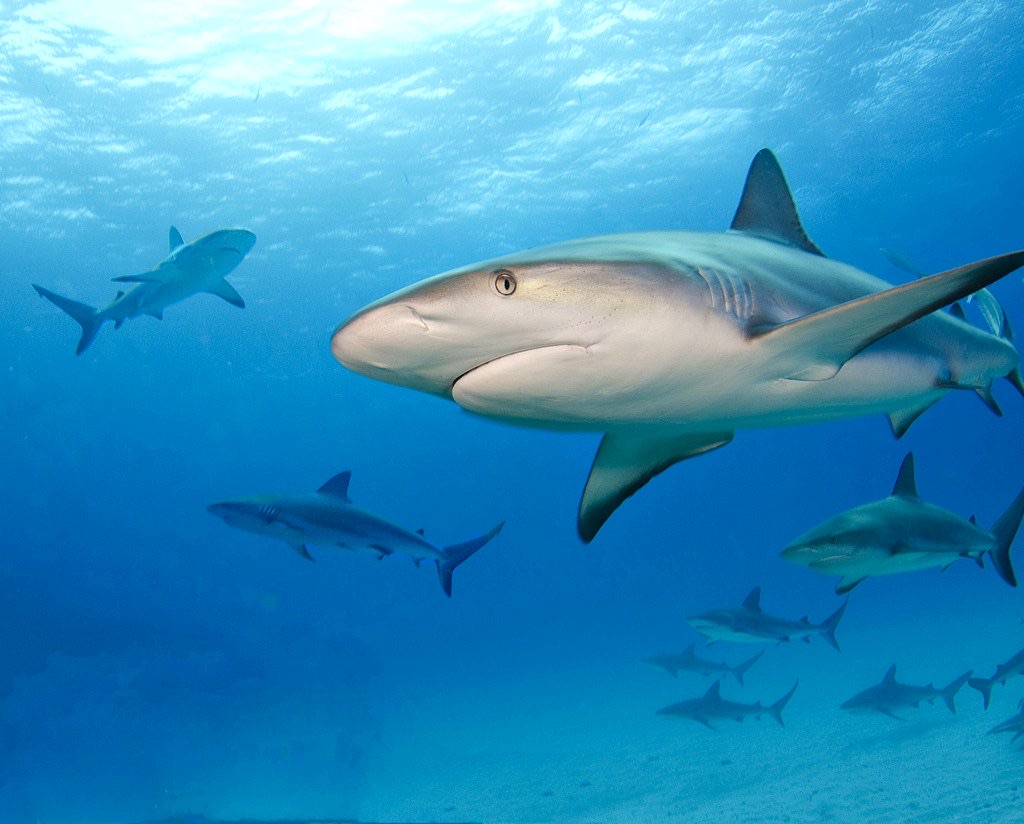
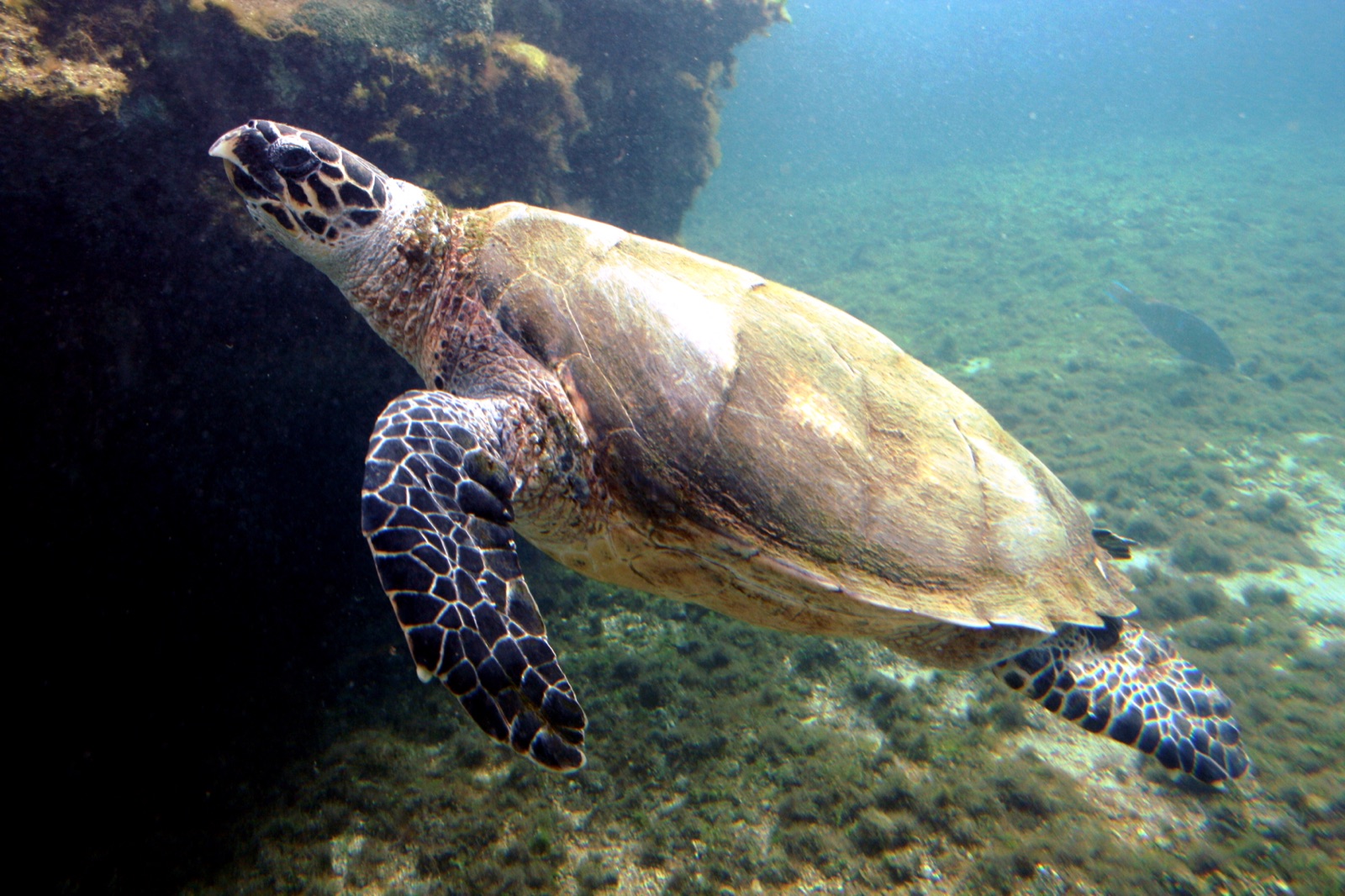
A big French anchor from about 1750 to 1775 snagged in this reef off the southwest coast, and today it is so overgrown with fans and sponges that it ranks among the finest of the roughly 200 old anchors around the island. Divers reach it after a short swim-through topped by a Spanish hogfish cleaning station. Further on, the reef opens into an amphitheater of cracks and overhangs where drumfish and lobsters live. Above, giant barrel sponges and tube sponges form a forest among several kinds of coral, and the reef walls are packed with lobsters and schooling fish. Caribbean reef sharks patrol, several moray species are common, the secretive sharptail eel turns up now and then, and hawksbill turtles cruise past.
The moment you come for: Coral-covered French anchor from the 1700s; barrel sponge forest; Caribbean reef sharks
Topography: Reef with a swim-through, cracks and overhangs, topped by barrel and tube sponges
Entry: Boat dive off the southwest coast; the park map shows three moorings (north, south and west).
Know before you splash
Hazards: Swim-through: keep fins clear of the coral. Artifacts are protected and must not be touched.
Who you'll meet
"Charted here" species were listed by our editors from the sources on this page. Counts are GBIF occurrence records: observations logged within about 5 km of the charted position since 1990, matched only against the species in our catalogue. They show what has been seen there, not a promise of what you will see.