Carbonero
العمق هو المدى من أعلى الموقع إلى الحد الأقصى المعتاد، و"الشهادة الموصى بها" هي المستوى الذي تطلبه الوكالات الكبرى في الغالب، لا قاعدة قانونية. التيارات والرؤية تتغير يومياً، فاعتبر كل ما هنا مدى تخطيطياً.
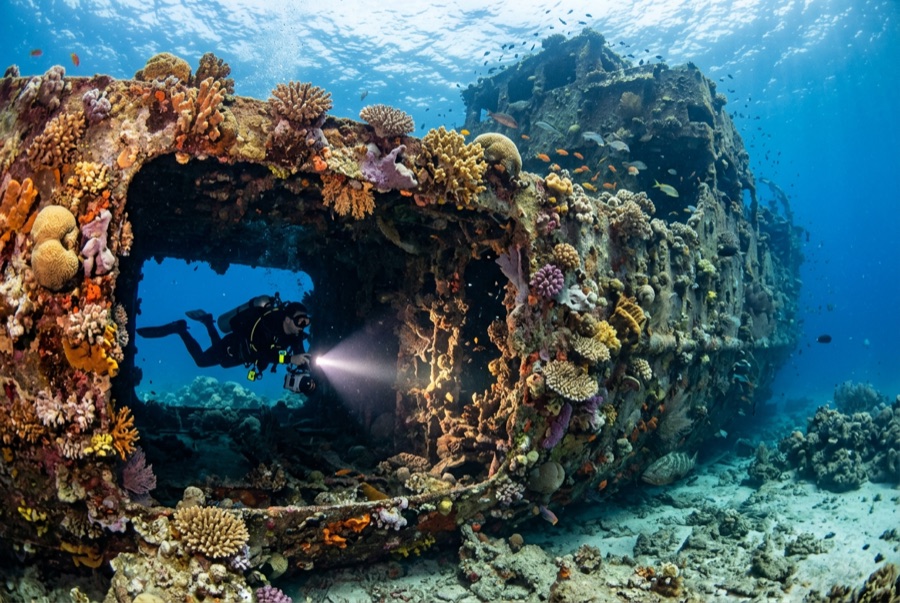
The Carbonero is a coal-carrying steamer, launched as the Thordisa and later renamed Lilla, that a German U-boat torpedoed on 13 October 1917 about five miles off Cabo de Palos. The torpedo struck amidships and broke her in two, yet she rests more or less upright on sand at about 45 m, with the superstructure rising to around 32 to 35 m. Published lengths vary from about 88 m to 120 m. The hull is thickly overgrown and holds amberjack, dentex, conger eels, lobsters, hake and red scorpionfish, with ocean sunfish an occasional visitor. Fine silt lies near the seabed and can cut visibility quickly, so good finning technique pays off.
اللحظة التي جئت من أجلها: First World War coal steamer broken in two; thick growth with congers and lobsters; occasional ocean sunfish
التضاريس: Coal steamer broken amidships, resting roughly upright on sand
نقطة الدخول: Boat dive about five miles off Cabo de Palos, descending a shot line dropped onto the wreck.
اعرف قبل أن تقفز في الماء
المخاطر: Depth to 45 m with decompression likely; silt that reduces visibility near the bottom; a shot line that can drift off the wreck if the boat is moving; overhead areas inside.
نيتروكس: يستحق الأمر هنا: الملفات الشخصية تقع في النطاق الذي يُمدّد فيه الهواء المدعّم (نيتروكس) وقت الغوص دون توقف تمديدًا ملموسًا، مع التدريب اللازم لاستخدامه.
من ستلتقي
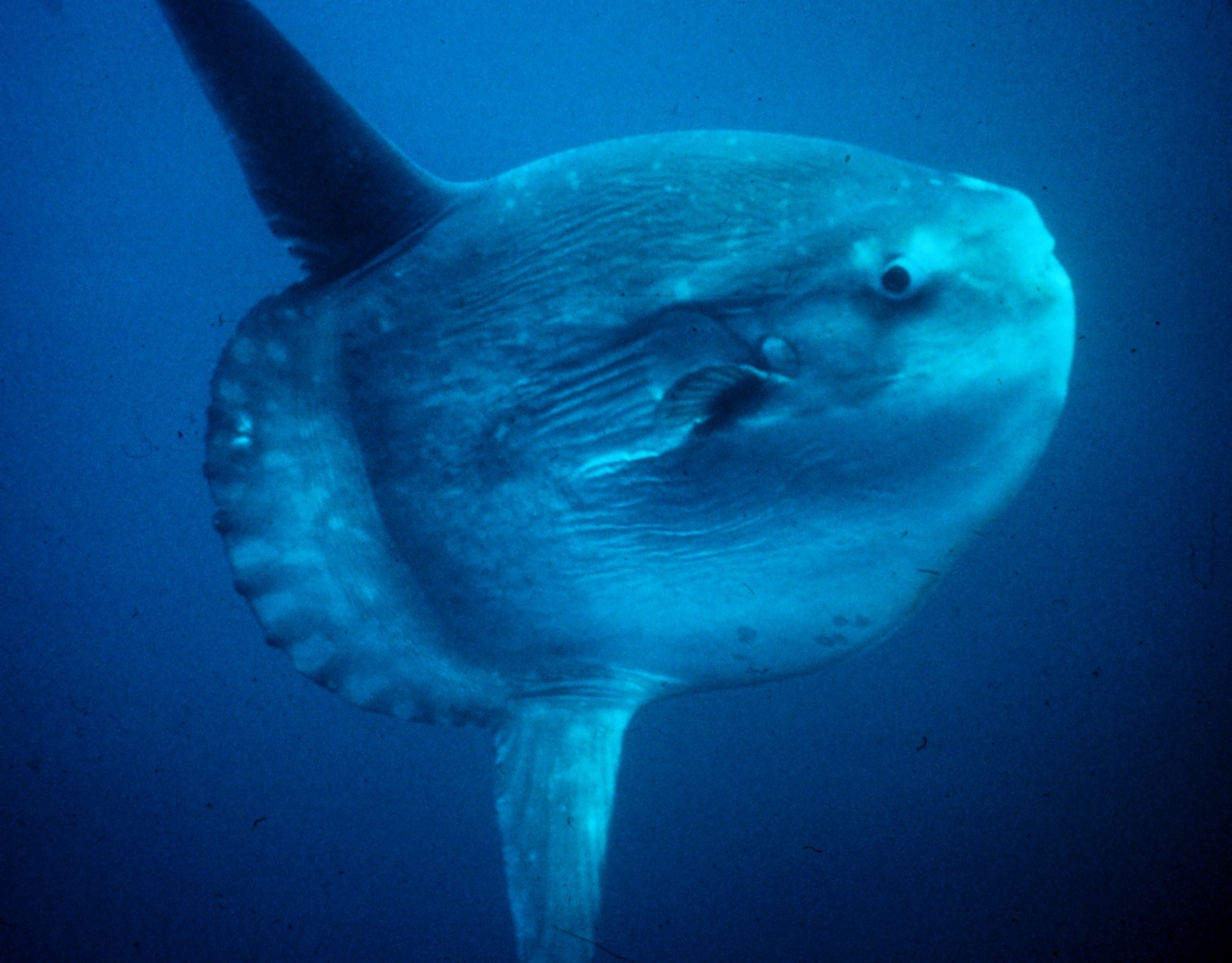
أنواع "مُرسَّمة هنا" أدرجها محرّرونا من المصادر الواردة في هذه الصفحة. الأعداد هي سجلات ظهور GBIF: مشاهدات مُسجَّلة في نطاق نحو 5 كم من الموضع المُرسَّم منذ عام 1990، ومُطابَقة فقط مع الأنواع الموجودة في فهرسنا. وهي تُظهر ما شوهد هناك، لا وعدًا بما ستراه.