Las Palmas
Depth is the range from the top of the site to its usual maximum; "recommended cert" is the mainstream-agency level operators usually ask for, not a legal rule. Currents and visibility change daily, so treat everything here as planning ranges.
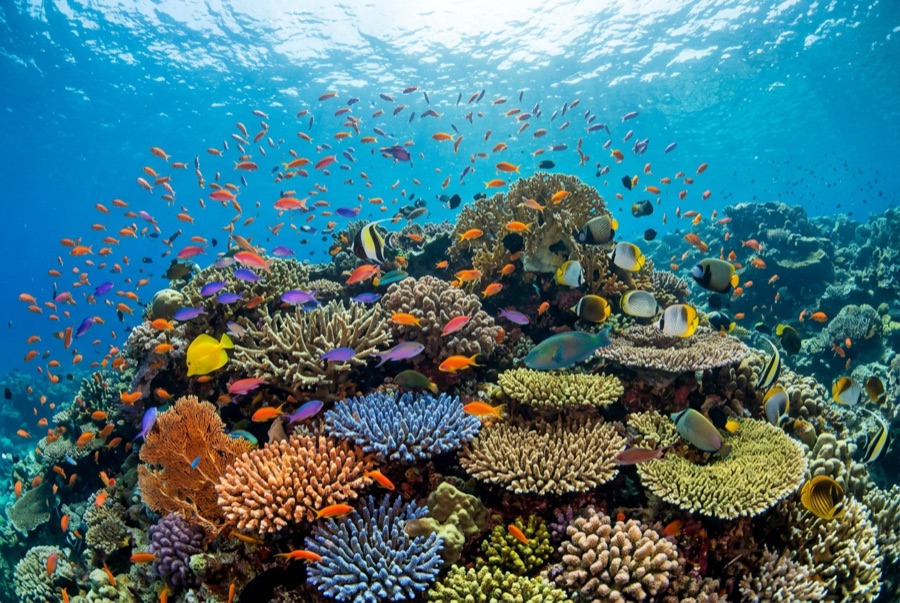
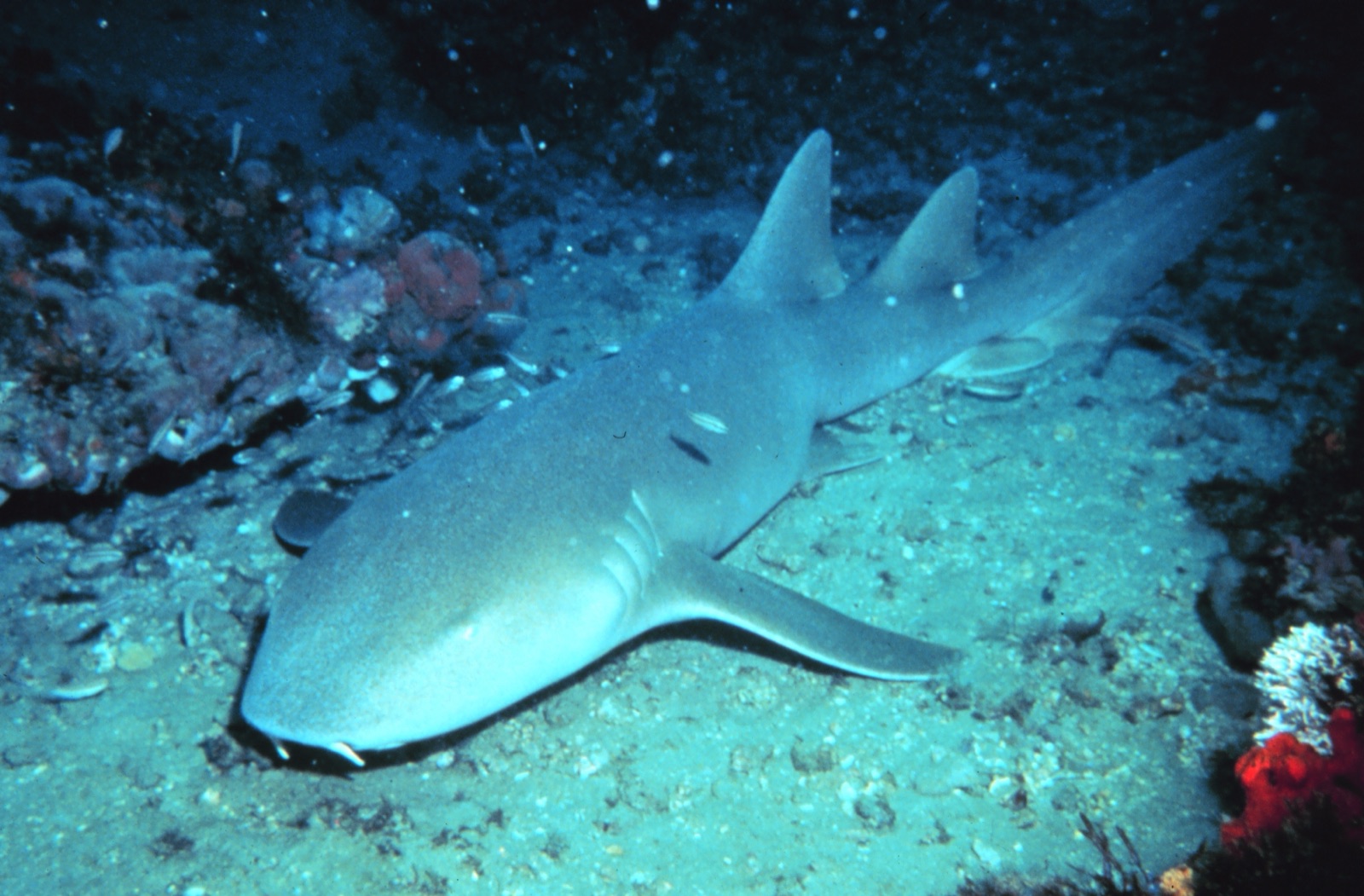
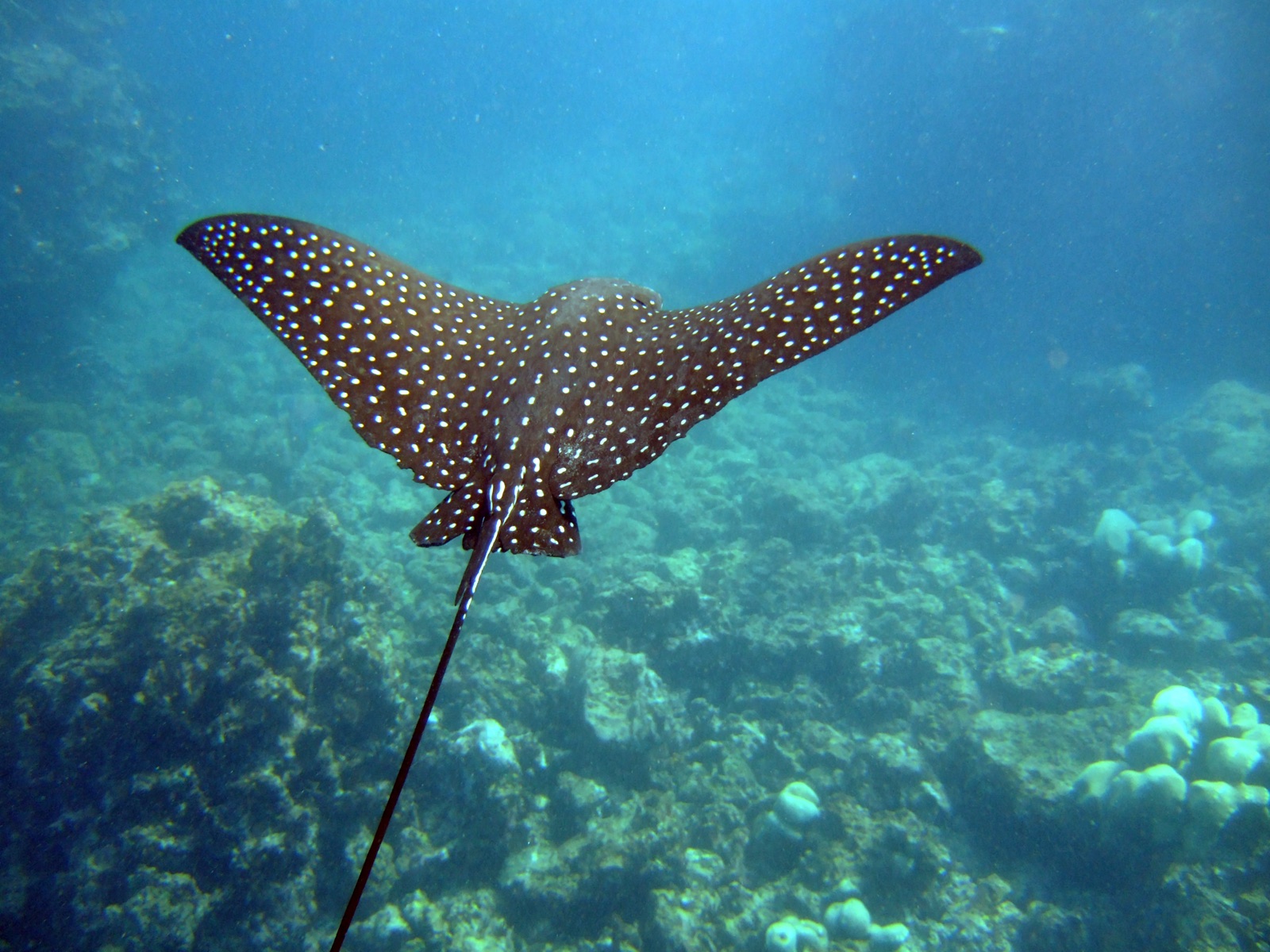
Las Palmas has two levels: a spread of separate coral heads between about 15 and 21 m, and below them a sloping drop-off that keeps falling past 30 m. Most groups stay among the heads, near 15 m, where brain corals, rope sponges and rough tube sponges hold lobsters, squirrelfish, honeycomb cowfish, parrotfish and splendid toadfish. Queen angelfish are often seen in pairs, eagle rays cruise the edge, and nurse sharks and turtles round out the list. The current is usually gentle but can switch direction, so guides brief a plan for both.
The moment you come for: Coral heads with brain coral and rope sponges; queen angelfish pairs; eagle rays along the drop-off
Topography: Scattered coral heads at 15 to 21 m above a slope that drops off past 30 m
Current: Light to moderate, but it can change direction during the dive.
Entry: Usually a second boat dive among the coral heads at about 15 m, above a sloping drop-off.
Know before you splash
Hazards: The drop-off invites going deeper than planned; current can reverse during the dive.
Who you'll meet
"Charted here" species were listed by our editors from the sources on this page. Counts are GBIF occurrence records: observations logged within about 5 km of the charted position since 1990, matched only against the species in our catalogue. They show what has been seen there, not a promise of what you will see.