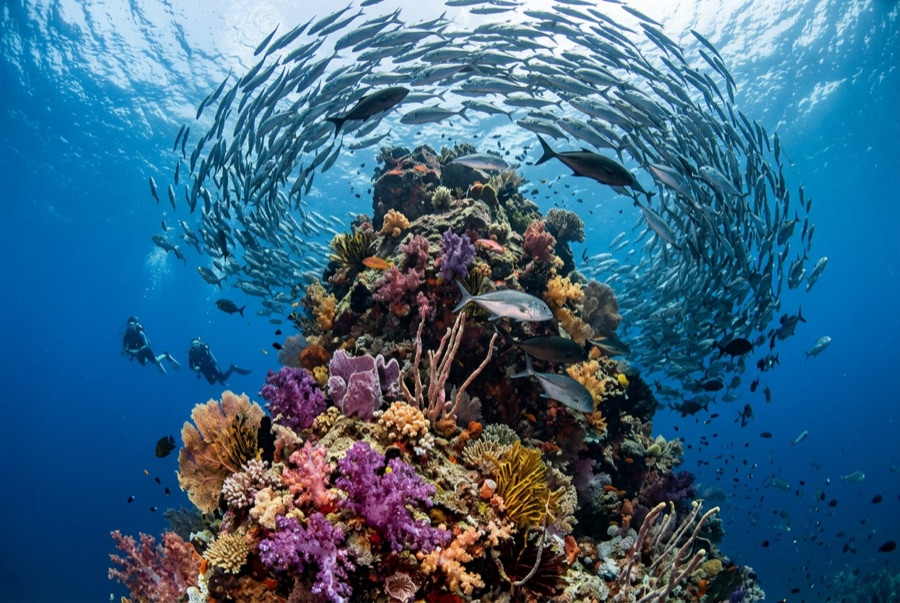
Osaki Minokasago Palace
Depth is the range from the top of the site to its usual maximum; "recommended cert" is the mainstream-agency level operators usually ask for, not a legal rule. Currents and visibility change daily, so treat everything here as planning ranges.
Minokasago is Japanese for lionfish, and they are the draw at this Osaki site. An offshore rock rises from about 28 to 30 m and stays wrapped all year in glassy cardinalfish and pygmy sweepers, and the small fish pull in lionfish in numbers to hunt around it, which makes the rock a favorite with photographers. Guides take only divers with some experience out to that deep rock. Closer in, shallower coral heads give blennies and nudibranchs, a leaf scorpionfish has been a long-term resident, garden eels rise from the sand, and dancing shrimpgobies hover beside the heads.
The moment you come for: Lionfish hunting in clouds of cardinalfish and sweepers; garden eels; leaf scorpionfish and nudibranchs in the shallows
Topography: Offshore rock rising from 28 to 30 m, with shallower coral heads and sand closer to the reef
Know before you splash
Hazards: The base of the rock is close to 30 m, so plan gas and no-decompression time; keep clear of lionfish spines while photographing.
Who you'll meet
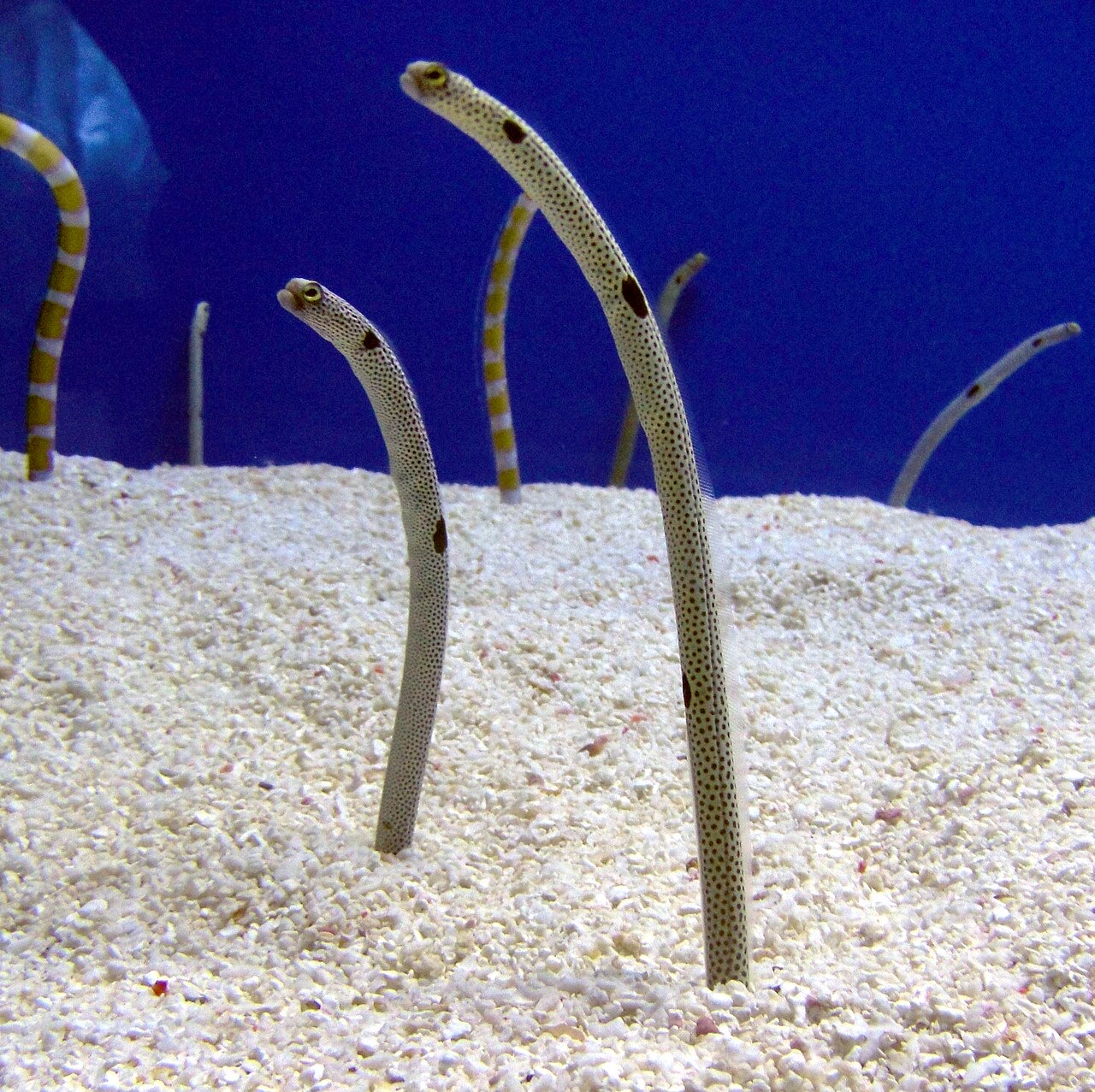
Garden Eel
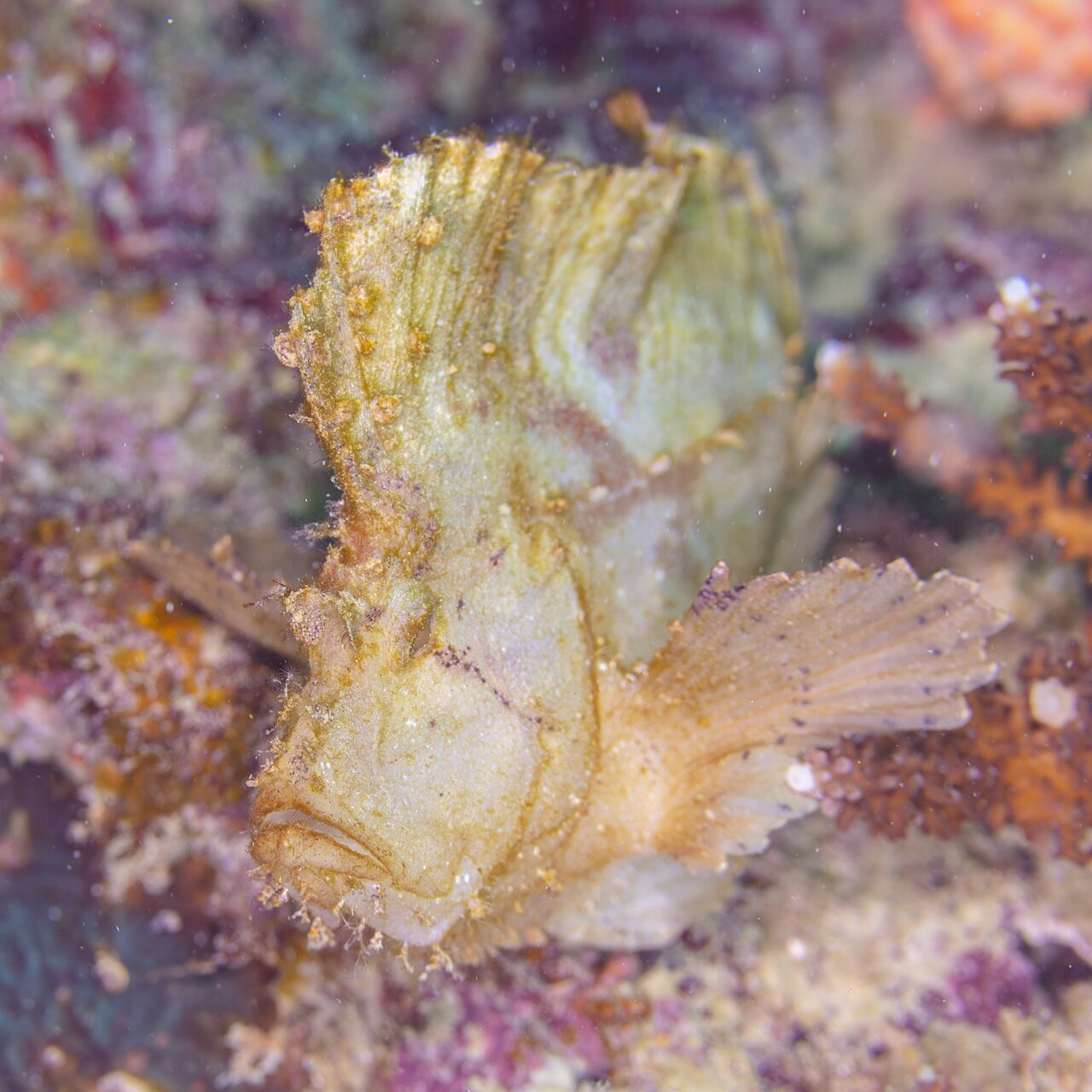
Leaf Scorpionfish
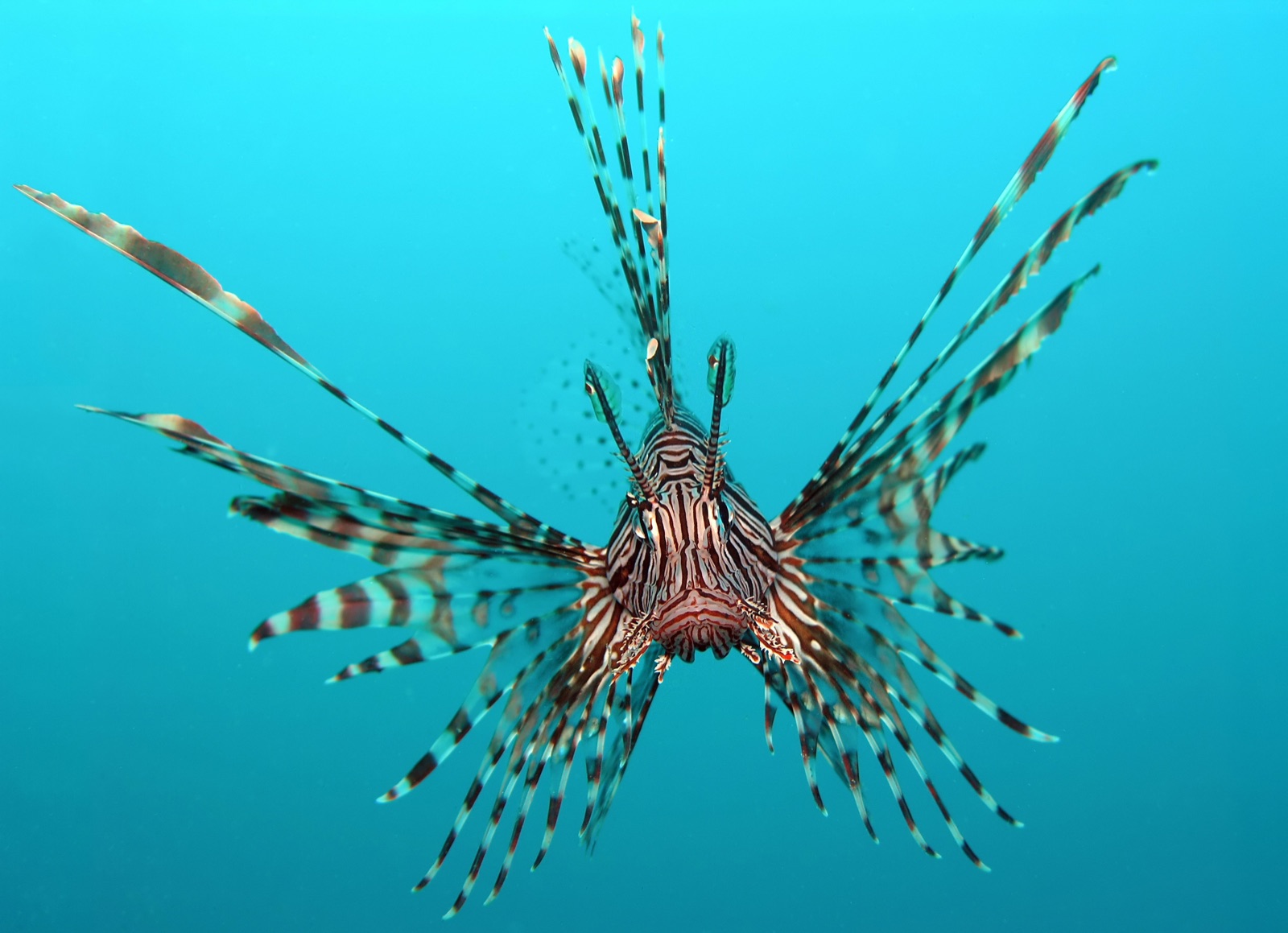
Lionfish
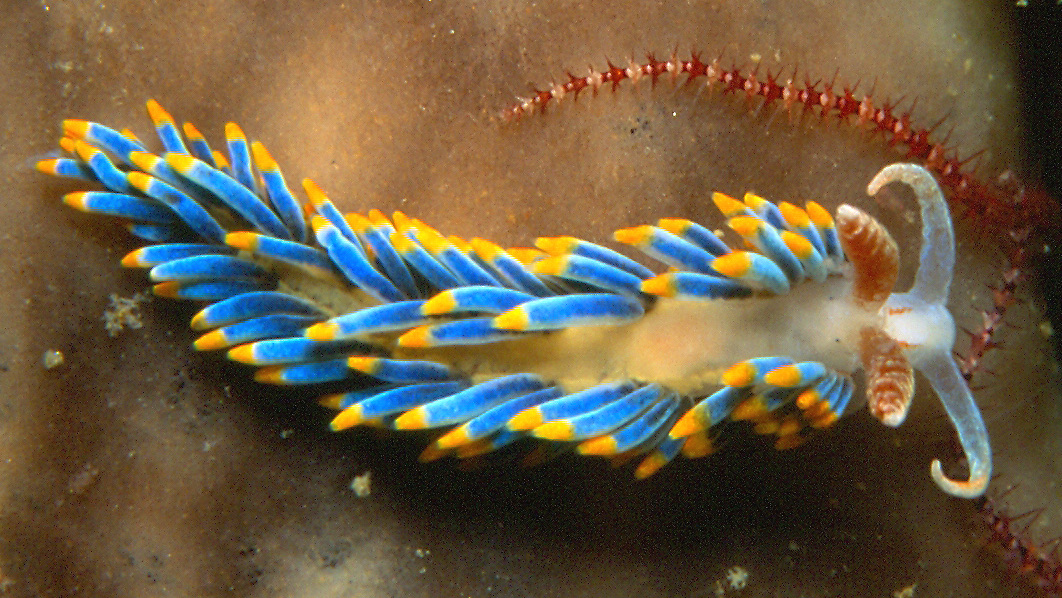
Nudibranchs
"Charted here" species were listed by our editors from the sources on this page. Counts are GBIF occurrence records: observations logged within about 5 km of the charted position since 1990, matched only against the species in our catalogue. They show what has been seen there, not a promise of what you will see.