Amity Point
Depth is the range from the top of the site to its usual maximum; "recommended cert" is the mainstream-agency level operators usually ask for, not a legal rule. Currents and visibility change daily, so treat everything here as planning ranges.
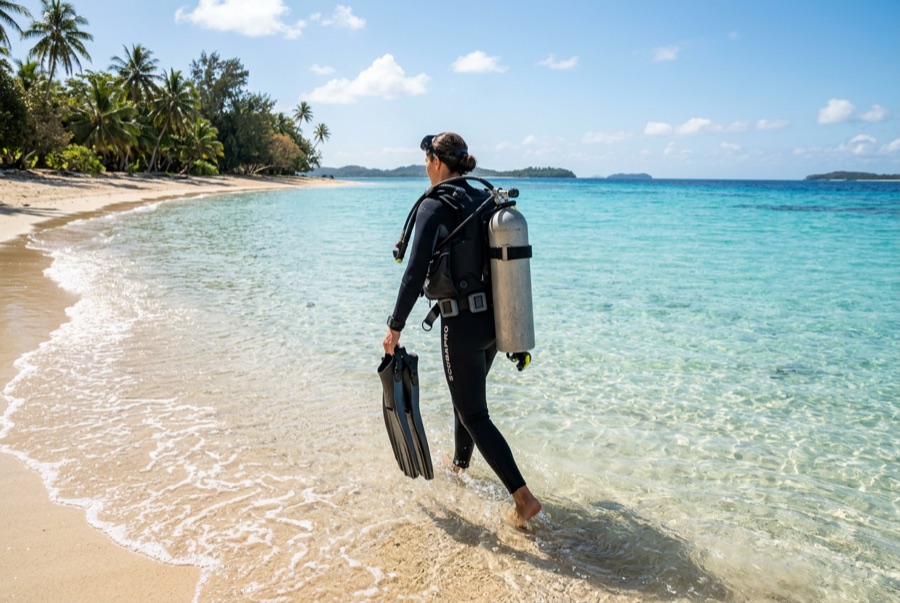
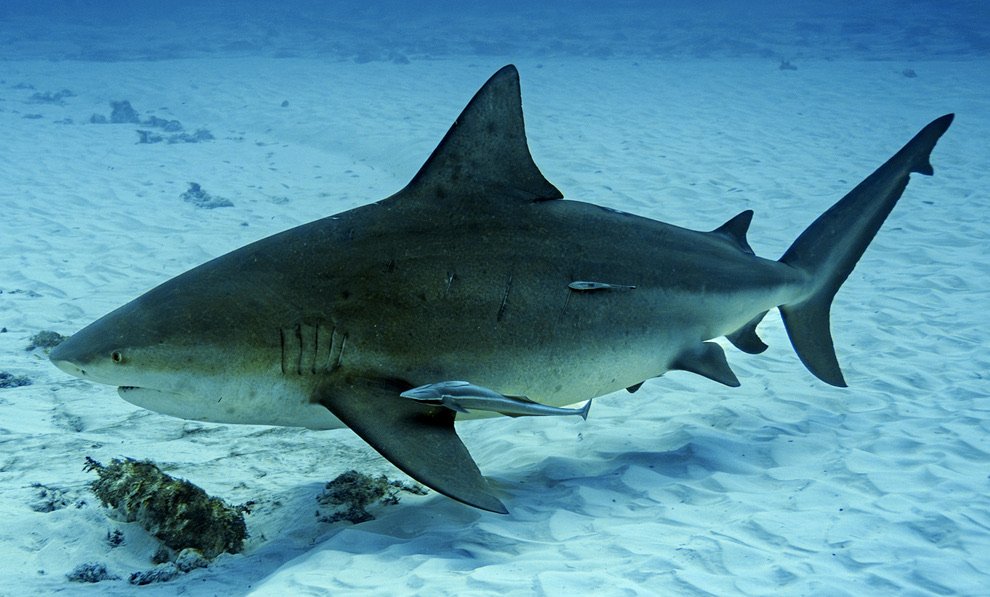
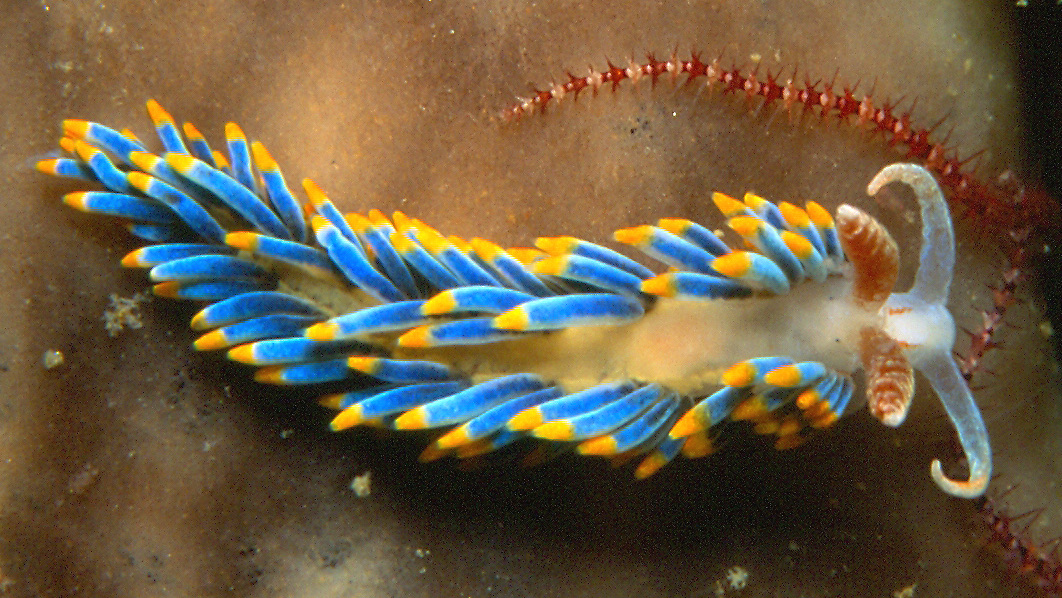
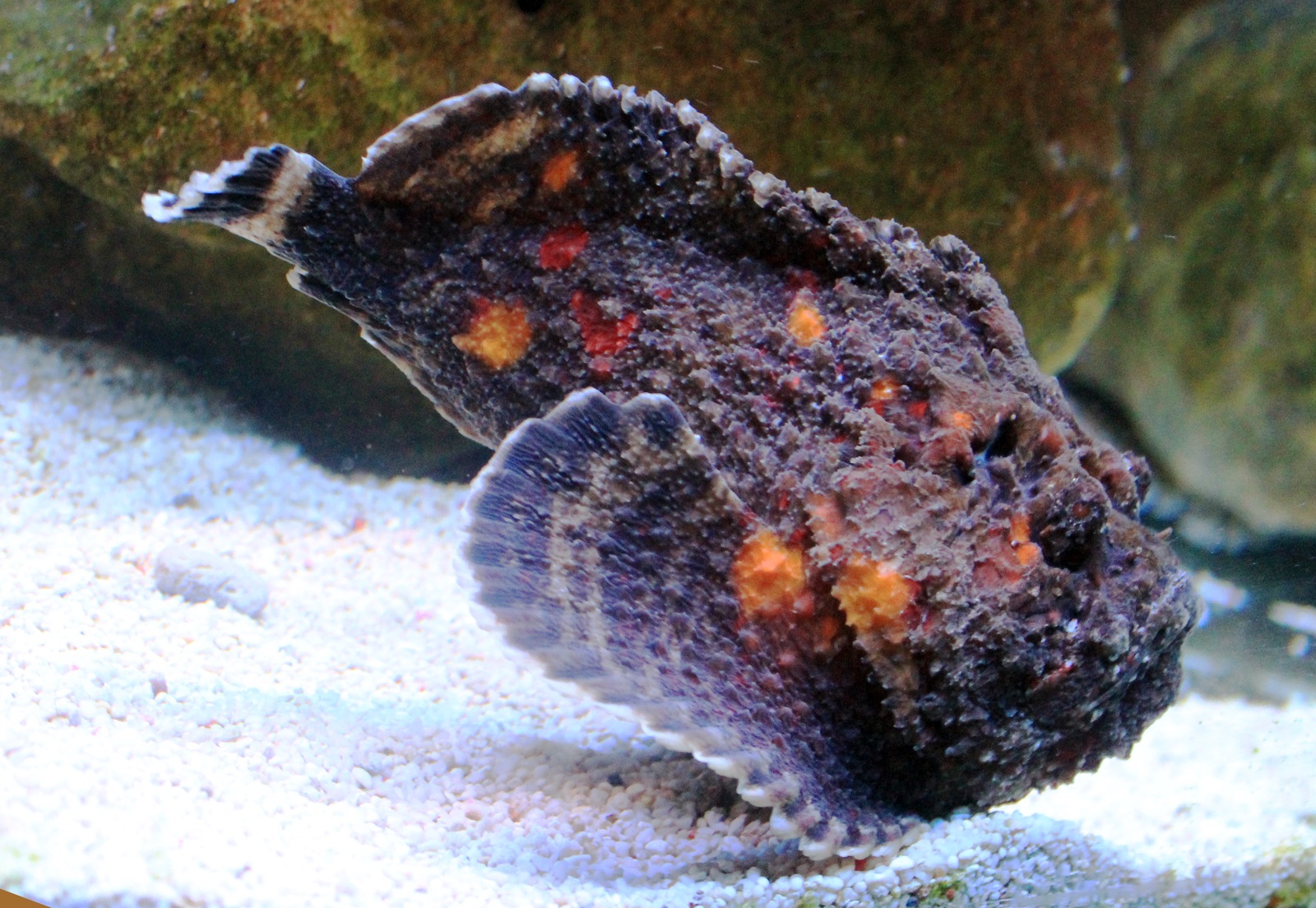
At the northwest tip of North Stradbroke Island, on the Moreton Bay side, Amity Point is the area's best-known shore dive: a rocky reef, scattered with old car bodies, in about 5 to 15 m. It is strongly tidal, so dives are timed for high water, ideally starting about an hour before the top of the tide, and it is the usual choice for training and night dives when the ocean is too rough. Wobbegongs, schooling fish, moray eels, octopus, nudibranchs, flathead, parrotfish and stingrays are typical by day, crabs, shrimps and crayfish come out at night, and dolphins or a bull shark occasionally pass. Stonefish are plentiful, and fishing line and boat traffic add to the hazards. On an incoming tide, experienced divers also drift from Flinders Beach to Amity Pier past several small wrecks.
The moment you come for: Easy shore and night dive; wobbegongs and nudibranchs; incoming-tide drift past small wrecks
Topography: Rocky reef with scattered car bodies and small wrecks on sand
Current: Very tidal: dive around high tide; the incoming tide is used for drift dives.
Entry: Shore entry at Amity Point on the northwest tip of North Stradbroke Island, timed for the high tide; the drift variant runs from Flinders Beach to Amity Pier on the incoming tide.
Know before you splash
Hazards: Strong tidal movement outside high water; many stonefish (watch hand and knee placement); fishing line and boat traffic.
Who you'll meet
"Charted here" species were listed by our editors from the sources on this page. Counts are GBIF occurrence records: observations logged within about 5 km of the charted position since 1990, matched only against the species in our catalogue. They show what has been seen there, not a promise of what you will see.