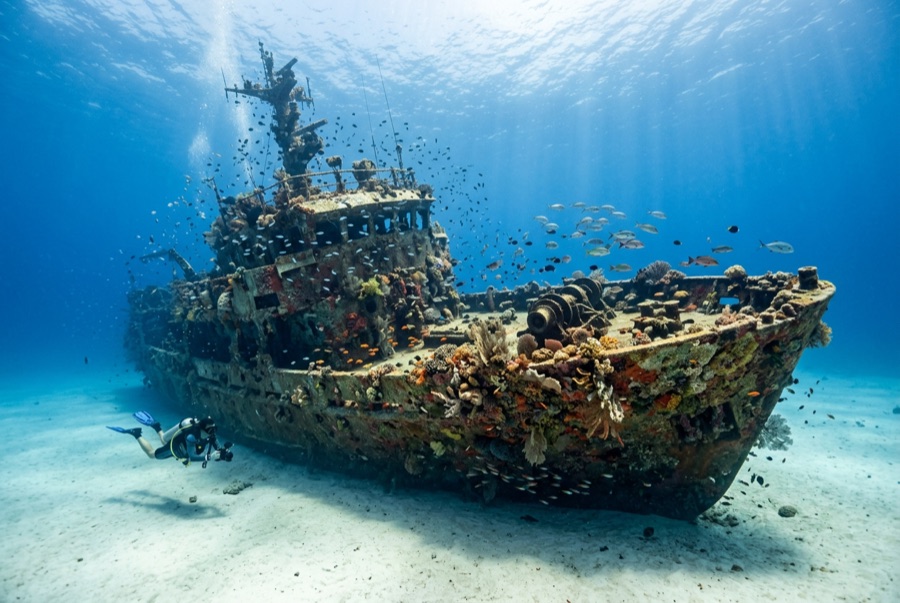
Curtin Artificial Reef
Depth is the range from the top of the site to its usual maximum; "recommended cert" is the mainstream-agency level operators usually ask for, not a legal rule. Currents and visibility change daily, so treat everything here as planning ranges.
In 1968 members of the Underwater Research Group of Queensland sank an old barge on bare sand off the inner side of Moreton Island, starting what is often called the world's first reef made by divers specifically for diving. Over the next 30 years the club added about 30 vessels, among them tugs, barges, a car ferry, a yacht, a dry-dock gate, two whale chasers and a Brisbane tram, over roughly 400 by 120 m in 12 to 35 m. The hulls lie close enough to visit five or so per dive, and trained divers can enter some, though shifting sand fills interiors and at times buries whole wrecks. Dozens of Queensland groupers up to 2 m long escort divers, with barracuda, giant trevally and kingfish around the hulls and stonefish, leaf scorpionfish and frogfish hidden on them.
The moment you come for: Diver-built wreck reef started in 1968; dozens of Queensland groupers; tugs, barges and a sunken Brisbane tram
Topography: About 30 scuttled vessels, car bodies, pipes and tyres on shifting sand
Current: Strongly tidal: strong flow between high and low tide, so most dives are timed for high water.
Entry: Boat from Brisbane across Moreton Bay; dived on the high tide, or as a drift at other stages of the tide.
Know before you splash
Hazards: Strong tidal currents; discarded fishing tackle (carry a cutting tool, wear gloves); stinging hydroids and stonefish on the wrecks; overhead environment inside hulls.
Who you'll meet

Frogfish
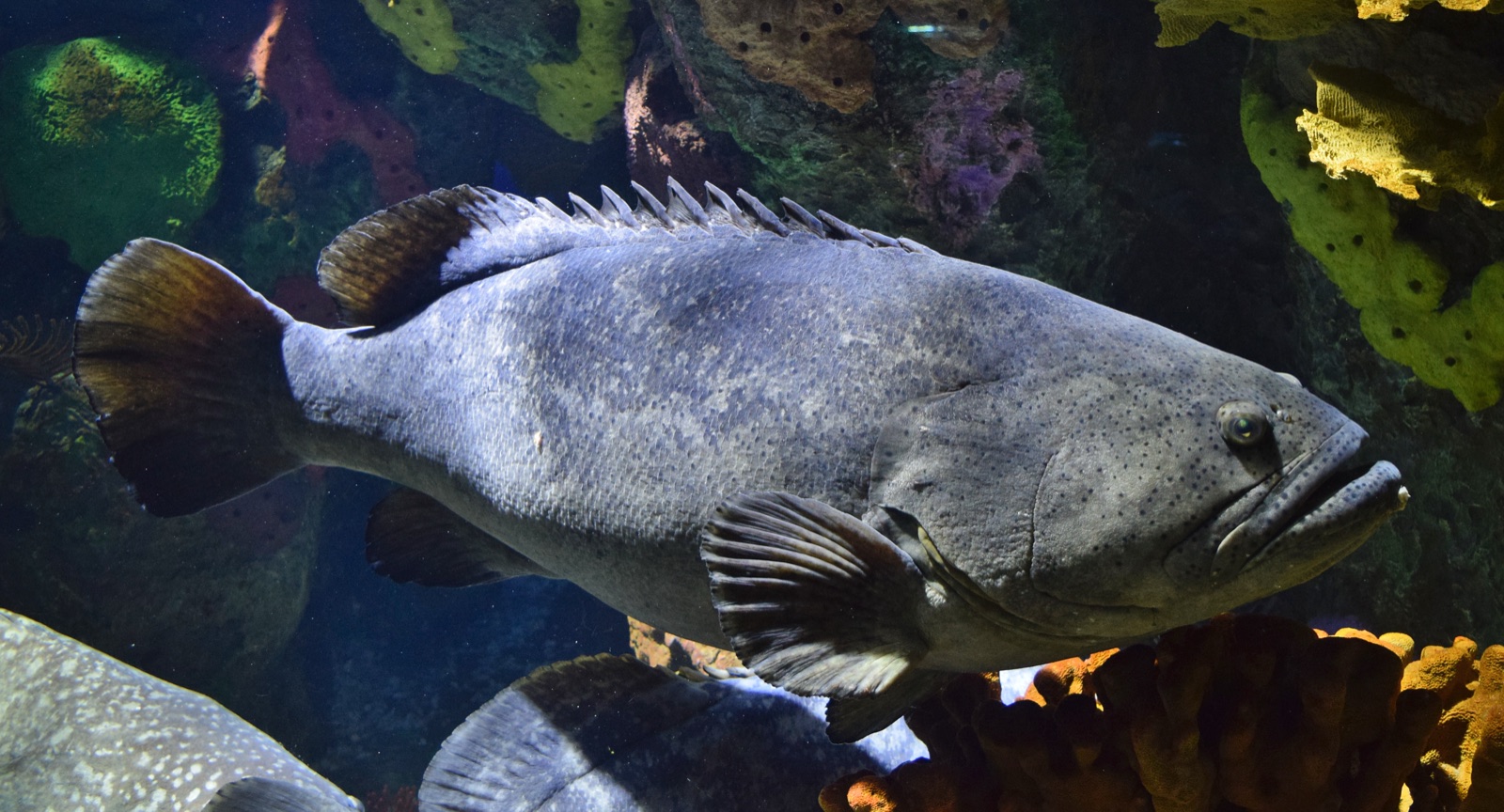
Giant Grouper
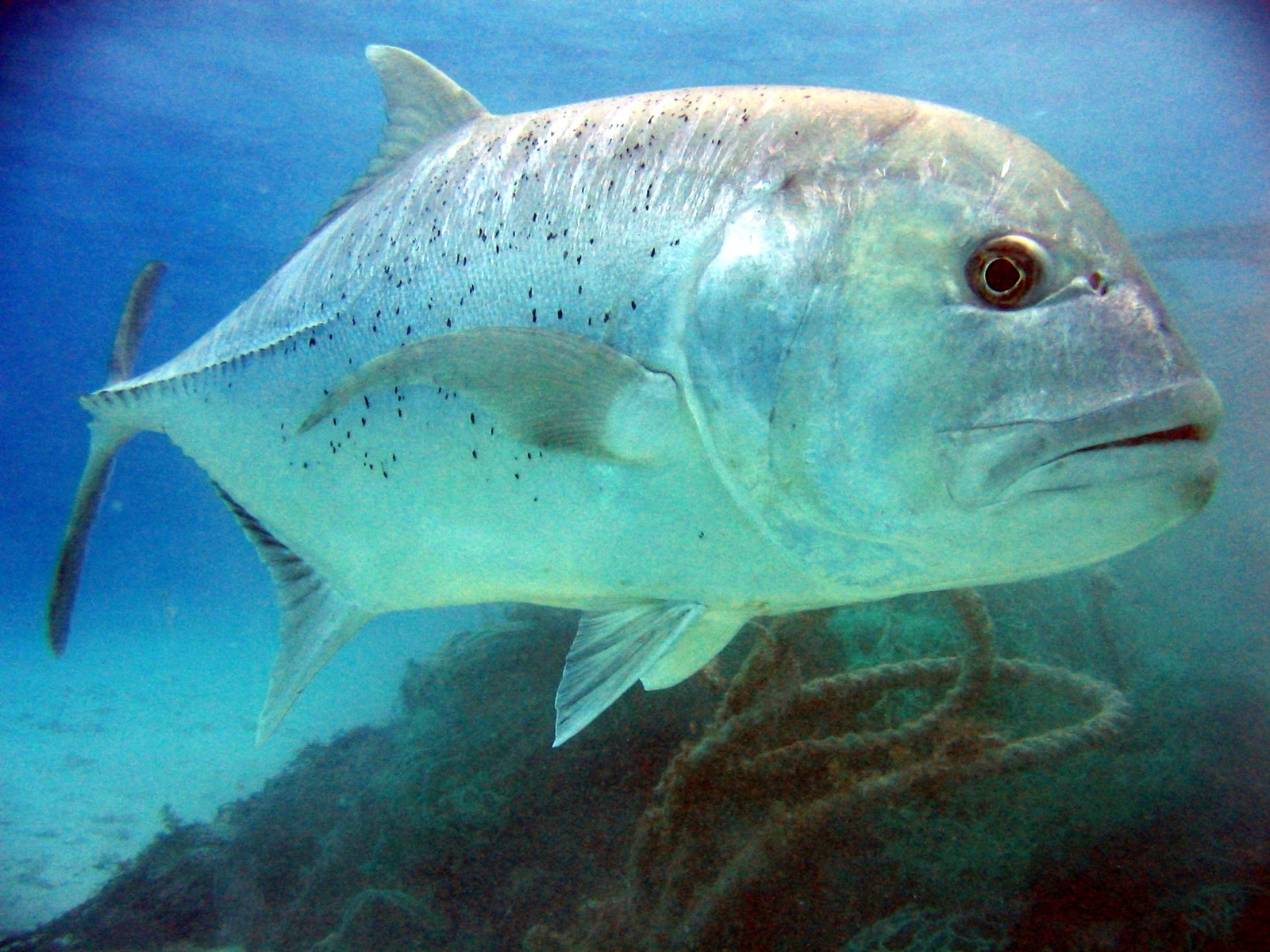
Giant Trevally
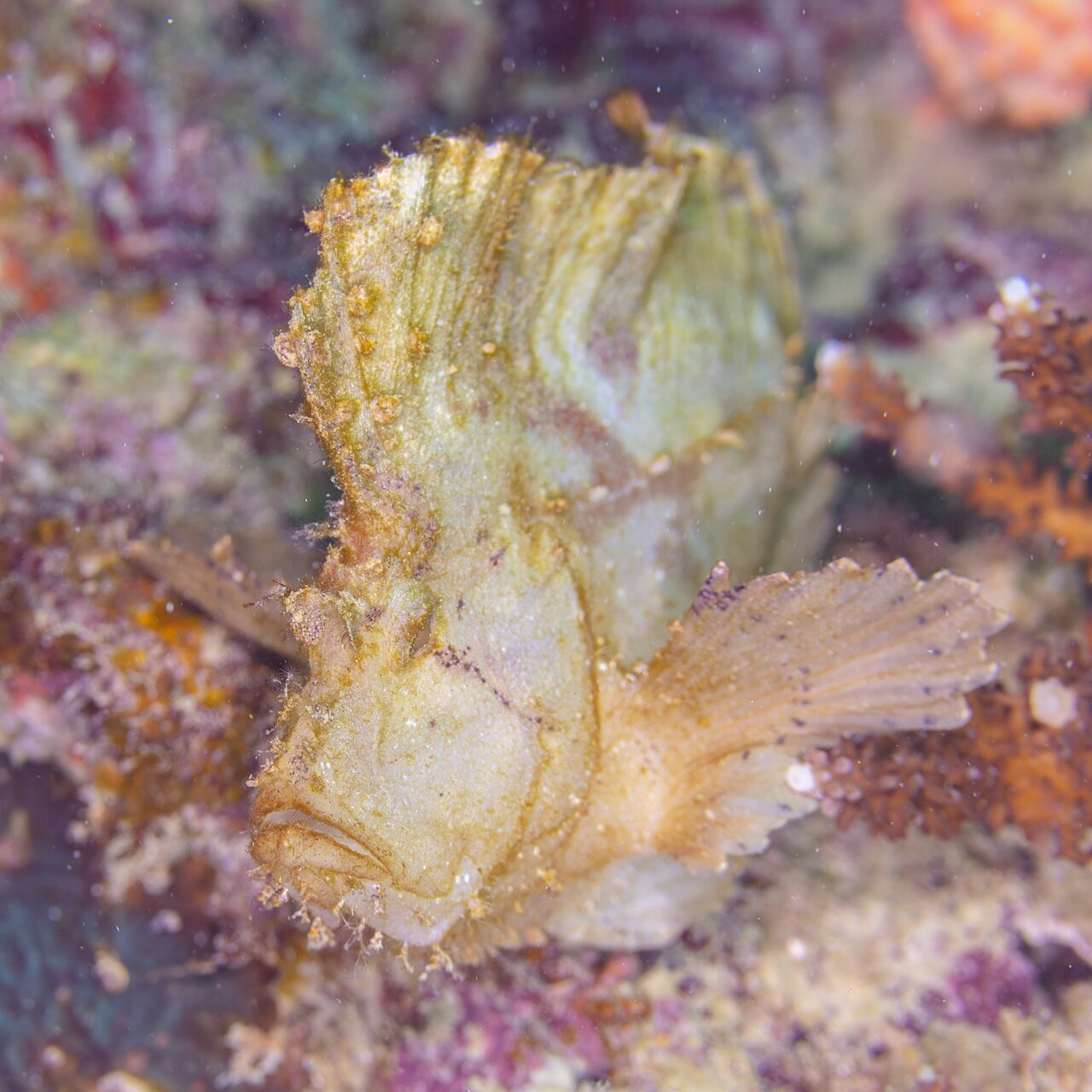
Leaf Scorpionfish
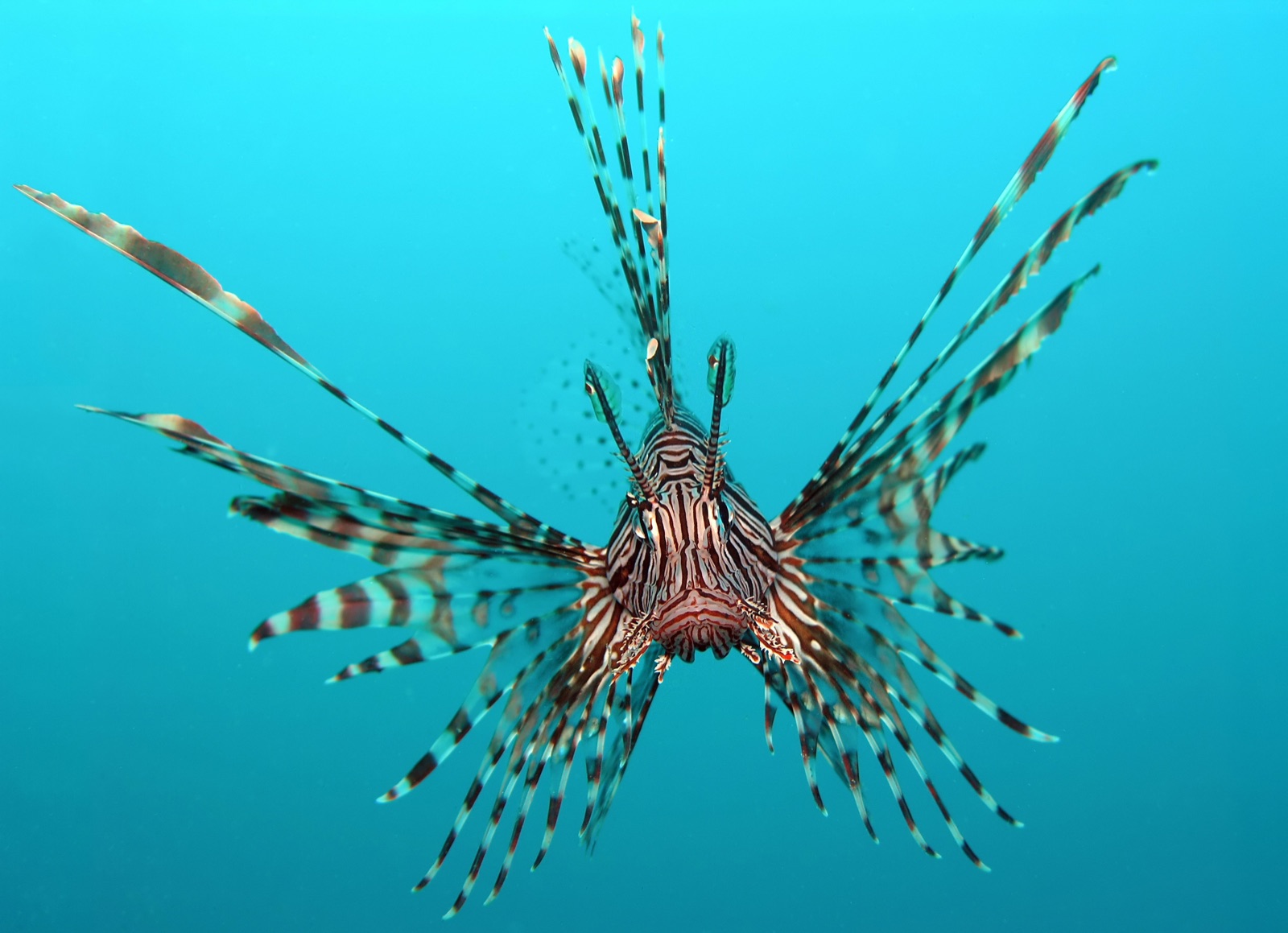
Lionfish
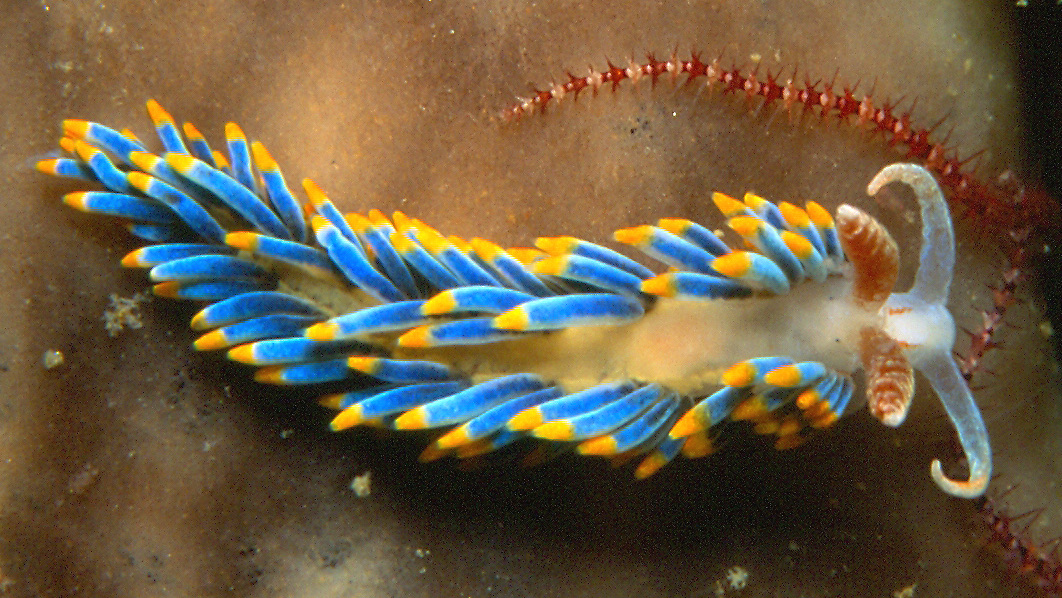
Nudibranchs
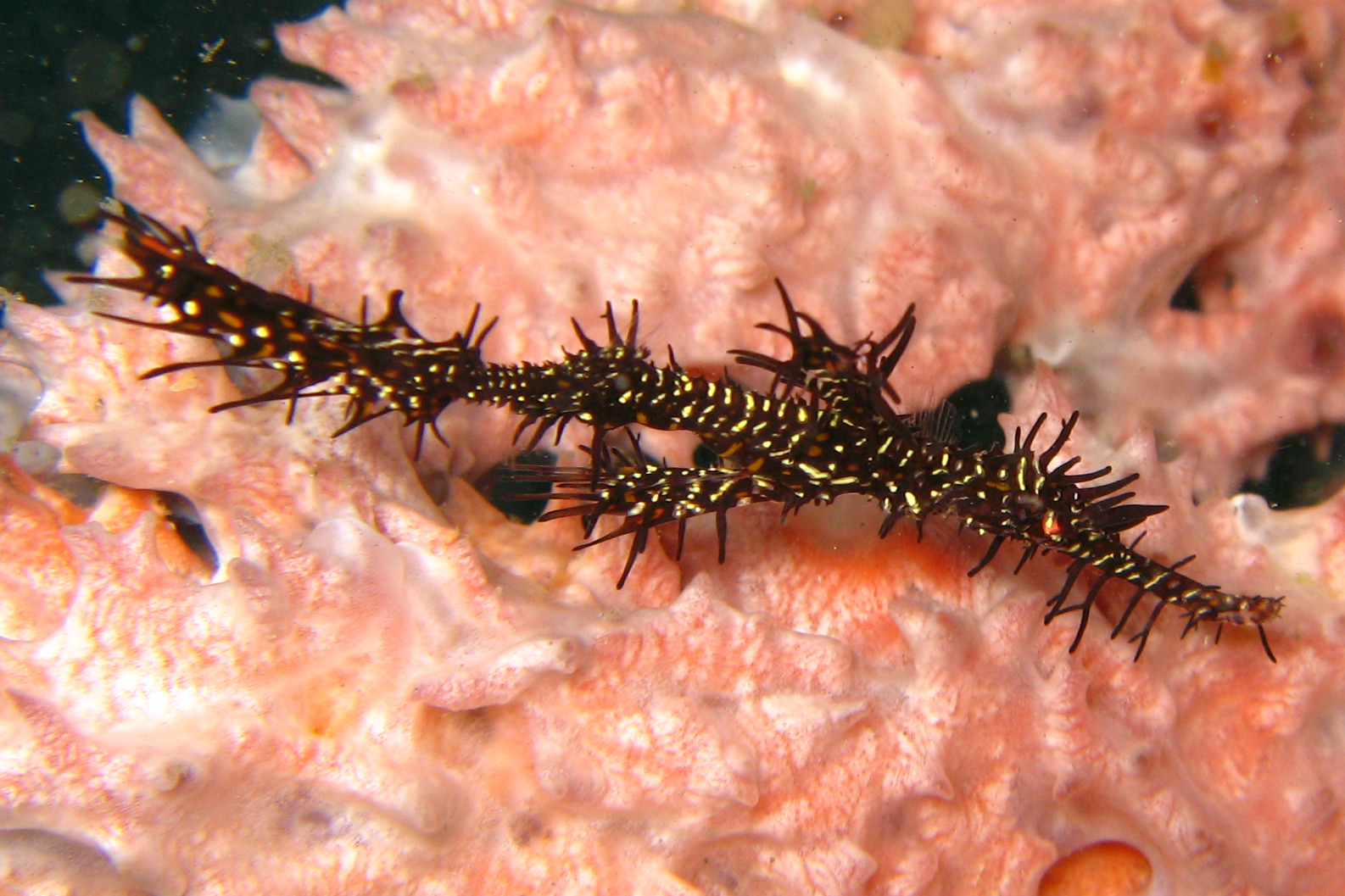
Ornate Ghost Pipefish
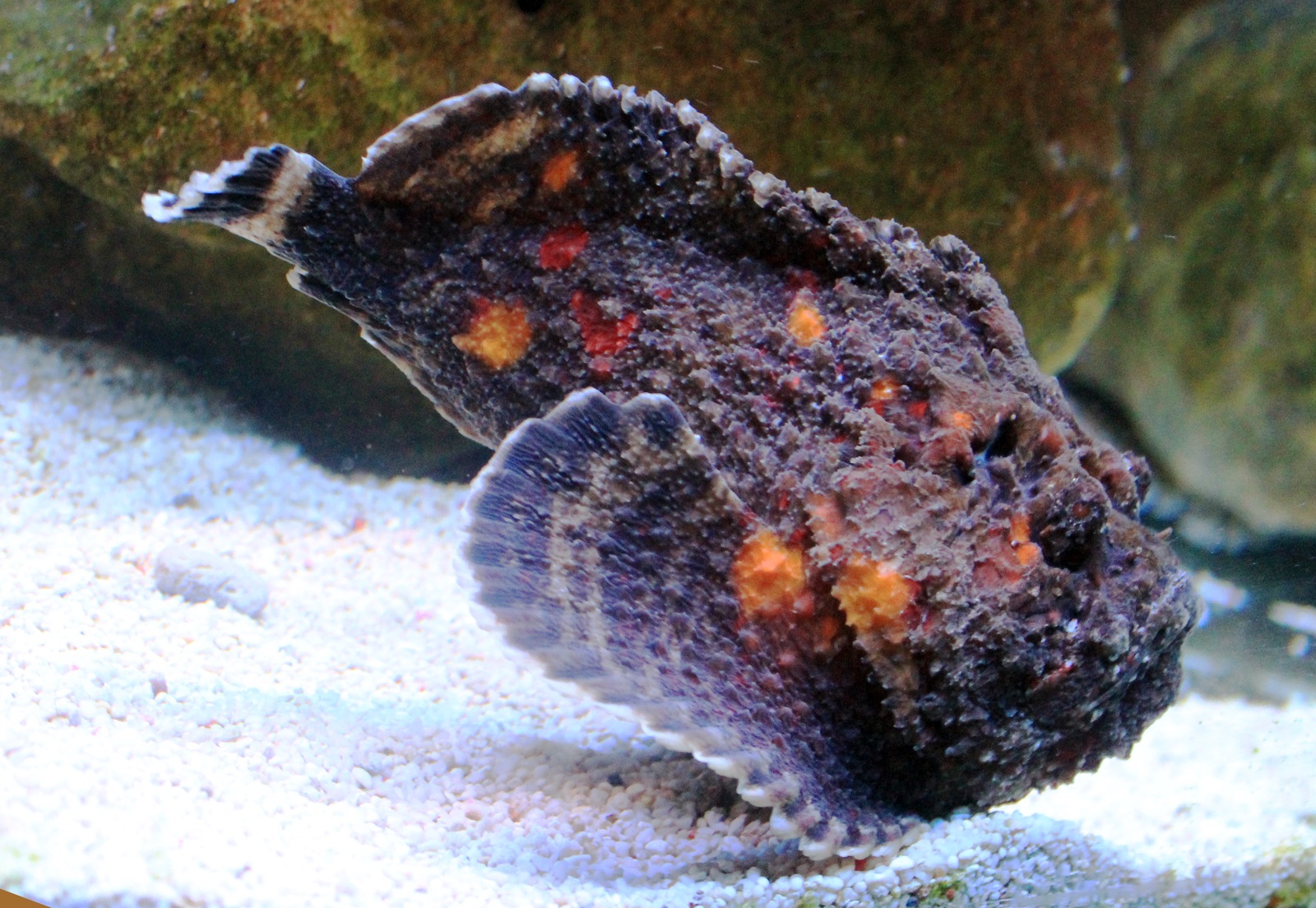
Reef Stonefish
"Charted here" species were listed by our editors from the sources on this page. Counts are GBIF occurrence records: observations logged within about 5 km of the charted position since 1990, matched only against the species in our catalogue. They show what has been seen there, not a promise of what you will see.