Devilfish City
Depth is the range from the top of the site to its usual maximum; "recommended cert" is the mainstream-agency level operators usually ask for, not a legal rule. Currents and visibility change daily, so treat everything here as planning ranges.
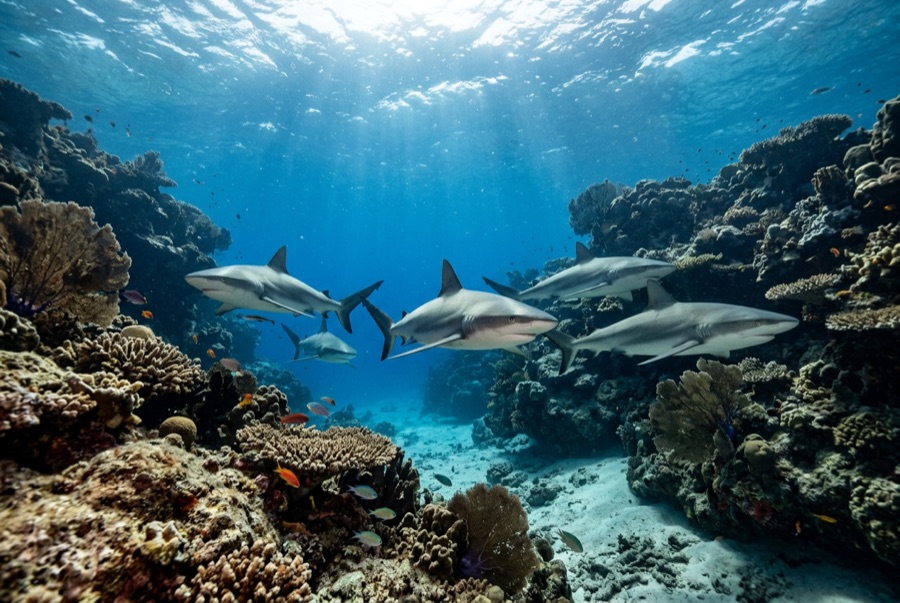
A channel through Palau's western barrier reef in Ngardmau State, known locally as Iwekakou, Devilfish City is where reef mantas come to be cleaned and, in season, to feed. The floor is large rocks and sand, with three cleaning stations at roughly 10 to 20 m and a deeper western section near 33 m. Wrasses and butterflyfish service the rays, sometimes 20 at once, while bumphead parrotfish, unicornfish, jacks, and barracuda move through. Shark and ray scientists list the passage as an Important Shark and Ray Area: from January to May, trains of mantas feed on plankton here, mostly in the top 10 m, peaking at 40 to 50 animals in April and May, and Palau's largest recorded gathering, more than 70, was seen in this channel.
The moment you come for: Three manta cleaning stations; feeding manta trains January to May; Palau's largest recorded manta gathering; bumphead parrotfish
Topography: Channel of large rocks and sand through the barrier reef, with three manta cleaning stations
Current: The incoming tide can be too strong to dive comfortably and the outgoing tide brings murky lagoon water, so the dive is timed for slack high tide; on a strong flood the southern wall is drifted into the lagoon instead.
Entry: In Ngardmau Channel on the western barrier reef, 55 to 65 minutes by speedboat from Koror; dived at slack high tide, with boats anchoring at about 7 m.
Know before you splash
Hazards: Strong incoming current and poor visibility on the outgoing tide; time the dive for slack high tide and stay low and still at the stations so the mantas keep coming.
Who you'll meet
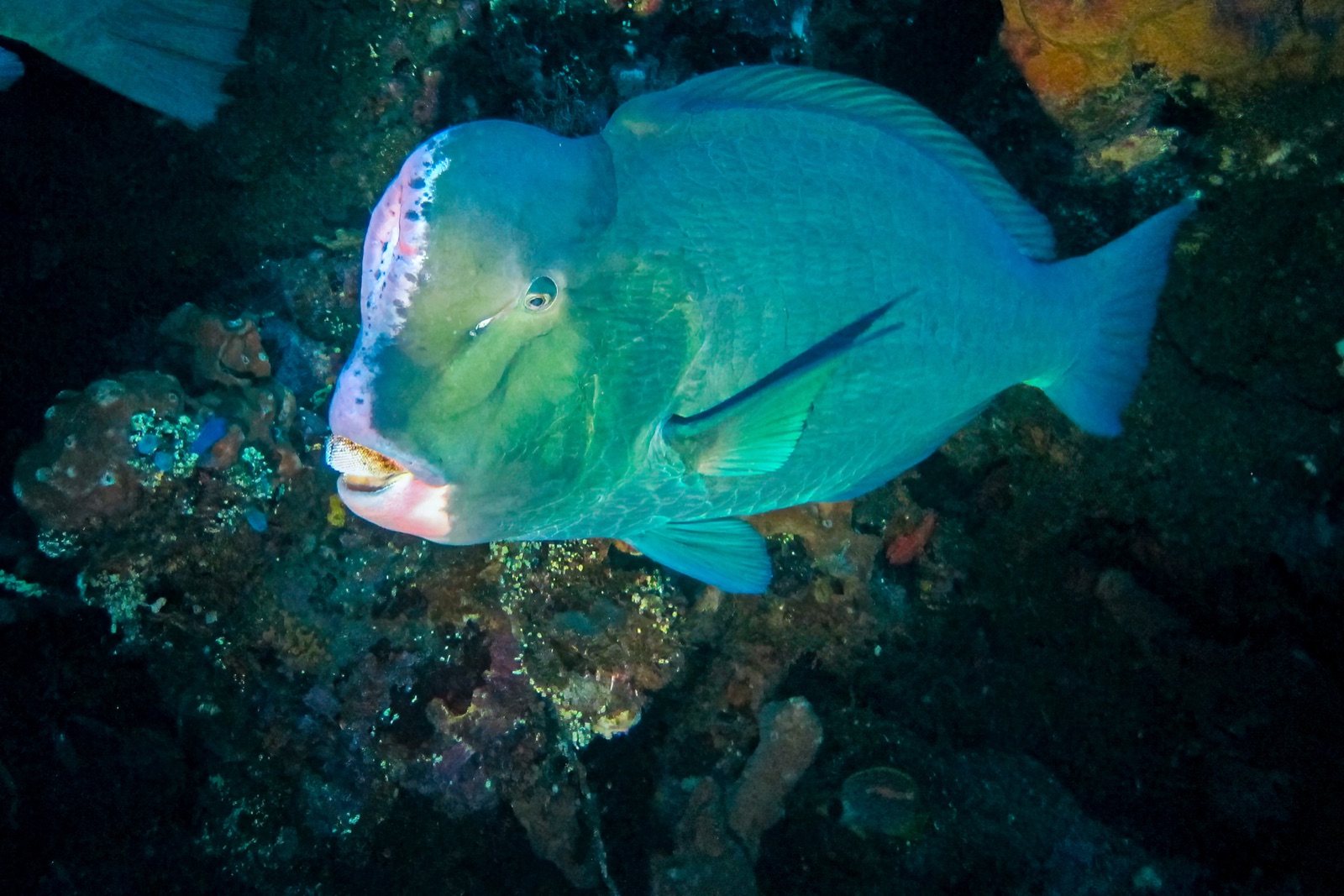
Bumphead Parrotfish
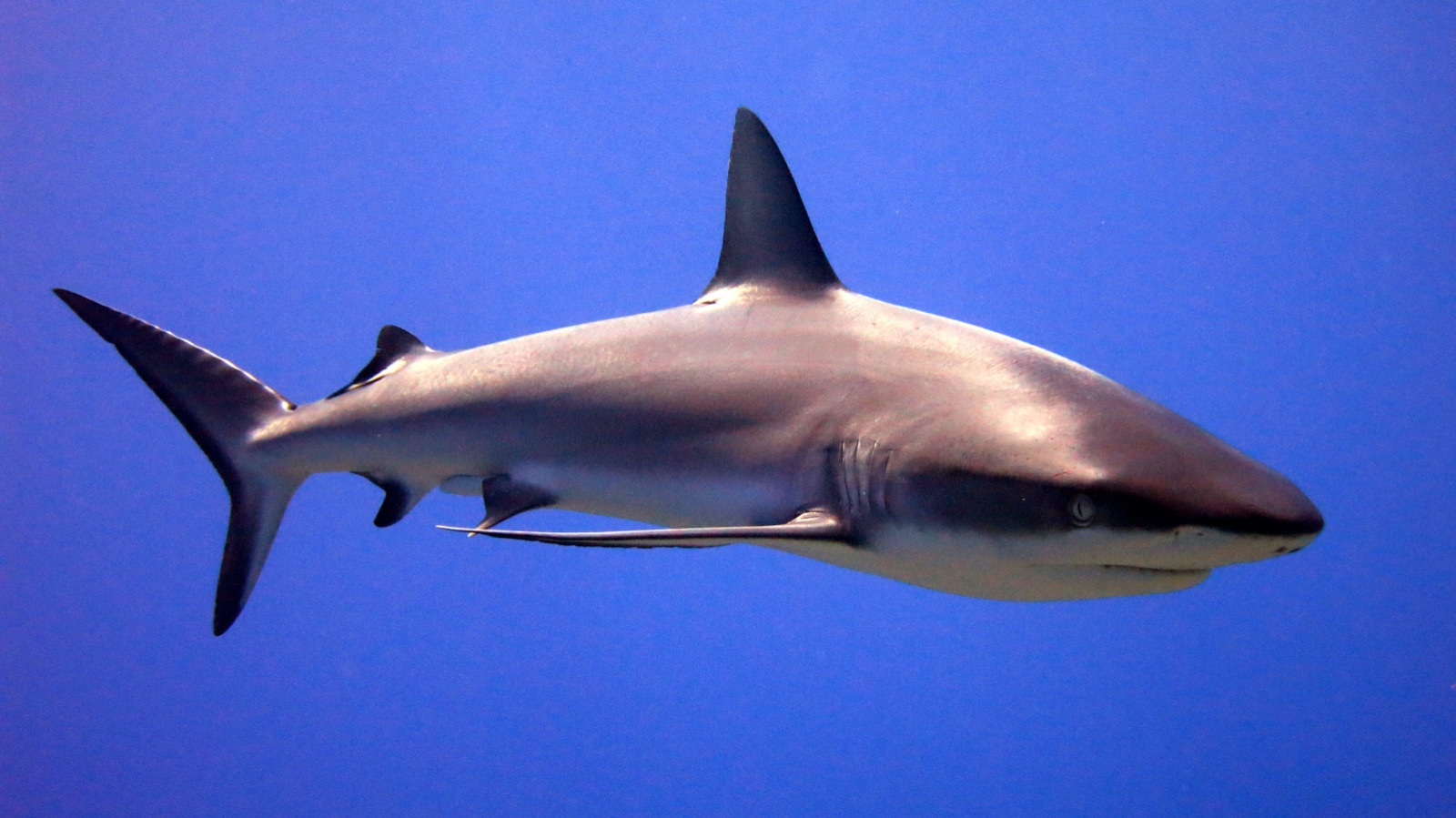
Grey Reef Shark
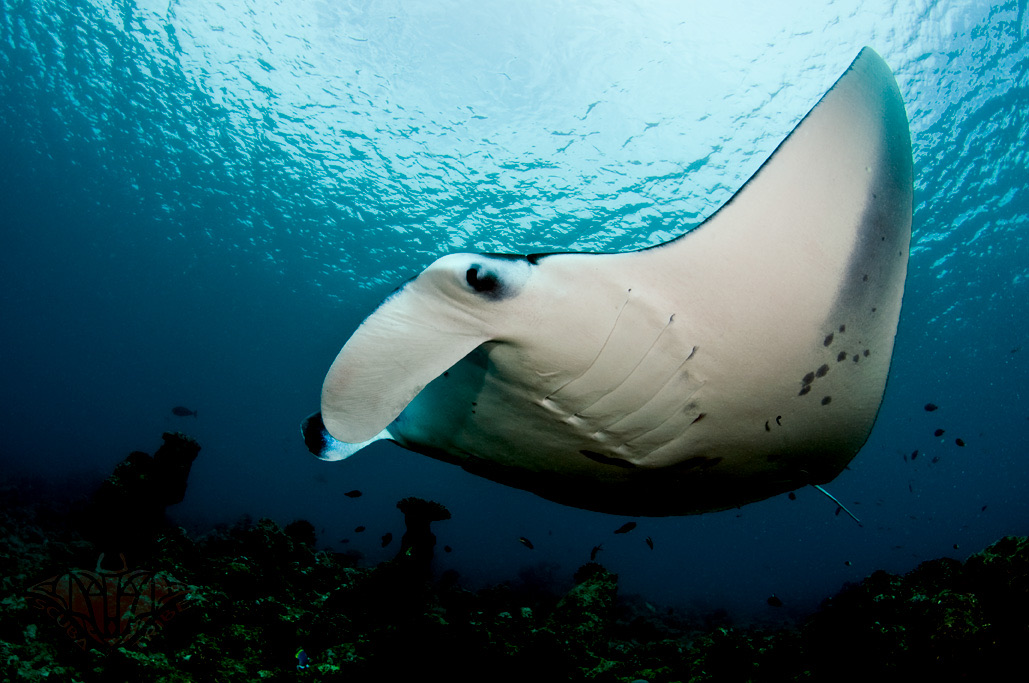
Reef Manta Ray
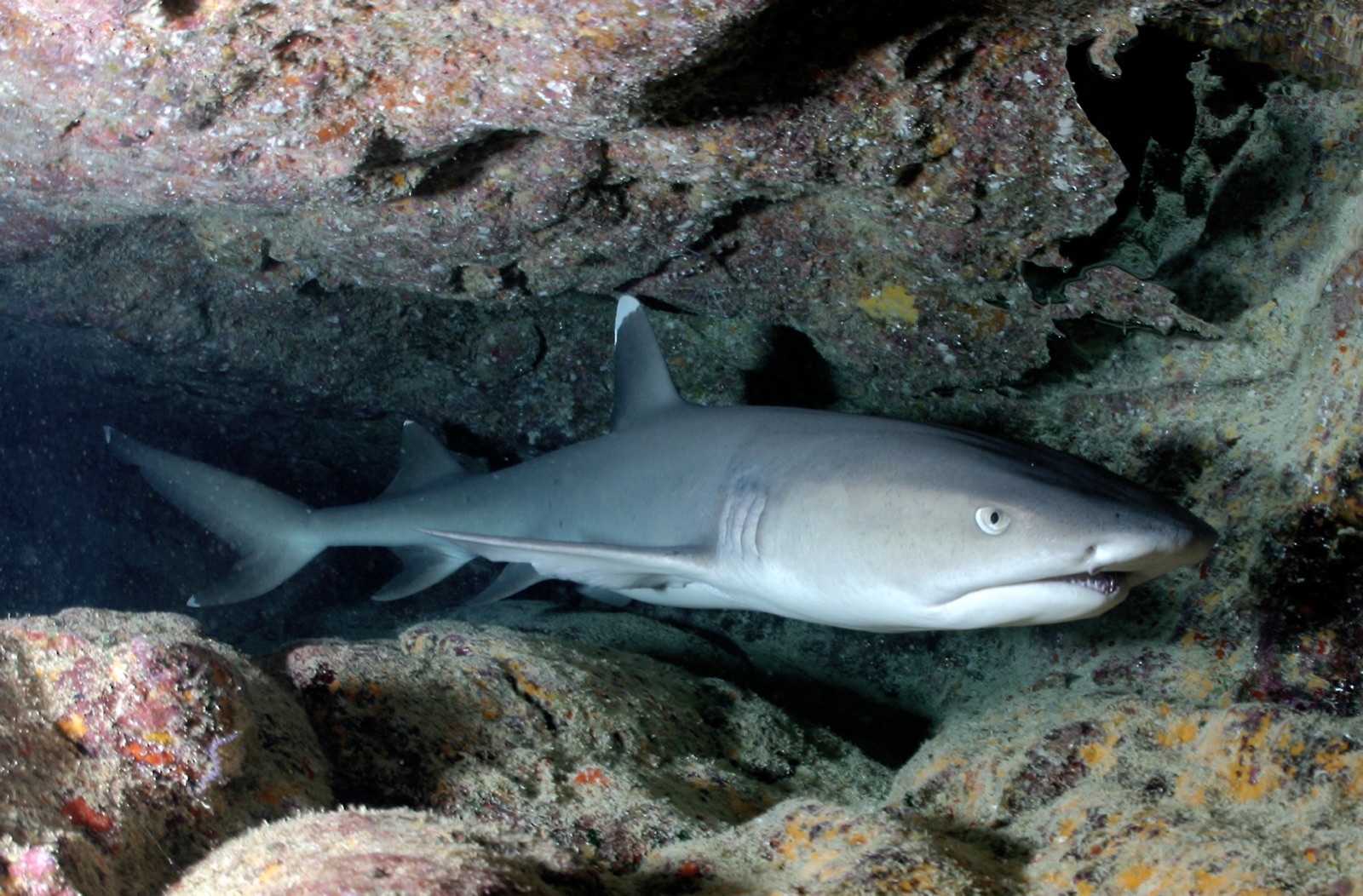
Whitetip Reef Shark
"Charted here" species were listed by our editors from the sources on this page. Counts are GBIF occurrence records: observations logged within about 5 km of the charted position since 1990, matched only against the species in our catalogue. They show what has been seen there, not a promise of what you will see.