Shark Point
Depth is the range from the top of the site to its usual maximum; "recommended cert" is the mainstream-agency level operators usually ask for, not a legal rule. Currents and visibility change daily, so treat everything here as planning ranges.
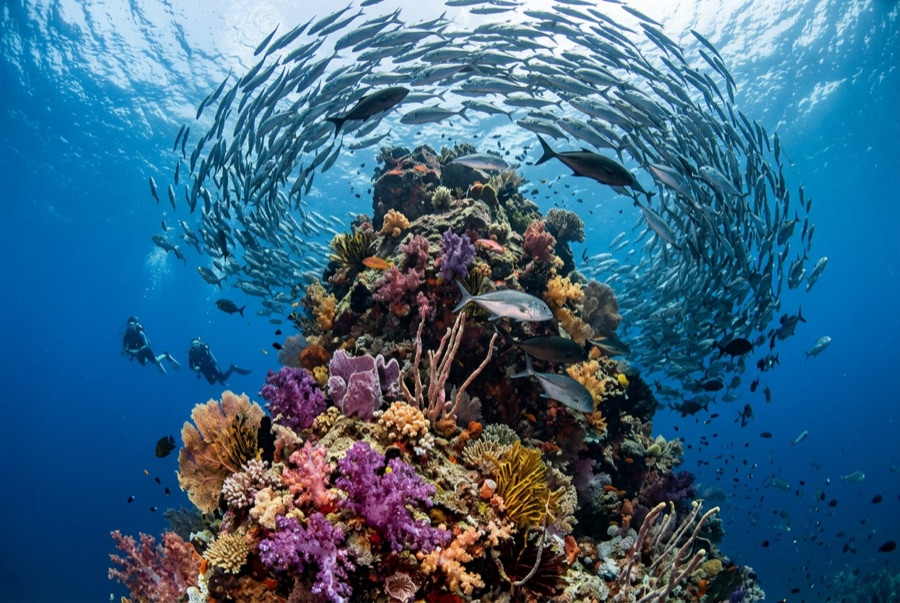
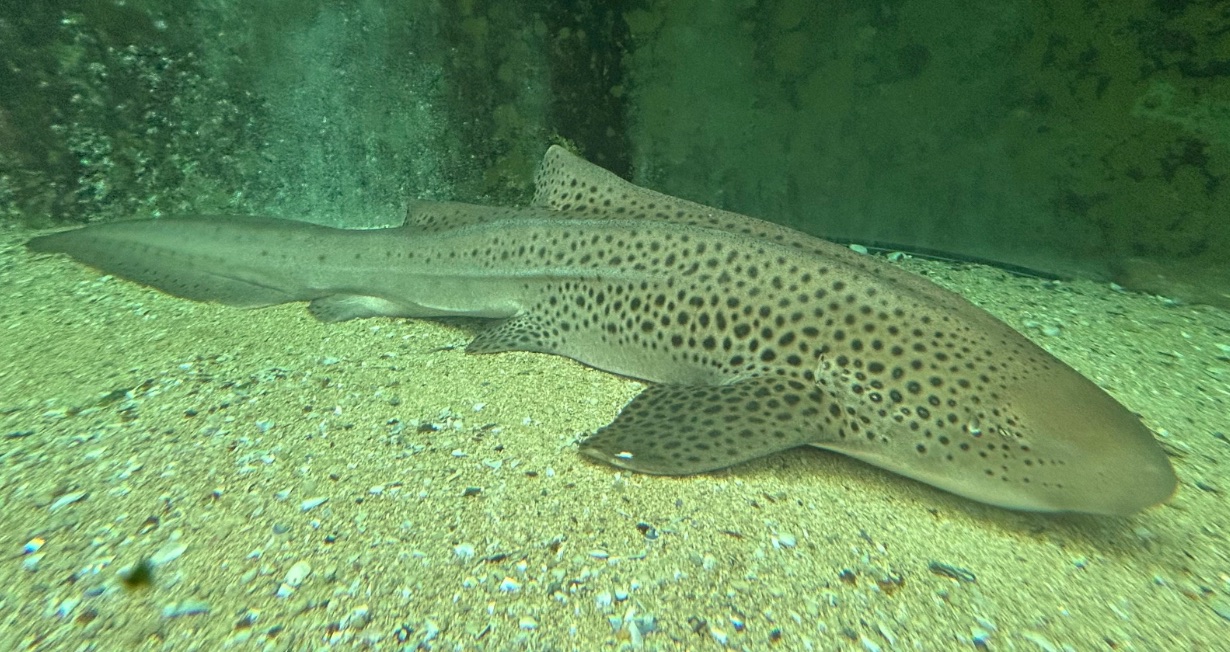
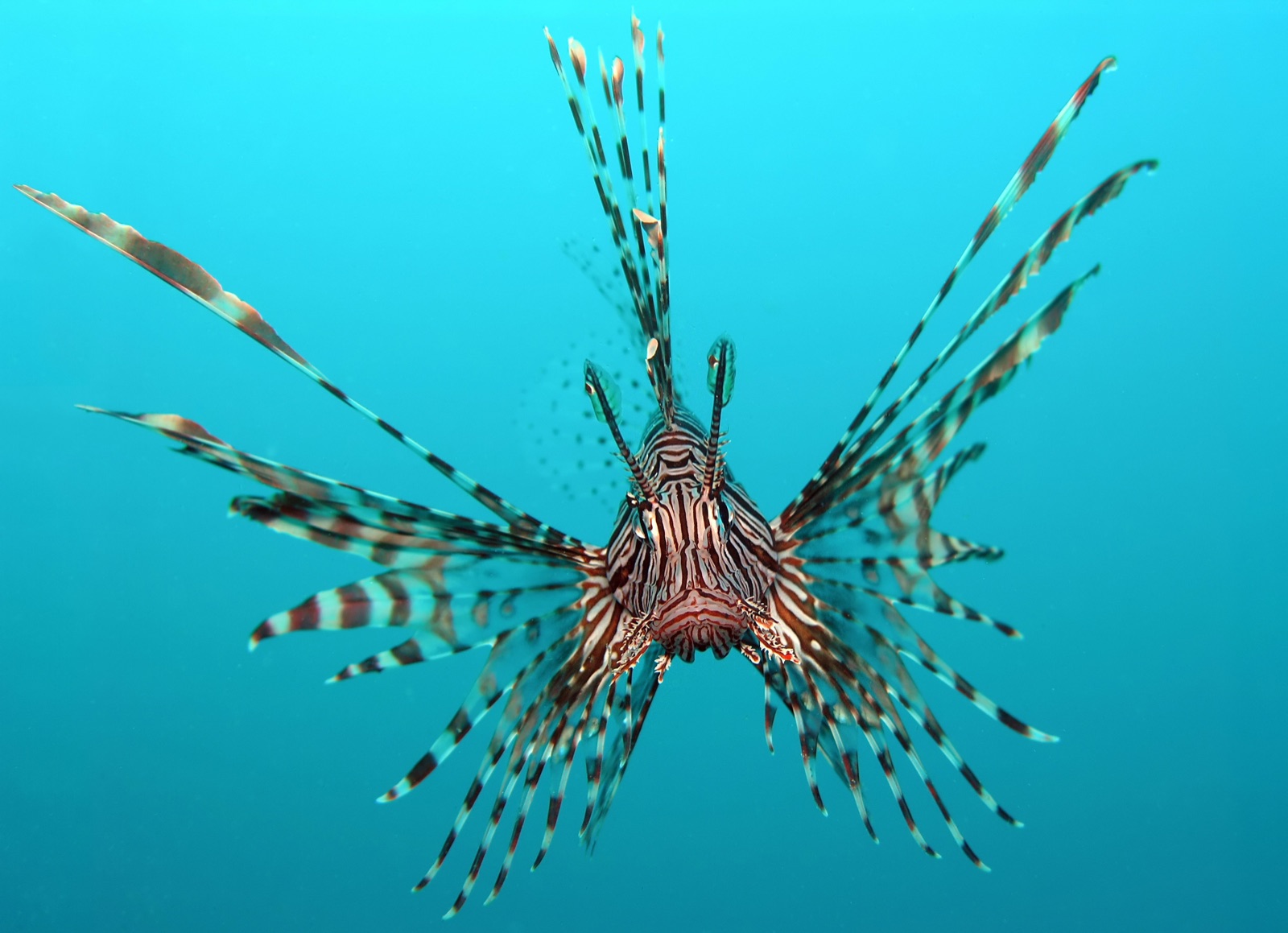
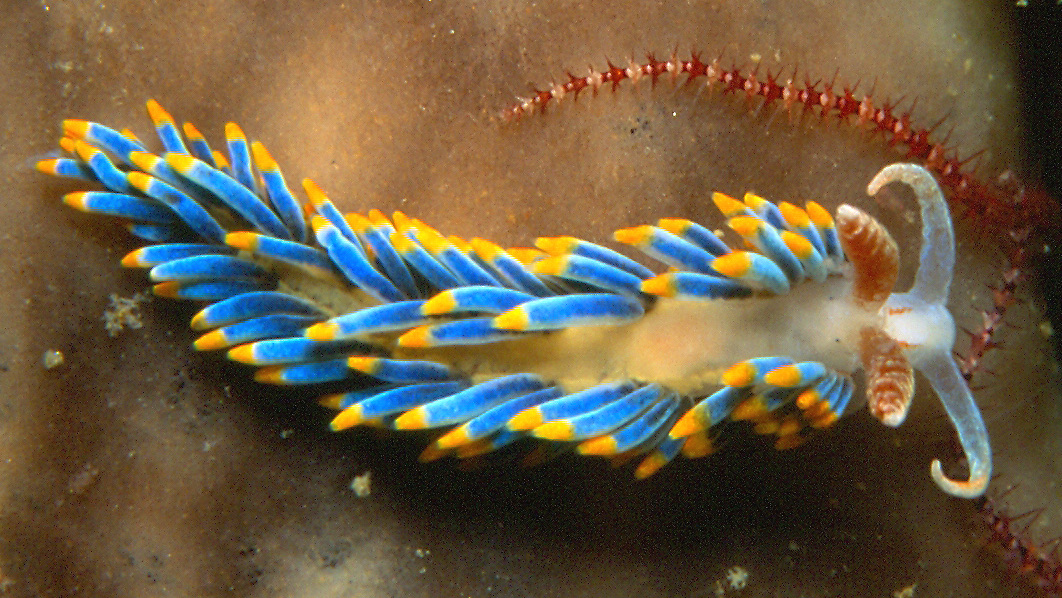
Shark Point is a line of three limestone pinnacles about 25 km east of Chalong Bay, protected as a marine sanctuary since 1992. Only the northern pinnacle shows above water; the others lie to the south and get progressively deeper, the third topping out near 15 m, and divers usually cross from one to the next at around 18 m. The name comes from the leopard sharks that rest on the sand between the rocks. Giant gorgonian fans, barrel sponges, soft corals and anemones cover the rock and shelter seahorses, ghost pipefish, nudibranchs, scorpionfish, lionfish and moray eels, while cuttlefish and Kuhl's stingrays turn up between the first two pinnacles. Whale sharks and spotted eagle rays are rare visitors.
The moment you come for: Leopard sharks on the sand; giant sea fans and barrel sponges; seahorses and ghost pipefish
Topography: Three limestone pinnacles in a north to south line, with sand between them
Current: Runs north to south along the pinnacles and can be strong; it can carry divers back toward the boat as a drift.
Entry: Most dives start at the northern pinnacle, by line or free descent; when the current runs north the dive may begin at the second pinnacle. Divers usually cross between pinnacles at about 18 m.
Know before you splash
Hazards: Strong current that can stop divers reaching the southern pinnacle; occasional rough seas; boat traffic near the surface pinnacle.
Conservation: Marine sanctuary since 1992 with mooring buoys; fishing and collecting are banned.
Who you'll meet
Leopard (Zebra) Shark
Lionfish
Nudibranchs
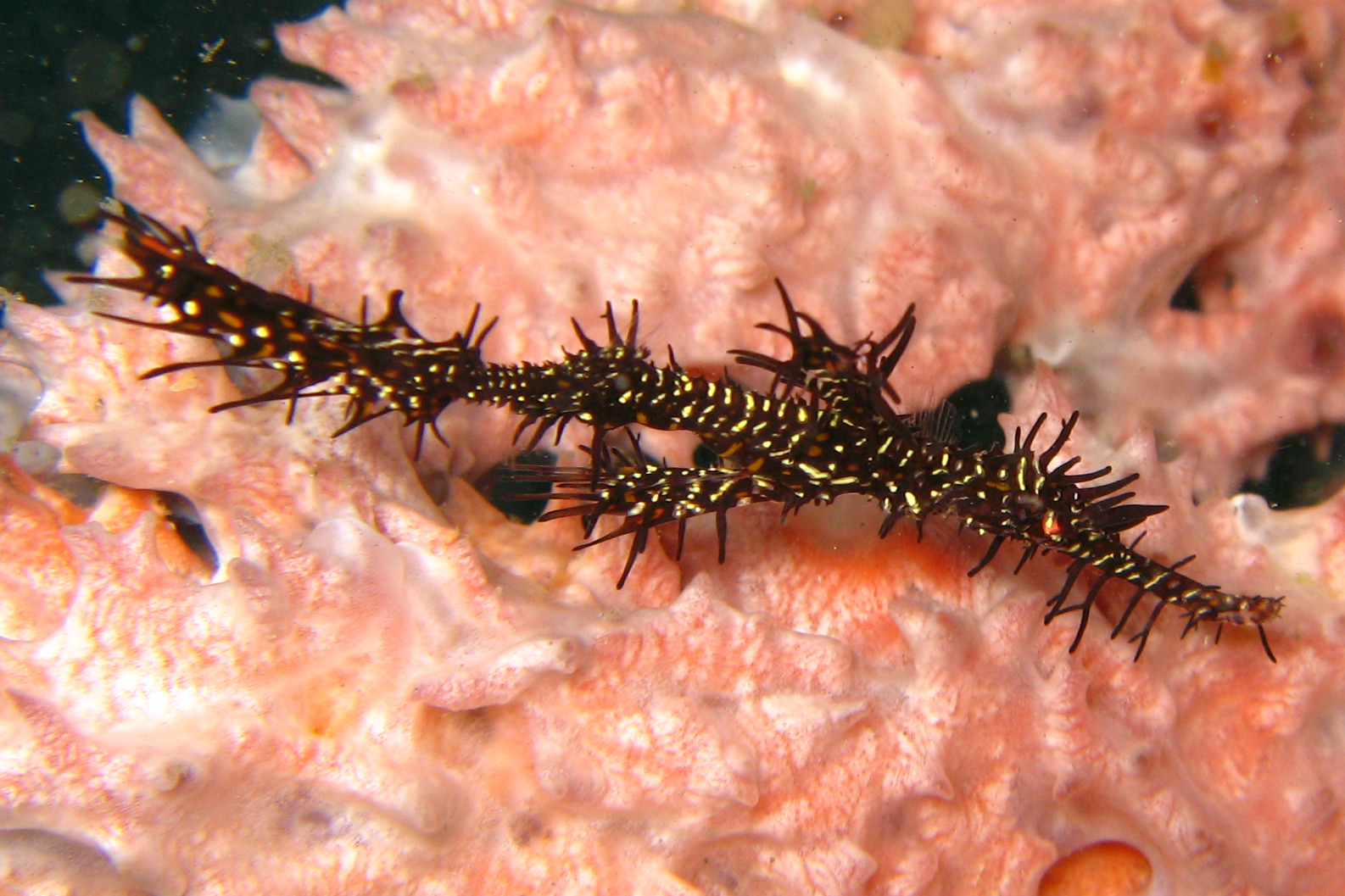
Ornate Ghost Pipefish
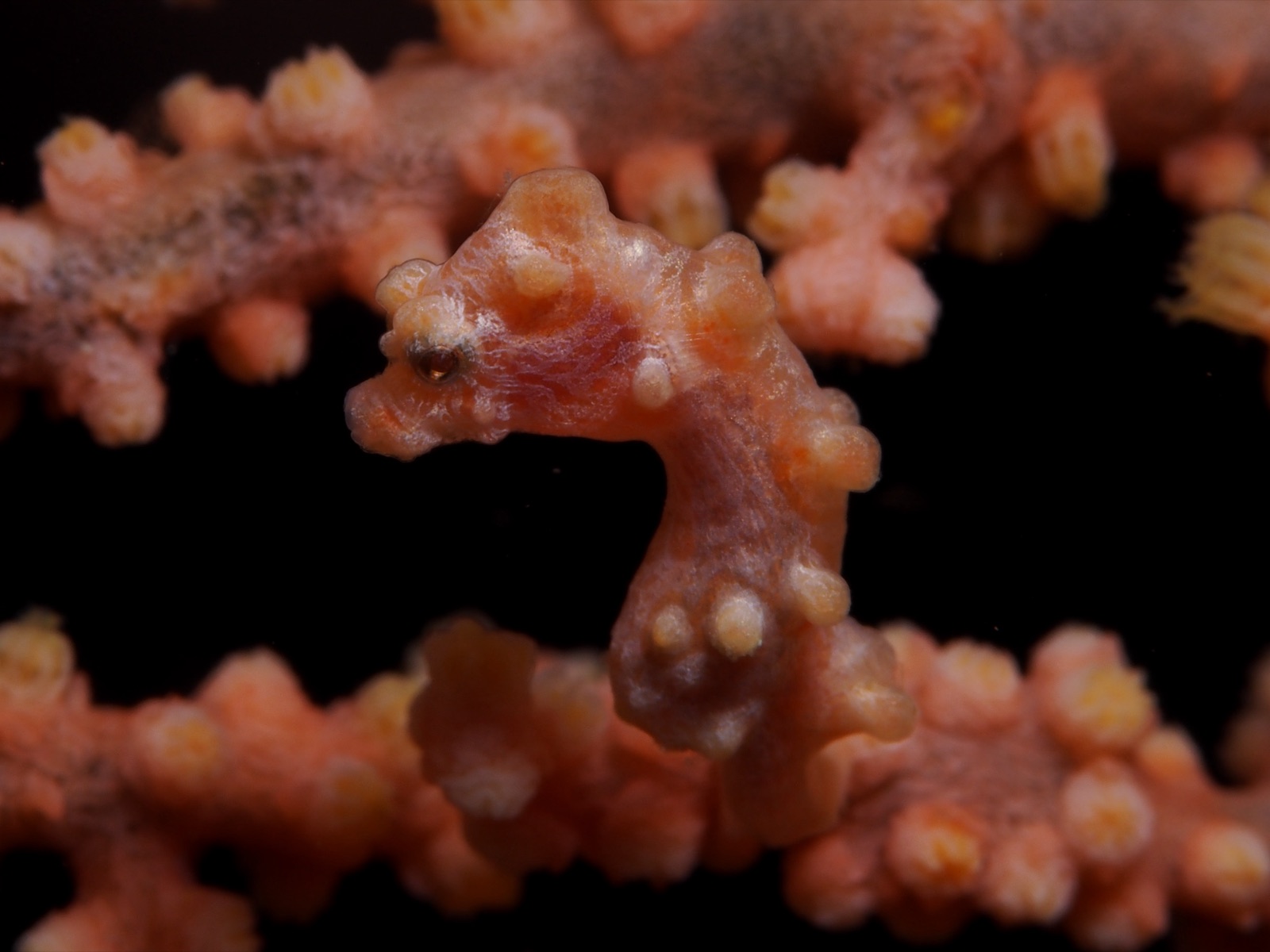
Seahorses
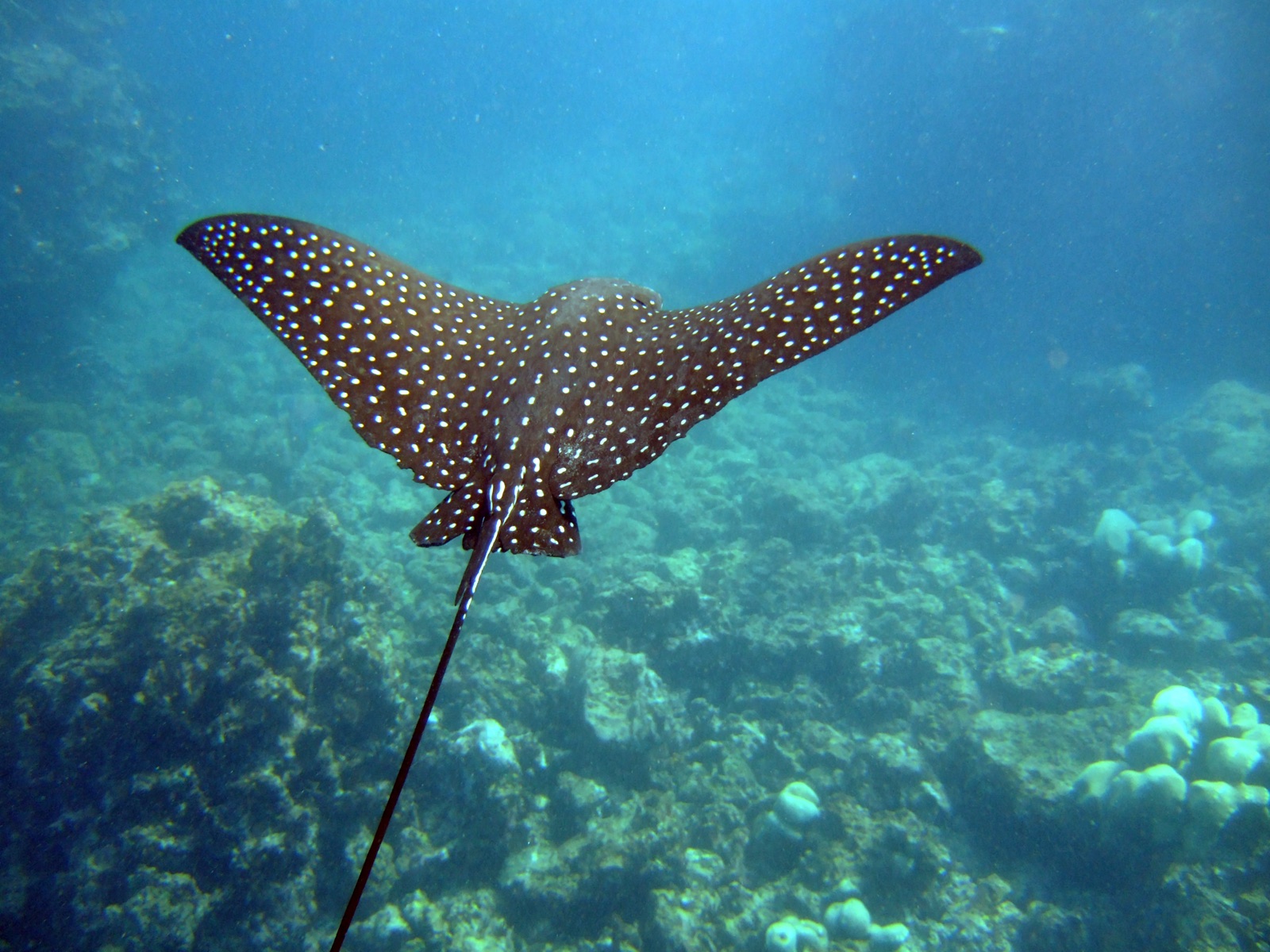
Spotted Eagle Ray
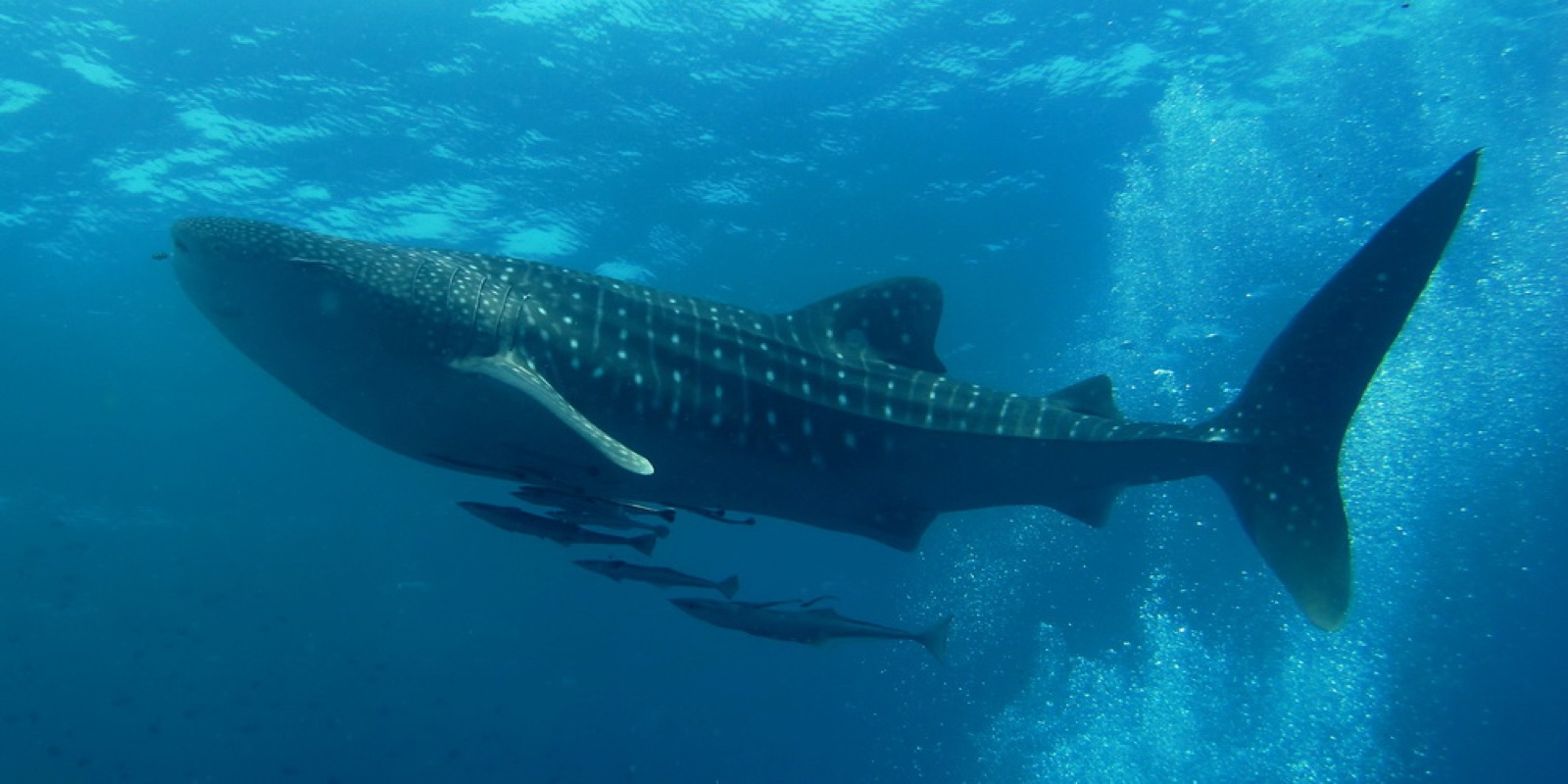
Whale Shark
"Charted here" species were listed by our editors from the sources on this page. Counts are GBIF occurrence records: observations logged within about 5 km of the charted position since 1990, matched only against the species in our catalogue. They show what has been seen there, not a promise of what you will see.