Little Pass
La profondità indica l'intervallo dalla sommità del sito al suo massimo abituale; il "brevetto consigliato" è il livello richiesto dalla maggior parte degli operatori delle principali agenzie, non una norma di legge. Correnti e visibilità cambiano ogni giorno, quindi considera tutto come intervalli di pianificazione.
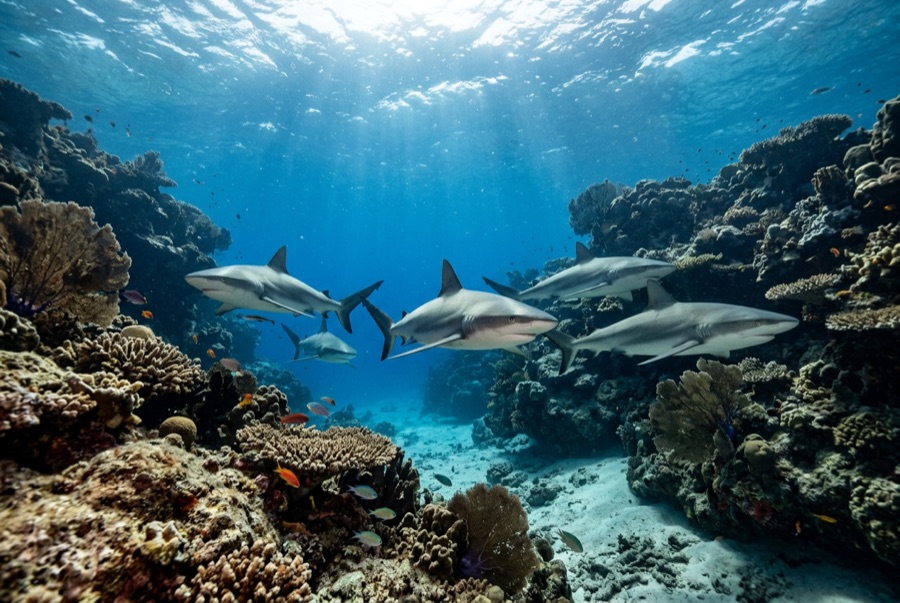
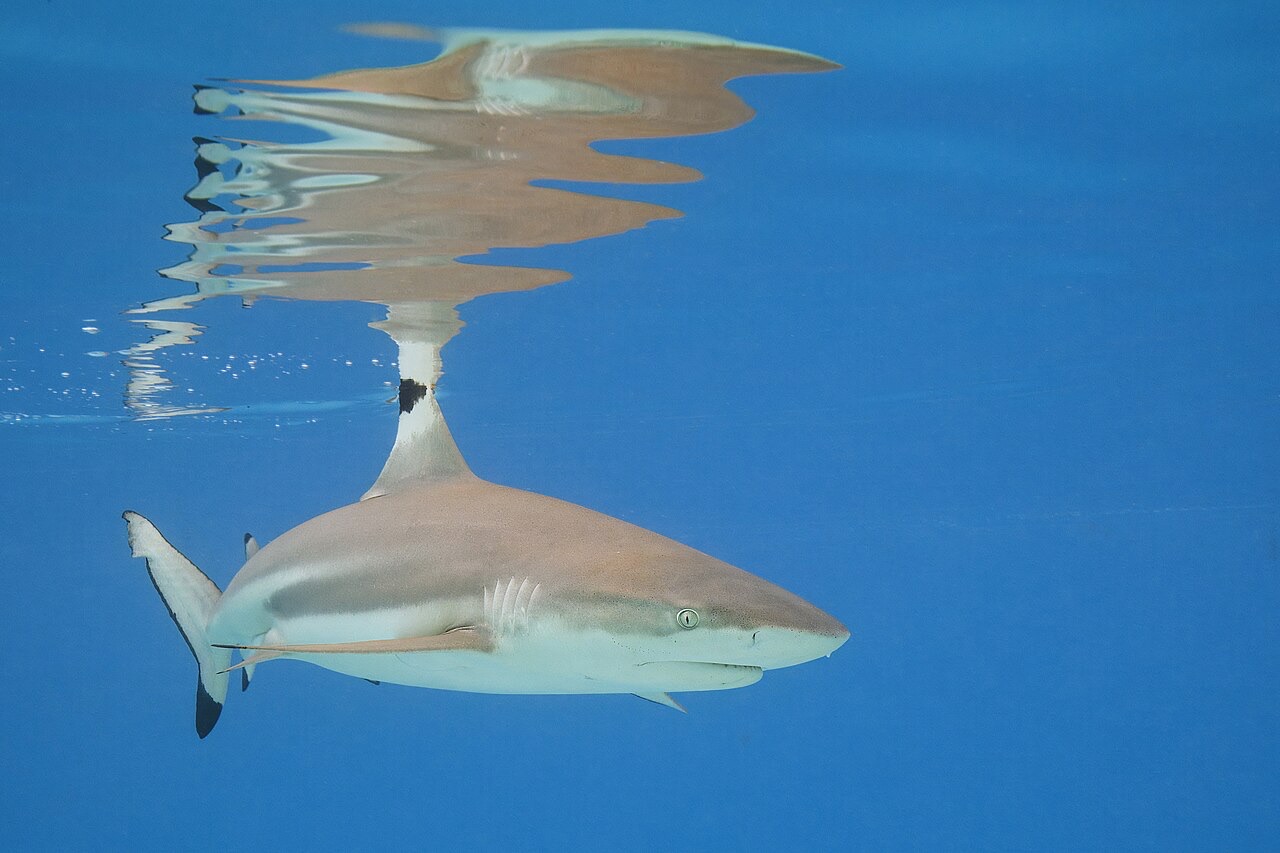
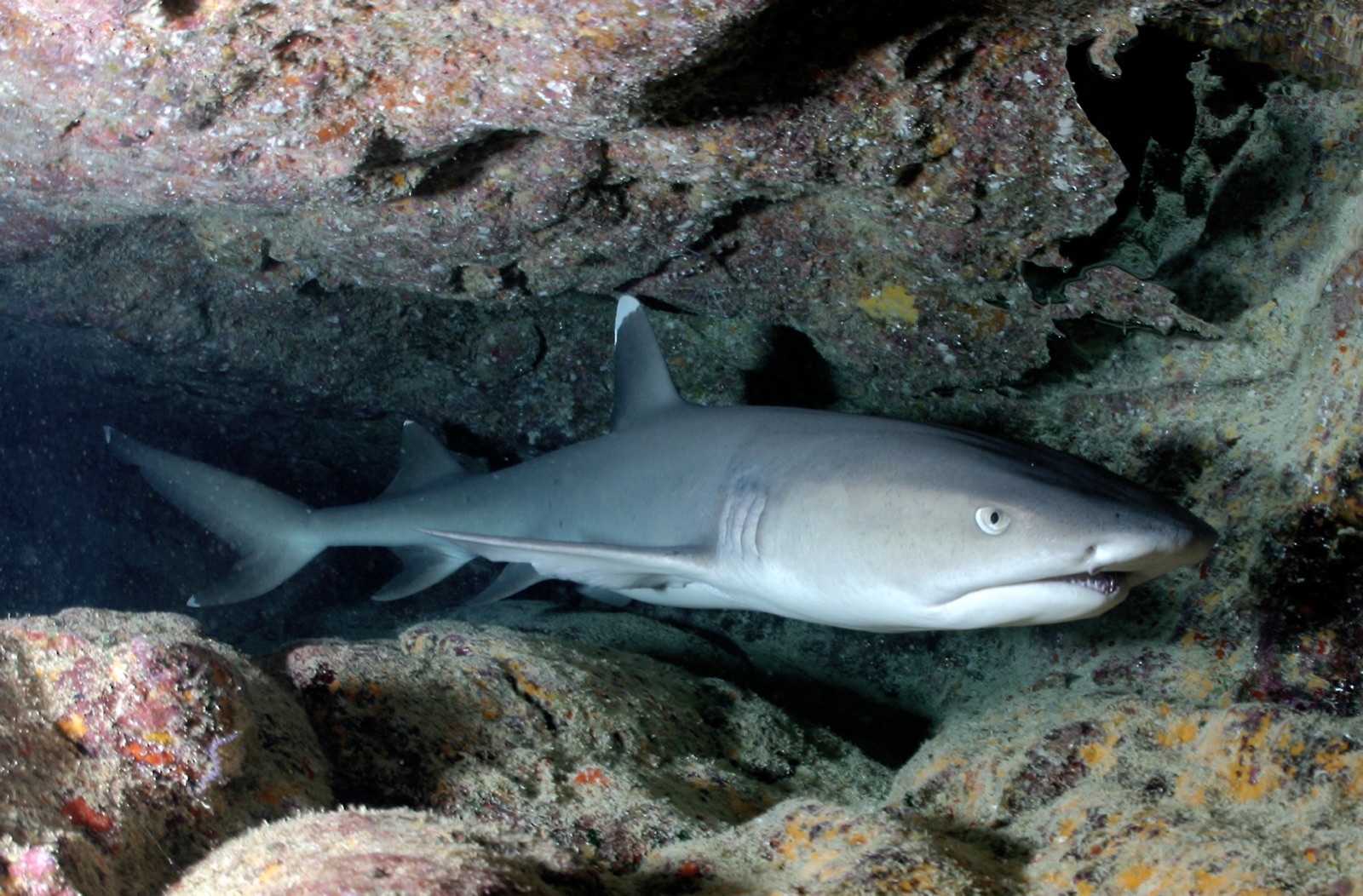
Avatoru Pass divides around a small motu, and Little Pass is the narrower of its two channels, the one on the right as you head in. Divers start from the middle of the main pass on the incoming tide and let the water funnel them into this slot, where the flow is at its fastest, until it releases them into quiet lagoon water. The walls on either side are dotted with small caves where whitetip and blacktip reef sharks lie resting, while groupers, moray eels and scorpionfish tuck into the gaps. Manta rays sometimes hold station in the current to feed. The depth stays modest, about 20 m at most, so what makes this an experienced divers' dive is the speed of the water rather than the depth.
Il momento che aspettavi: Fast drift through a narrow channel; reef sharks resting in wall caves; manta rays feeding in the current
Topografia: Narrow channel between islets, walls with small caves, lagoon coral at the end
Corrente: The flood tide is especially strong where the channel narrows.
Entrata: Incoming-tide drift from the middle of Avatoru Pass into the narrow right-hand channel between two islets, ending in calm lagoon water.
Sapere prima di tuffarsi
Pericoli: Strong current in a narrow channel; walls and cave mouths close at hand; boat pick-up in the lagoon.
Chi incontrerai
Le specie "schedate qui" sono state inserite dai nostri redattori a partire dalle fonti indicate in questa pagina. I conteggi sono record di occorrenza GBIF: osservazioni registrate entro circa 5 km dalla posizione indicata in carta a partire dal 1990, confrontate esclusivamente con le specie presenti nel nostro catalogo. Mostrano ciò che è stato avvistato in quel luogo, non una garanzia di ciò che vedrete.