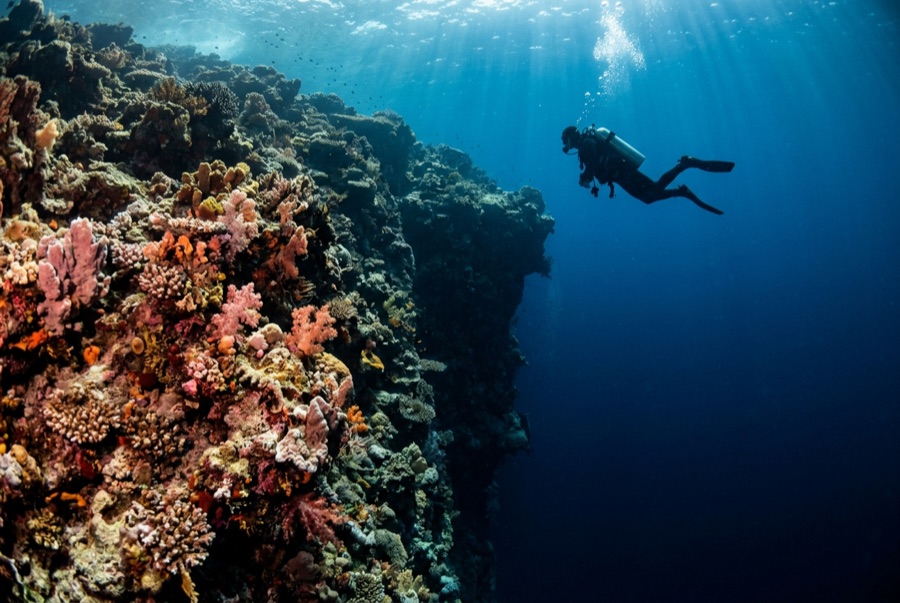
Scripps Canyon
La profundidad es el rango desde la cima del punto de buceo hasta su máximo habitual; la "certificación recomendada" es el nivel que los operadores suelen pedir según las agencias principales, no una norma legal. Las corrientes y la visibilidad cambian a diario, así que trata todo esto como rangos de planificación.
North of Scripps Pier, the northern branch of the La Jolla canyon system cuts into the shelf as a narrow gorge between sheer walls, old sandstone sea cliffs drowned when sea level rose. A buoy marks the canyon head at about 21 m, where the walls stand less than 6 m apart before they spread and the floor drops away toward 275 m. Ravines filled with frozen-looking cascades of sand break the faces, and overhangs shelter rockfish, scorpionfish, gobies, swell sharks and spiny lobster on stair-step ledges. Nudibranchs are plentiful, including species seldom seen elsewhere, sponges and gorgonians color the rock, and cold upwelling occasionally brings wolf eels. Upwelled water can fall to 10 C or less, so most divers wear drysuits and carry two lights.
El momento por el que vienes: Sheer canyon walls a short boat ride from La Jolla; nudibranchs, lobster ledges and swell sharks; ranked by many among the best dives in Southern California
Topografía: Sheer sandstone canyon walls with ravines, overhangs and stair-step ledges above a floor that falls away toward 275 m
Entrada: Usually dived from a boat moored on the buoy at the canyon head; a shore approach means a long walk from La Jolla Shores past Scripps Pier and a lengthy surface swim.
Lo que debes saber antes de tirarte al agua
Riesgos: Depth: the walls continue to hundreds of meters, so buoyancy control and gauge watching are critical; cold, dark water under a surface plankton layer; possible open-water ascent in limited visibility.
Conservación: The canyon lies beside the Matlahuayl State Marine Reserve and San Diego-Scripps Coastal State Marine Conservation Area; check their boundaries and take rules before any collecting.
A quién encontrarás
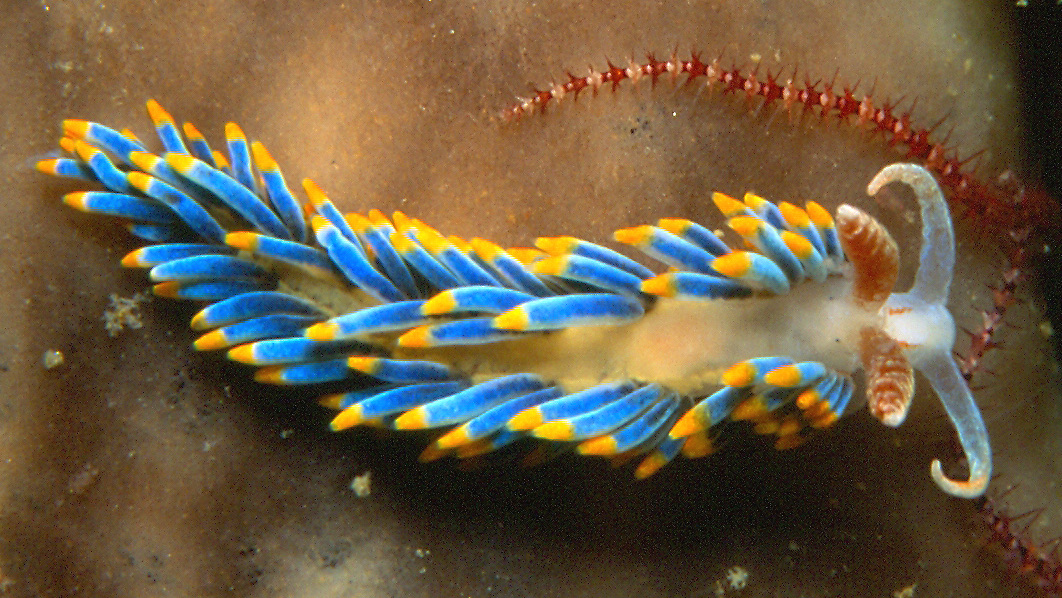
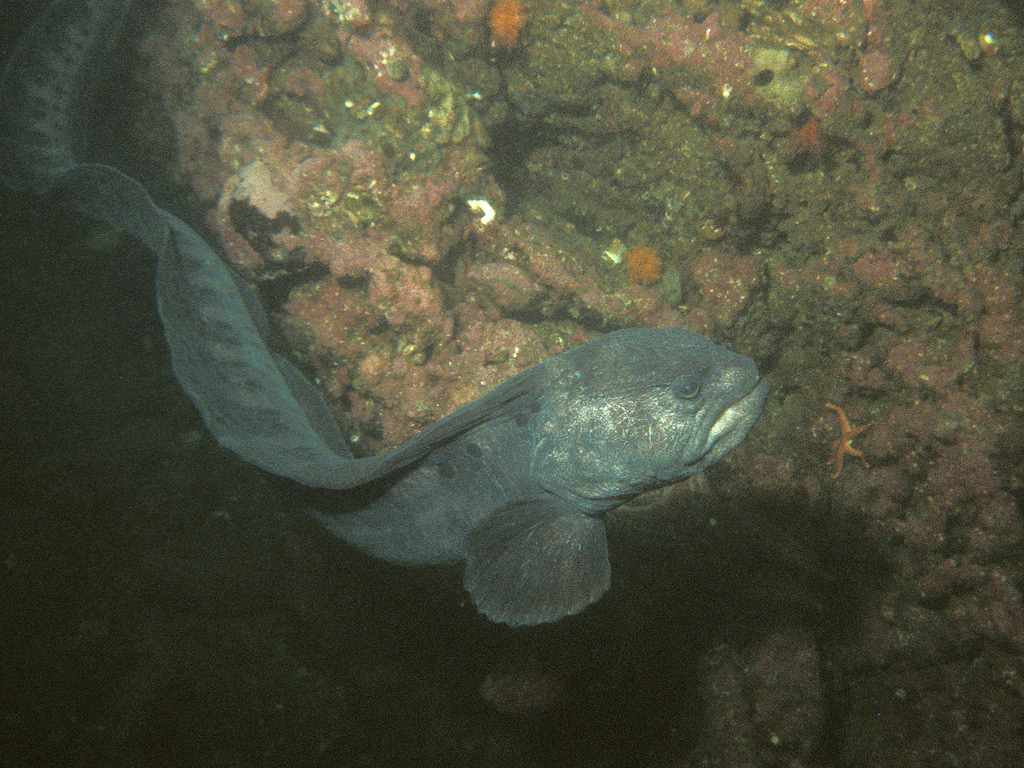
Las especies "aquí registradas" fueron añadidas por nuestros editores a partir de las fuentes de esta página. Los recuentos son registros de ocurrencia de GBIF: observaciones anotadas en un radio de unos 5 km de la posición registrada desde 1990, cotejadas únicamente con las especies de nuestro catálogo. Muestran lo que se ha avistado allí, no una garantía de lo que verás.