Carval Rock
Depth is the range from the top of the site to its usual maximum; "recommended cert" is the mainstream-agency level operators usually ask for, not a legal rule. Currents and visibility change daily, so treat everything here as planning ranges.
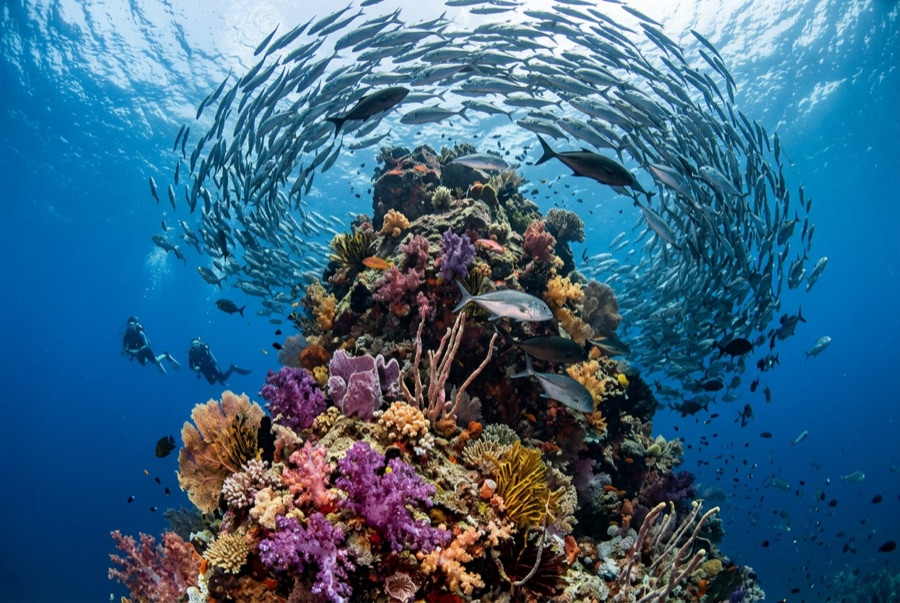
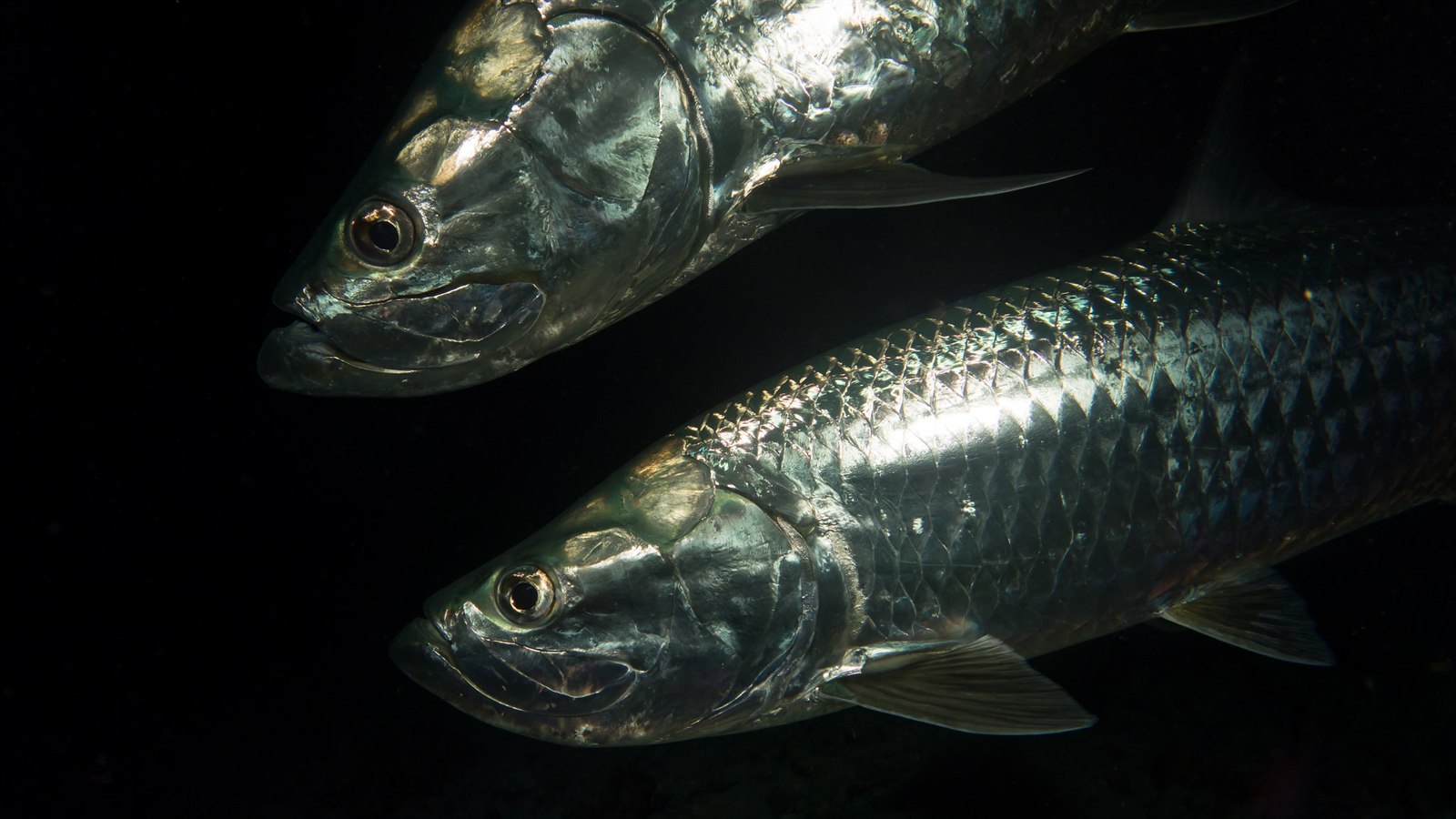
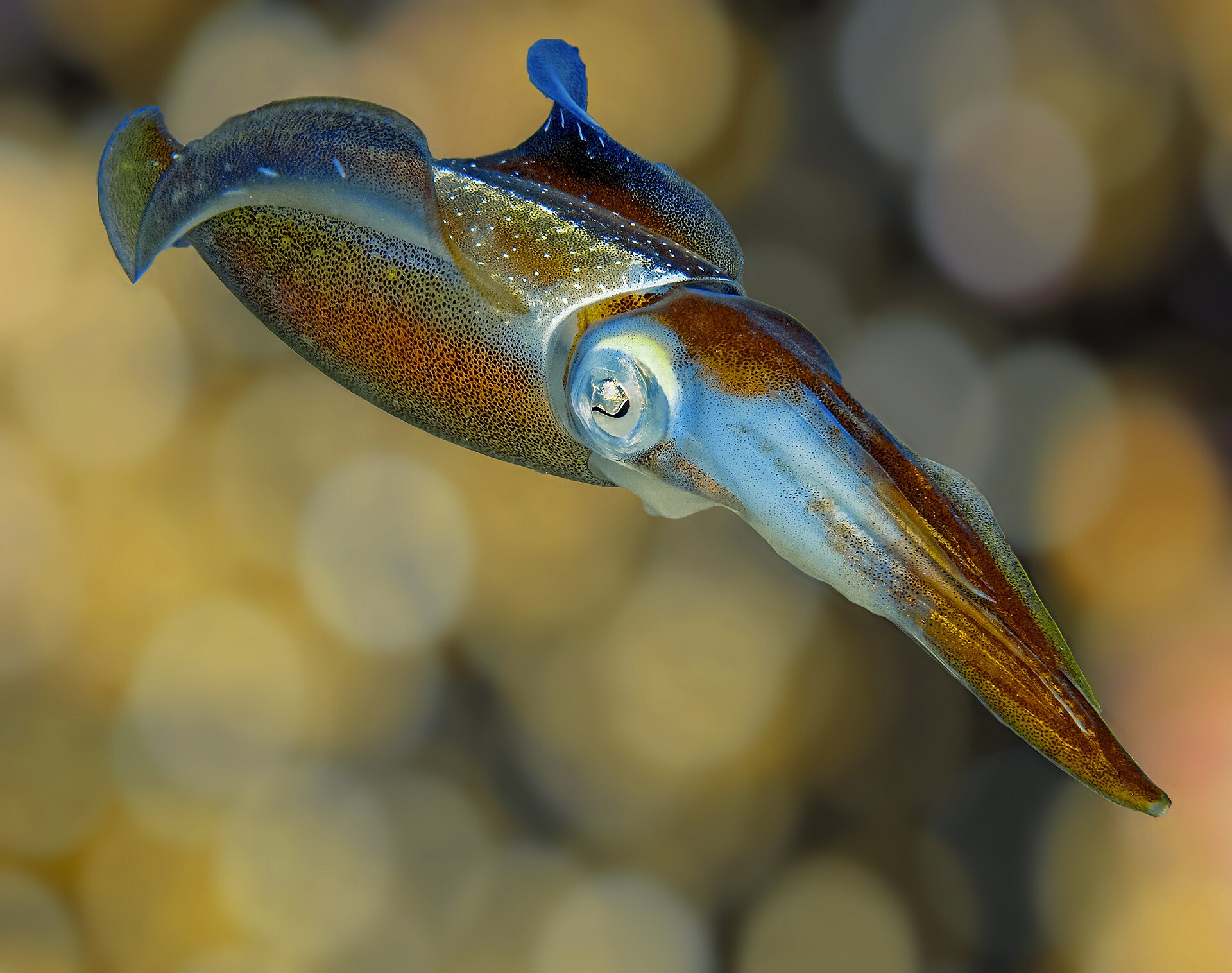
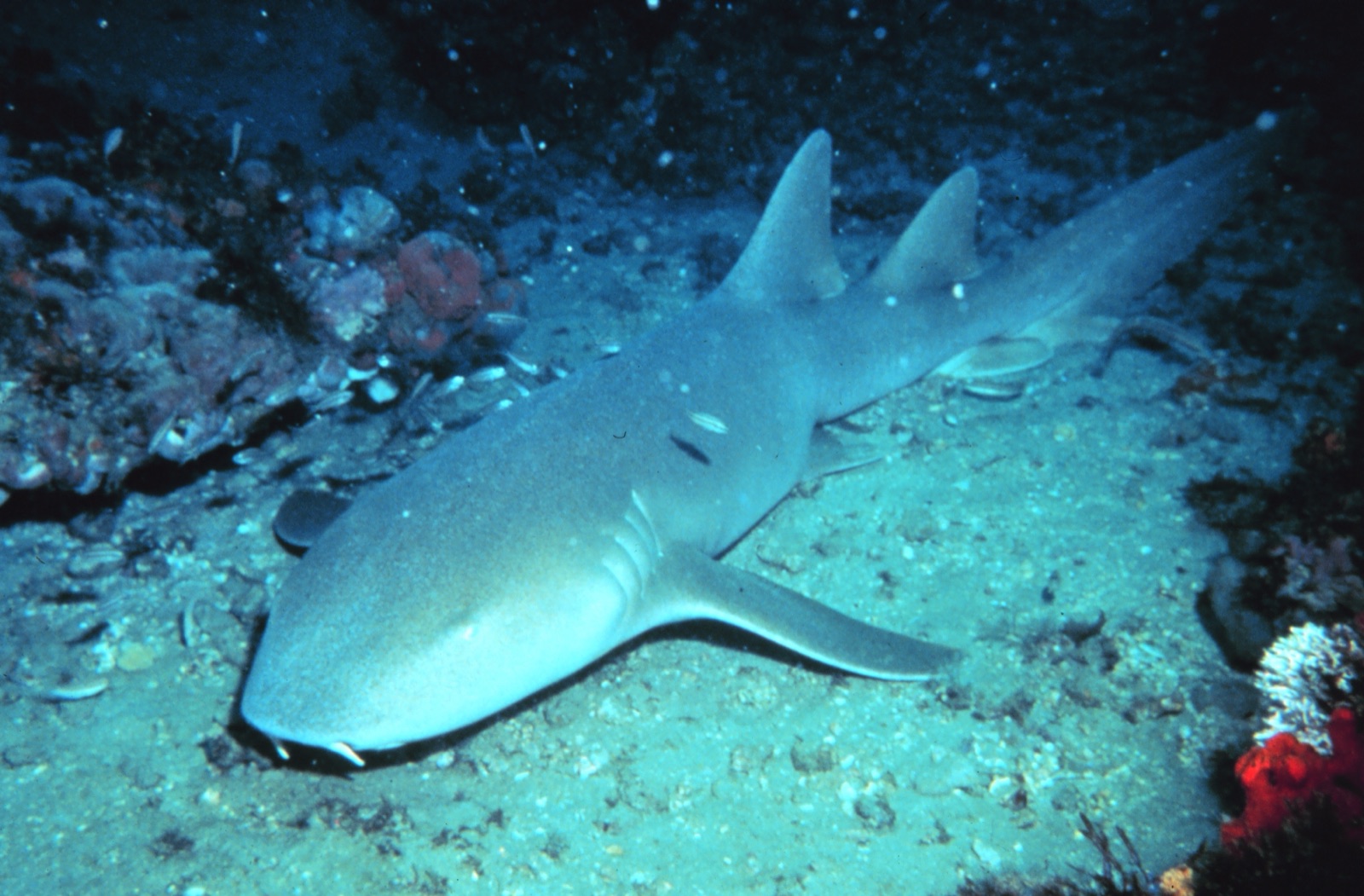
Carval Rock is a line of steep rocks, about 90 m long and growing taller from west to east, that rises from the sea just east of Congo Cay. Its name recalls an old warship, and one tale has a captain mistaking the rock for a ship and firing on it. Boats tie up on the sheltered south side of the biggest rock. Divers then kick through The Cut, a shallow gap where the current runs hard, and let the flow carry them around. The deepest water, about 24 m, is on the north and east faces, where a near-vertical canyon fills with baitfish and hunting tarpon. Sponges, sea fans and tunicates cover the walls, and the shallow coral gardens on the return hide octopus, reef squid and resting nurse sharks.
The moment you come for: Swimming The Cut in the current; tarpon hunting baitfish in the north-side canyon; sheer wall on the east end
Topography: Line of steep rocks with a submerged cut, a vertical-walled canyon and coral gardens
Current: Stiff flow through The Cut and around the rock; mornings are usually calmest.
Entry: Boats moor on the sheltered south side of the largest rock; divers go through The Cut against the current, then ride it around the rock.
Know before you splash
Hazards: Strong and changeable current that can carry divers away from the rock; depth to about 24 m; exposed in rough weather, so dives are planned for calm mornings.
Who you'll meet
Atlantic Tarpon
Caribbean Reef Squid
Nurse Shark
"Charted here" species were listed by our editors from the sources on this page. Counts are GBIF occurrence records: observations logged within about 5 km of the charted position since 1990, matched only against the species in our catalogue. They show what has been seen there, not a promise of what you will see.