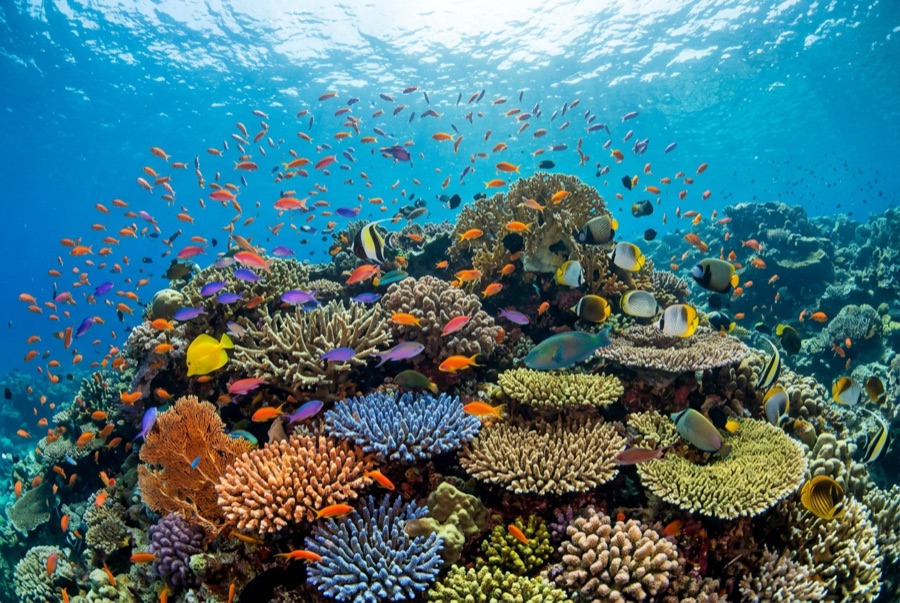
Hardy Reef
Depth is the range from the top of the site to its usual maximum; "recommended cert" is the mainstream-agency level operators usually ask for, not a legal rule. Currents and visibility change daily, so treat everything here as planning ranges.
Hardy Reef lies on the outer Great Barrier Reef about 80 km east of Airlie Beach, roughly two hours by boat, and holds the much-photographed Heart Reef. Diving is based at Reefworld, a permanent pontoon moored on the eastern side of a deep channel between two reefs, and most dives explore the sheltered reef edge within about 100 m of it. Coral grows from around 20 m to the surface, with the best hard coral in the top 5 m and ledges, shallow caves, sea fans and soft corals down to 10 m. Fish fed here over many years have grown big and bold, including giant Maori wrasse, trevally, coral trout and a Queensland groper reported at about 2 m long. Divers who slow down find titan triggerfish, several groupers and a wide variety of nudibranchs.
The moment you come for: Easy diving beside a permanent reef pontoon; big, tame Maori wrasse and Queensland groper; ledges and caves with soft corals; nudibranchs and night dives on overnight stays
Topography: Coral slope and wall with ledges and small caves to about 10 m, then rubble and sand slopes into a deep channel
Current: Sheltered along the wall beside the pontoon; consistent current away from the wall and in the channel, where a drift can work.
Entry: Large day cruises from Airlie Beach and some island resorts tie up at the permanent Reefworld pontoon; dives follow the reef edge for about 100 m to the north and south of it, and overnight stays on the pontoon allow night dives.
Know before you splash
Hazards: Current away from the wall and over the channel, where the water drops to about 60 m; northerly winds remove the shelter; busy pontoon with many snorkelers overhead.
Who you'll meet
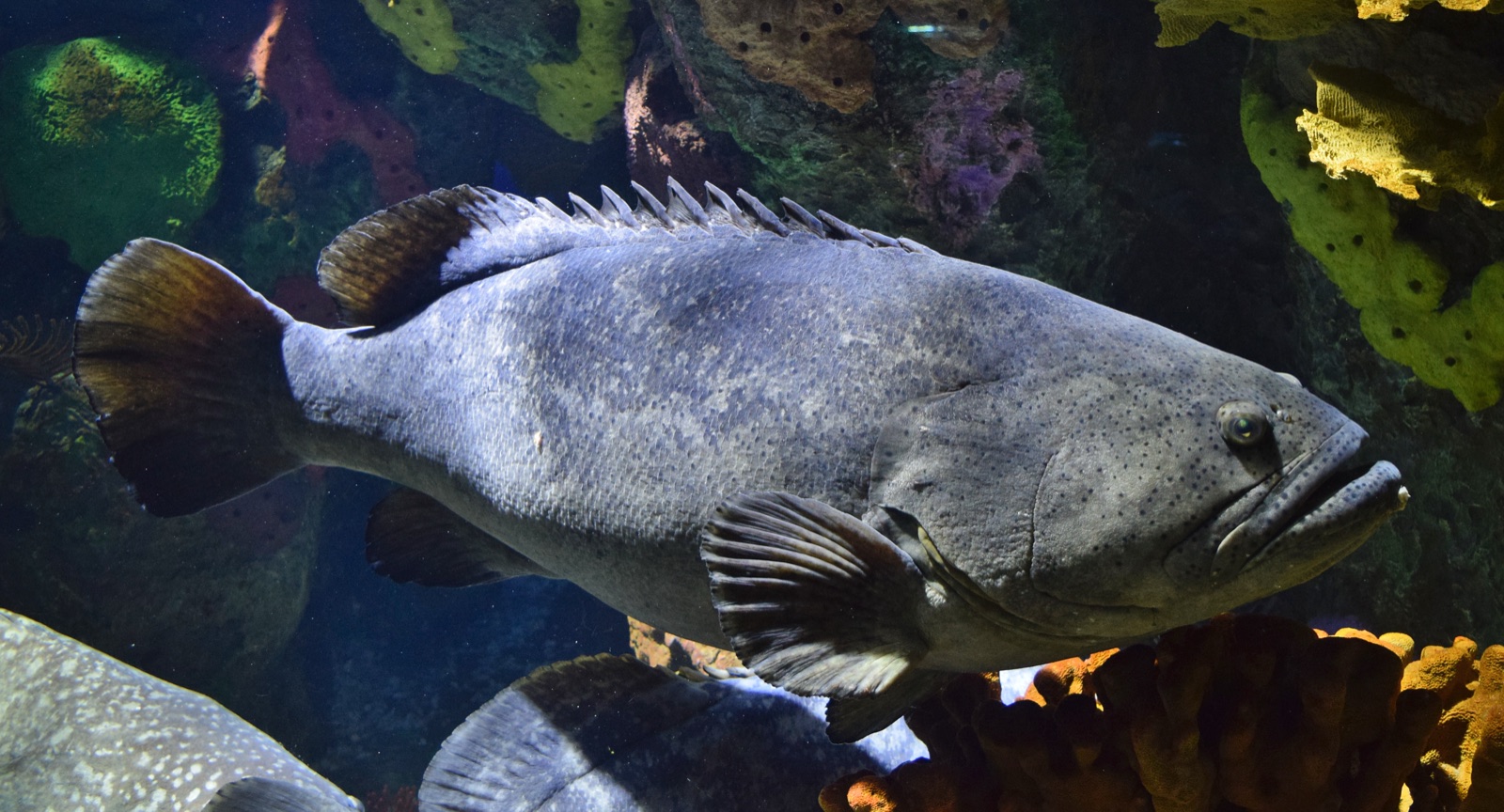
Giant Grouper
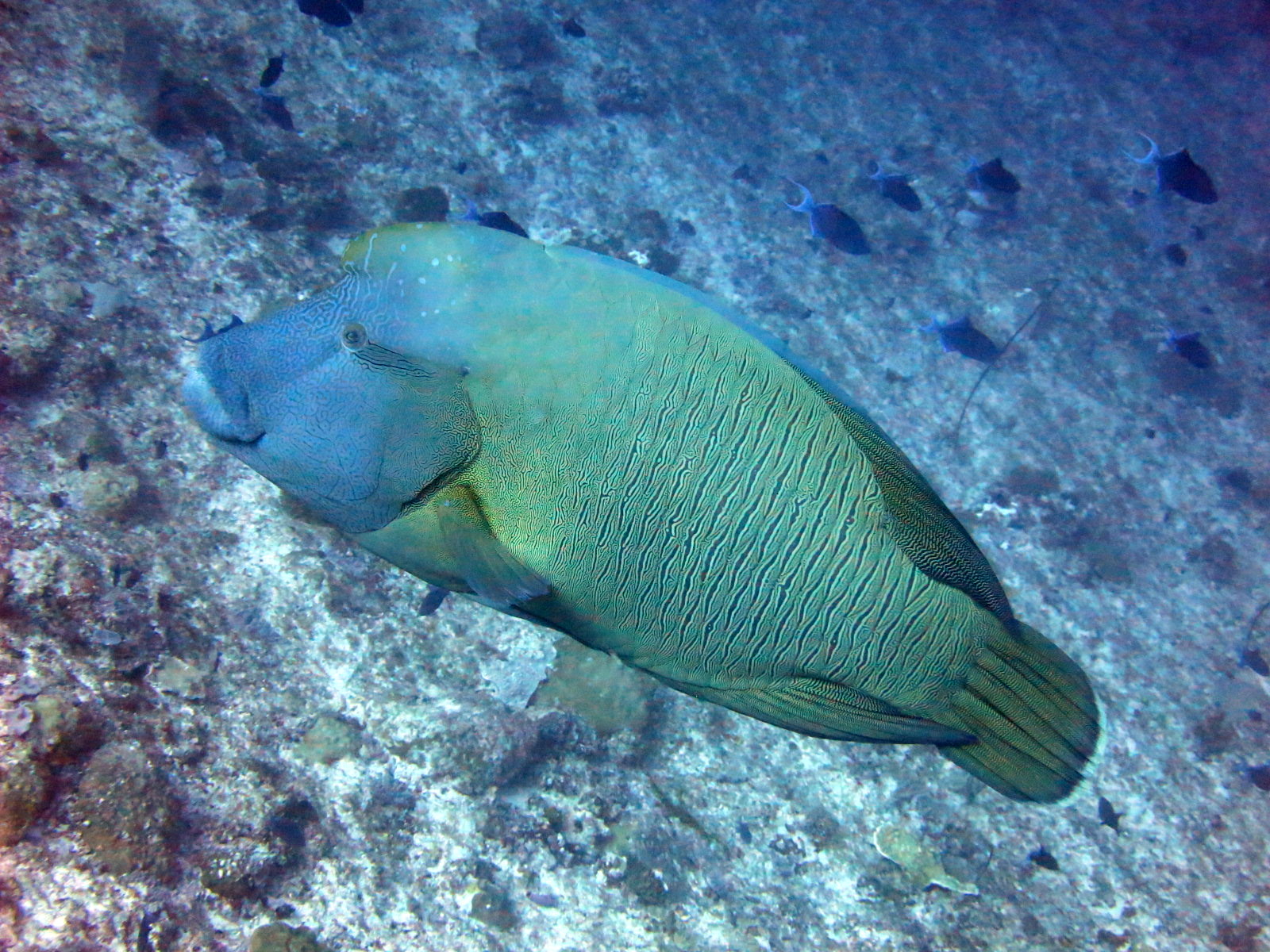
Napoleon (Humphead) Wrasse
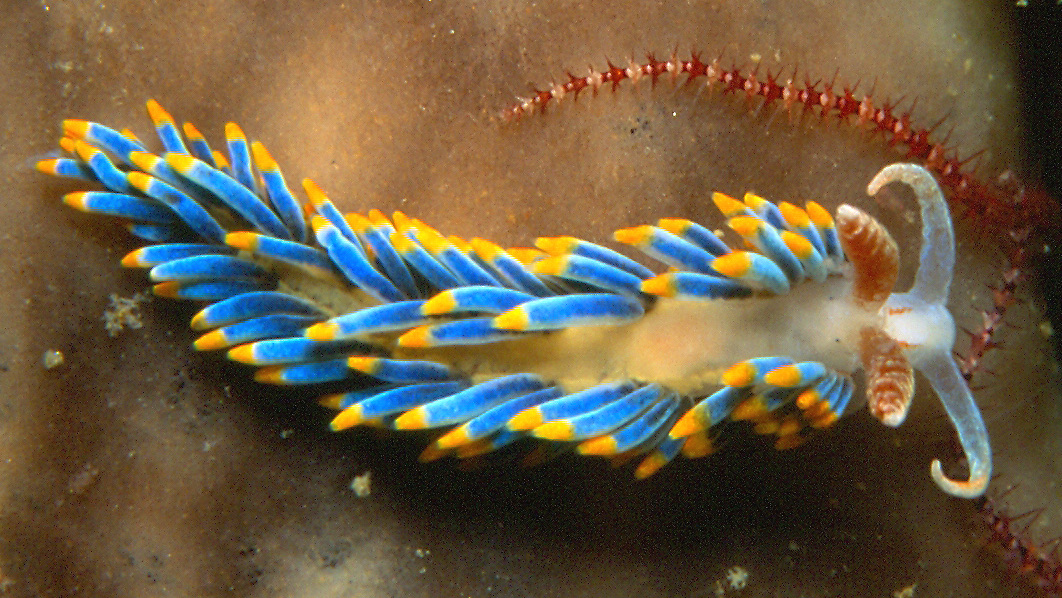
Nudibranchs
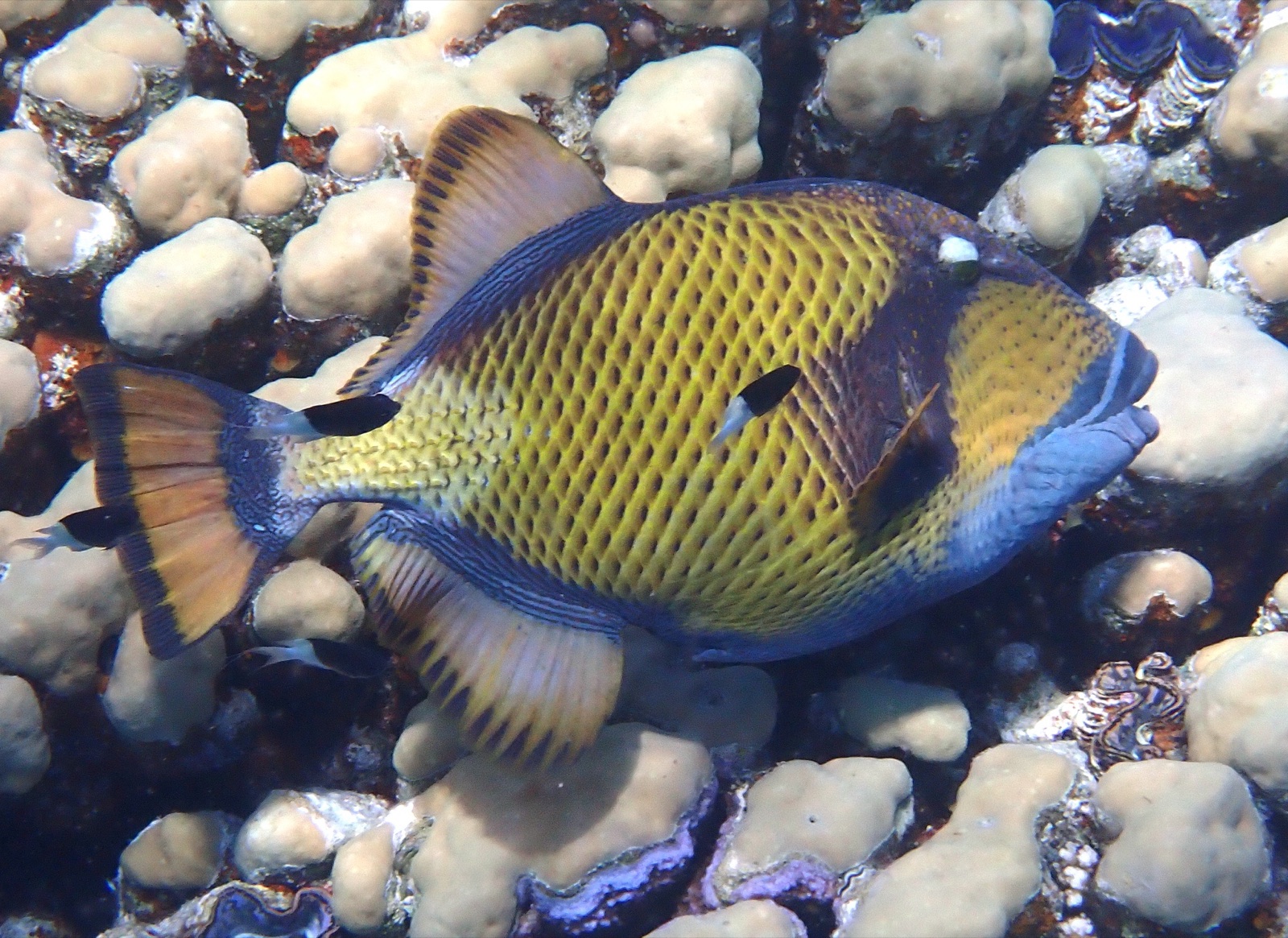
Titan Triggerfish
"Charted here" species were listed by our editors from the sources on this page. Counts are GBIF occurrence records: observations logged within about 5 km of the charted position since 1990, matched only against the species in our catalogue. They show what has been seen there, not a promise of what you will see.