Zeelandbrug
Độ sâu là khoảng từ đỉnh của địa điểm đến mức tối đa thông thường; "chứng chỉ được khuyến nghị" là cấp độ mà các đơn vị điều hành thuộc tổ chức đào tạo chính thống thường yêu cầu, không phải quy định pháp lý. Dòng chảy và tầm nhìn thay đổi theo ngày, vì vậy hãy xem mọi thứ ở đây như các phạm vi tham khảo khi lập kế hoạch.
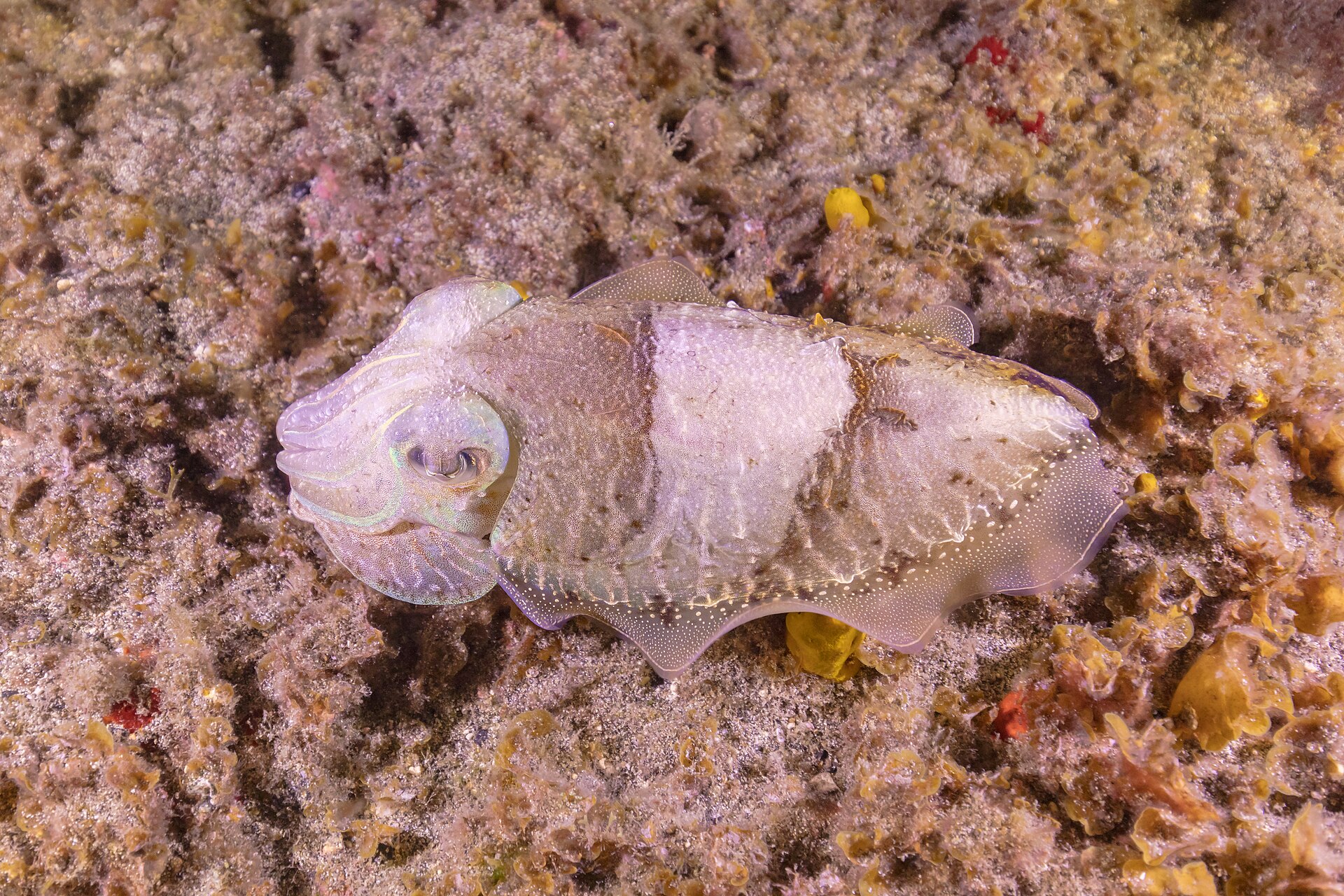
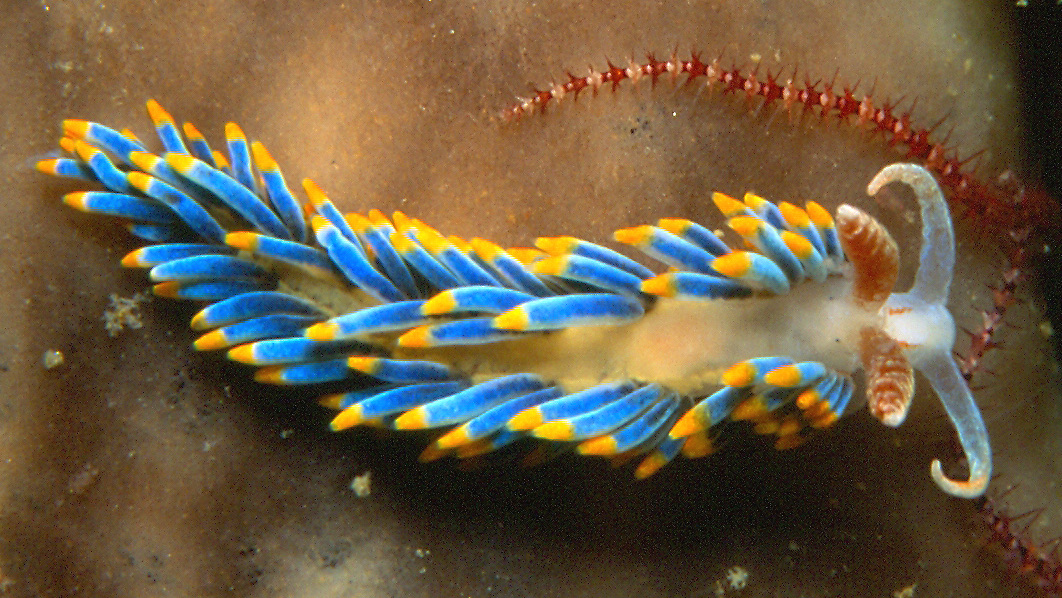
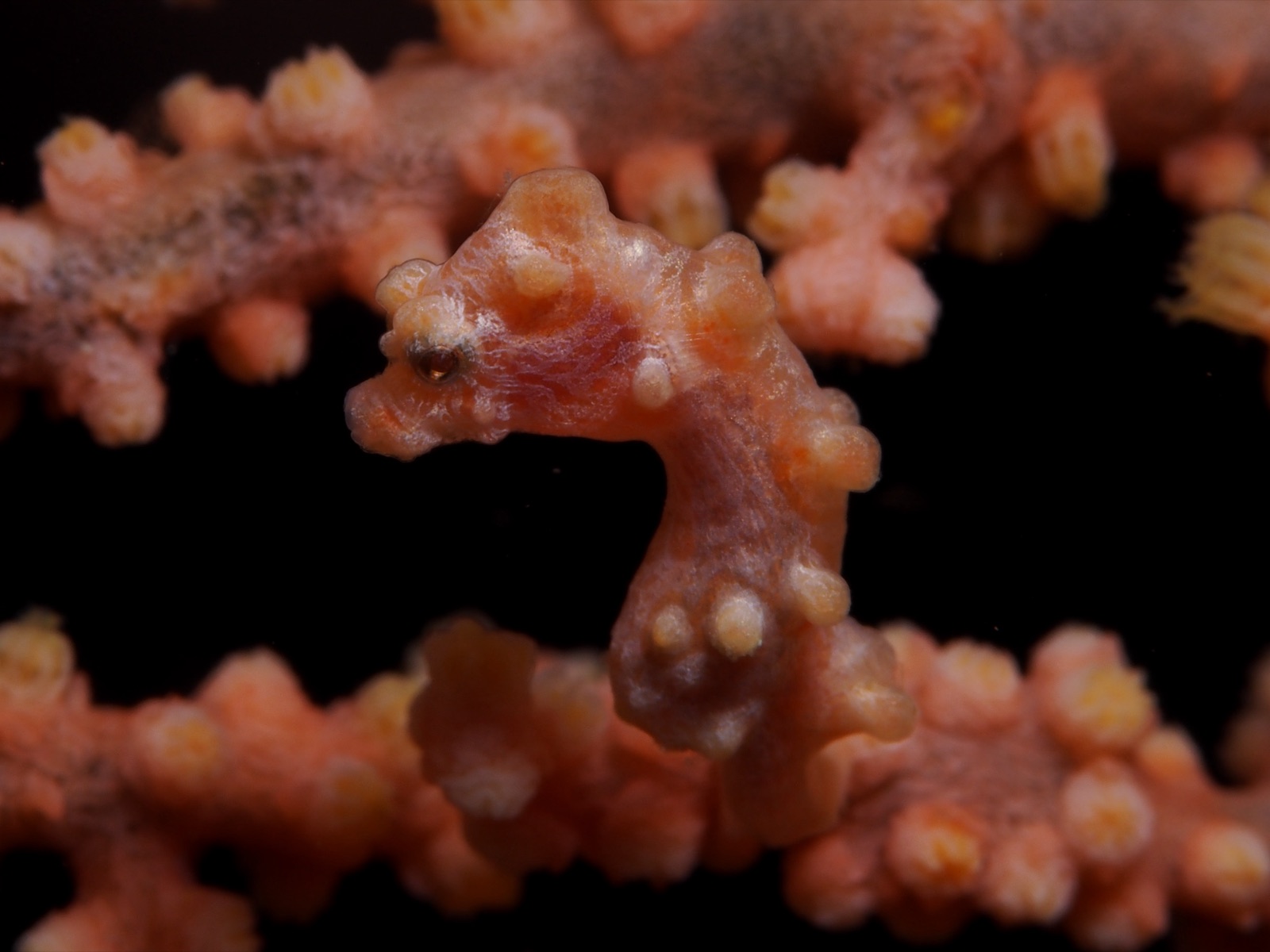
The Zeelandbrug carries the road across the Oosterschelde from Zierikzee, and its pillars and the boulder reef around them make up one of the best-known dives in the Netherlands. Every spring cuttlefish gather at the Zierikzee end to lay their eggs, a spectacle that helps draw divers from across Europe to Zeeland. Strong tides sweep the pillars, so this is a site for experienced current divers timed to slack water; the bottom reaches about 21 m, and reef stones up to 2 m high can bruise the careless. Oysters, mussels, tube worms and sea squirts cover the structure, home to crabs, shrimps, gunnels, pipefish, sculpins, sea bass, lobsters and lumpsuckers, with seahorses and nudibranchs such as the harlequin sea slug for patient eyes.
Khoảnh khắc bạn đến vì nó: Spring cuttlefish egg-laying at the Zierikzee end; overgrown bridge pillars; seahorses and nudibranchs
Địa hình: Large reef stones and overgrown bridge pillars on the Oosterschelde bed
Dòng chảy: Oosterschelde tidal currents are often strong around the pillars.
Điểm vào: Shore dive from the dike stairs off Straalweg at the Zierikzee end of the bridge; the pillars lie about 50 to 250 m from the entry, and the second pier is for more experienced divers only. Dive around slack water.
Biết trước khi xuống nước
Nguy hiểm cần lưu ý: Strong tidal currents; low visibility; large reef stones; mussel fishing at low water, so do not dive while fishing is under way; temporary diving bans during bridge maintenance.
Giấy phép & quy định: No permit needed; Rijkswaterstaat may ban diving at the pillars during bridge works, as in June and July 2019.
Bạn sẽ gặp ai
Các loài "được ghi chép tại đây" do ban biên tập của chúng tôi tổng hợp từ các nguồn trên trang này. Số lượng là bản ghi xuất hiện từ GBIF: các quan sát được ghi nhận trong phạm vi khoảng 5 km tính từ vị trí đã ghi chép kể từ năm 1990, chỉ đối chiếu với các loài trong danh mục của chúng tôi. Chúng cho thấy những gì đã được nhìn thấy tại đó, không phải cam kết về những gì bạn sẽ thấy.