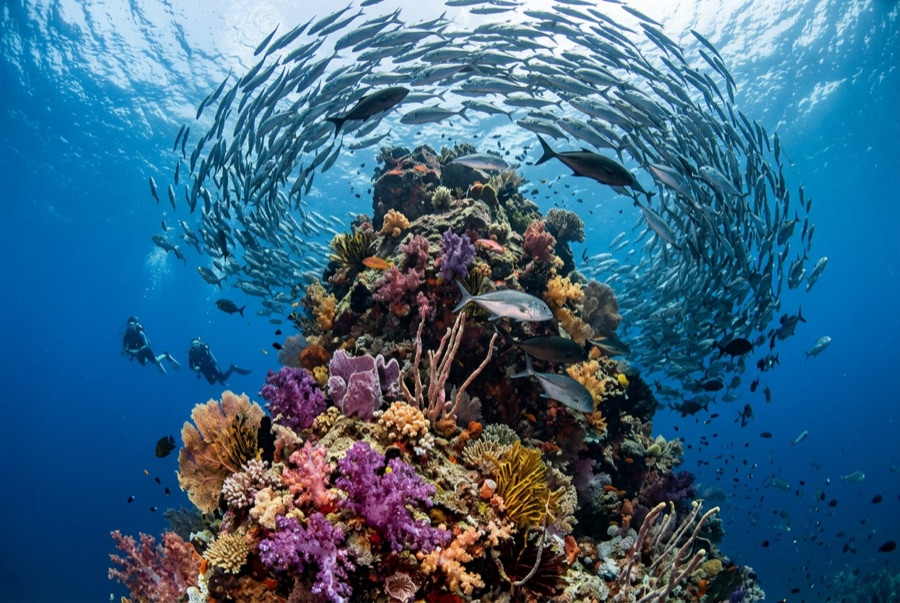
Omadhoo Thila
Depth is the range from the top of the site to its usual maximum; "recommended cert" is the mainstream-agency level operators usually ask for, not a legal rule. Currents and visibility change daily, so treat everything here as planning ranges.
Omadhoo Thila lies in the Omadhoo channel in South Ari Atoll, where two pinnacles sit close together with a narrow channel between them, which earned the site the nickname Big Valley. Dives usually begin with a negative entry onto one pinnacle and a descent toward sand at 30 to 35 meters, where marbled rays rest and whitetip reef sharks cruise. The current decides the route around the reef and picks up between the pinnacles, bringing in barracuda, giant trevally, tuna and eagle rays. Overhangs carry hard and soft corals, and longnose hawkfish hide in the black coral. The pinnacle tops rise to about 6 meters, so the safety stop can be spent among anthias, snappers and green turtles.
The moment you come for: Two pinnacles linked by a current-swept channel; marbled rays and whitetips on the sand; longnose hawkfish in black coral
Topography: Two pinnacles in the Omadhoo channel with small coral heads between them and sand at 30 to 35 m
Current: The flow strengthens in the channel between the two pinnacles.
Entry: Negative entry onto one pinnacle; the current decides the route, and the dive can drift across the channel to the second pinnacle.
Know before you splash
Hazards: Negative entry and depth to 30 to 35 m; current strengthens between the pinnacles and can carry divers off the reef.
Nitrox: Worth it here: profiles sit in the range where enriched air meaningfully extends no-stop time (with the training to use it).
Who you'll meet
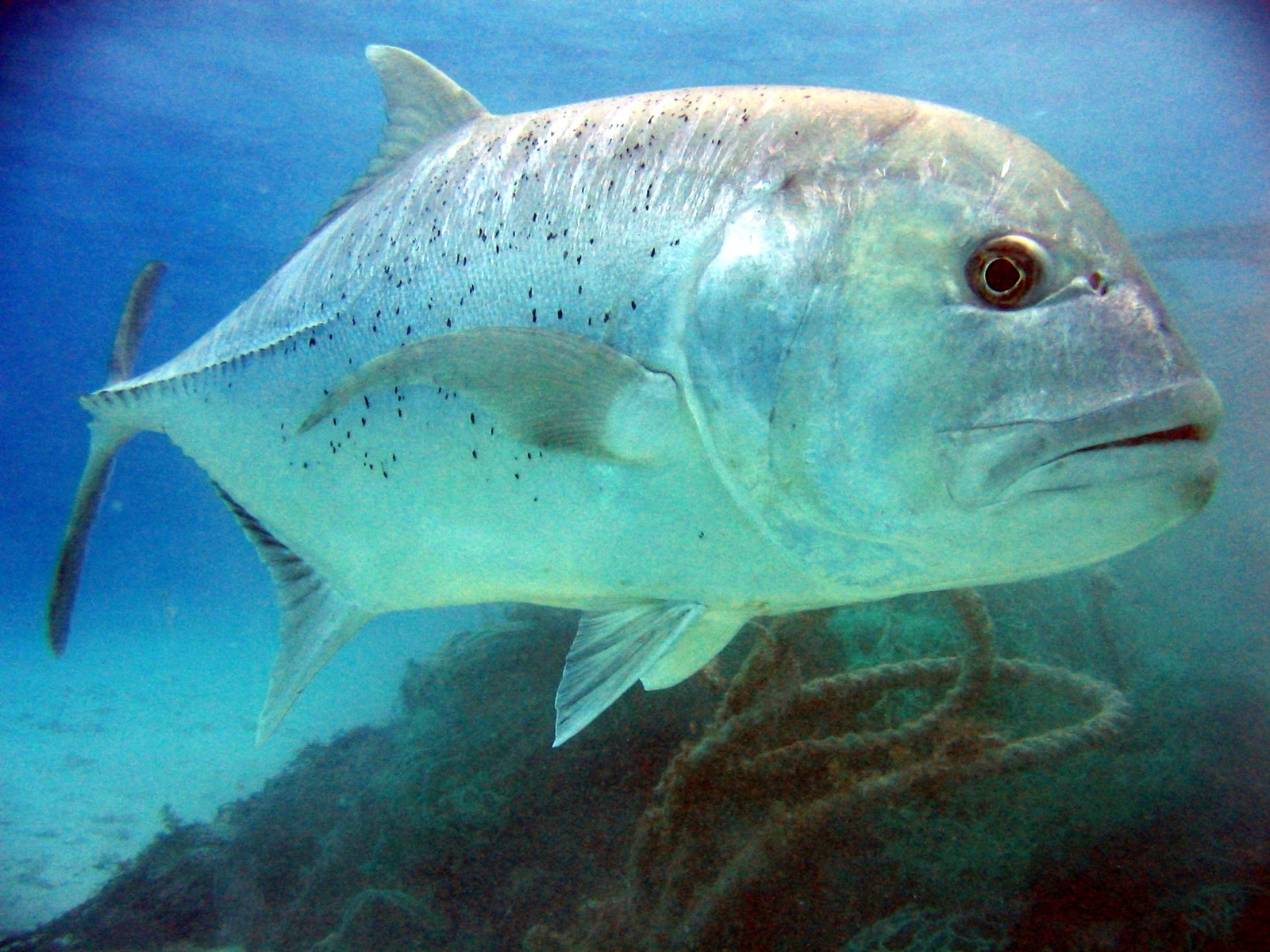
Giant Trevally
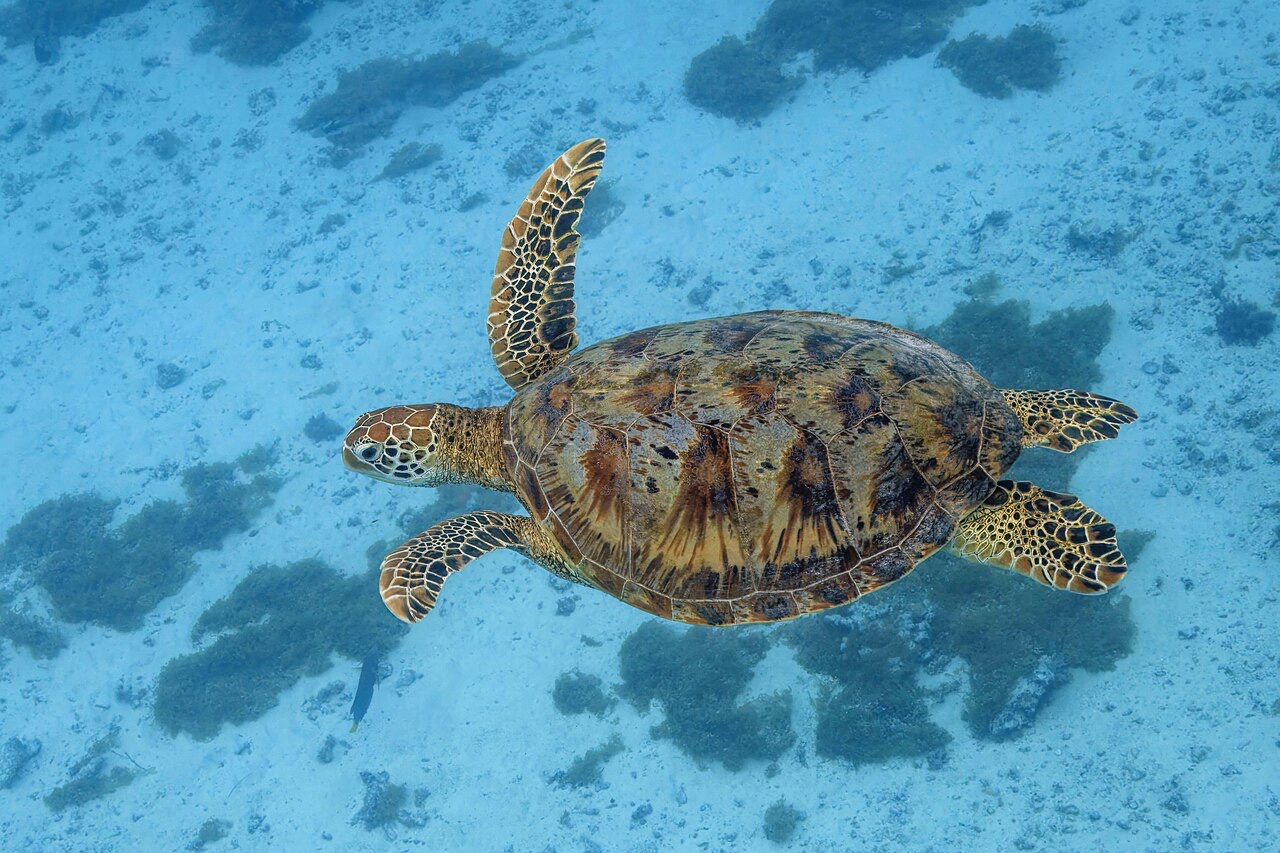
Green Sea Turtle
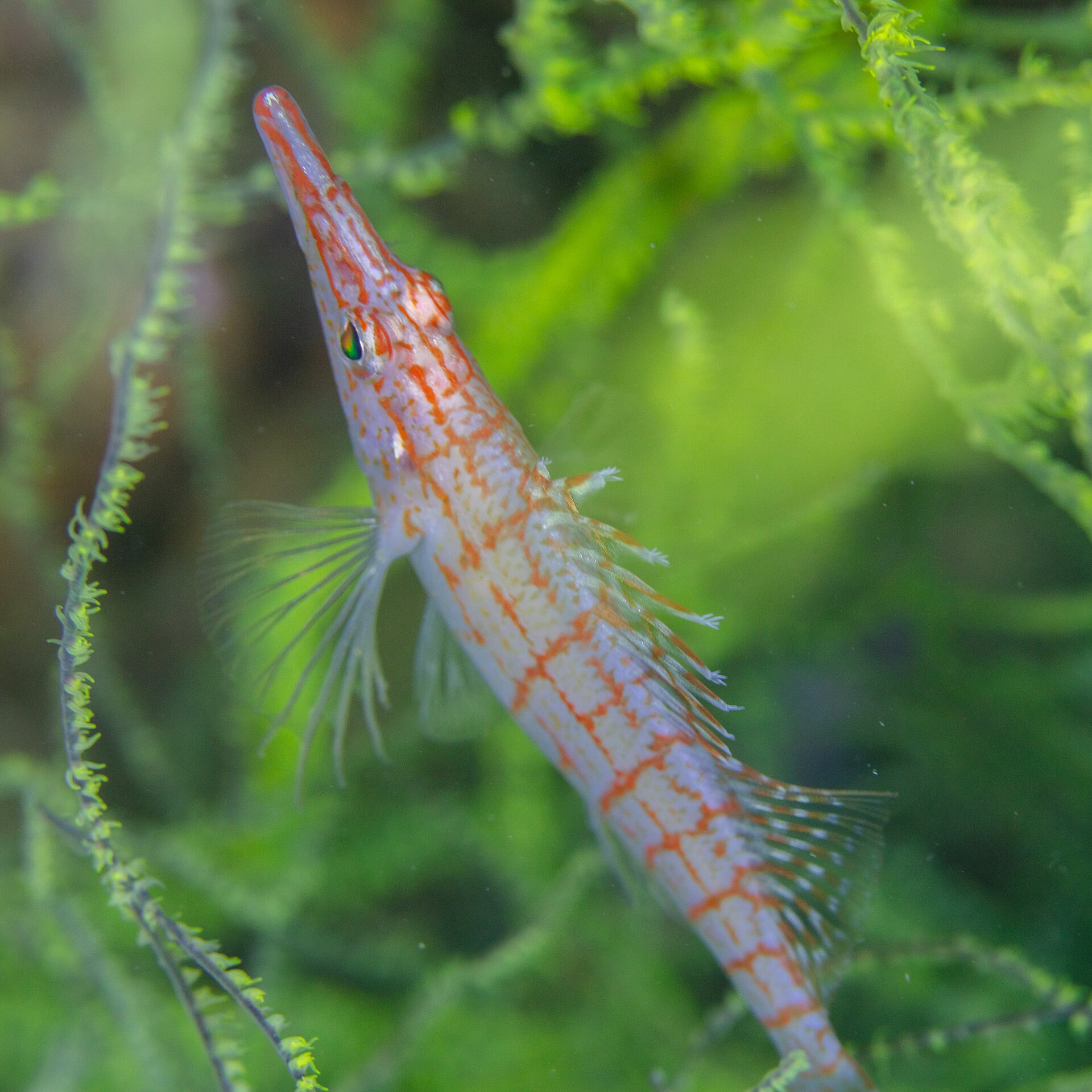
Longnose Hawkfish
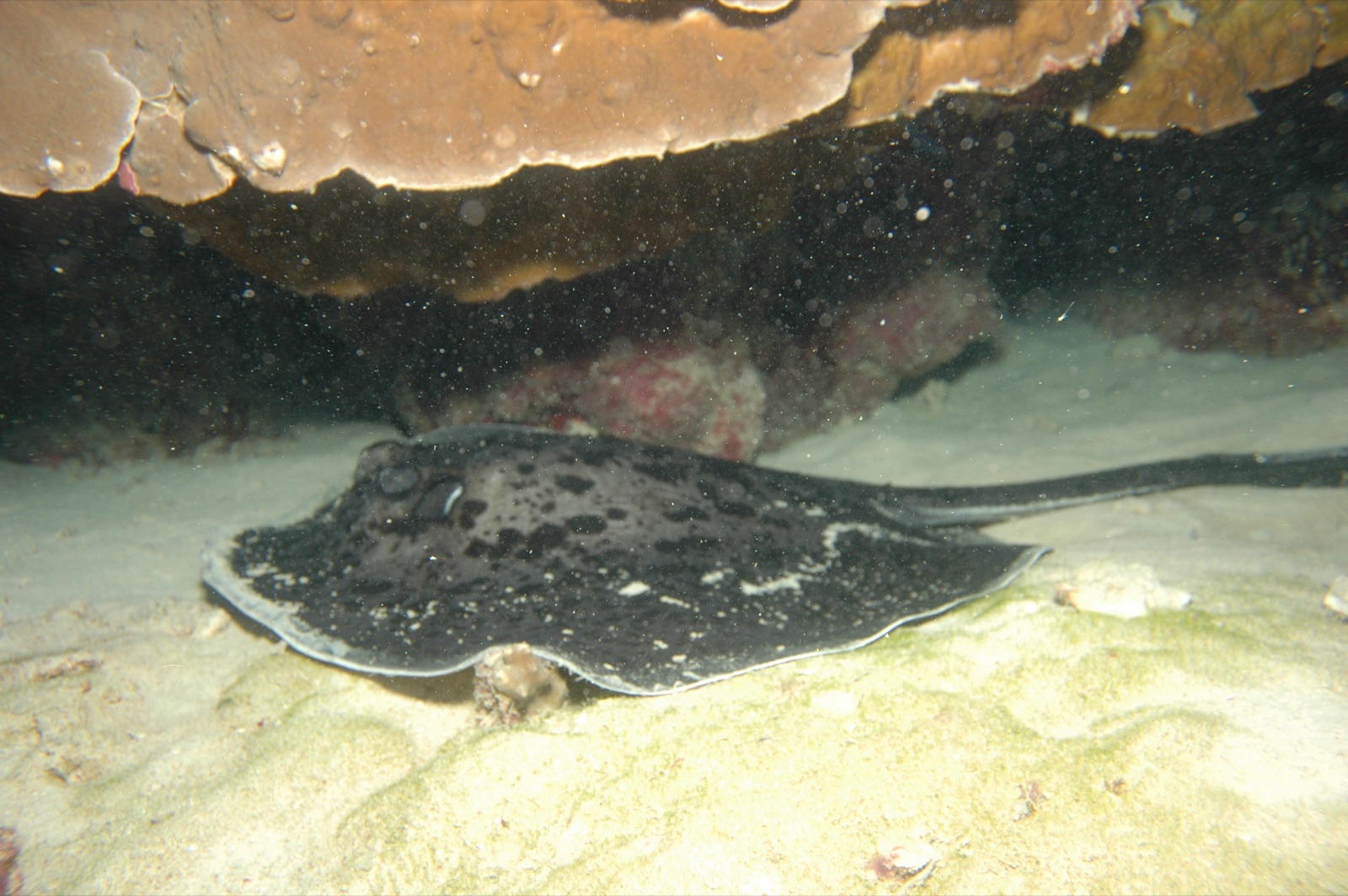
Marbled Ray
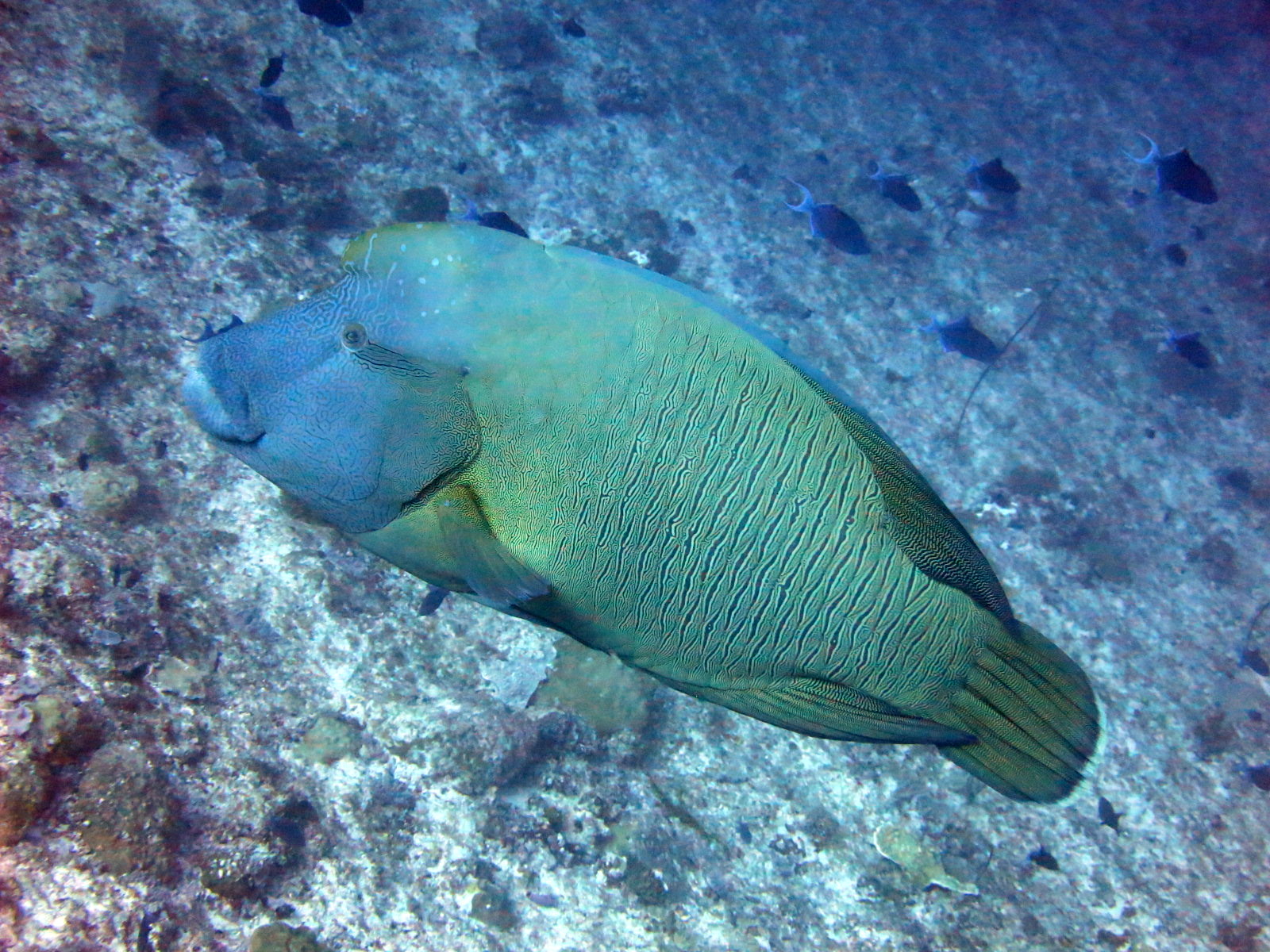
Napoleon (Humphead) Wrasse
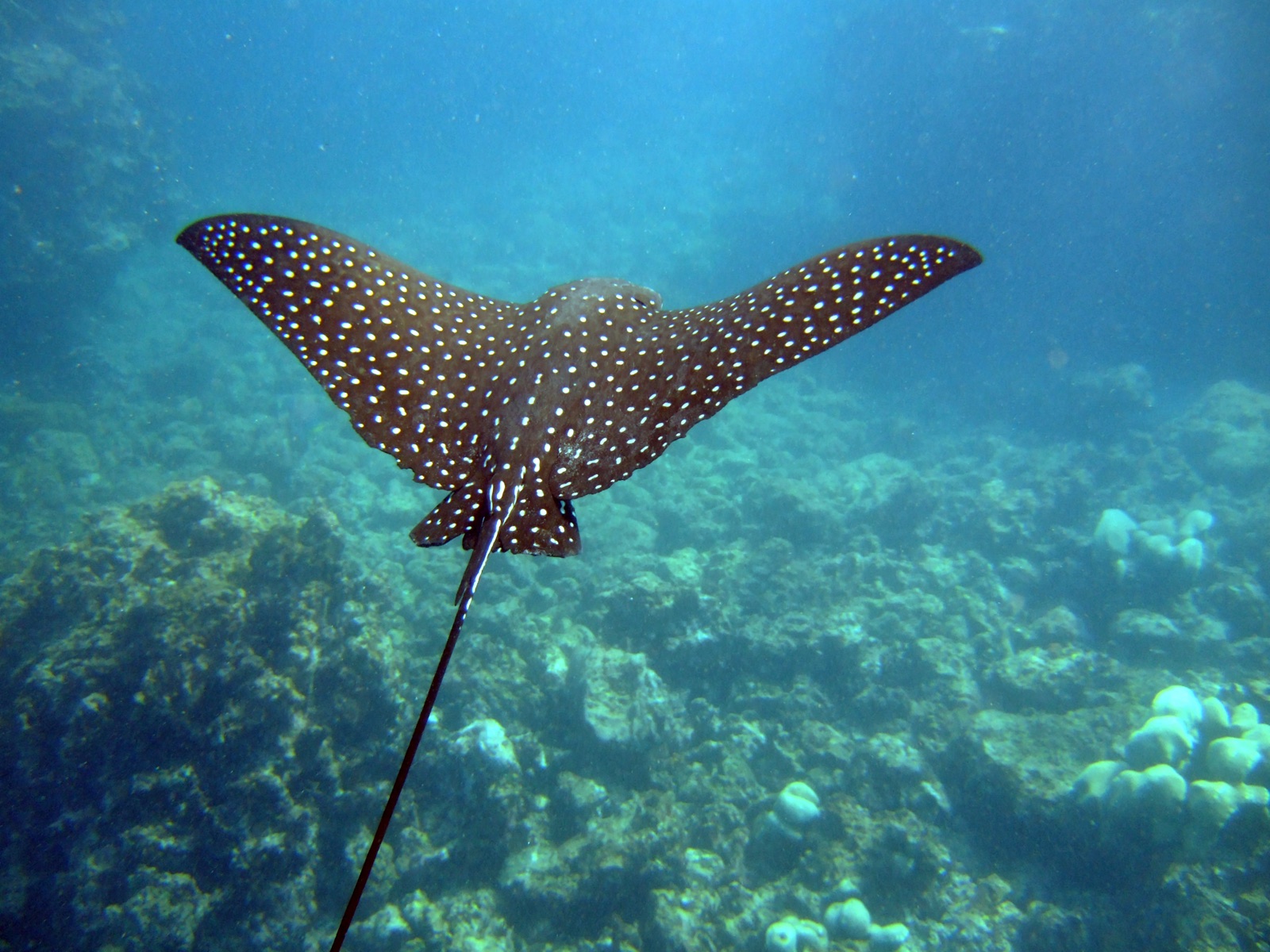
Spotted Eagle Ray
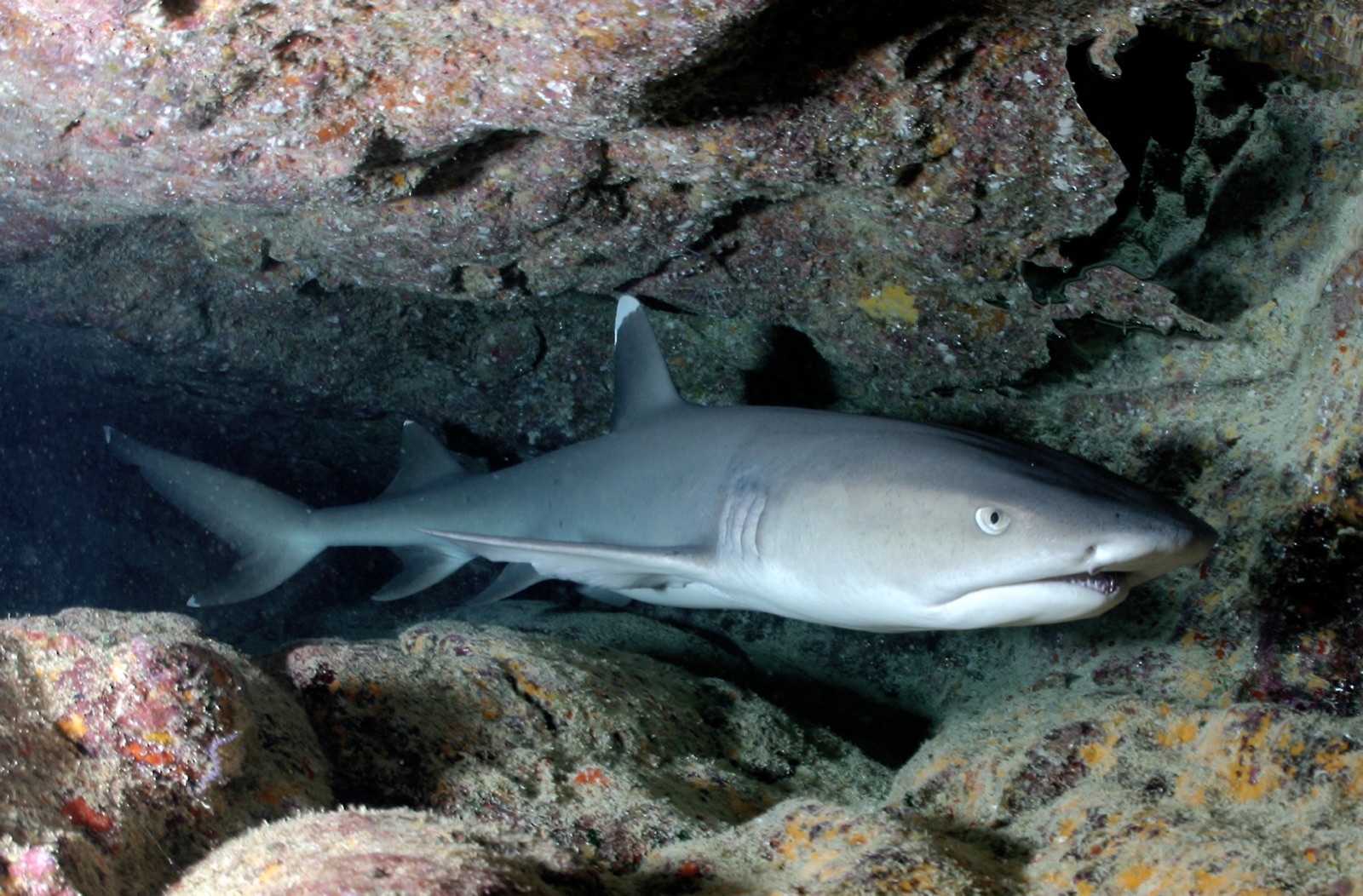
Whitetip Reef Shark
"Charted here" species were listed by our editors from the sources on this page. Counts are GBIF occurrence records: observations logged within about 5 km of the charted position since 1990, matched only against the species in our catalogue. They show what has been seen there, not a promise of what you will see.