Trick Ridge
La profundidad es el rango desde la cima del punto de buceo hasta su máximo habitual; la "certificación recomendada" es el nivel que los operadores suelen pedir según las agencias principales, no una norma legal. Las corrientes y la visibilidad cambian a diario, así que trata todo esto como rangos de planificación.
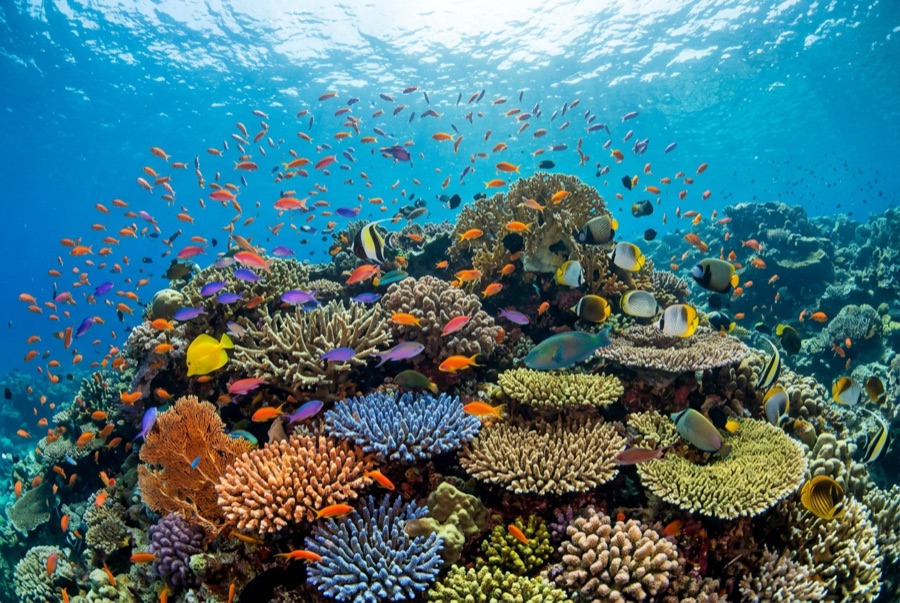
Trick Ridge sits east of Carrie Bow Caye in the South Water Caye Marine Reserve, where a ridge of hard and soft coral runs along the top of the outer wall with a deep sand channel beside it. The coral climbs and dips along the ridge, so depth changes quickly and the guide's profile is worth following closely. Spotted eagle rays are the signature here: an inner wall is nicknamed Eagle Ray City for the groups that glide through. Southern stingrays and rough-tail rays use the sand, and hawksbill or loggerhead turtles turn up on most dives. Big barrel sponges hold cleaning stations where large barracuda and groupers wait for cleaner shrimp, while tube and vase sponges shelter juvenile spotted drums.
El momento por el que vienes: Eagle Ray City, known for groups of spotted eagle rays; coral ridge beside a deep sand channel; cleaning stations on big barrel sponges
Topografía: Coral ridge along the top of the outer wall, beside a deep parallel sand channel
Entrada: Boat dive in the South Water Caye Marine Reserve, about 1 hour 15 minutes by boat from Placencia or 30 to 40 minutes from Hopkins.
Lo que debes saber antes de tirarte al agua
Riesgos: The ridge rises and falls, so depth changes fast, and the outer wall drops into deep water: stay on the guide's profile.
Permisos y normas: Marine reserve conservation fee applies; Placencia operators include it in the trip.
Conservación: Inside the South Water Caye Marine Reserve, established in 1996.
A quién encontrarás
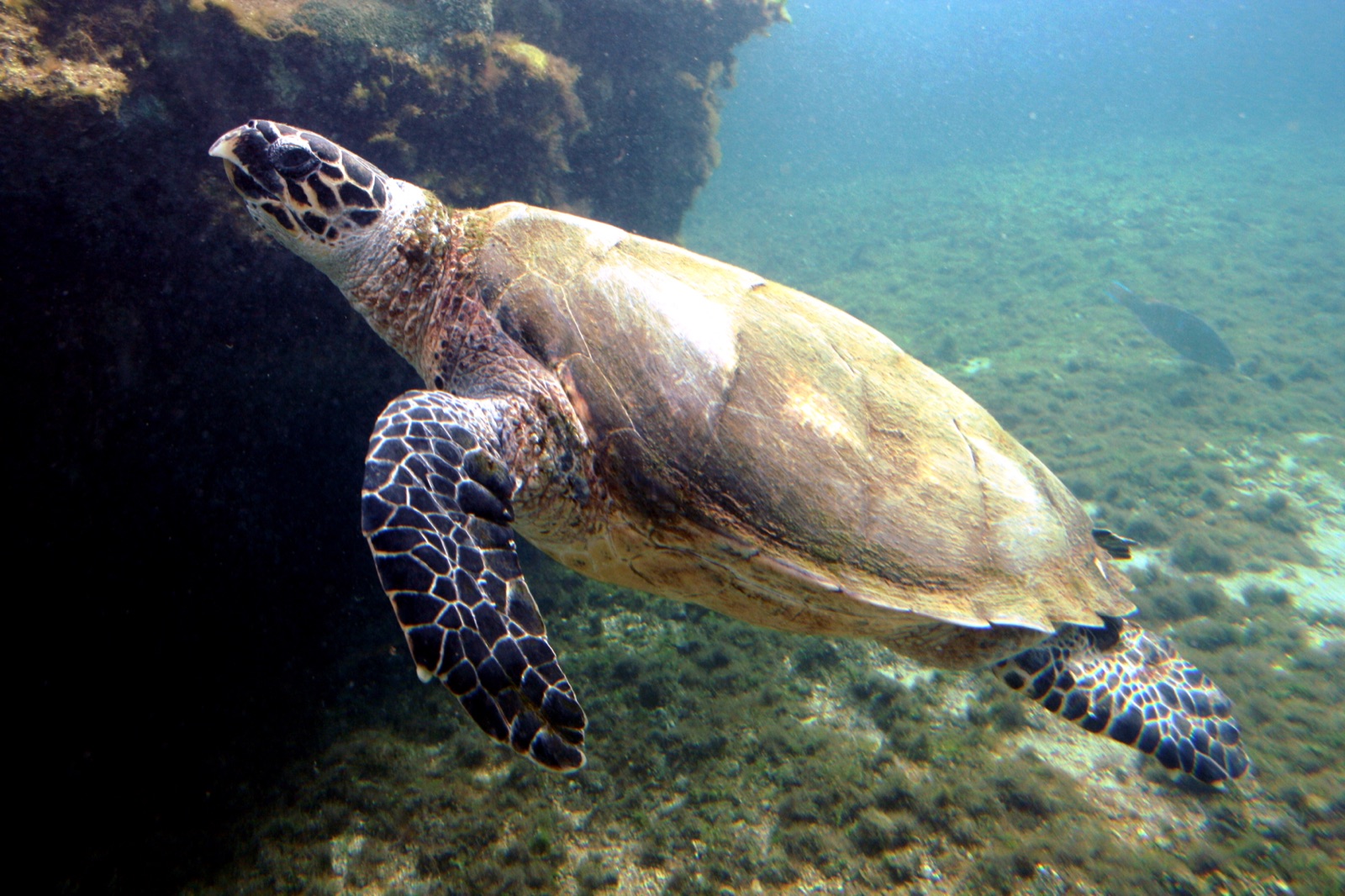
Tortuga carey
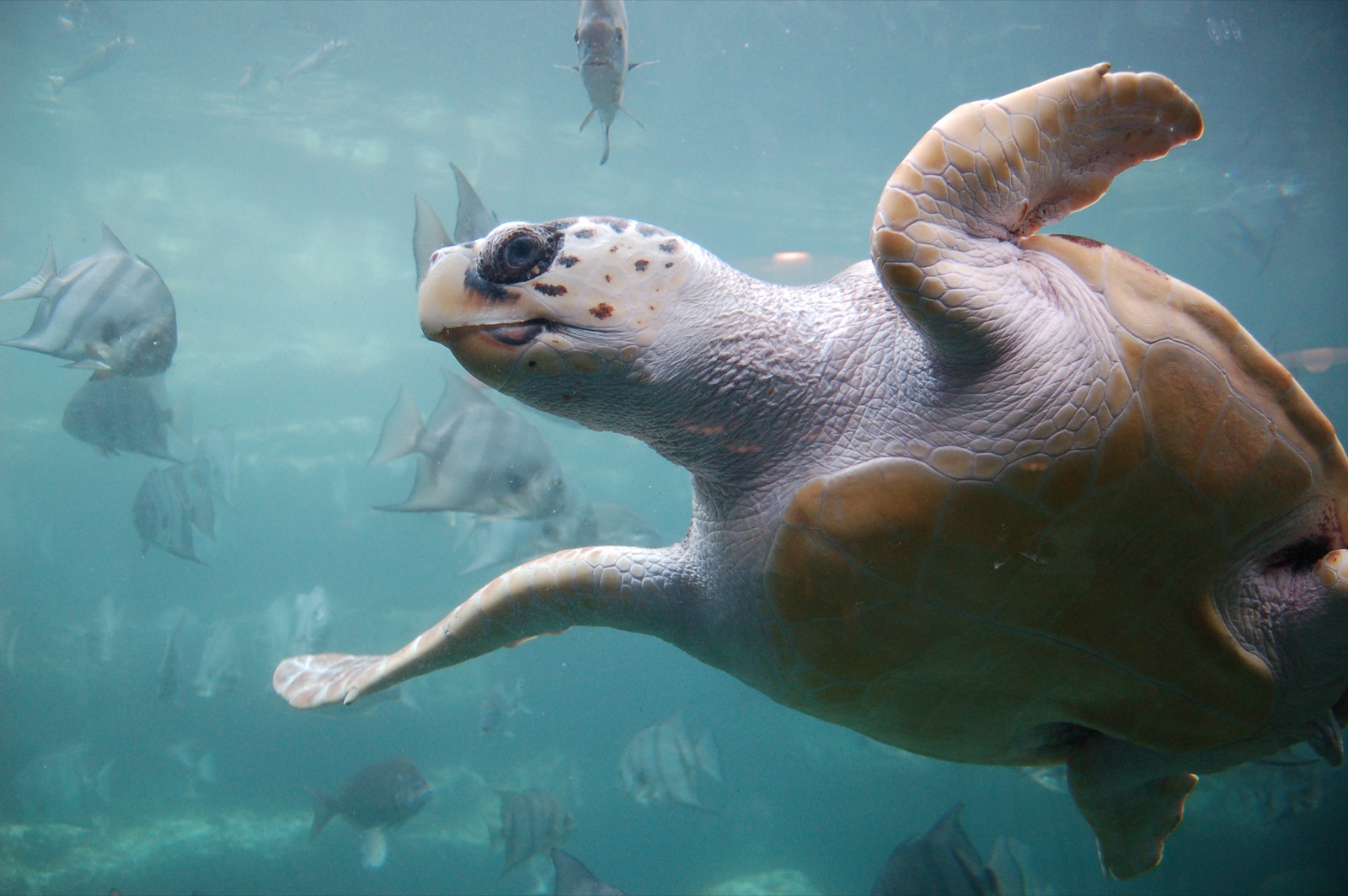
Tortuga boba
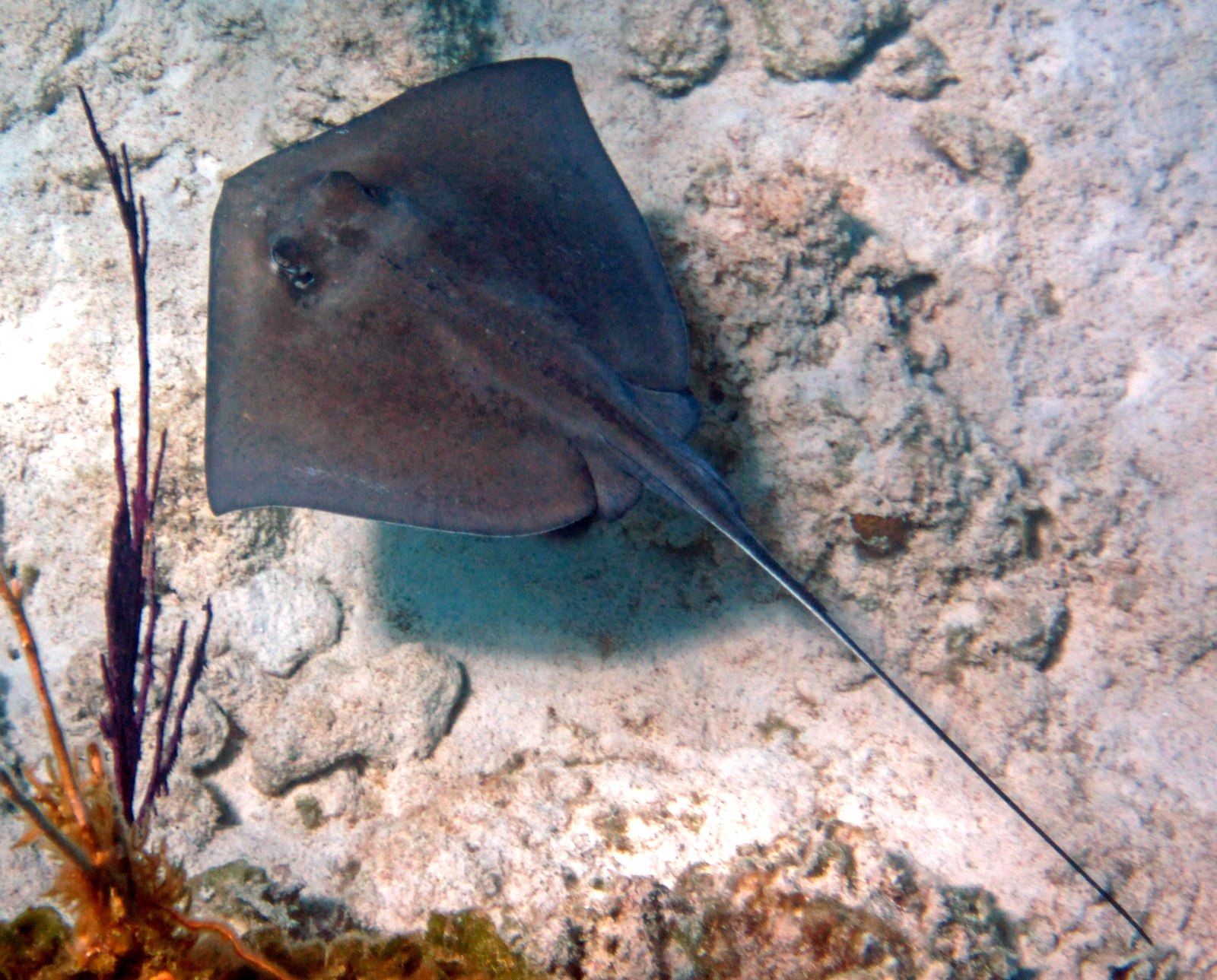
Raya látigo americana
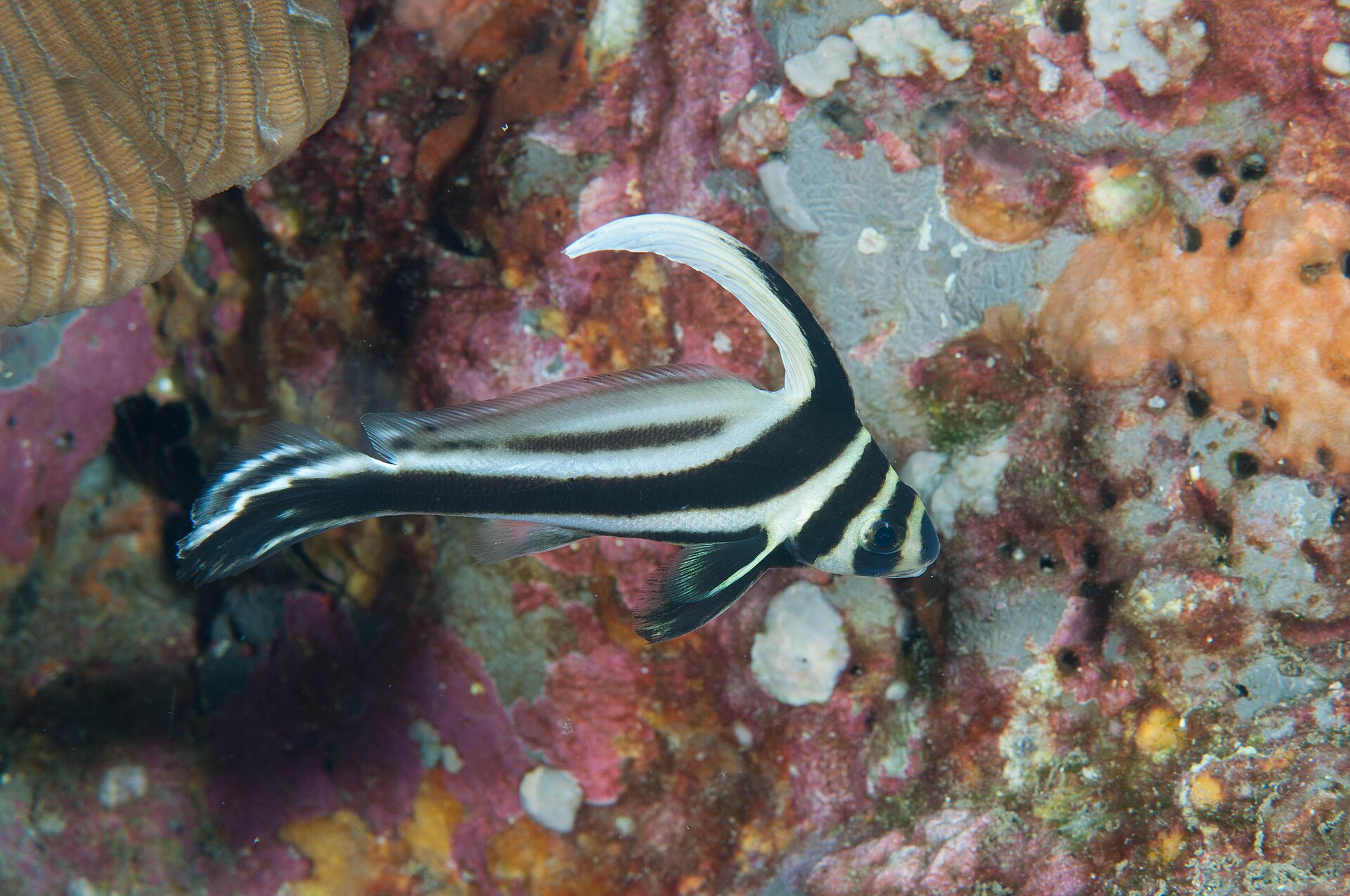
Spotted Drum
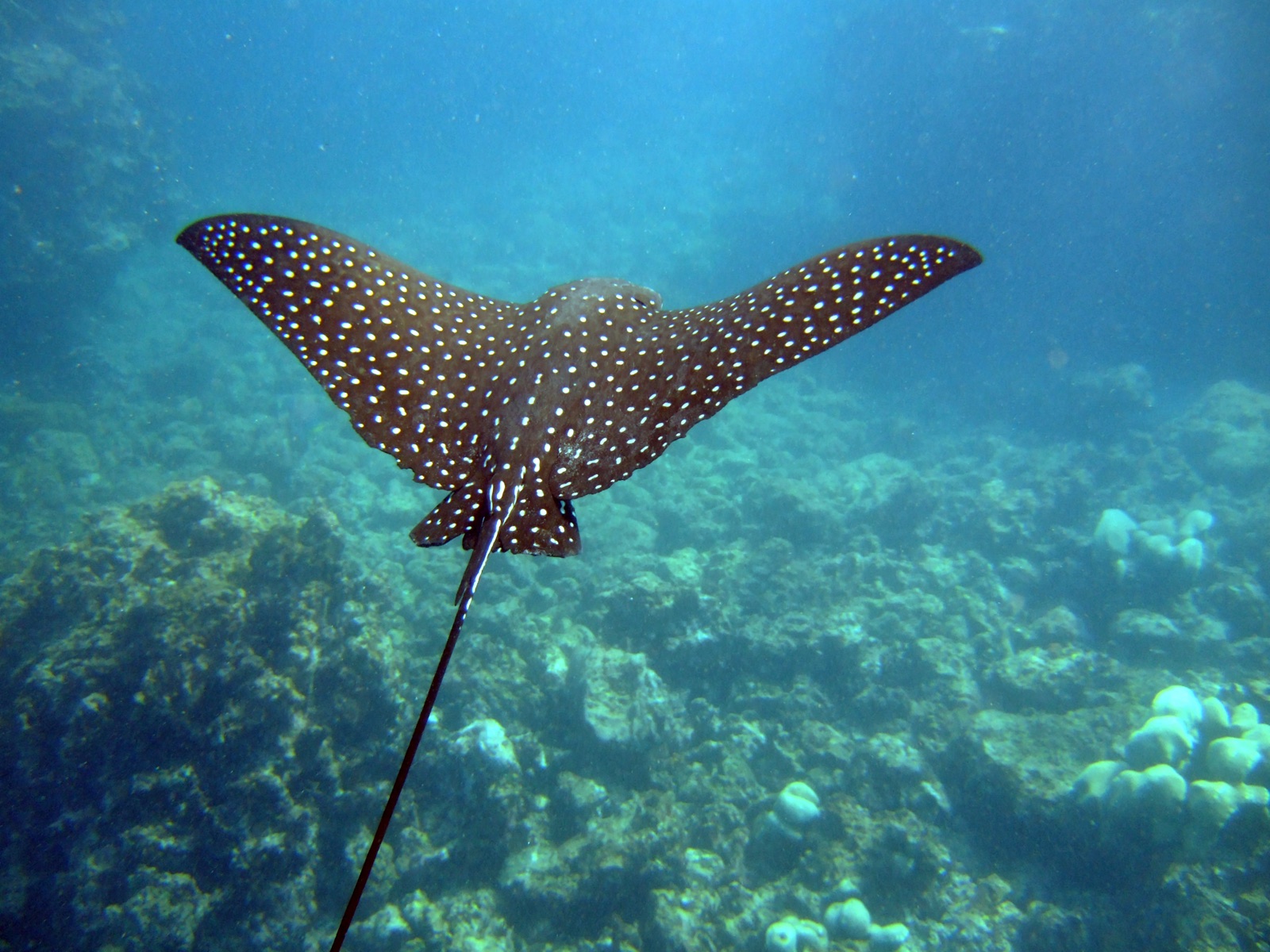
Raya águila moteada
Las especies "aquí registradas" fueron añadidas por nuestros editores a partir de las fuentes de esta página. Los recuentos son registros de ocurrencia de GBIF: observaciones anotadas en un radio de unos 5 km de la posición registrada desde 1990, cotejadas únicamente con las especies de nuestro catálogo. Muestran lo que se ha avistado allí, no una garantía de lo que verás.