Fleur de Lys
Depth is the range from the top of the site to its usual maximum; "recommended cert" is the mainstream-agency level operators usually ask for, not a legal rule. Currents and visibility change daily, so treat everything here as planning ranges.
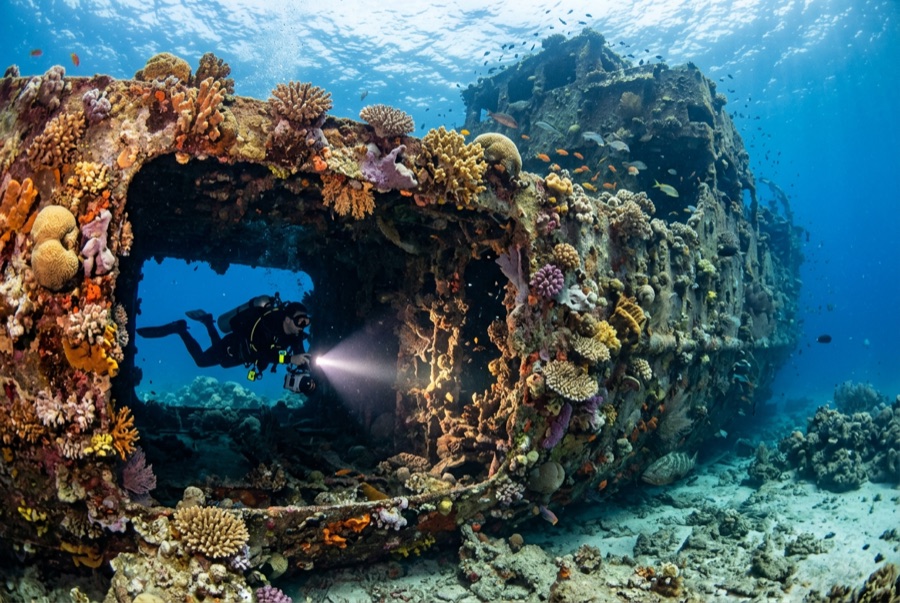
This 16 m oak trawler, built in Brittany in 1969, began to sink after her hot-water cylinder exploded on the way home from a fishing trip in April 2000. All four people aboard were rescued, and the hull was abandoned in Swanage Bay when attempts to raise her during a tow to Poole failed. She now lies at about 13 m on the north side of the bay, on the way out towards Old Harry, with a permanent marker buoy. Some 30 m away, and linked by a rope, is a second small wreck known as the Bombay Barge. The trawler is well broken up, so a lap of both suits newer divers, and the timbers hide cuttlefish, John Dory, lobsters, nudibranchs, triggerfish and shoals of bib. Metal nails stick out of the planking.
The moment you come for: Two small wrecks joined by a rope in Swanage Bay; sheltered, shallow and diveable at any tide; plenty of fish and crustaceans in the timbers
Topography: Broken wooden trawler and a small barge on the seabed of Swanage Bay
Current: Can be dived at any state of the tide; sheltered from southwesterly winds.
Entry: Short boat ride into the north side of Swanage Bay; the trawler has a permanent marker buoy, and a rope links it to the Bombay Barge about 30 m away. Divers may drift off afterwards under a delayed SMB if agreed with the skipper.
Know before you splash
Hazards: Sharp metal nails protrude from the wooden hull; take care if entering the broken structure; boat traffic in Swanage Bay.
Who you'll meet
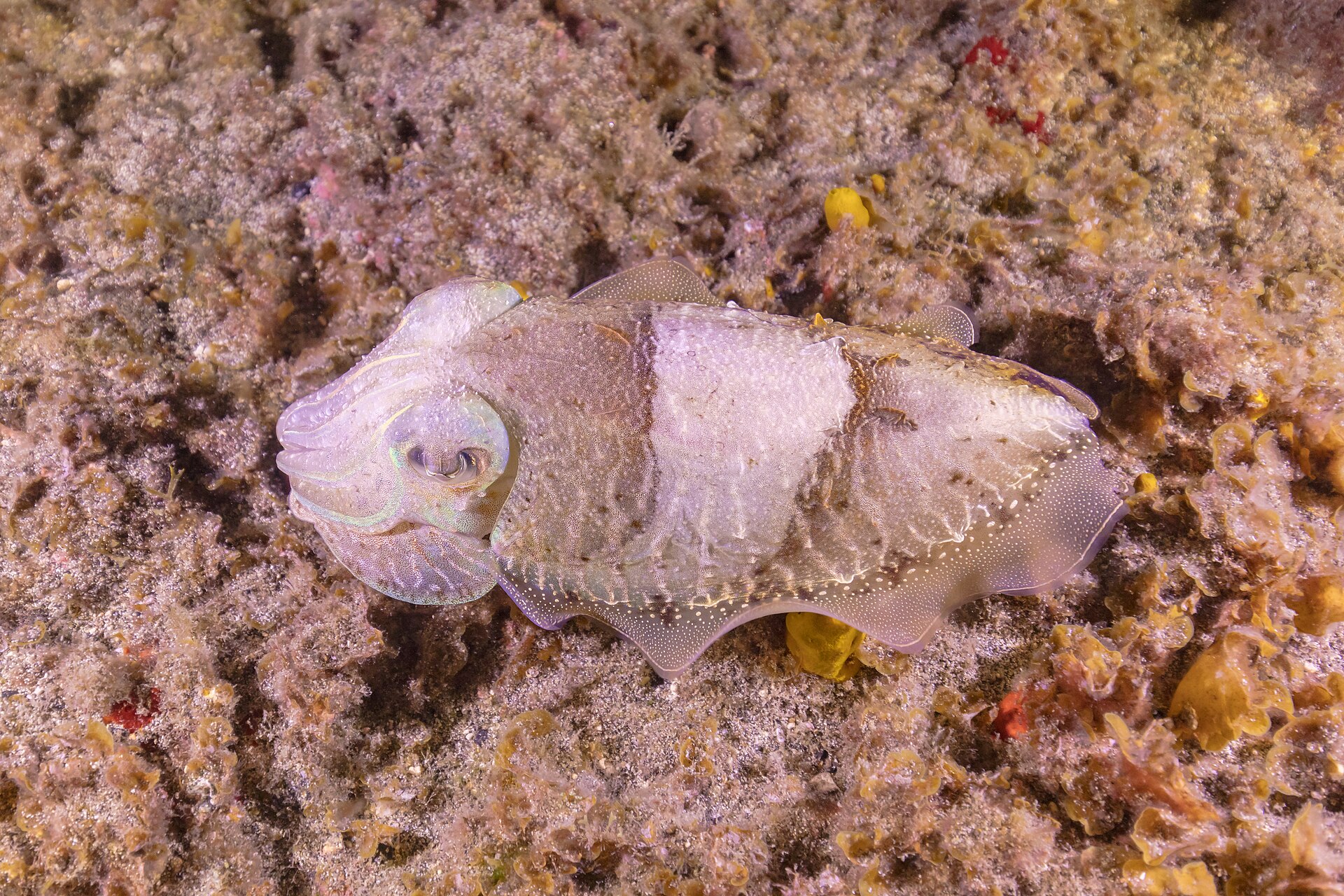
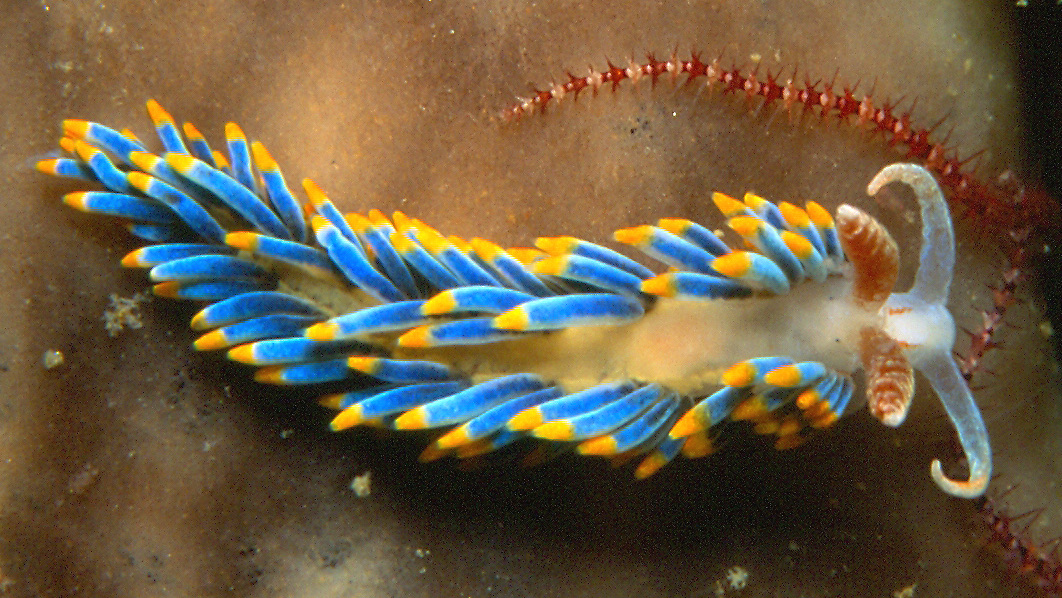
"Charted here" species were listed by our editors from the sources on this page. Counts are GBIF occurrence records: observations logged within about 5 km of the charted position since 1990, matched only against the species in our catalogue. They show what has been seen there, not a promise of what you will see.