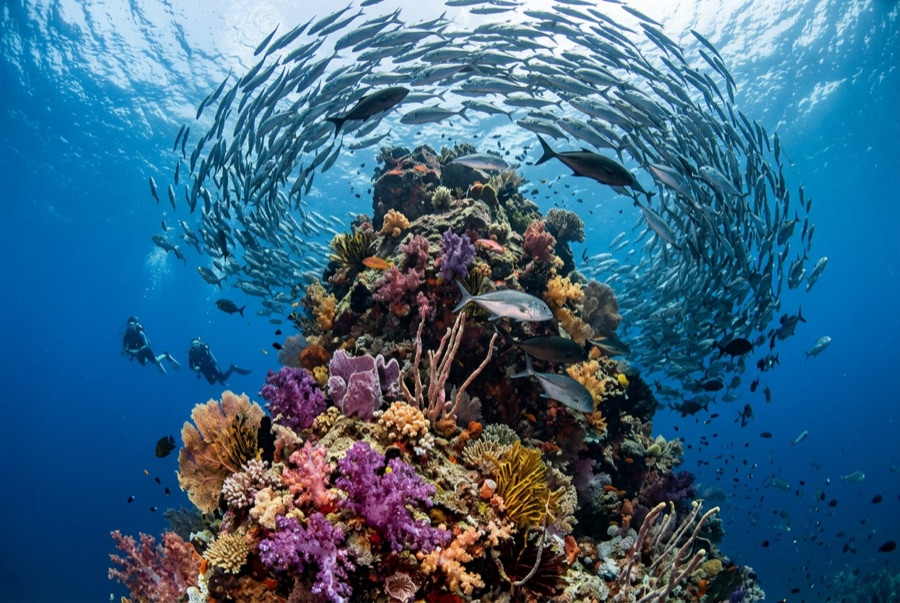
Batu Kapal
La profondità indica l'intervallo dalla sommità del sito al suo massimo abituale; il "brevetto consigliato" è il livello richiesto dalla maggior parte degli operatori delle principali agenzie, non una norma di legge. Correnti e visibilità cambiano ogni giorno, quindi considera tutto come intervalli di pianificazione.
Batu Kapal is a group of submerged rocks off the northern tip of Lembeh Island and the area's big-fish dive, a world away from the black sand slopes inside the strait. The rocks rise from a plateau at roughly 20 to 29 meters, about 100 meters wide and 250 long, while the seabed around it falls past 100 meters. Strong currents sweep the plateau, so operators time dives to the tide tables and divers move from rock to rock with the flow. Yellow tube corals, gorgonian fans, soft corals and barrel sponges cover the boulders. Anthias, fusiliers, bannerfish, red-toothed triggerfish, mackerel and rainbow runners fill the water, and Napoleon wrasse, eagle rays and grey, whitetip and blacktip reef sharks patrol the edges.
Il momento che aspettavi: Current-swept pinnacles with yellow tube coral; grey, whitetip and blacktip reef sharks; eagle rays and Napoleon wrasse
Topografia: Submerged rocks and boulders on a plateau at about 20 to 29 m, with a wall dropping into very deep water
Corrente: Strong; diving is possible only on certain tides.
Entrata: Off the northern tip of Lembeh Island; dived only at times chosen from the tide tables, drifting from rock to rock.
Sapere prima di tuffarsi
Pericoli: Strong current and possible down-currents, depth near 30 m on the plateau, and drop-offs into very deep water.
Chi incontrerai
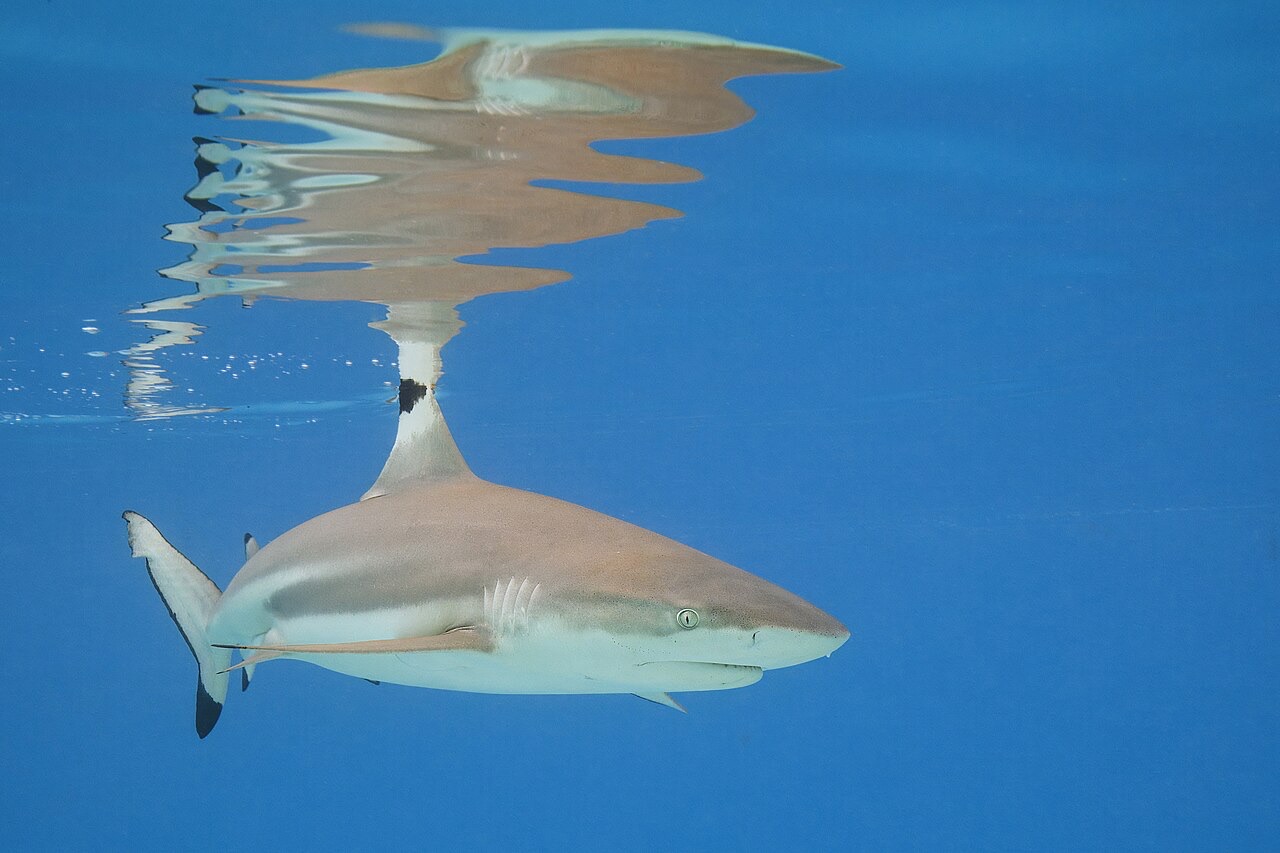
Squalo pinna nera
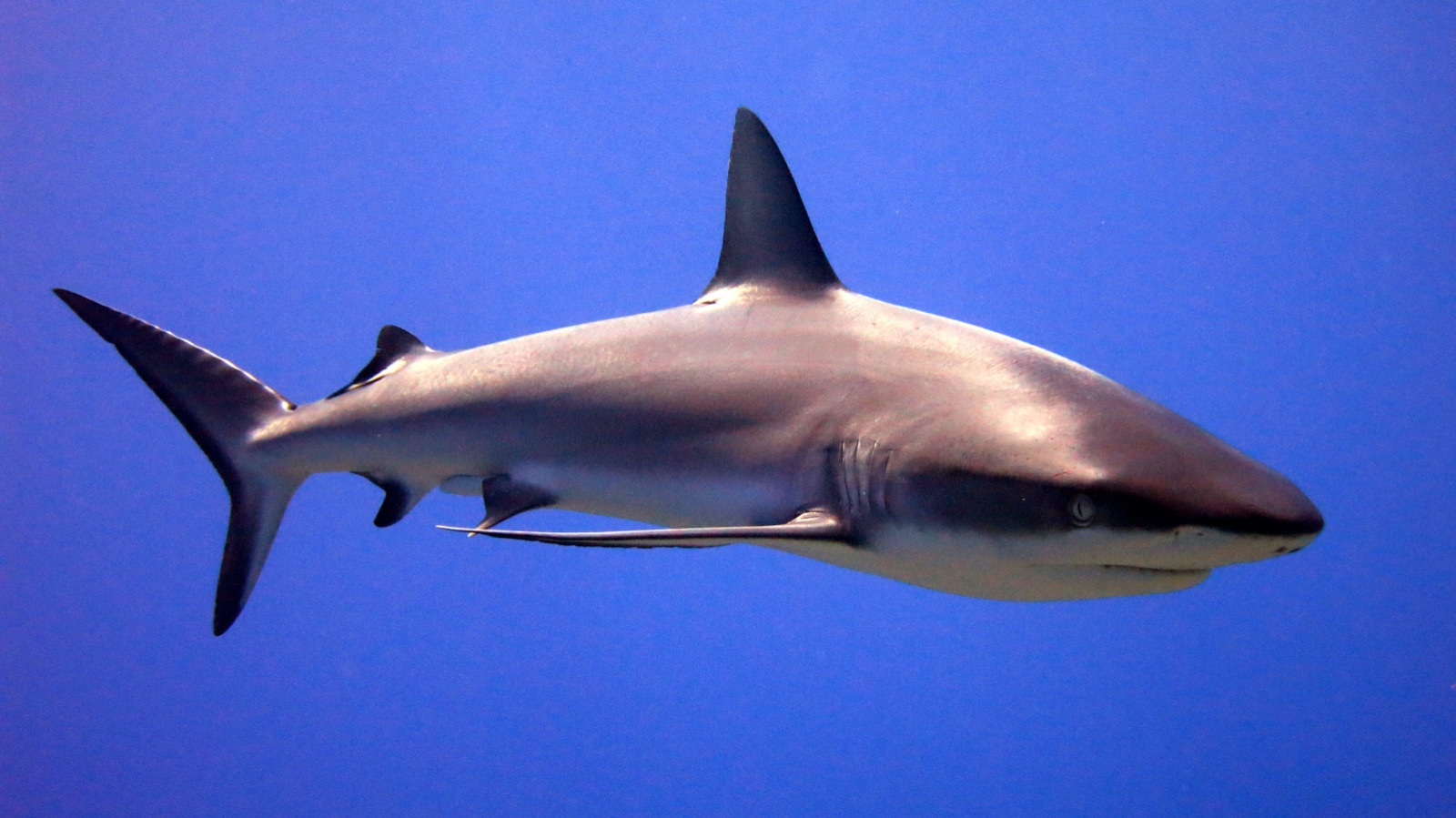
Squalo grigio di barriera
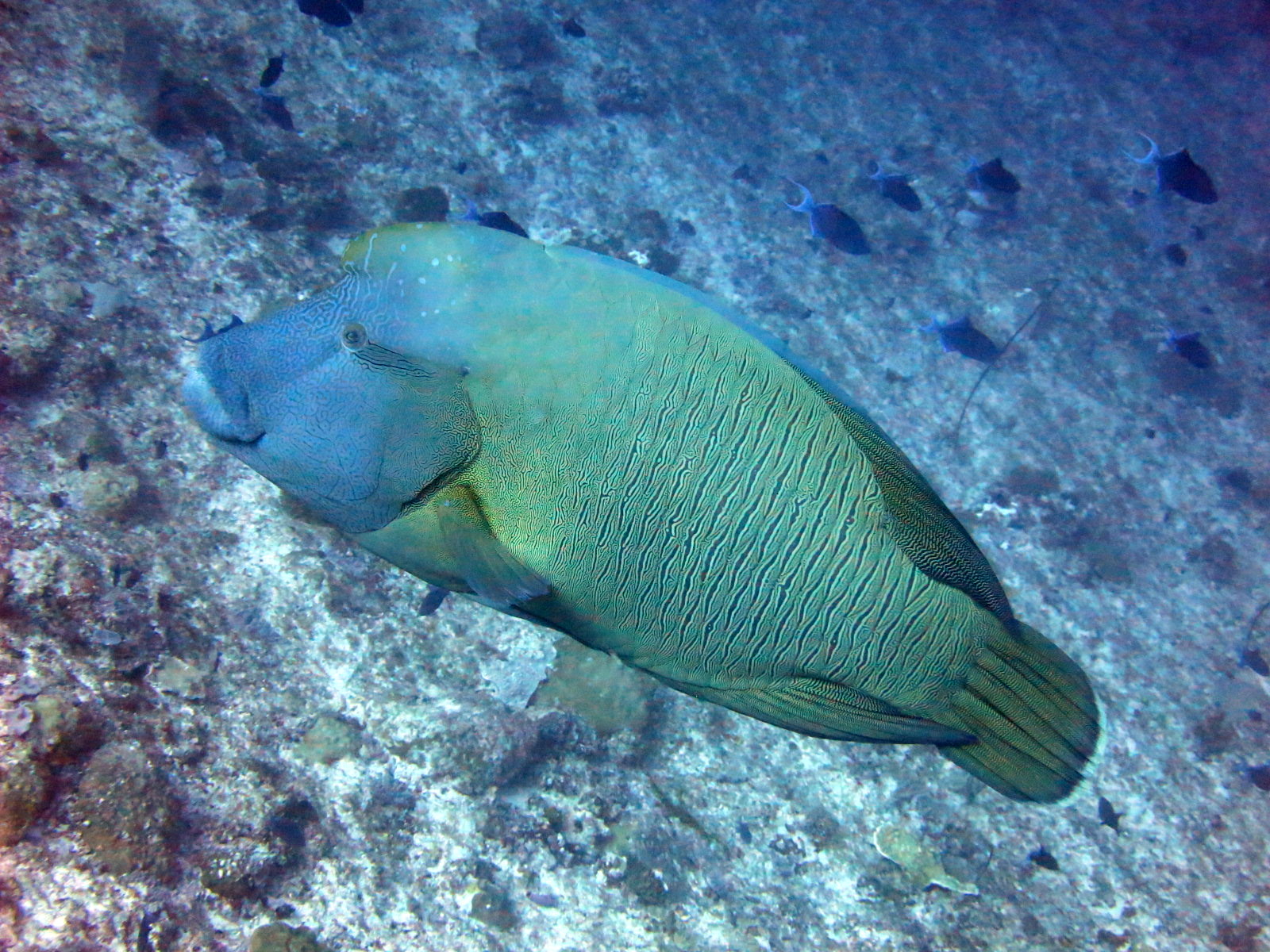
Pesce Napoleone
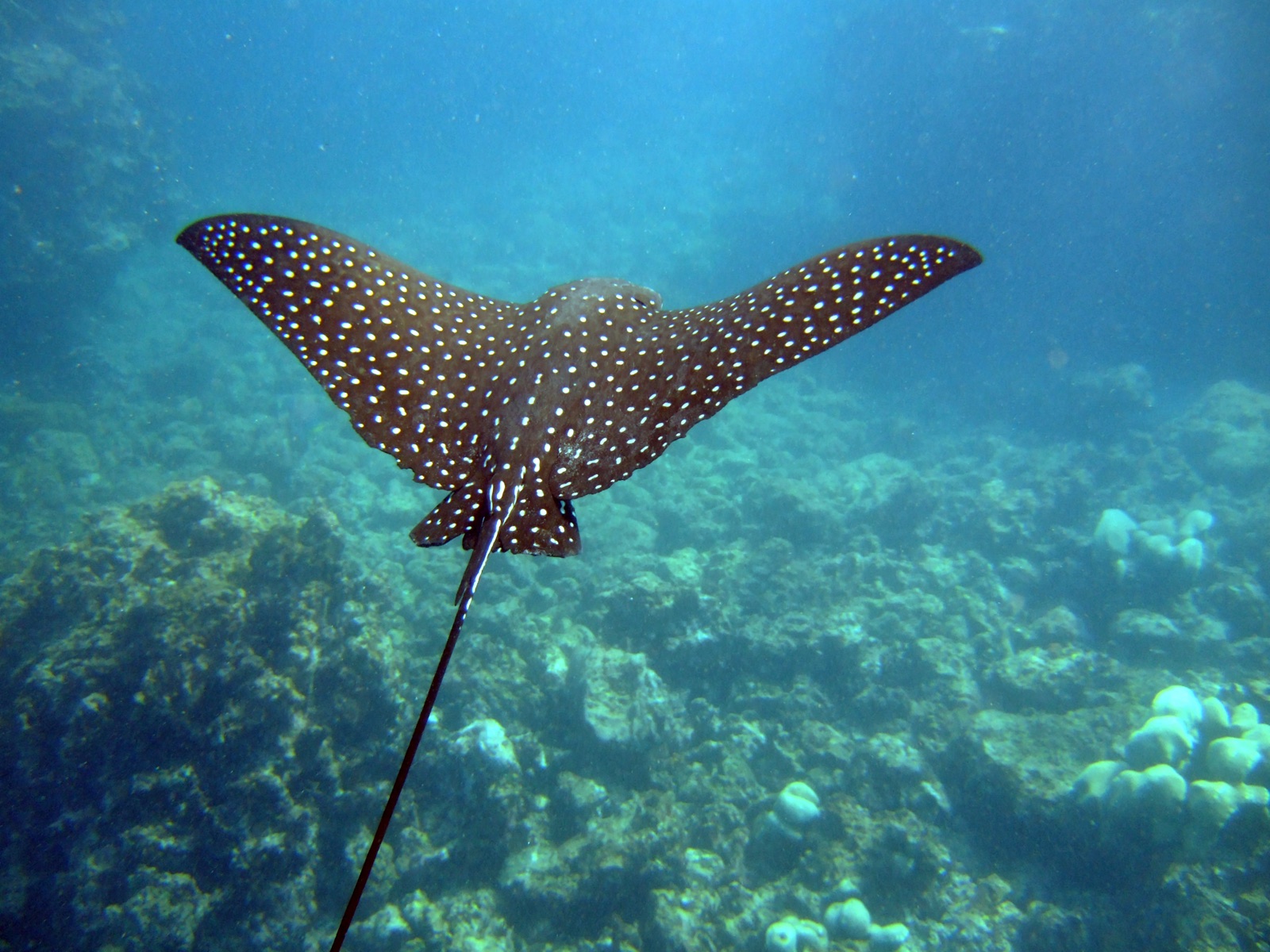
Aquila di mare maculata
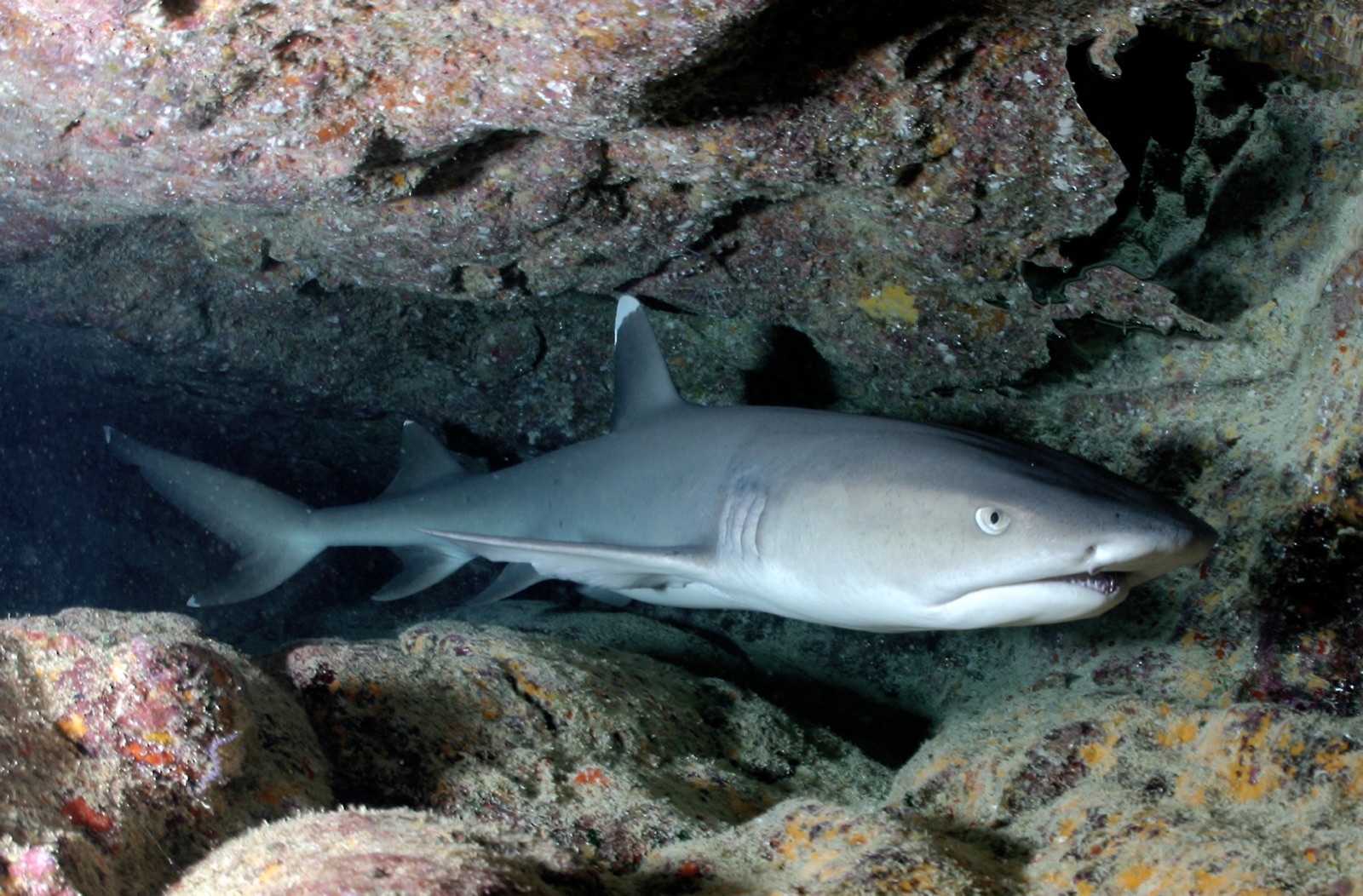
Squalo pinna bianca del reef
Le specie "schedate qui" sono state inserite dai nostri redattori a partire dalle fonti indicate in questa pagina. I conteggi sono record di occorrenza GBIF: osservazioni registrate entro circa 5 km dalla posizione indicata in carta a partire dal 1990, confrontate esclusivamente con le specie presenti nel nostro catalogo. Mostrano ciò che è stato avvistato in quel luogo, non una garanzia di ciò che vedrete.