Ras Musandam
La profondità indica l'intervallo dalla sommità del sito al suo massimo abituale; il "brevetto consigliato" è il livello richiesto dalla maggior parte degli operatori delle principali agenzie, non una norma di legge. Correnti e visibilità cambiano ogni giorno, quindi considera tutto come intervalli di pianificazione.
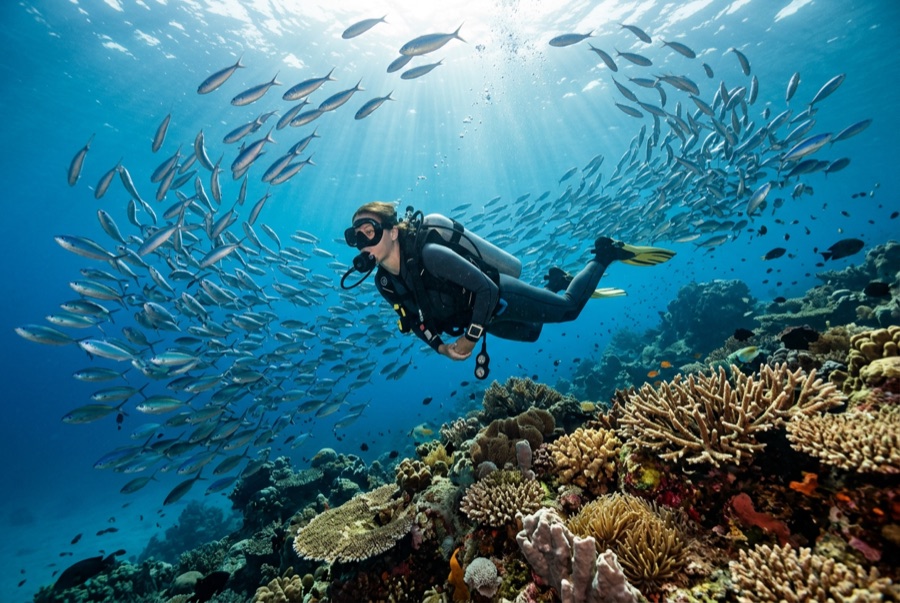
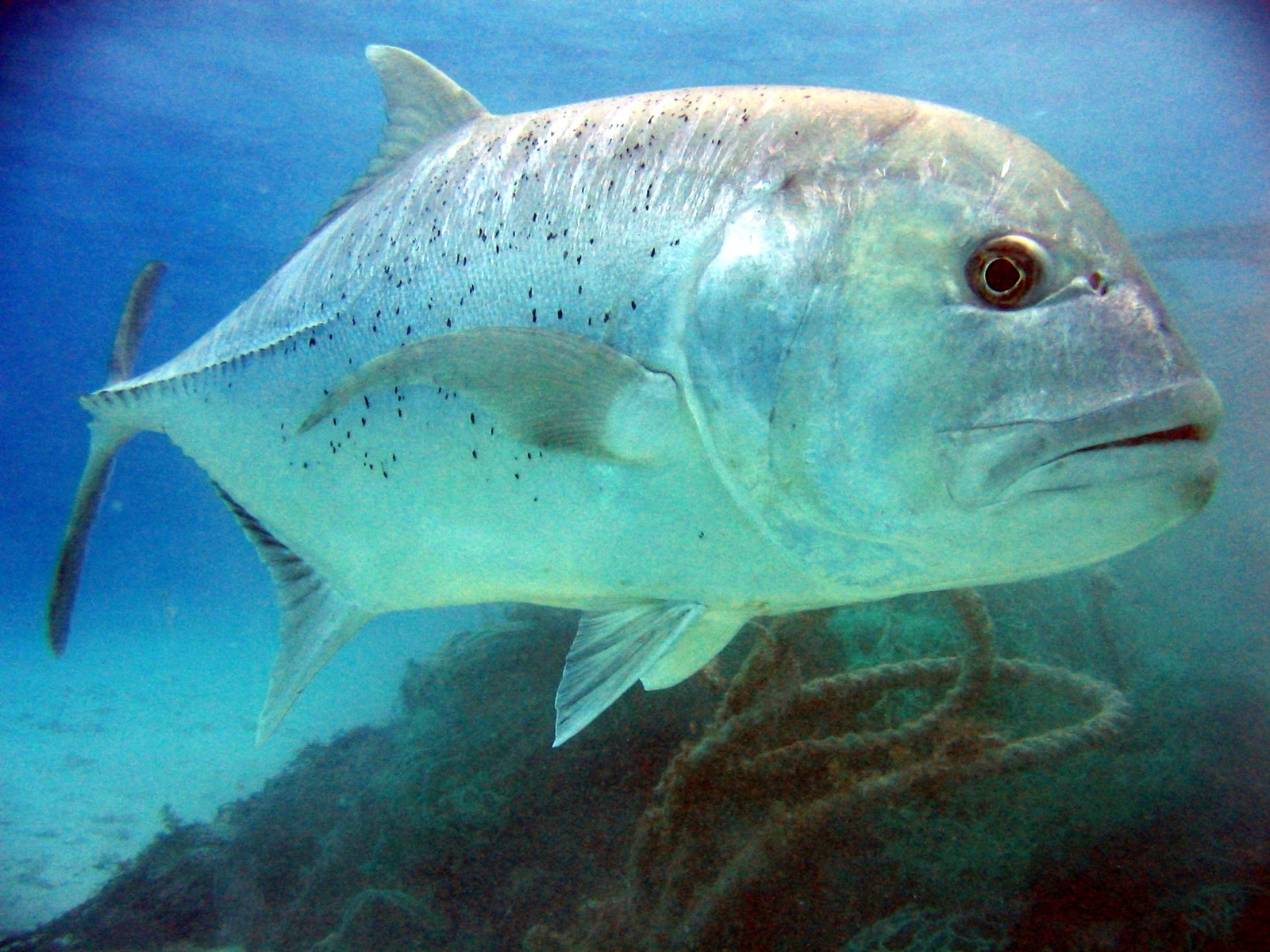
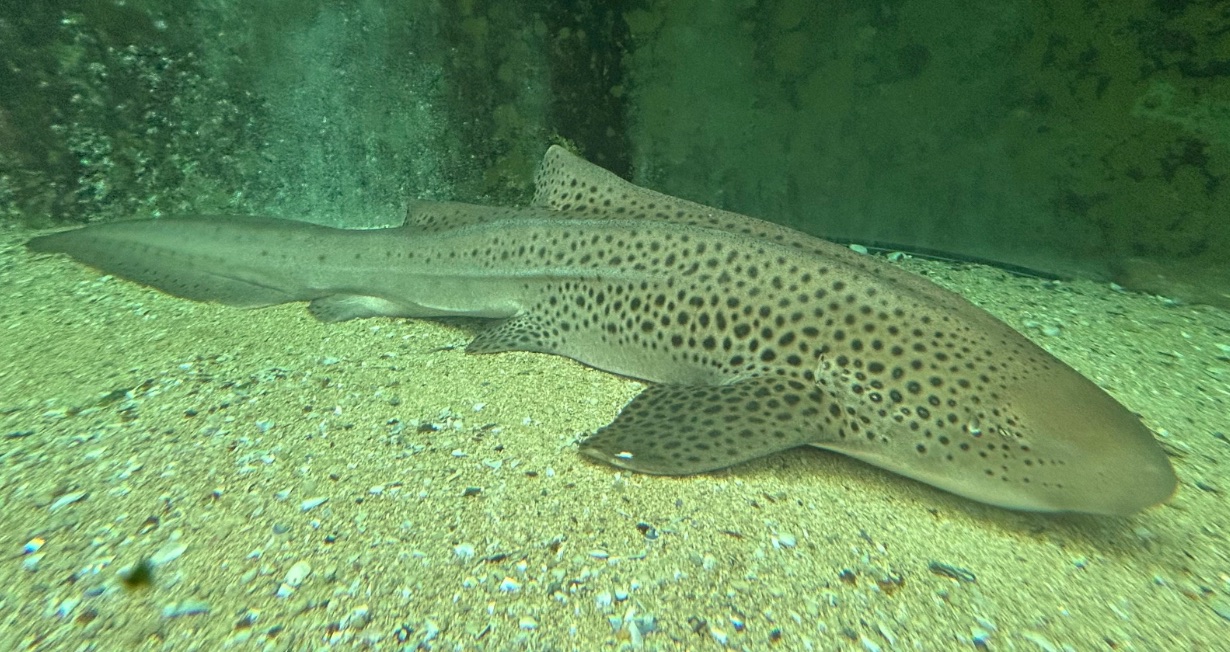
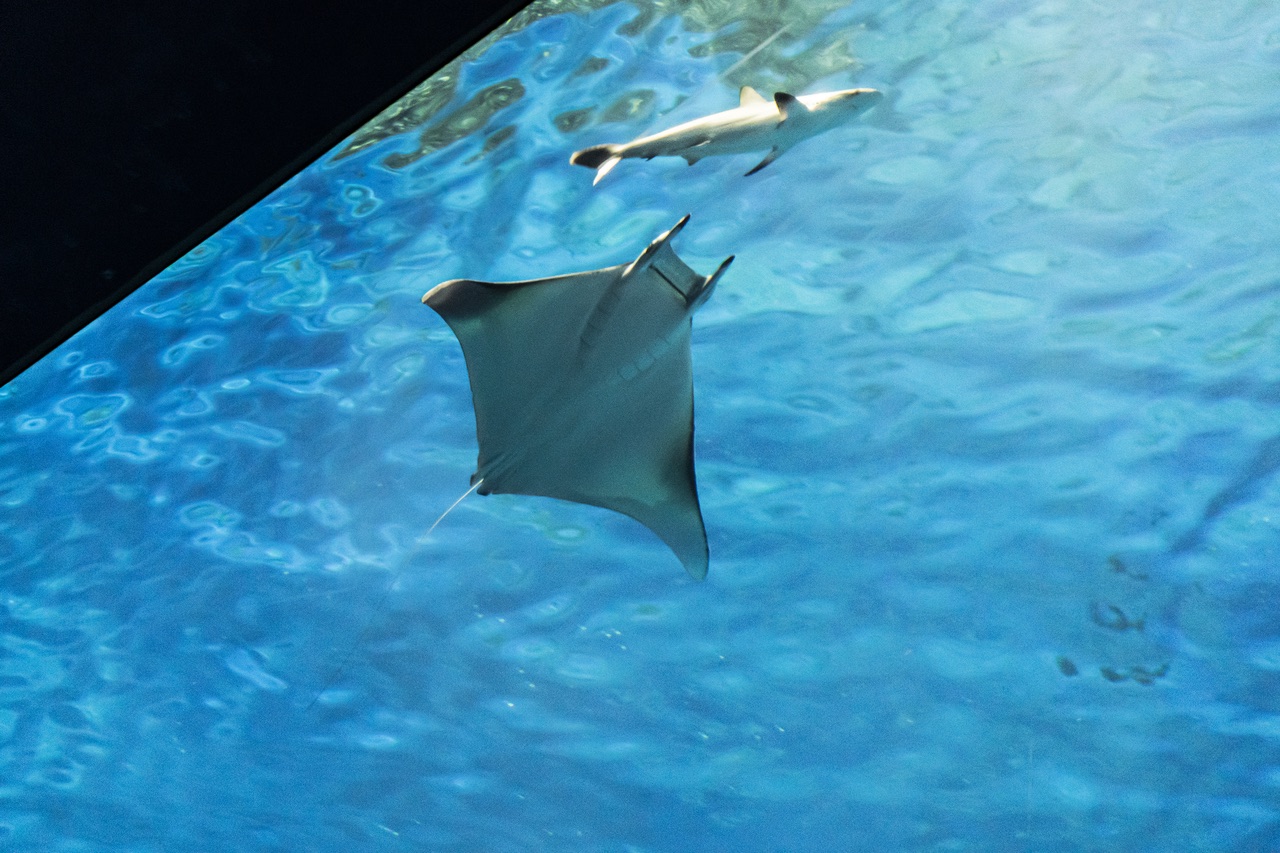
Ras Musandam is dived along the south side of Jazirat Musandam, about 46 nautical miles from Dibba, and one Dibba operator calls it the best drift in the region. Divers drop in on the southeastern side and let the current carry them with the reef on their left, starting over shallow coral gardens and a ridge at around 12 m, while the reef deepens steadily toward the southeastern point. Purple soft corals blanket the slopes and walls. The current never stops and can switch between down, up and sideways flows, with a churning patch off the point, so operators screen divers and expect solid buoyancy control. The fish life matches the water: giant trevally, barracuda, jacks, kingfish, eagle and mobula rays, plus zebra, blacktip and whale sharks.
Il momento che aspettavi: Fast drift along purple soft corals; giant trevally and barracuda; chance of zebra and whale sharks
Topografia: Shallow coral gardens leading to sloping reef and walls covered in soft coral
Corrente: Current is always present and shifts between down, up and horizontal flows, with a turbulent area off the point.
Entrata: Drift dive entered on the southeastern side, with the reef on the left; best early in the morning or around 4 pm.
Sapere prima di tuffarsi
Pericoli: Strong, changeable current with down-currents and up-currents; advanced divers only, with a surface marker buoy. The maximum depth is not published and the reef keeps deepening toward the point.
Chi incontrerai
Carango gigante
Squalo leopardo (squalo zebra)
Mobula (diavolo di mare)
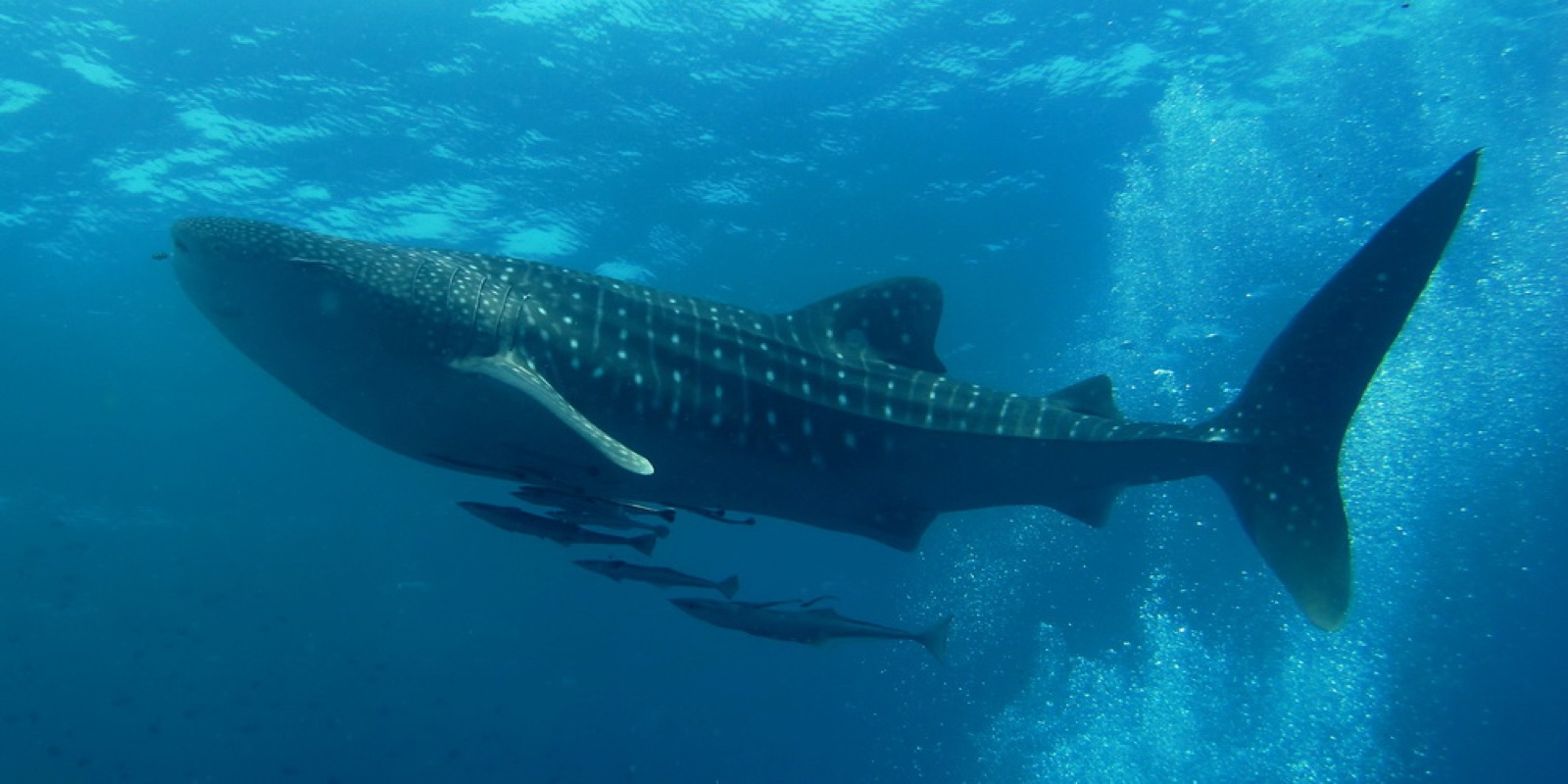
Squalo balena
Le specie "schedate qui" sono state inserite dai nostri redattori a partire dalle fonti indicate in questa pagina. I conteggi sono record di occorrenza GBIF: osservazioni registrate entro circa 5 km dalla posizione indicata in carta a partire dal 1990, confrontate esclusivamente con le specie presenti nel nostro catalogo. Mostrano ciò che è stato avvistato in quel luogo, non una garanzia di ciò che vedrete.