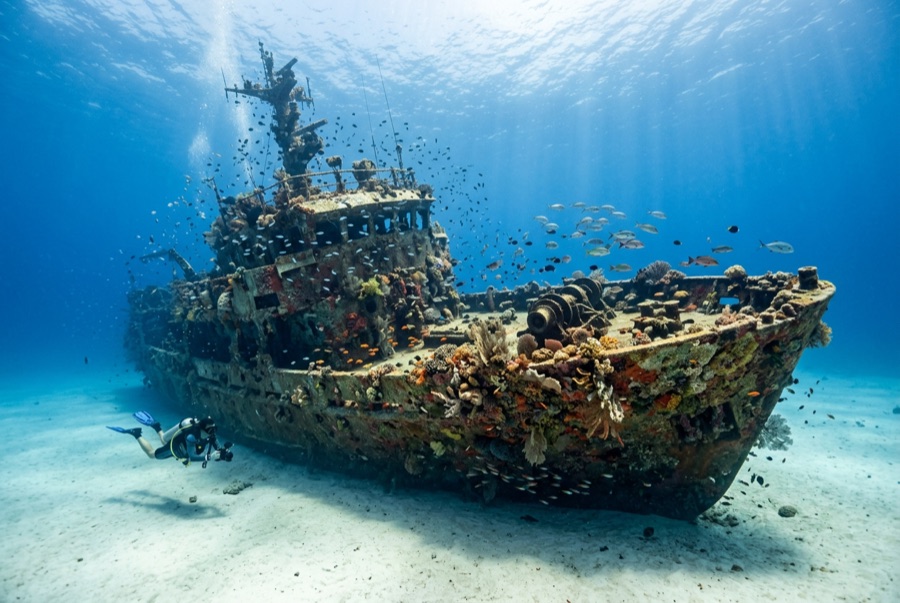
Busselton Jetty
Depth is the range from the top of the site to its usual maximum; "recommended cert" is the mainstream-agency level operators usually ask for, not a legal rule. Currents and visibility change daily, so treat everything here as planning ranges.
Busselton Jetty reaches 1,841 m into Geographe Bay and is described as the longest timber-piled jetty in the Southern Hemisphere; begun in 1864, it closed to shipping in 1972. Divers drop in near the far end, where the pylons stand in about 6 to 9 m and are wrapped in red telesto soft coral, sponges and sea squirts, part of a community of more than 300 species. Schools of old wives, tailor, buffalo bream, yellowtail, bullseyes and trevally shelter in the shade, while seahorses, pygmy leatherjackets, cuttlefish, octopus, nudibranchs, Port Jackson sharks and fiddler rays sit among the piles. Seals visit fairly often, the swell rarely reaches here, and a night dive is well worth doing.
The moment you come for: Pylons draped in red soft coral; seahorses, nudibranchs and Port Jackson sharks; easy shallow dive and night dive
Topography: Timber pylons coated in soft coral and sponges over sand
Entry: Dived from the far end of the jetty, reached along the jetty (a tourist train runs its length) or by a short boat ride from Busselton.
Know before you splash
Hazards: Pylons and their delicate growth close together in low light; snorkelers and observatory visitors nearby; weather can cancel boat trips.
Who you'll meet
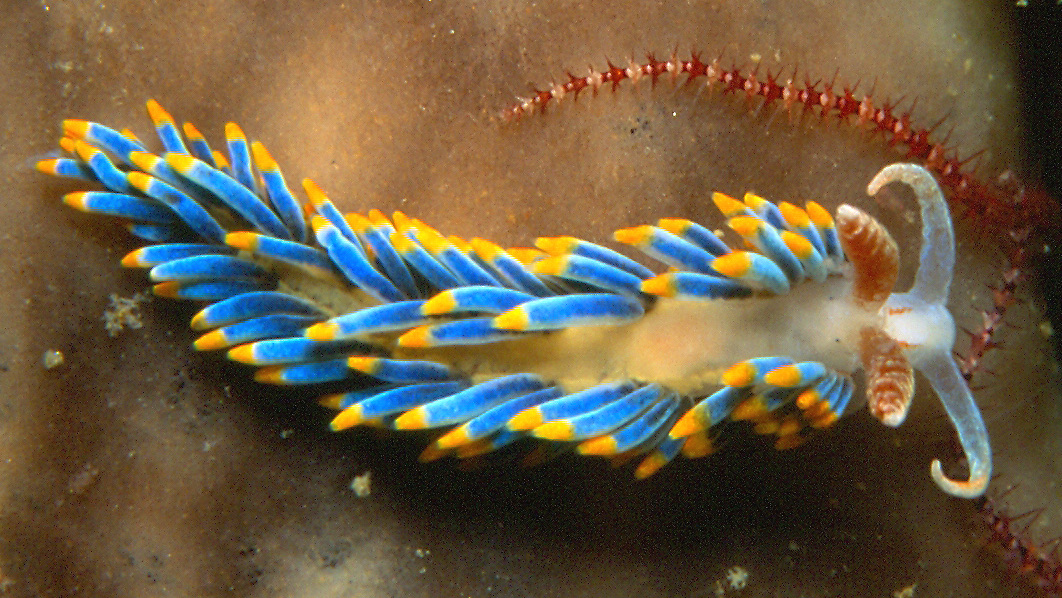
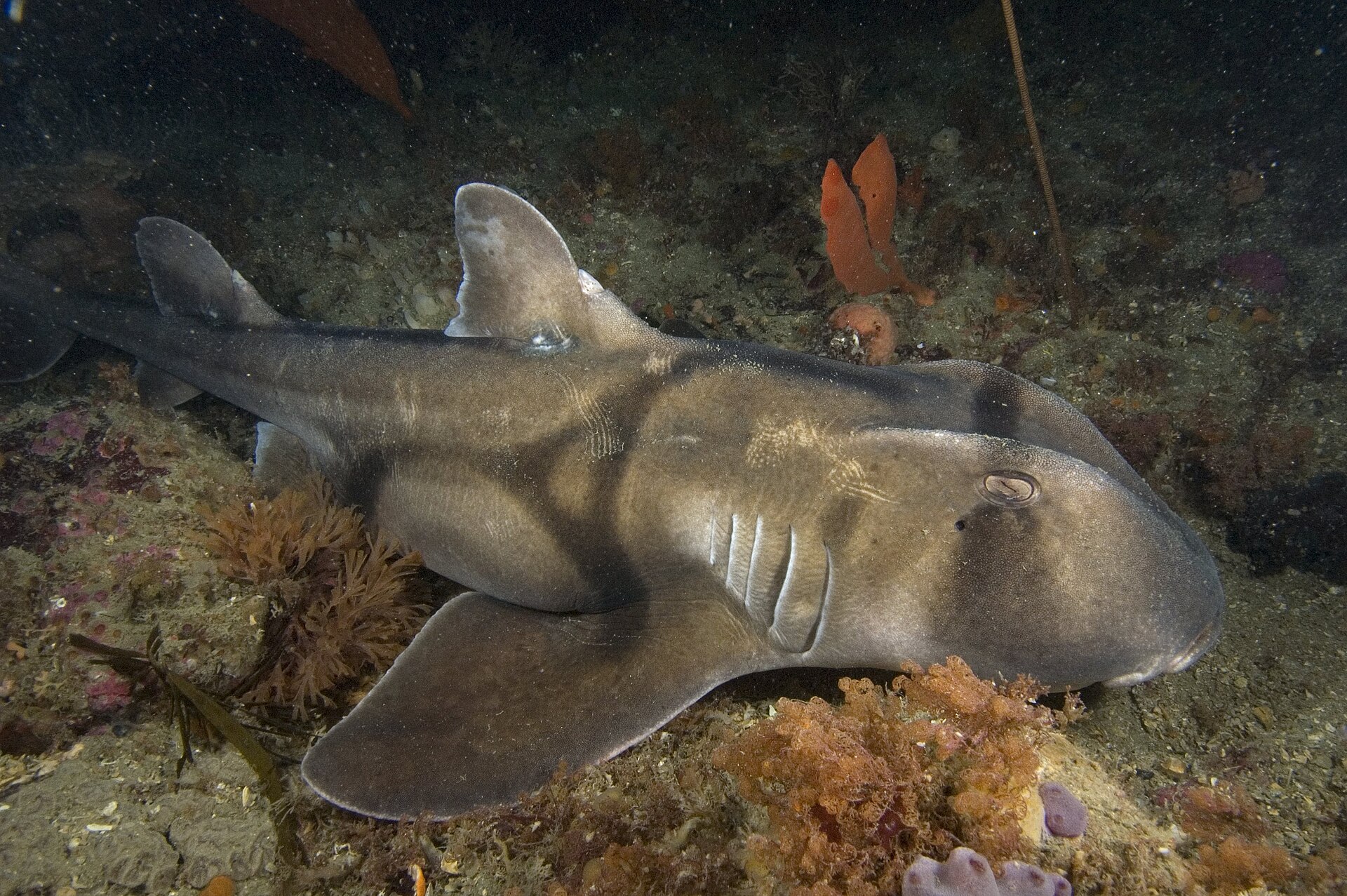
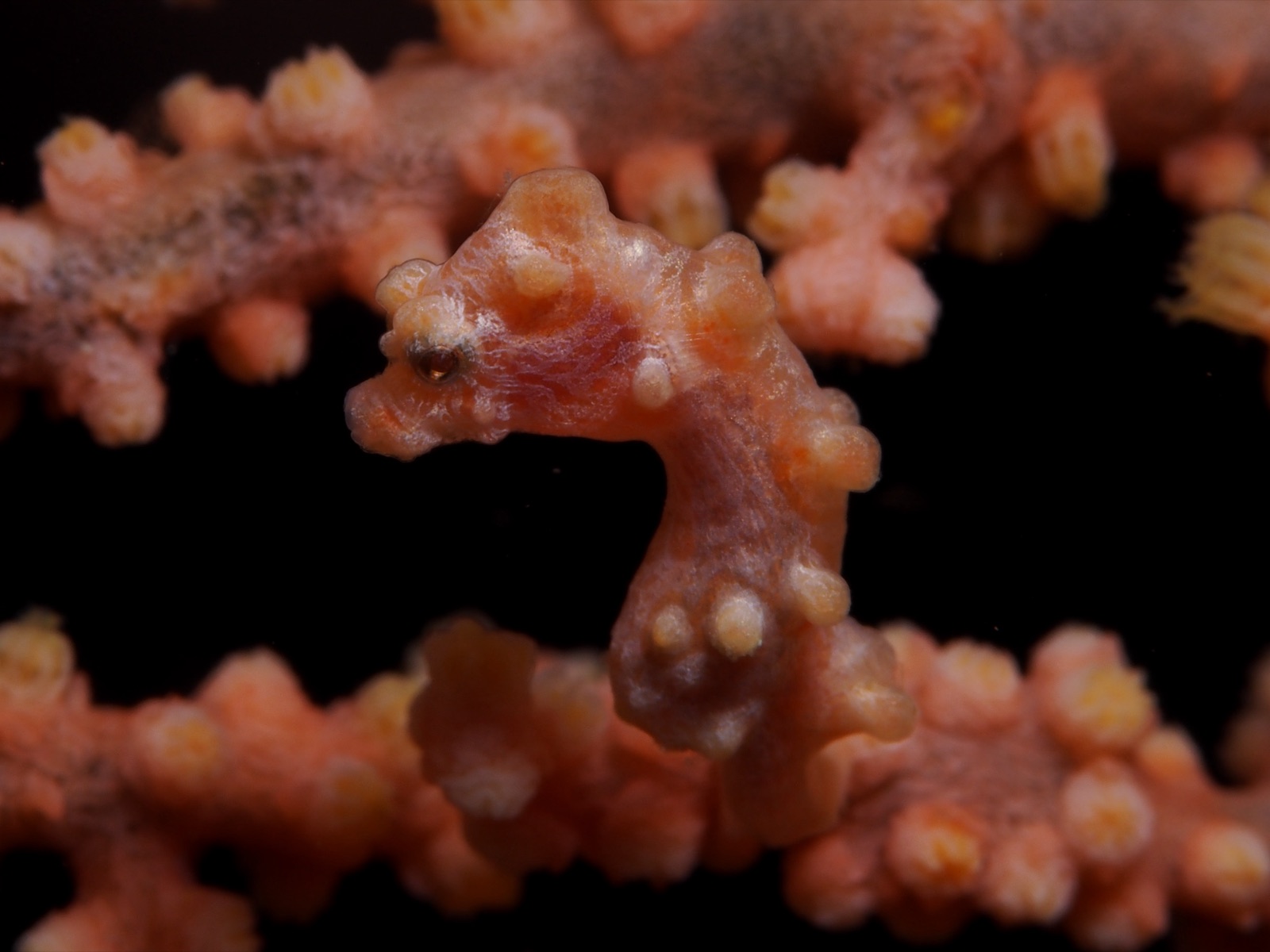
"Charted here" species were listed by our editors from the sources on this page. Counts are GBIF occurrence records: observations logged within about 5 km of the charted position since 1990, matched only against the species in our catalogue. They show what has been seen there, not a promise of what you will see.