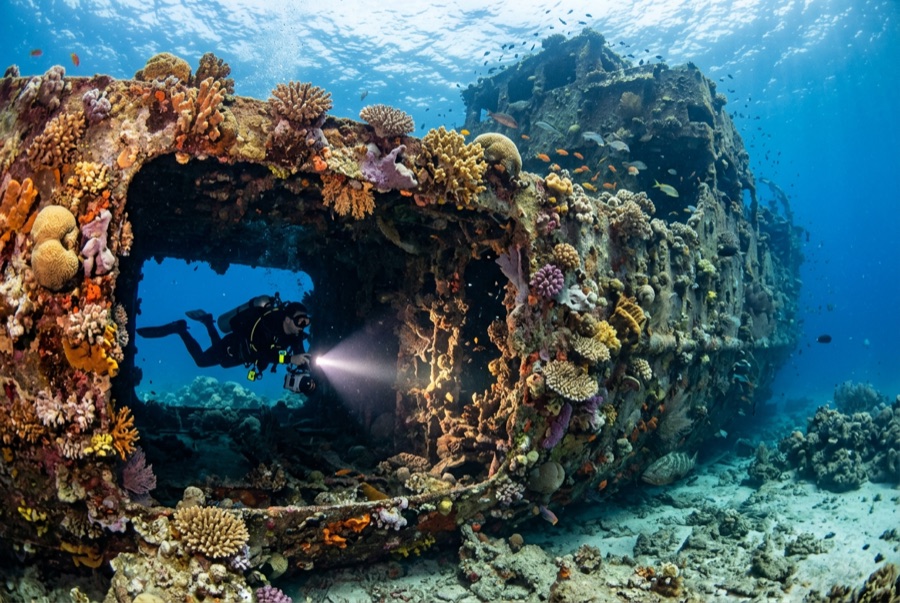
Kled Kaeo Wreck
Die Tiefe gibt den Bereich von der Oberkante des Tauchplatzes bis zur üblichen Maximaltiefe an; „empfohlene Zertifizierung" ist das von Anbietern üblicherweise geforderte Mainstream-Agenturniveau – keine gesetzliche Vorschrift. Strömungen und Sichtweite ändern sich täglich – behandle alle Angaben hier als Planungsbereiche.
The Kled Kaeo was a supply ship built in Norway in 1948 and later used by the Royal Thai Navy. After it was retired it was scuttled in 2014 about 1 km east of Phi Phi Leh as a dive site, and it now sits upright on sand with the top of its superstructure at about 14 m and the seabed at 27 m. Yellowtail barracuda, snapper, fusiliers, jacks and batfish school around it, lionfish, scorpionfish and groupers hold to the hull, and nudibranchs work the walls; porcupinefish, blue-spotted stingrays and the odd leopard shark complete the cast. Soft corals, sea fans and anemones have taken hold on the steel. Visibility swings between 5 and 20 m with plankton and weather.
Der Moment, für den du kommst: Upright navy ship scuttled in 2014; snapper and barracuda schools; soft corals on the superstructure
Topografie: Upright navy supply ship on sand
Strömung: Can be strong, with less shelter than the island sites; wind and waves also affect the dive.
Einstieg: Operators time the dive for slack tide; penetration only for trained wreck divers with a torch and a guide.
Was du wissen solltest, bevor du ins Wasser gehst
Gefahren: Current and surface conditions can be strong away from island shelter; depth to 27 m; overhead environment inside the hull.
Wen du triffst
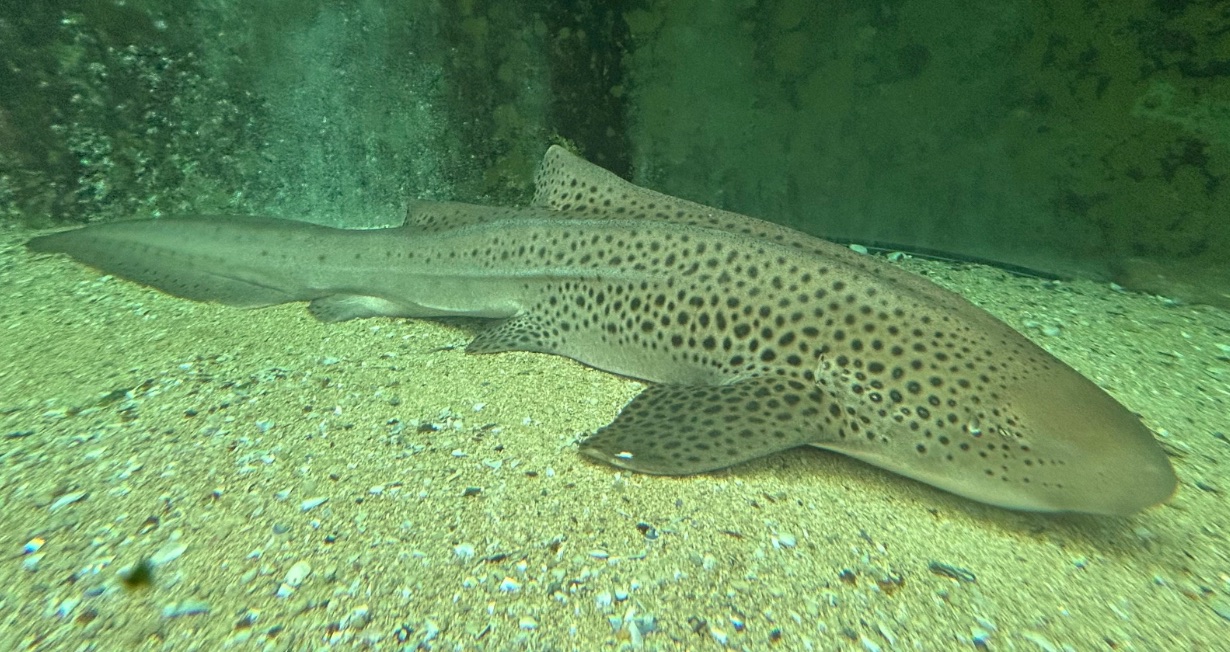
Leopardenhai (Zebrahai)
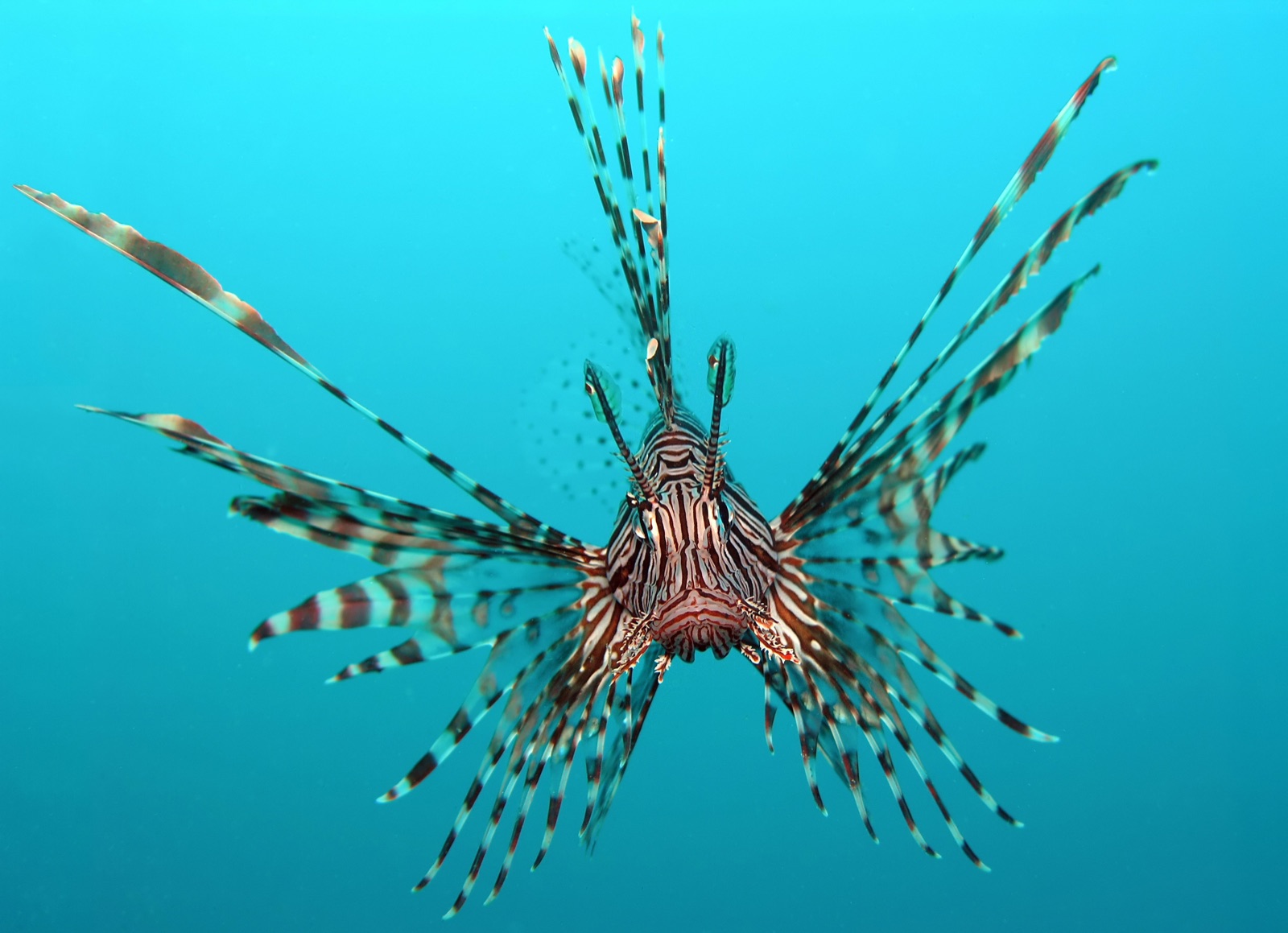
Rotfeuerfisch
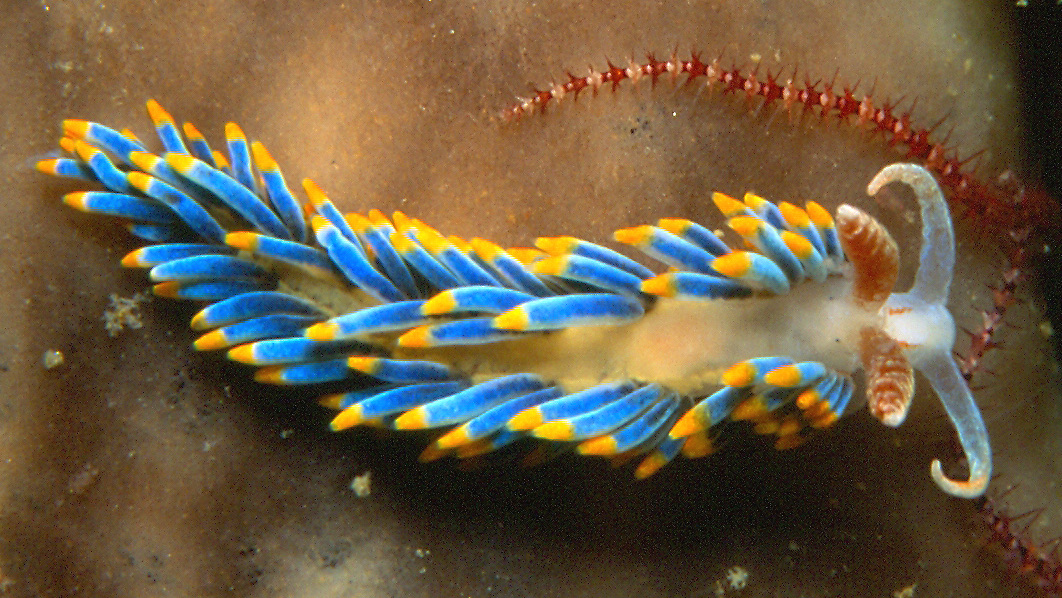
Nacktkiemer
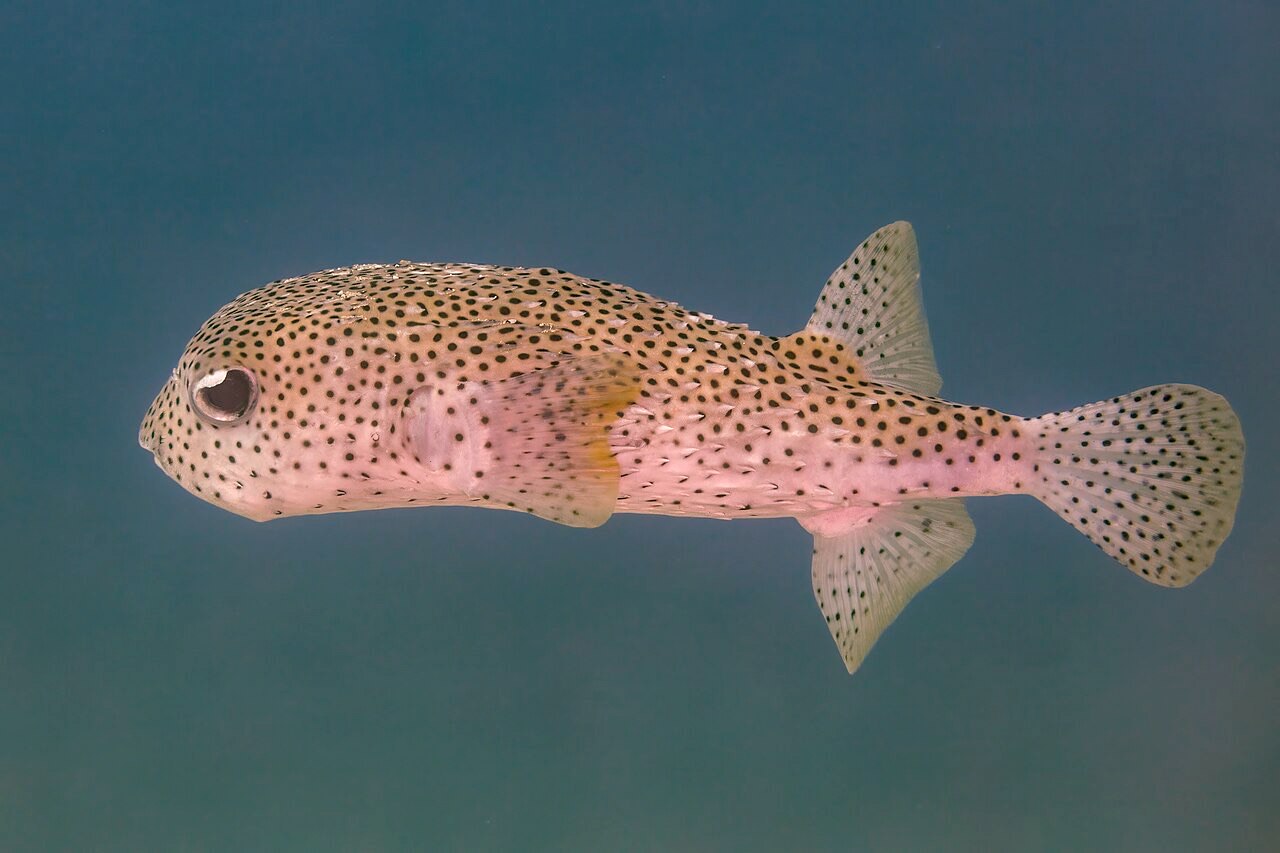
Igelfisch
„Hier kartiert" – Arten wurden von unseren Redakteuren anhand der Quellen auf dieser Seite erfasst. Die Zahlen sind GBIF-Vorkommensdatensätze: Beobachtungen, die seit 1990 im Umkreis von etwa 5 km um die kartierte Position protokolliert wurden, ausschließlich abgeglichen mit den Arten in unserem Katalog. Sie zeigen, was dort gesichtet wurde – keine Garantie, was du sehen wirst.