Keystone Jetty
Die Tiefe gibt den Bereich von der Oberkante des Tauchplatzes bis zur üblichen Maximaltiefe an; „empfohlene Zertifizierung" ist das von Anbietern üblicherweise geforderte Mainstream-Agenturniveau – keine gesetzliche Vorschrift. Strömungen und Sichtweite ändern sich täglich – behandle alle Angaben hier als Planungsbereiche.
Keystone Jetty is the quarry-rock breakwater that shelters the Coupeville terminal of the Port Townsend ferry, at Fort Casey Historical State Park on Whidbey Island, and it is counted among the best shore dives in the state. Divers keep to its east side and work down a boulder slope about 70 m long that runs from the waterline to roughly 18 m at the tip. Pink coralline algae and orange tunicates coat the rocks, gunnels and decorated warbonnets hide in the shallows, and lingcod guard egg masses among white plumose anemones deeper down. Wolf eels and giant Pacific octopus den in the rubble, while crabs and swimming scallops fill the cracks. Around 230 m east, the pilings of an abandoned wharf in 3 to 11 m make a more sheltered second dive, thick with feather-duster worms and painted anemones.
Der Moment, für den du kommst: Boulder jetty to 18 m with big lingcod and octopus dens; wolf eels and warbonnets; a second dive on old wharf pilings
Topografie: Sloping quarry-rock breakwater to about 18 m, plus cobble and old wharf pilings in 3 to 11 m
Strömung: Almost always present and strong on large exchanges, building at the deep end of the jetty; dive at slack. Local sources time slack from Admiralty Inlet predictions and enter about 30 minutes early.
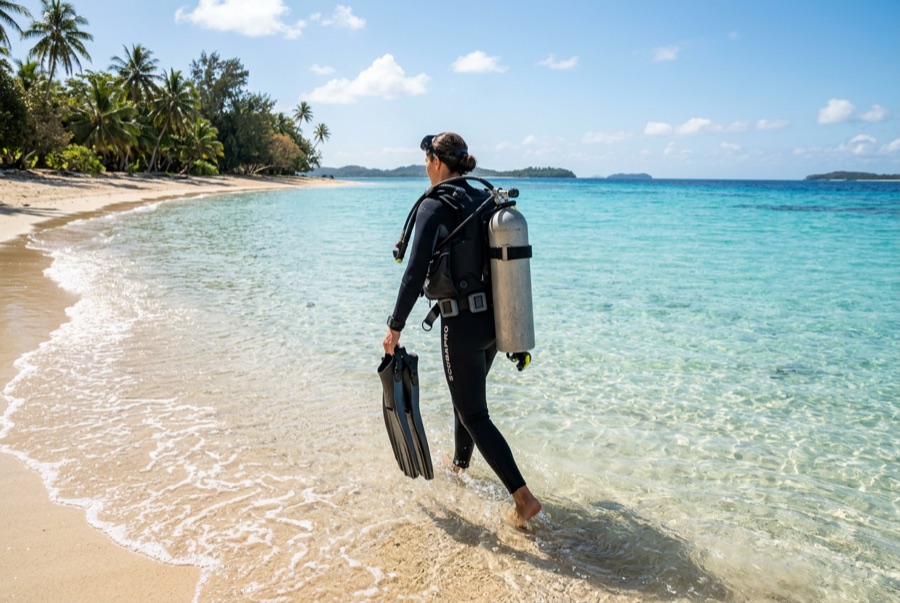
Einstieg: A short walk down a cobble beach in Fort Casey Historical State Park; the jetty dive runs along the east side of the rocks, and the old wharf pilings about 230 m east make a second dive.
Was du wissen solltest, bevor du ins Wasser gehst
Gefahren: The ferry channel lies to the west: stay on the east side of the rocks and never go past the end of the jetty. Current can be intense on large tidal exchanges and pulls toward Admiralty Inlet. Strong south or southeast winds raise chop and surf at the entry.
Genehmigungen & Regeln: A state park day or annual pass is needed to park; divers planning to dive after dusk should contact the Fort Casey park office.
Naturschutz: All marine life in the underwater park is protected.
Wen du triffst
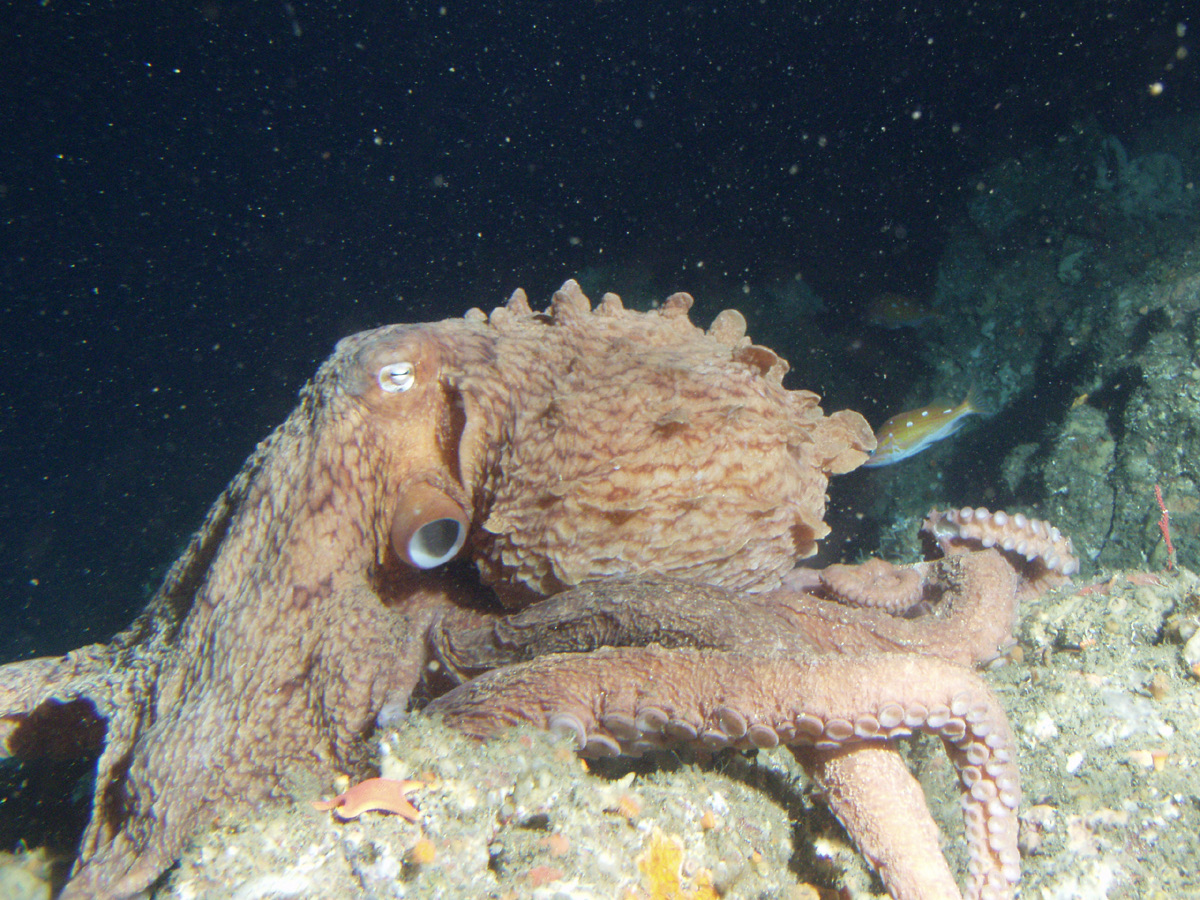
Pazifischer Riesenkrake
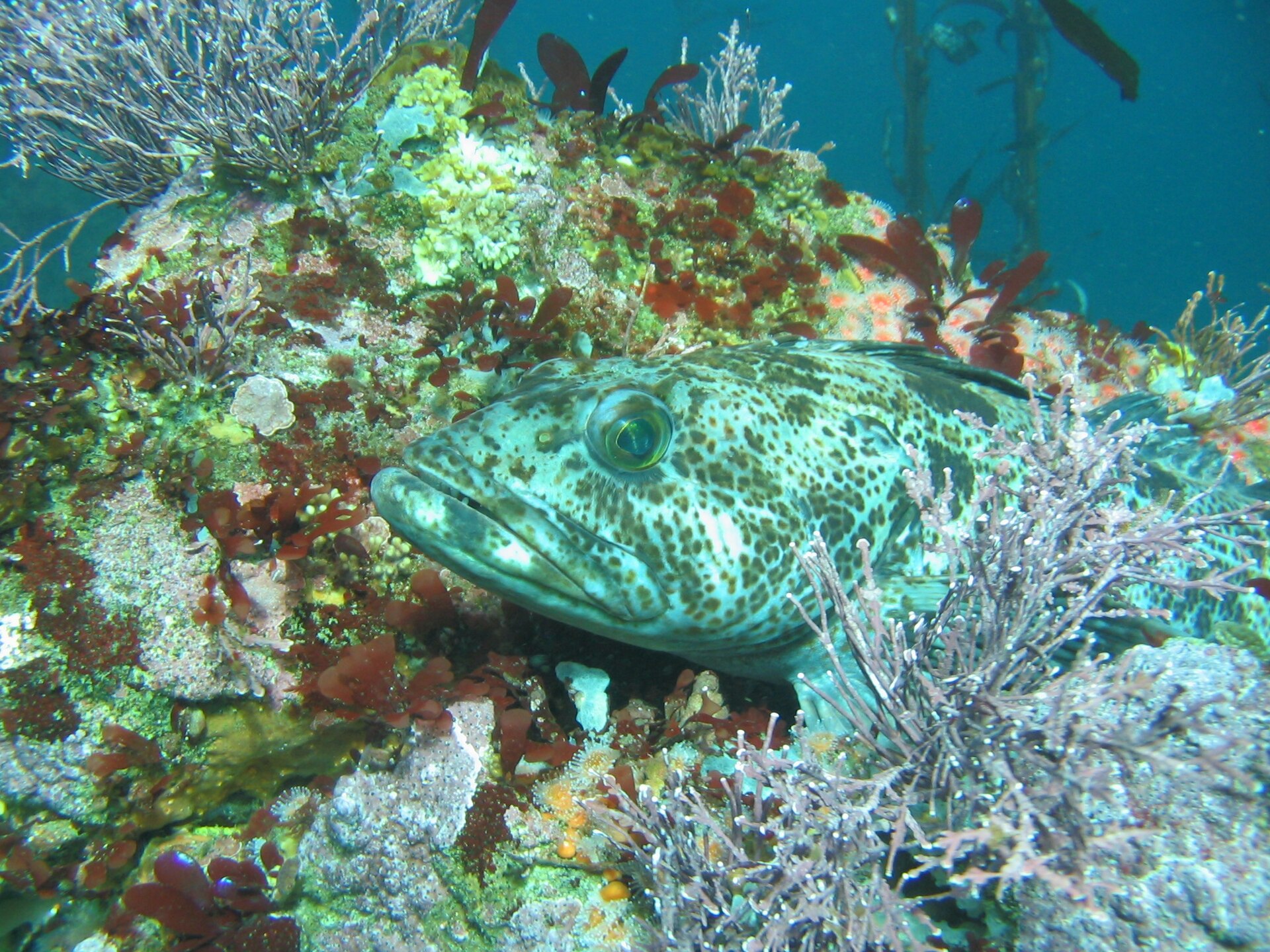
Lengdorsch
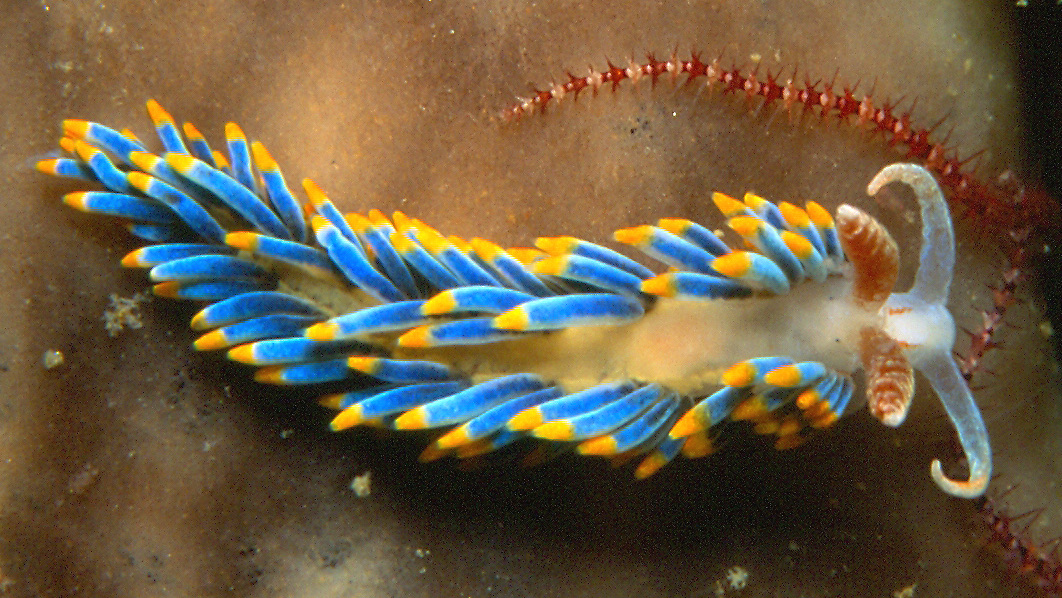
Nacktkiemer
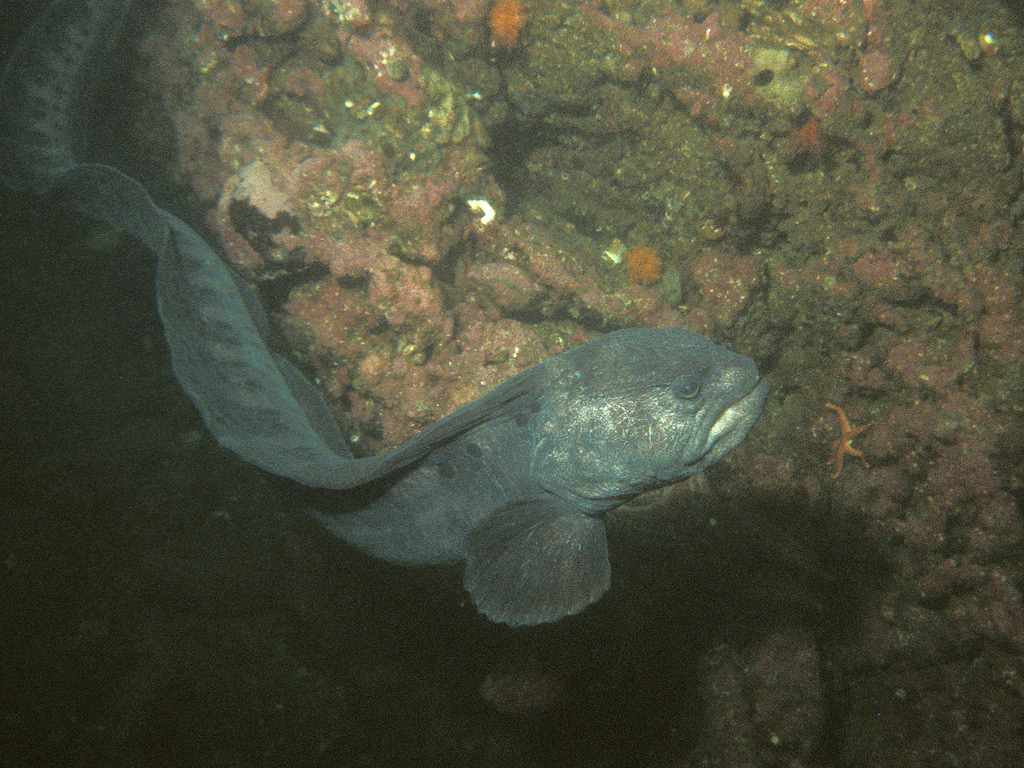
Wolfsaal
„Hier kartiert" – Arten wurden von unseren Redakteuren anhand der Quellen auf dieser Seite erfasst. Die Zahlen sind GBIF-Vorkommensdatensätze: Beobachtungen, die seit 1990 im Umkreis von etwa 5 km um die kartierte Position protokolliert wurden, ausschließlich abgeglichen mit den Arten in unserem Katalog. Sie zeigen, was dort gesichtet wurde – keine Garantie, was du sehen wirst.