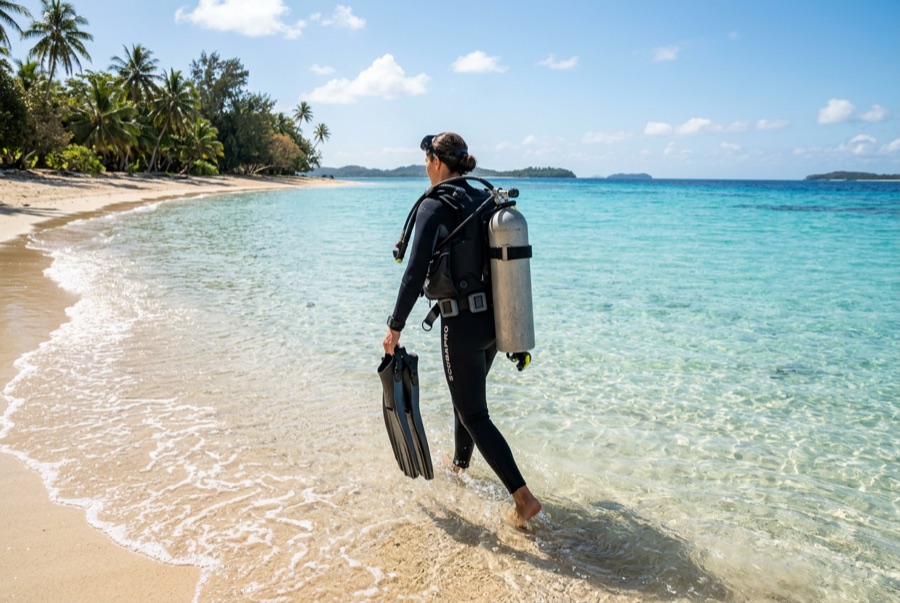
Seacrest Park Coves
A profundidade é o intervalo entre o topo do local e o seu máximo habitual; "certificação recomendada" é o nível das agências convencionais que os operadores normalmente exigem, não uma regra legal. As correntes e a visibilidade mudam diariamente, por isso trata tudo isto como intervalos de planeamento.
Seacrest Park, on the western shore of Elliott Bay, is the land access point for Seattle's protected scuba area, and its three coves look straight across the water at the downtown skyline. Between them they cover everything from a shallow rocky breakwater to depths suited to technical divers, with small wrecks and plenty of life along the way. Cove 2, one of the city's most popular dives, is entered by stairs onto a fairly steep rocky beach and slopes gradually to about 27 m past many artificial features. Octopus, rockfish, sculpins, lingcod, ratfish, sea cucumbers, plumose anemones and many kinds of nudibranch live here, and harbor seals also turn up. With so little current, the coves have long been a favorite place for dive classes.
O momento pelo qual você vem: Three coves facing the Seattle skyline; gradual slope with small wrecks to 27 m; easy conditions for training
Topografia: Gradual slope from a rocky breakwater, with artificial features and small sunken boats
Corrente: Little current and only a small tidal effect across the coves.
Entrada: Stairs on either side lead down to a fairly steep rocky beach at Cove 2, and the swim out is short.
Sabe antes de entrar na água
Perigos: Stay out of the no-dive boat lane marked by yellow and orange buoys and out of the ferry lane. The slope keeps going past 27 m, so watch depth, and good navigation is needed; posted dive maps are out of date.
Conservação: Octopus Protection Area across Coves 1 to 3: recreational harvest of octopus is prohibited, except within about 45 m of the Seacrest fishing pier.
Quem vai encontrar
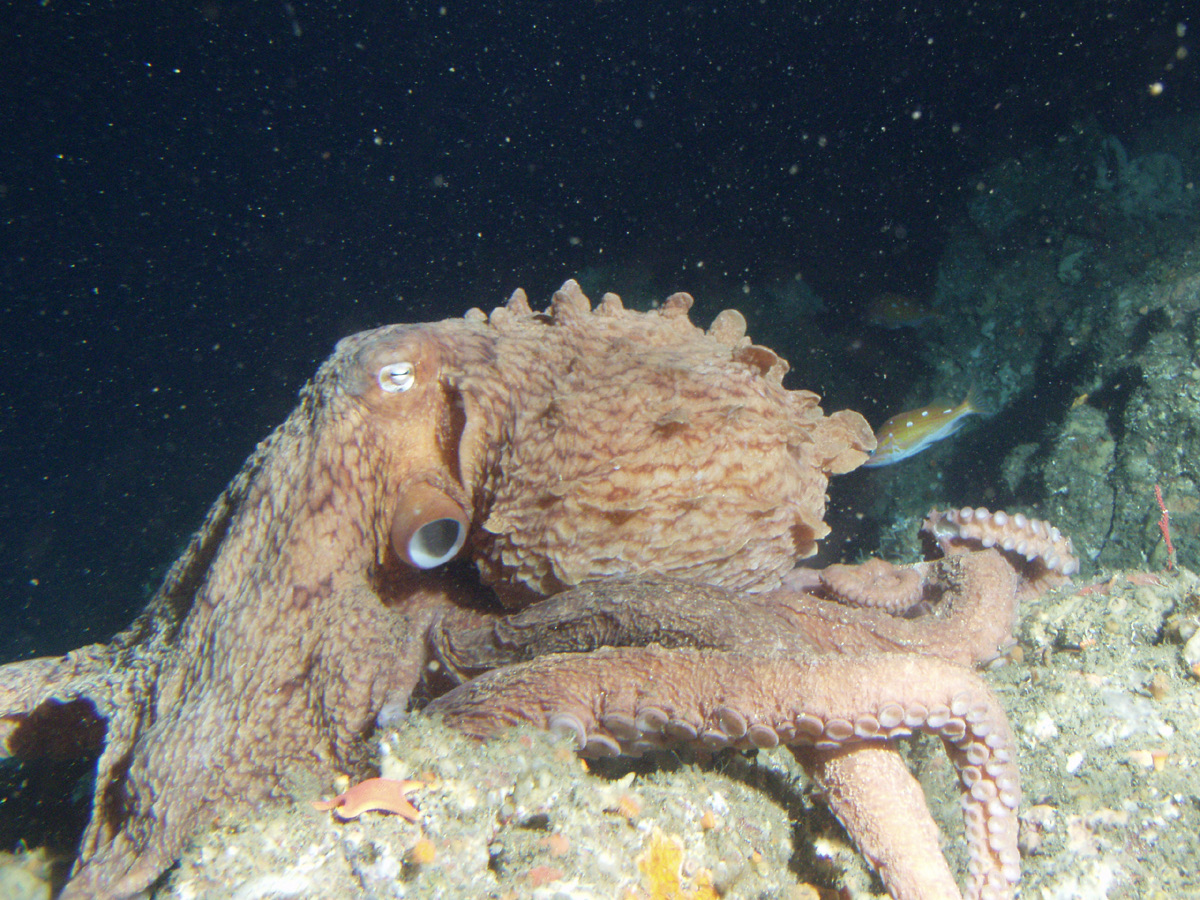
Polvo-gigante-do-pacífico
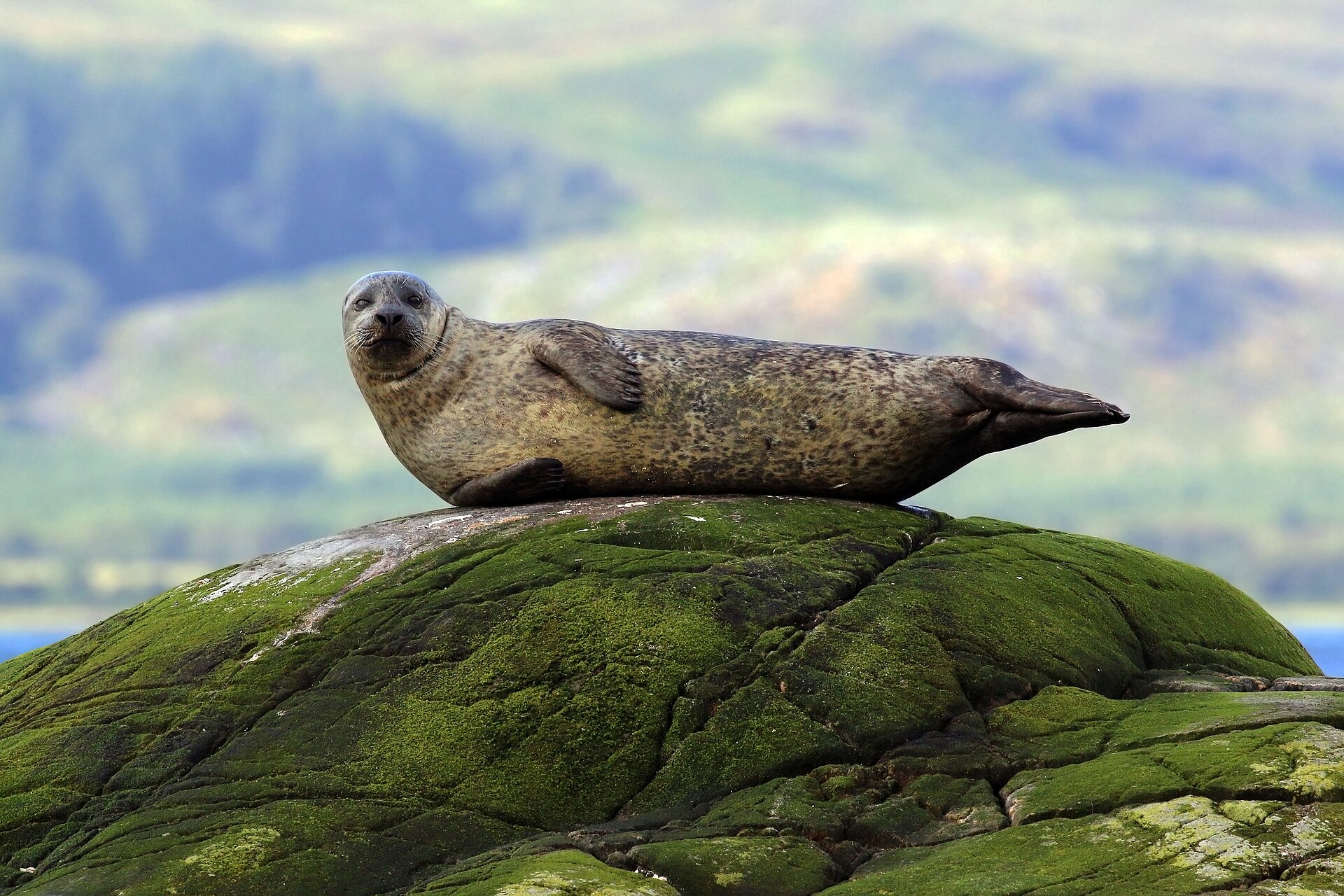
Foca-comum
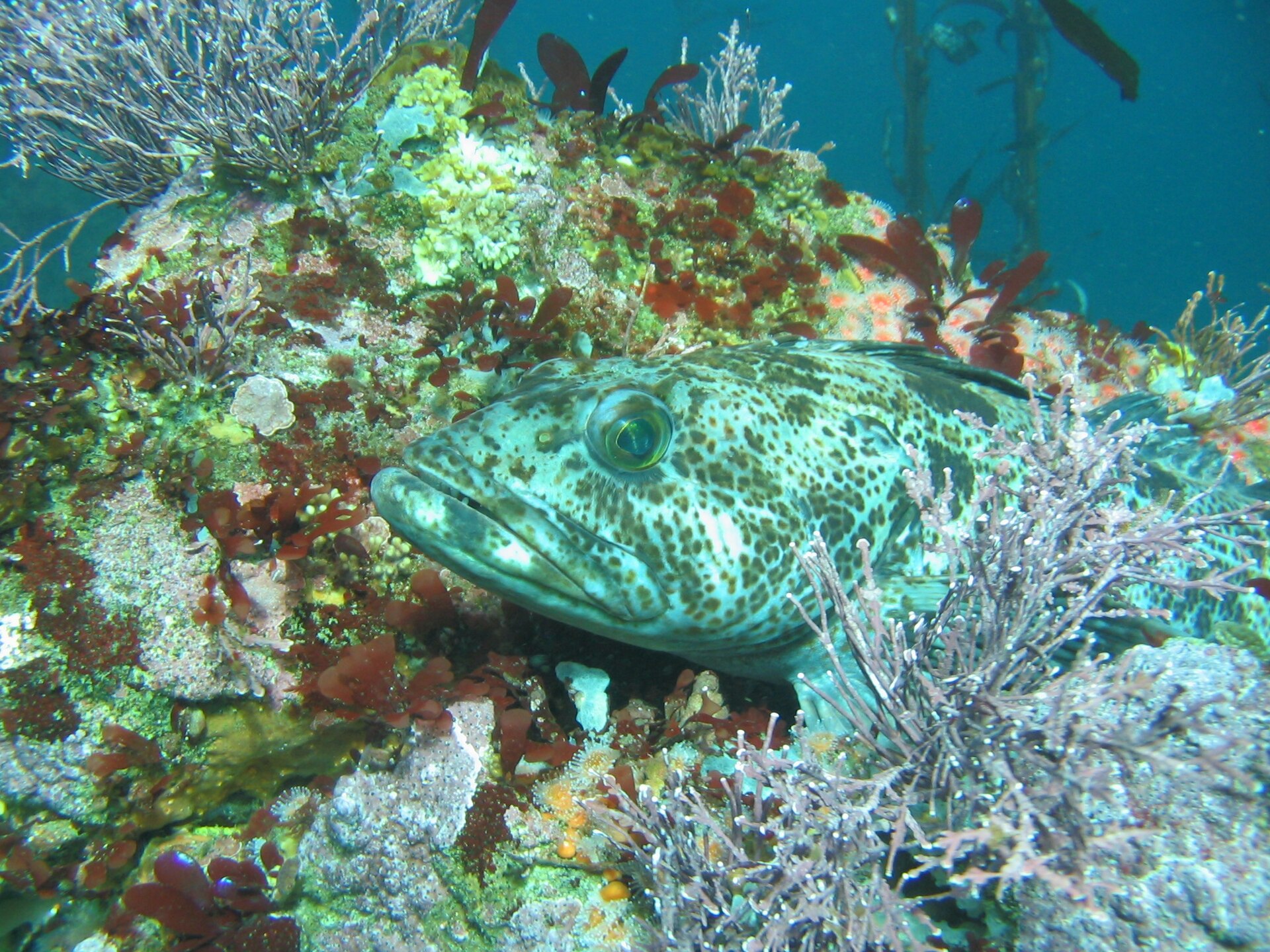
Lingcod
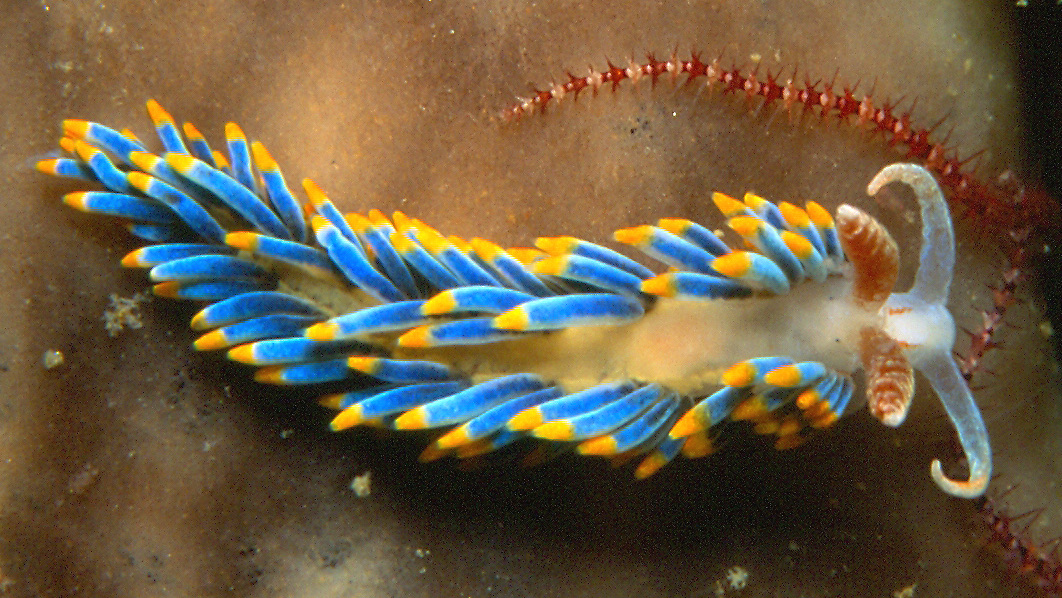
Nudibrânquios
As espécies "registadas aqui" foram listadas pelos nossos editores a partir das fontes desta página. As contagens são registos de ocorrência do GBIF: observações registadas num raio de cerca de 5 km da posição indicada desde 1990, cruzadas apenas com as espécies do nosso catálogo. Mostram o que foi avistado no local, não uma garantia do que irá encontrar.