Max Climax
Depth is the range from the top of the site to its usual maximum; "recommended cert" is the mainstream-agency level operators usually ask for, not a legal rule. Currents and visibility change daily, so treat everything here as planning ranges.
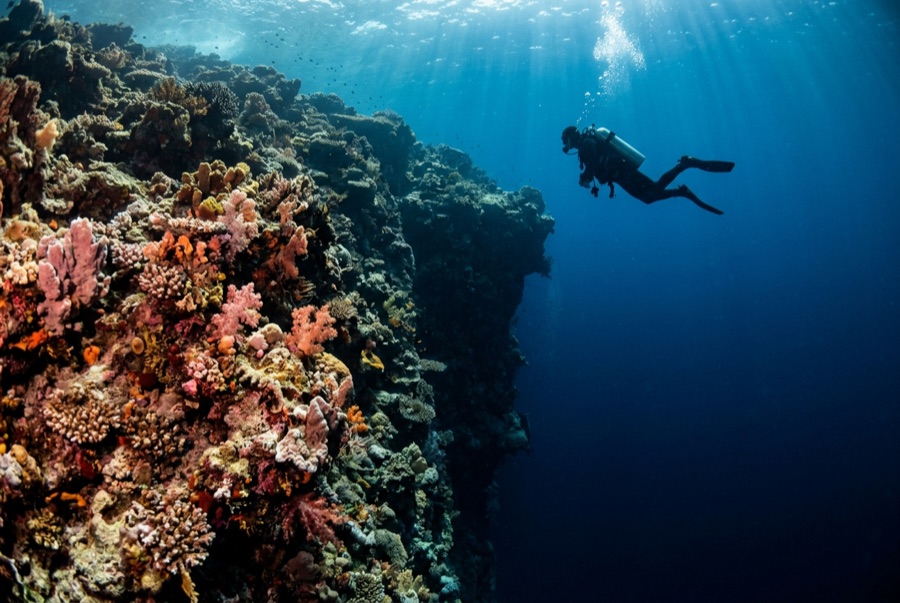
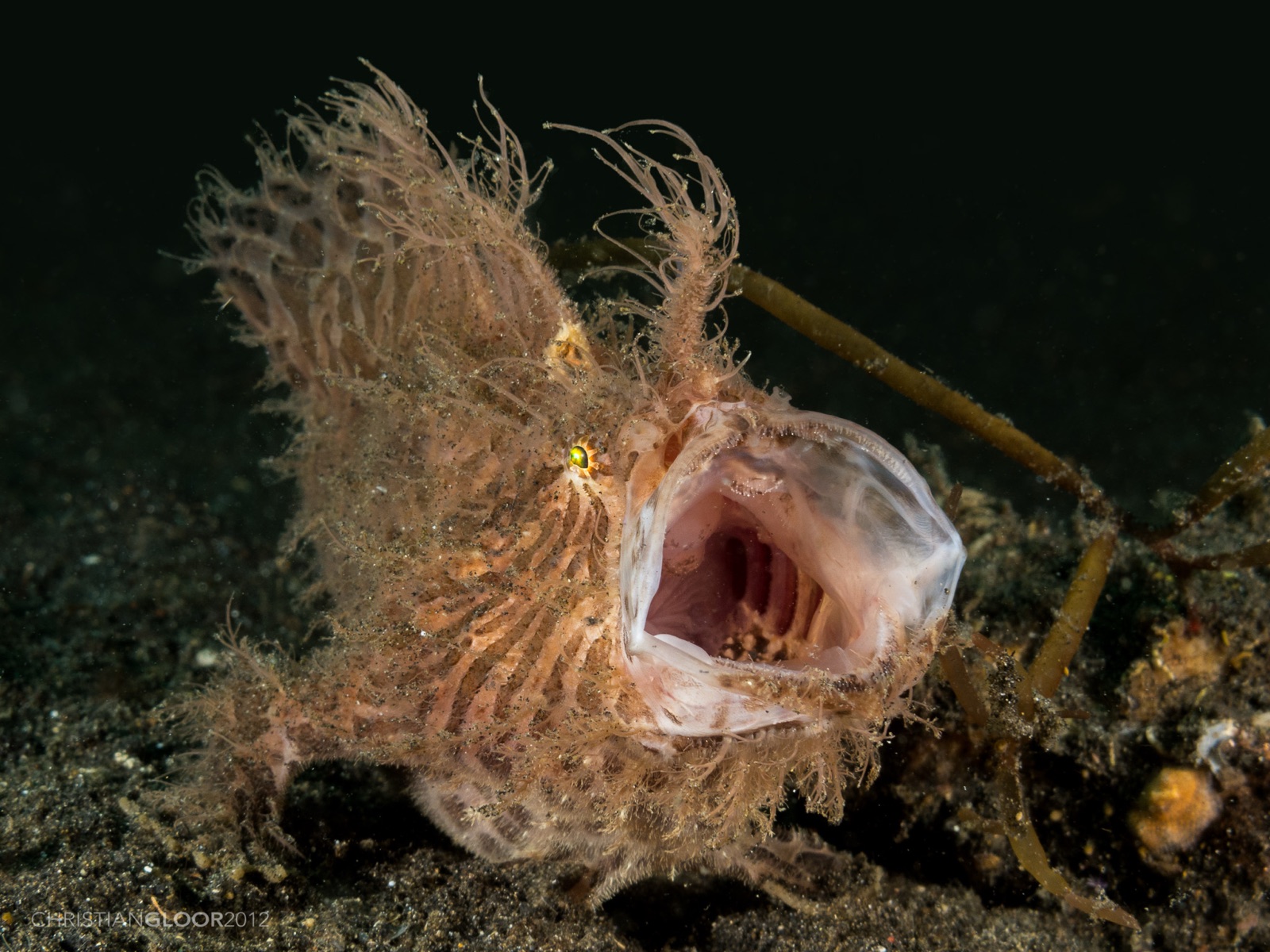
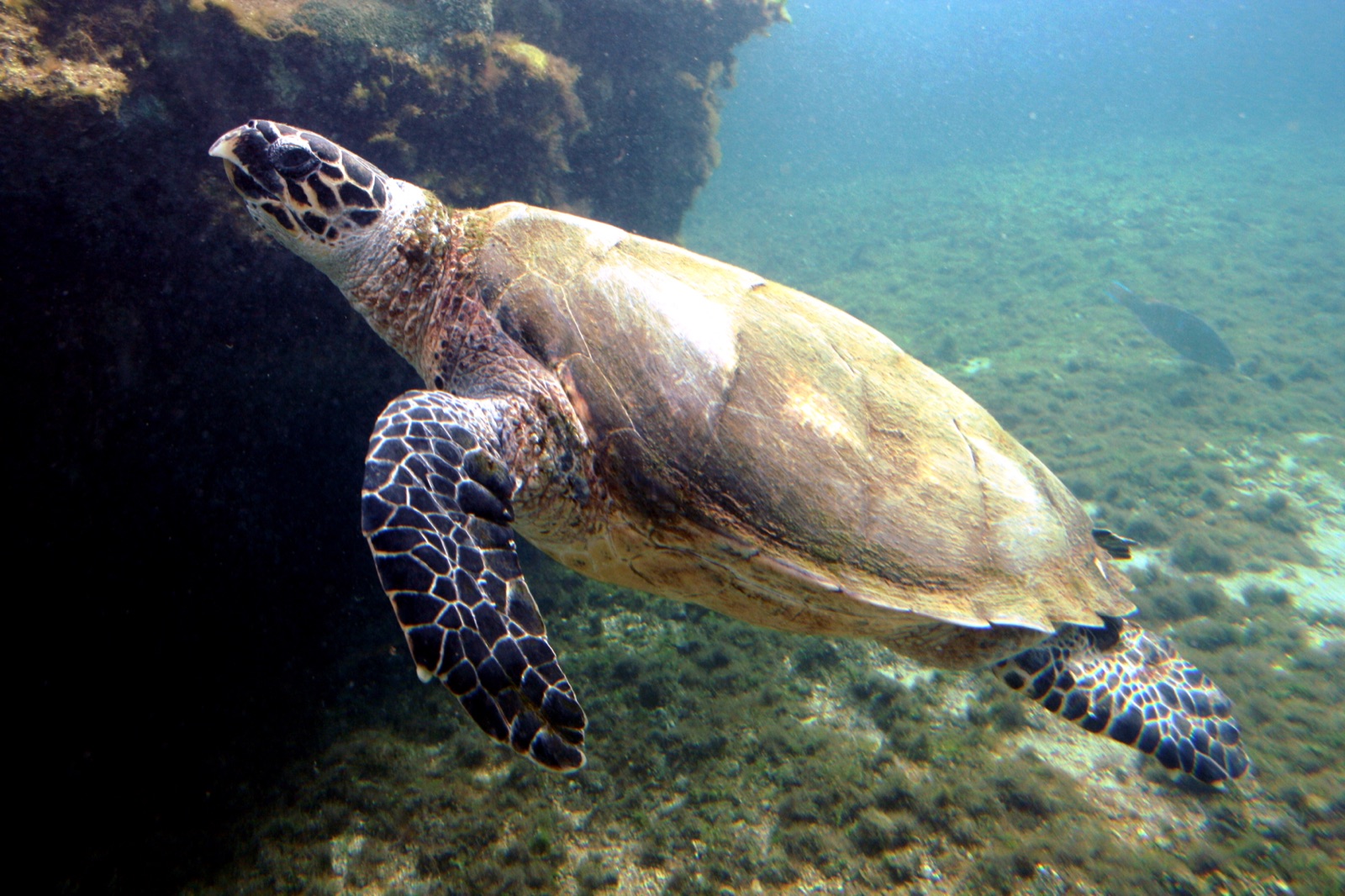
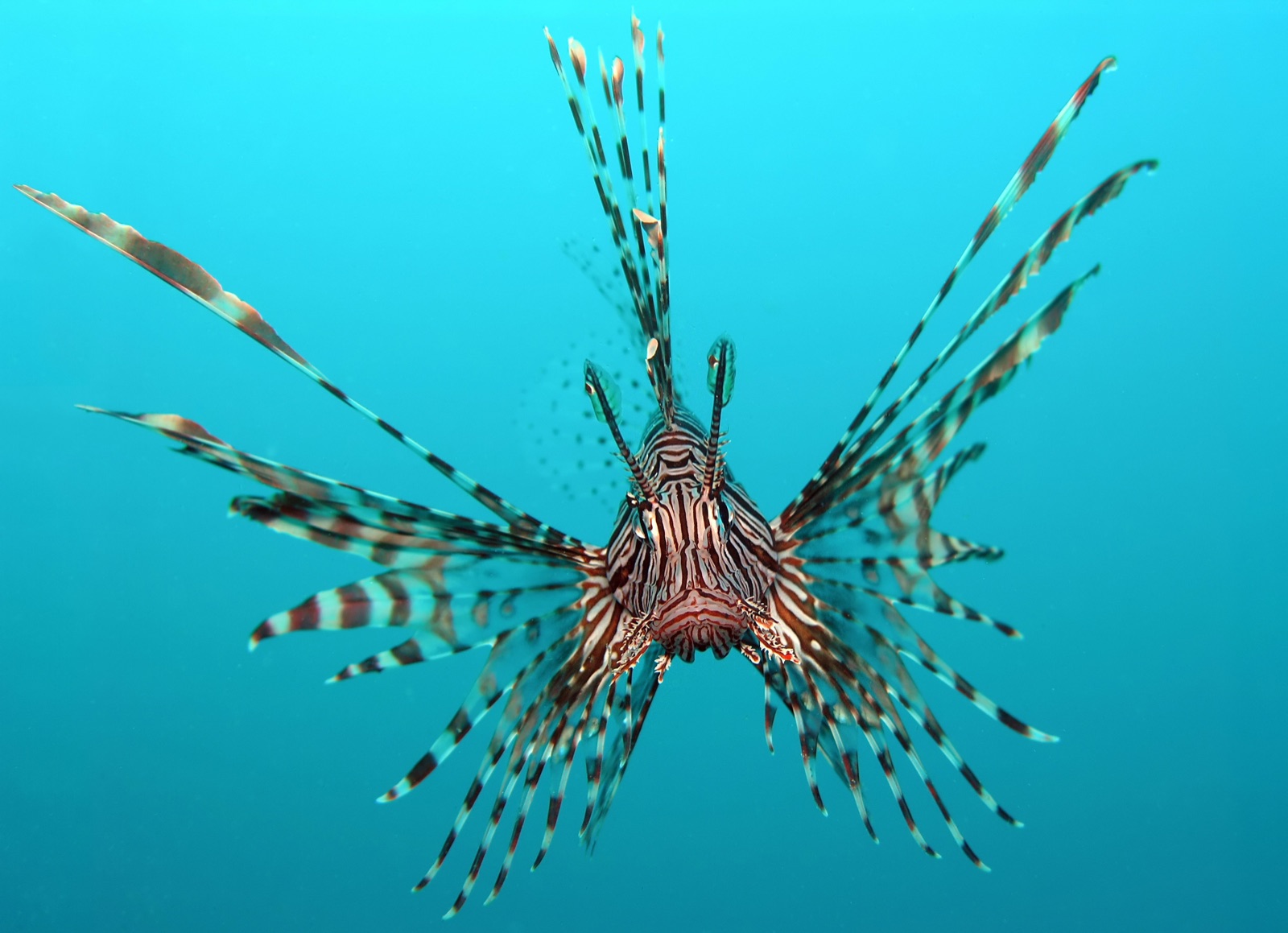
Max Climax is the sanctuary reef off Lungsodaan, on the Padre Burgos side of Sogod Bay, and it can be dived straight from the beach. A sandy slope dotted with rock outcrops and hard coral leads down to a wall that begins near 20 m and reaches about 45 m in places, split into two sections that together run for roughly 100 m. Crevices and small caves cut into the face, which carries big gorgonians, black coral, barrel sponges and a forest of whip corals. Emperor fish, batfish, midnight snapper and schooling fusiliers patrol the wall, while the slope above hides pygmy seahorses, frogfish, spiny devilfish and sleeping turtles. Moon-driven currents can turn strong, and on good days the water on the wall clears beyond 60 m.
The moment you come for: Wall dive reachable from the beach; pygmy seahorses on the fans; big-fish action when the current runs
Topography: Sandy slope with rock outcrops above a two-part wall with crevices and small caves
Current: Can be strong at times depending on the moon; watch for down currents when leaving the wall for the shallows.
Entry: Shore entry from the beach at Lungsodaan, or a short boat hop from the resorts there. Cross the sandy slope to the wall, explore it, then return to the slope for the shallow part of the dive.
Know before you splash
Hazards: Strong currents linked to the moon, including down currents when leaving the wall; wall depths to about 45 m.
Permits & rules: Inside a municipal marine sanctuary: divers pay a daily sanctuary fee, normally collected by the dive operator.
Who you'll meet
Frogfish
Hawksbill Turtle
Lionfish
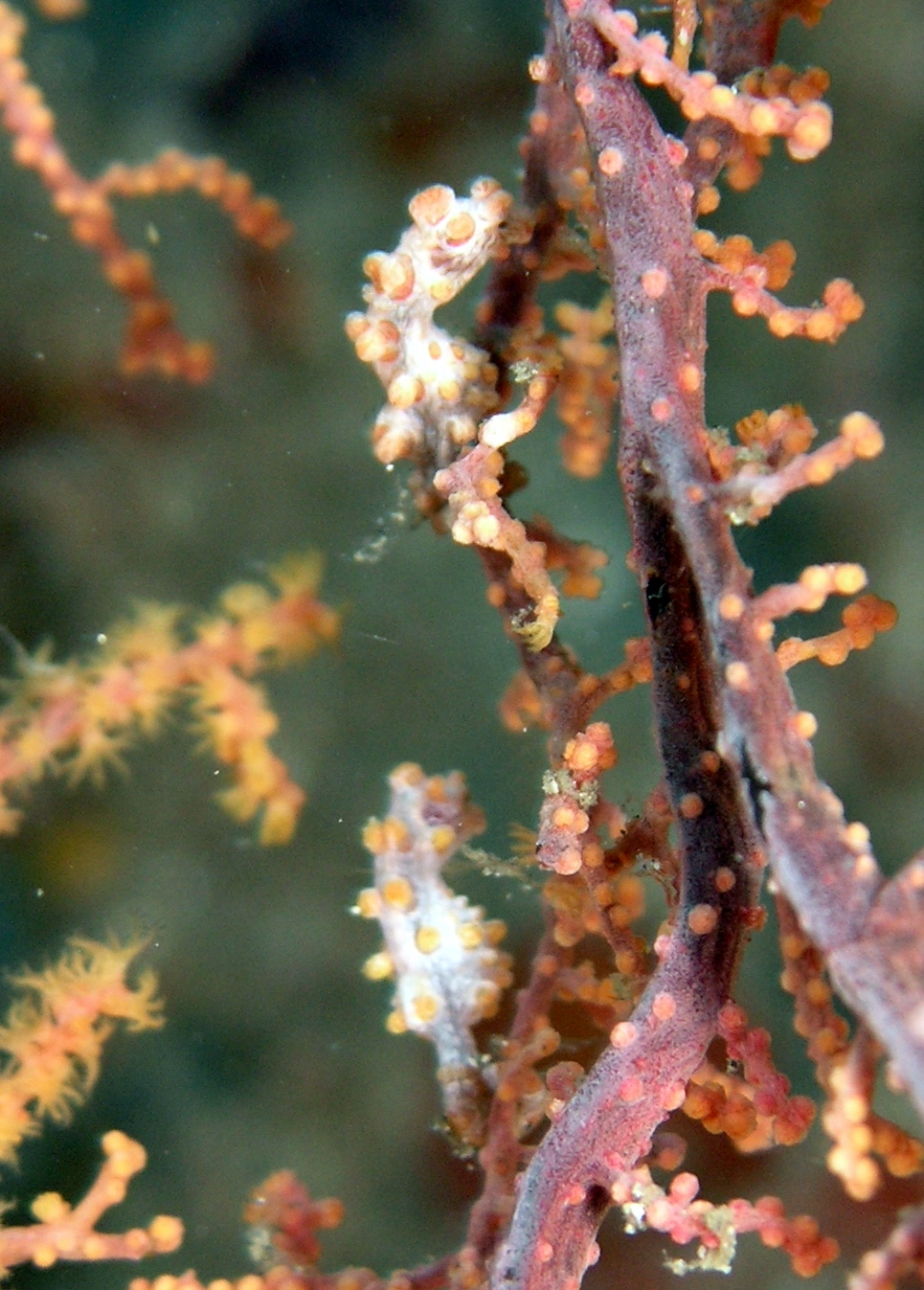
Pygmy Seahorse
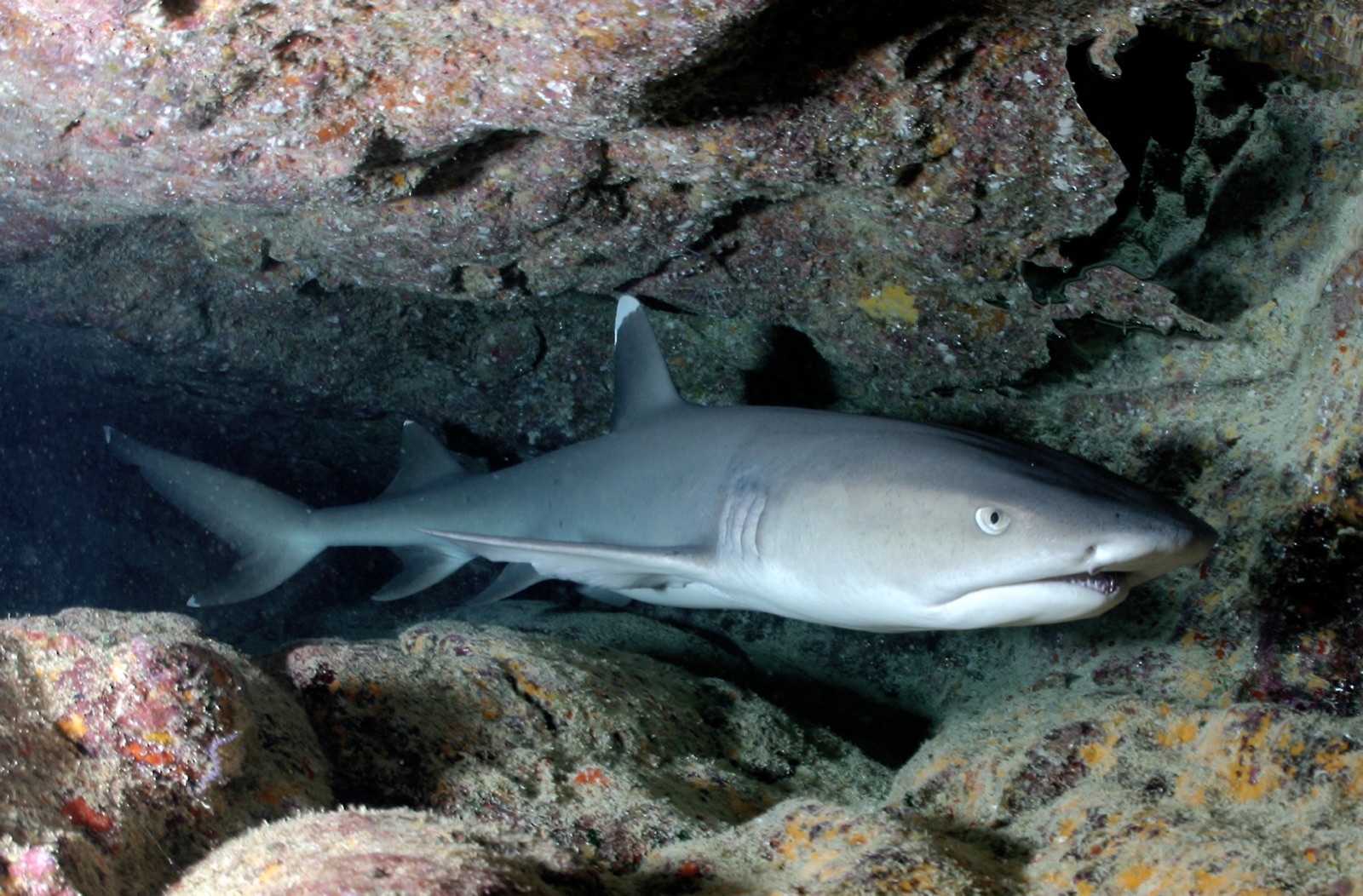
Whitetip Reef Shark
"Charted here" species were listed by our editors from the sources on this page. Counts are GBIF occurrence records: observations logged within about 5 km of the charted position since 1990, matched only against the species in our catalogue. They show what has been seen there, not a promise of what you will see.